Last Updated: July 20, 2026
This article is reviewed annually to reflect the latest market regulations and trends.

TL;DR (Too Long; Didn’t Read)
- Beware Unrealistic Promises: Telegram groups promising high, guaranteed daily or monthly returns are primary indicators of financial scams.
- Verify Everything: Scammers use fake profiles, manipulated MT4/MT5 screenshots, and high-pressure marketing tactics. Always demand a verified track record.
- Understand Their Incentives: Most malicious providers profit from upfront subscription fees or unregulated broker affiliate commissions, not successful trading.
- Prioritize Education: Real skill beats automated shortcuts. Learn market fundamentals instead of blindly copy-pasting a high-risk signal.
- Use Regulated Brokers: Trade with licensed brokers and leverage transparent performance tracking algorithms like TradingCup’s Money Management Ranking (MMR).
Disclaimer: The information in this article is for educational purposes only and does not constitute financial, investment, or trading advice. Copy trading and forex trading carry substantial risks, including the potential loss of your entire invested capital. Past performance of copied traders or strategies is not a reliable indicator of future results. You may be replicating high-risk trades, overleveraged positions, or strategies incompatible with your financial goals. Always conduct independent research into a trader’s historical performance, risk metrics, and strategy before copying them. Never invest funds you cannot afford to lose. Consult a licensed financial advisor to ensure your trading activities align with your risk tolerance, financial objectives, and regulatory requirements in your jurisdiction. This article does not endorse specific traders, platforms, or strategies, and all trading decisions remain your sole responsibility.
Applying Warren Buffett’s Wisdom to Forex Trading

“The wise man is cautious, watchful, foreseeing. He anticipates the evils to come, and avoids them. The fool rushes heedlessly into danger, and becomes its victim.”
— Adapted from classical proverbs on foresight and caution.
The frantic, short-term, signal-chasing environment of Telegram scams stands in stark contrast to the core principles of legendary investors like Warren Buffett. Although Buffett primarily focuses on value investing within equity markets, his core philosophy offers an invaluable shield for any retail trader looking to protect their hard-earned money.
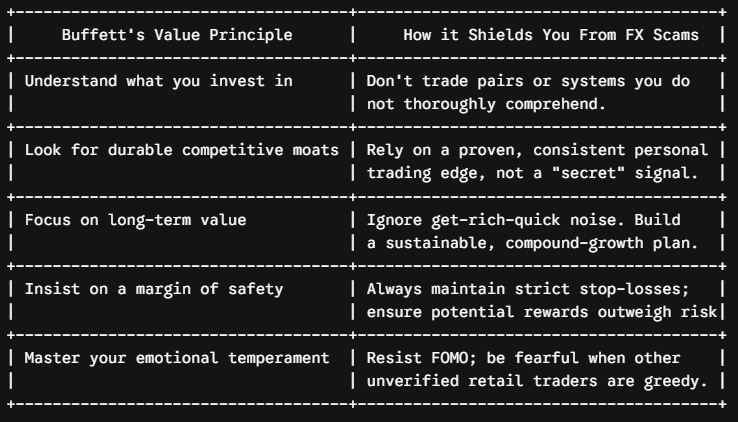
Buffett’s Principles vs. Signal Chasing:
- Understand What You Invest In: Buffett only invests in businesses he thoroughly understands. Lesson: Don’t trade currency pairs or follow signals based on systems you don’t comprehend. Focus on learning market fundamentals, technical analysis, and risk management.
- Look for Durable Competitive Advantages (Moats): Buffett seeks companies with lasting strengths. Lesson: In Forex, this translates to developing a trading strategy with a demonstrable, consistent edge, not relying on fleeting “secret signals.”
- Focus on Long-Term Value, Not Short-Term Noise: Buffett holds investments for years, ignoring market fads. Lesson: Avoid the temptation of daily “get rich quick” signals. Build a robust trading plan focused on long-term profitability and capital preservation. Chasing volatile, short-term signals is speculating, not strategic trading.
- Insist on a Margin of Safety: Buffett buys assets for less than their estimated intrinsic value. Lesson: In trading, this means ensuring your potential reward significantly outweighs your risk on every trade (positive risk/reward ratio) and avoiding trades with poor setups just because a signal appeared.
- Temperament is Key: Buffett emphasizes rationality, patience, and avoiding herd mentality (“Be fearful when others are greedy, and greedy when others are fearful”). Lesson: Resist the emotional pull of FOMO (Fear Of Missing Out) peddled by signal scams. Stick to your plan, manage emotions, and don’t let hype dictate your trades.
By adopting a disciplined, risk-averse mindset, traders can easily spot the red flags of a scam before committing their capital to unverified sources.
Timeless Lessons from “The Art of the Steal”
Frank Abagnale’s legendary fraud prevention framework in “The Art of the Steal” perfectly correlates with digital asset safety. Below are the 10 core security rules mapped directly onto the modern retail forex ecosystem to help you identify how to spot administrative malpractice:
- Assume Vulnerability / Prevention is Proactive:
- Assume Vulnerability / Prevention is Proactive: Never assume you are “too smart” to be tricked. Scammers adapt their social engineering tactics daily. Proactively research basic market metrics before joining any public trading channel.
- Assume Vulnerability / Prevention is Proactive: Never assume you are “too smart” to be tricked. Scammers adapt their social engineering tactics daily. Proactively research basic market metrics before joining any public trading channel.
- Guard Personal Information Like Gold:
- Avoid sharing your contact number, email, or identity documents. If an unverified admin pushes you toward a shady forex trading website, they may exploit your personal data for identity theft.
- Avoid sharing your contact number, email, or identity documents. If an unverified admin pushes you toward a shady forex trading website, they may exploit your personal data for identity theft.
- Master Your Digital Footprint:
- Clean up your digital trail. Be careful about sharing screenshots of your active trading accounts or balances in public chat rooms. Malicious actors use this data to target high-net-worth traders.
- Clean up your digital trail. Be careful about sharing screenshots of your active trading accounts or balances in public chat rooms. Malicious actors use this data to target high-net-worth traders.
- Be Skeptical of Unsolicited Contact:
- What is the most common way victims are lured? Through unsolicited Direct Messages (DMs) on Discord, Instagram, or Telegram. Treat every unexpected message promising a “guaranteed profitable strategy” as a security risk.
- What is the most common way victims are lured? Through unsolicited Direct Messages (DMs) on Discord, Instagram, or Telegram. Treat every unexpected message promising a “guaranteed profitable strategy” as a security risk.
- Understand Social Engineering:
- This is the primary tool of Telegram Forex scammers described in the article. They use:
- Scammers manipulate psychological triggers:
- Authority: They post highly polished, doctored screenshots showing massive account returns.
- Scarcity: “Only 3 VIP group slots remaining!”
- Aspirational Lifestyles: Showcasing leased supercars, luxury watches, and exotic hotel rooms to exploit financial desires.
- This is the primary tool of Telegram Forex scammers described in the article. They use:
- Secure Your Payments:
- Don’t send untraceable funds. Be highly suspicious if a signal channel demands payment exclusively in Crypto (e.g., USDT or Bitcoin) or via secure gift cards.
- Don’t send untraceable funds. Be highly suspicious if a signal channel demands payment exclusively in Crypto (e.g., USDT or Bitcoin) or via secure gift cards.
- Use Credit Cards Over Debit Cards:
- If you decide to purchase educational materials or a subscription service, always use a credit card. Credit cards offer consumer fraud protection and chargeback avenues that debit accounts do not.
- If you decide to purchase educational materials or a subscription service, always use a credit card. Credit cards offer consumer fraud protection and chargeback avenues that debit accounts do not.
- Strengthen Your Digital Defenses:
- Secure your Telegram profile. Enable two-factor authentication (2FA), restrict unknown accounts from adding you to random groups, and never click on hyperlinked files (.zip, .exe) shared in public chats.
- Secure your Telegram profile. Enable two-factor authentication (2FA), restrict unknown accounts from adding you to random groups, and never click on hyperlinked files (.zip, .exe) shared in public chats.
- Verify Identity Through Separate Channels:
- If a provider claims they are “officially partnering with ACY Securities” or that their performance is “fully verified by TradingCup,” do not trust their text links. Exit the app and manually navigate to the official, verified company website to ask customer support directly.
- If a provider claims they are “officially partnering with ACY Securities” or that their performance is “fully verified by TradingCup,” do not trust their text links. Exit the app and manually navigate to the official, verified company website to ask customer support directly.
- Education is Your Primary Shield:
- Do not wait until you have lost thousands of dollars to study how risk management works. Start with a risk-free demo account to test any external signals before committing actual capital.
- Do not wait until you have lost thousands of dollars to study how risk management works. Start with a risk-free demo account to test any external signals before committing actual capital.
Exposed: The Harsh Reality of Telegram Trading Groups
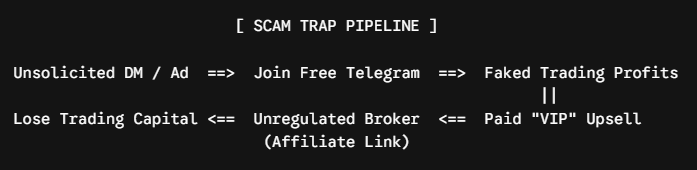

The retail foreign exchange market is a fast-moving, highly liquid ecosystem where currency valuations fluctuate second by second. However, this high liquidity has also birthed a lucrative parallel industry: fraudulent operations promising to decrypt market volatility for a low monthly fee.
Unscrupulous operators exploit the cross-platform accessibility of messaging apps to deploy automated trading bots and coordinate hype circles. Our goal is to break down the mechanics of these networks, enabling you to spot structural red flags before any of your capital is compromised.
Why Are Telegram Forex Signals So Tempting?
To effectively defend against financial fraud, you must first understand the psychological hooks used to bypass rational thinking.
- The Illusion of Passive Income: The dream of making your money work for you while you sleep is incredibly powerful. Scammers exploit this by claiming you can bypass years of analytical training simply by copying their copy-paste alerts.
- FOMO (Fear of Missing Out): Admins deliberately flood public feeds with messages like “Our members just cleared 800 pips on Gold while you hesitated!” to create psychological urgency.
- Manufacturing Authority: By using custom indicators, technical jargon, and complex-looking charts, an amateur operator can easily present themselves as a Wall Street veteran.
- Platform Convenience: Telegram‘s instant push notifications allow immediate alert distribution. While this is useful for legitimate communication, it also enables bad actors to execute rapid-fire manipulation strategies across thousands of retail accounts simultaneously.
Anatomy of a Scam: Wolves in Sheep’s Clothing

If you encounter any of the following seven structural anomalies in a trading channel, proceed with extreme caution:
1. Guaranteed High Returns (The Absolute Red Flag)
- The financial markets have no guarantees. Any provider asserting that they can secure “99% accurate signals” or “10% daily returns” is lying. Real institutional market participants operate on probabilistic margins, where even the most advanced algorithmic desks sustain periods of drawdown.
2. Doctored Statements and Anonymous Admins
- Genuine trading experts are proud of their track records and willing to verify their identities. Be highly skeptical of:
- Hidden Credentials: Creators who use cartoon avatars, stock images, or handles like “FX_God_99” with no real-world professional footprints.
- Screenshots Instead of Audited Links: Static images of trading balances are easily manipulated using basic web inspector tools or graphic design software. Always demand a third-party, read-only audited link (such as Myfxbook or a verified TradingCup profile).
- Hidden Credentials: Creators who use cartoon avatars, stock images, or handles like “FX_God_99” with no real-world professional footprints.
3. Hidden Conflict of Interest (The Affiliate Commission Trap)
- Many “free” signal channels are actually lead-generation funnels for unregulated offshore brokers. The operator will state that access to their VIP chat is free only if you open an account using their specific affiliate tracking link.
- The Conflict: These brokers pay the operator a lifetime commission based on your trade volume (known as an Introducing Broker or IB commission). The operator does not care if your trades win or lose; they only need you to execute high-volume, high-leveraged trades until your account is completely wiped out.
- The Conflict: These brokers pay the operator a lifetime commission based on your trade volume (known as an Introducing Broker or IB commission). The operator does not care if your trades win or lose; they only need you to execute high-volume, high-leveraged trades until your account is completely wiped out.
4. The Glamour Trap
- If a channel displays more photos of sports cars, luxury watches, and tropical beaches than actual risk-adjusted balance charts, they are selling an aspirational fantasy. This lifestyle marketing is paid for by membership fees and affiliate commissions, not real market trading.
5. High-Pressure Closing Tactics
- If you receive direct messages stating that a promotional price is expiring in “30 minutes” or that you are missing out on the “trade of the year,” you are dealing with high-pressure sales, not institutional education.
6. Execution Latency and Market Slippage
- Even if the channel runner is not actively trying to steal your funds, execution lag can destroy your performance. In volatile currency markets, a signal sent via chat can experience latency. By the time you read the notification, unlock your phone, open your app, and enter the position, the price may have already reversed. This turns their reported “win” into your actual loss.
7. The Contrast of Inverse Trading
- Amusingly, several independent financial researchers have documented experiments where they traded the exact opposite of popular Telegram signals. In many cases, these “inverse portfolios” performed remarkably well, proving that the underlying signals carried a negative statistical edge.
Why Telegram Signals Persist Despite Risks
Despite the massive volume of public warnings and regulatory actions, Telegram remains the absolute epicenter for retail financial fraud. Understanding why this ecosystem thrives is key to learning how to protect yourself.
First, the app’s structural privacy features are highly appealing to both legitimate users and financial bad actors. Admins can create broadcast channels with unlimited subscribers while hiding their actual phone numbers, locations, and personal profiles. Unlike traditional forums or websites, a scammer can instantly delete an entire chat history or change their channel’s handle if negative reviews start circulating online.
Second, the rise of decentralized Crypto networks has provided these operators with an anonymous global payment rail. Subscription fees can be collected in stablecoins across borders, entirely bypassing traditional banking checks, credit card chargebacks, and localized legal jurisdictions. This financial anonymity makes it exceptionally difficult for local police forces or regulatory agencies to freeze illicit assets or track down the real people operating these networks.
How To Spot It: Identifying a Fake Signal Group or Forex Trading Website
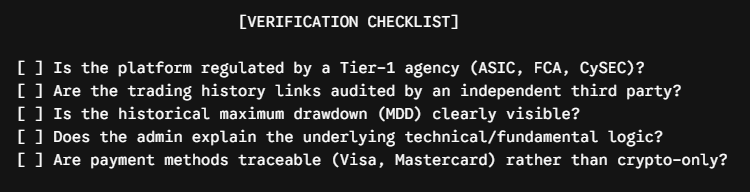
Knowing how to spot a fraudulent operation before you commit your funds can save you thousands of dollars. Whether you are analyzing a community chat or a external forex trading website, use this verification checklist:
What To Do If You Spot a Scam
If you identify a fraudulent trading channel or are scammed by an unregulated service, do not stay silent. Taking prompt action can protect other market participants:
- File a Report with Regulators: In the United States, notify the Commodity Futures Trading Commission (CFTC) at their headquarters: Three Lafayette Centre, Washington, DC, 20581. You can file a digital tip directly through their online portal.
- Report Cybercrime: Submit all relevant details, transaction histories, and chat screenshots to the FBI’s Internet Crime Complaint Center at IC3.gov.
- Report the Telegram Channel: Click on the upper-right menu in the app, select “Report,” and choose “Violence,” “Spam,” or “Other” with a detailed explanation of the financial fraud occurring.
“While Telegram offers unmatched speed and privacy for communication, its complete lack of identity verification makes it a major breeding ground for unauthorized financial advice that bypasses agencies like the Commodity Futures Trading Commission. Traders must realize that a chat room administrator is not a licensed fiduciary, and promises of guaranteed yields are structurally fraudulent.”
Why Following Every Signal Can Backfire
Many retail participants believe that even if some signals are bad, following every single recommendation from an active channel will eventually yield net profits. This is a highly dangerous mathematical misconception.
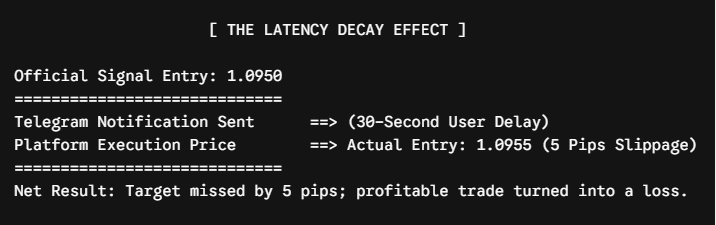
In live markets, execution speeds are measured in milliseconds. When a channel runner posts an alert, they are typing it out manually, sending it through the cloud, and waiting for you to read and copy it. By the time your trade executes, the market’s pricing has moved. Over hundreds of trades, this latency-driven “slippage” slowly eats away at your capital, turning what looked like a winning model on paper into an active account liquidation.
Furthermore, blind copy-trading completely ignores the necessity of personal position sizing. If a signal provider risks 5% of their balance per trade and you run a highly leveraged retail account, a standard three-trade losing streak can trigger a margin call on your account while their larger, institutional portfolio easily survives the dip.
The Big Picture: Signals Are Tools, Not Solutions
If you choose to use external market data, you must treat signals as minor analytical references rather than plug-and-play investment solutions. No successful long-term trader relies exclusively on third-party alerts.
True professional development requires you to study price action, master fundamental economic indicators (like interest rate decisions and payroll data), and implement strict risk-management parameters on every single position. If you want to leverage other traders’ perspectives safely, use regulated social trading platforms that pull raw, unalterable data directly from live broker accounts.
Charting a Safer Course: Demanding Real-Time Transparency
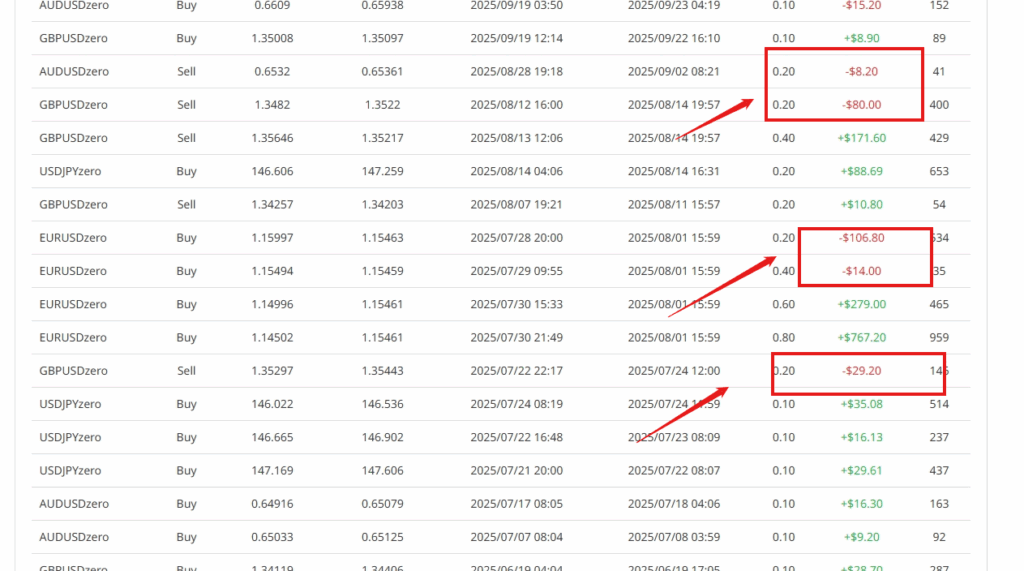
The absolute antidote to the unverified claims of Telegram chat rooms is verified performance data. If you want to review external trading strategies, avoid static screenshots and look for platforms with built-in, unmanipulated tracking mechanisms.
This transparency is why platforms like TradingCup exist. Rather than relying on self-reported spreadsheets, these ecosystems track active, live trading data directly from the broker’s servers.
The TradingCup MMR (Money Management Ranking) Algorithm Rather than simply sorting traders by their highest short-term percentage gains, TradingCup utilizes the advanced MMR algorithm. This ranking system is designed to reward consistent, institutional-grade risk management. It analyzes multiple factors holistically:
- Longevity: The overall age of the trading track record (older accounts receive higher ratings).
- Max Drawdown (MDD): The maximum peak-to-trough decline. Lower drawdown (e.g., <15%) indicates superior capital preservation skills.
- Stability: The smoothness of the equity curve, penalizing wild, high-leverage gambles.
- Risk-Adjusted Returns: Ensuring that the profit generated was not the result of taking catastrophic, disproportionate risks.
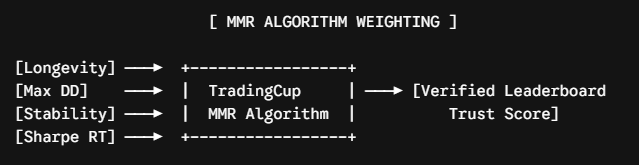
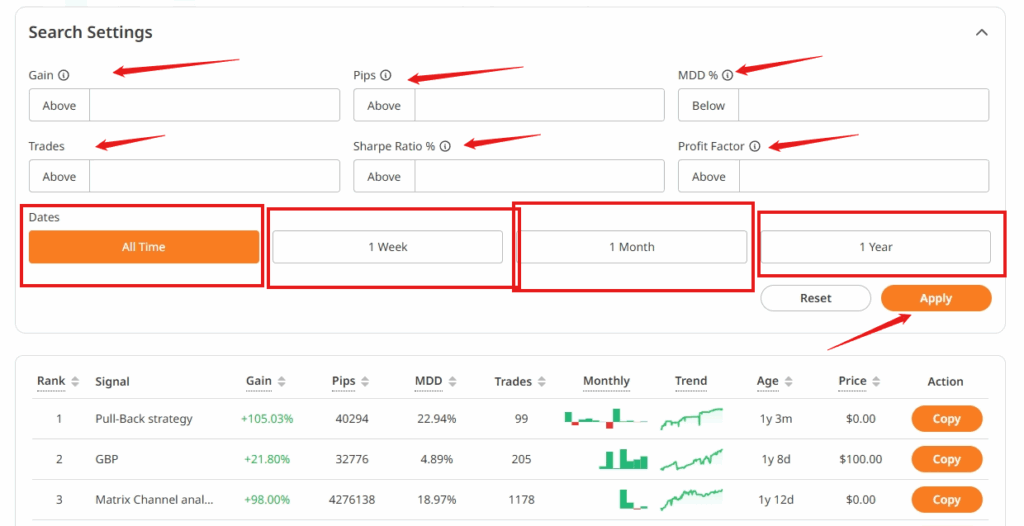
By filtering traders on platforms like TradingCup using these exact metrics, you can easily separate lucky gamblers from professionals with a genuine statistical edge.
Frequently Asked Questions (FAQ)
Q1: Are all Forex signal groups on Telegram scams?
No, but a vast majority of public channels are highly misleading or outright predatory. Genuine, professional analysts operate under strict regulatory compliance, provide clear explanations of their technical/fundamental reasoning, and never guarantee specific financial returns. If a channel focuses on selling access to “secret” trading tactics or demands sign-ups with offshore brokers, steer clear.
Q2: How can I reliably verify if a Forex signal provider is legitimate?
Always check for an independent, read-only third-party track record (such as an audited account statement or a verified TradingCup MMR profile). Never accept static screenshots, spreadsheet logs, or video walk-throughs of MT4/MT5 platforms, as these can easily be faked or run on paper-trading demo servers.
Q3: What are the main red flags of a Telegram signal scam?
Look out for guarantees of high daily profits, assertions of “90%+ accuracy,” pressure to sign up with specific unregulated brokers, requirements to pay using untraceable Crypto assets, and admins who refuse to share their verified professional identities or audited trade histories.
Q4: Is copy trading safer than copying manually from Telegram?
Yes, but only if you use a regulated copy-trading platform that integrates directly with licensed brokers. These systems display real-time, audited statistics (such as drawdown history, average trade duration, and leverage use). However, remember that all copy trading still carries significant risk, and past performance is never a guarantee of future profits.
Q5: What is the best alternative to using Telegram signals?
The most reliable alternative is investing in your own education. Utilize free resources, webinars, and analytical market commentary from regulated financial institutions like ACY Securities. Practice applying your own risk-management strategies using a free demo account before risking your hard-earned capital in live markets.
Conclusion: Protect Your Capital and Trade Smarter
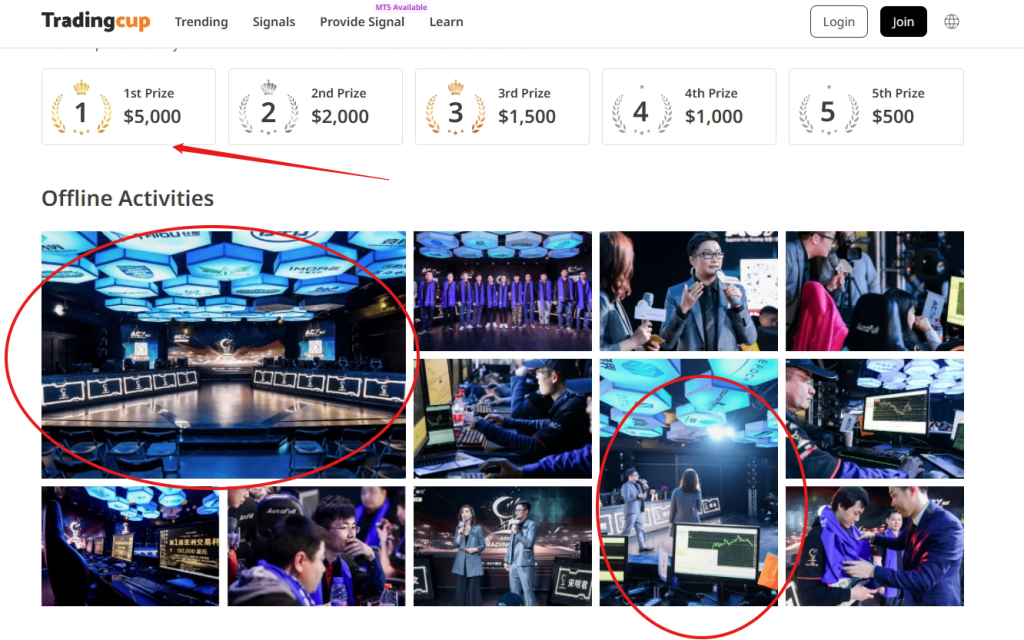
The dream of securing effortless wealth through copy-paste Telegram signals is highly compelling, but the structural reality of these channels is often account liquidation. These operations survive by exploiting psychological vulnerabilities, using unverified screenshots, and taking commissions from unregulated brokers behind the scenes.
Sustainable trading success is built on a foundation of education, risk management, and empirical verification. If you want to analyze other traders’ strategies, skip the chat rooms and look for transparent, server-tracked platforms like TradingCup. Utilize its built-in MMR filters to identify traders who prioritize capital preservation over high-leverage gambles.
Commit to your own educational journey. Utilize the webinars, analytical reviews, and educational tools offered by regulated brokers like ACY Securities, and test your strategies on a risk-free demo account before going live.
How do I apply to become a signal provider on TradingCup?
Applying is incredibly straightforward.
First, open and fund an MT4 or MT5 trading account with ACY Securities.
Second, log into the TradingCup portal and navigate to the ‘Signals’ tab to submit your signal provider application.
Third, define your subscription or performance fee and start trading; the platform instantly showcases your real-time performance metrics to global traders.
What is the difference between copy trading and providing signals?
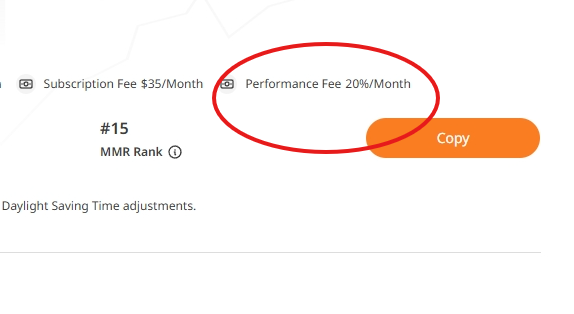
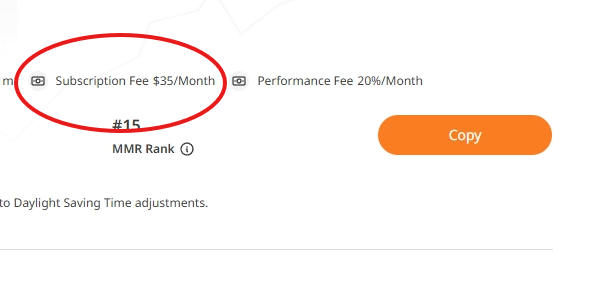
Copy trading is a passive approach where you allocate capital to automatically mirror the trades of another professional.
Providing signals is an active, highly lucrative strategy where you execute trades on your own account, allowing others to copy you in exchange for subscription fees or a percentage of their profits.
Can I control my risk when copying a high-frequency trader?
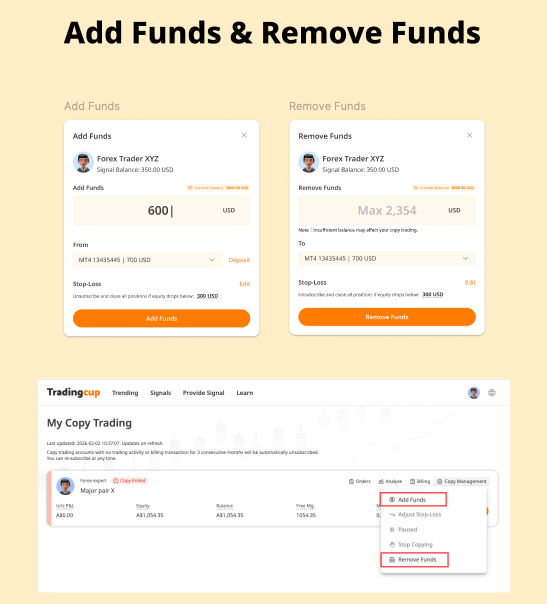
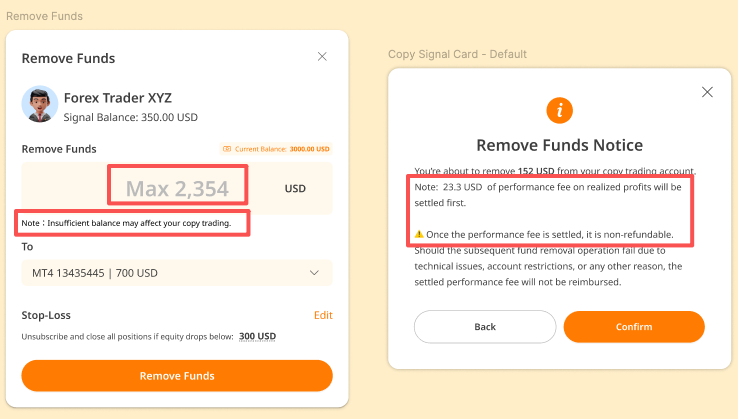
Yes, TradingCup gives you full risk control.
You can set a customized Equity Stop-Loss to automatically disconnect from a provider if drawdown limits are breached.
Alternatively, you can disable the stop-loss completely to replicate their native strategy perfectly, or withdraw your funds instantly without forced liquidations.
What metrics should I look at to verify a trader’s performance?
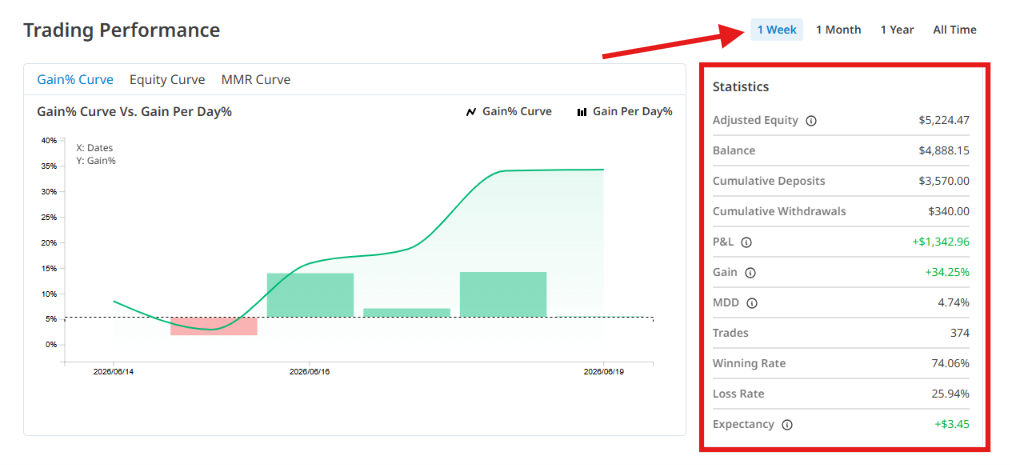
You should look past raw percentage gains and analyze critical risk-adjusted metrics.
Focus on the Sharpe Ratio (risk-adjusted return), Profit Factor (gross profits versus gross losses), and Maximum Drawdown (MDD) to ensure the provider is not utilizing dangerous martingale or grid techniques without proper stop losses.
Why is a low-risk strategy surging in popularity right now?
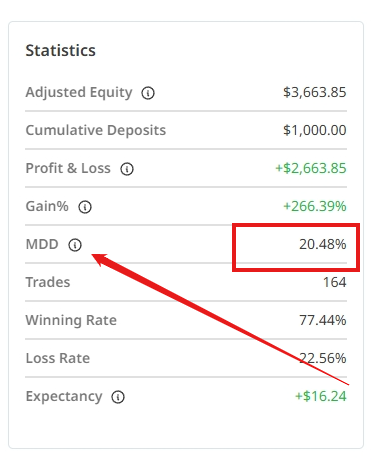
With macroeconomic uncertainty and market volatility rising, traders are prioritizing capital preservation over reckless speculation.
It’s Not About Following More, It’s About Diversifying Smartly
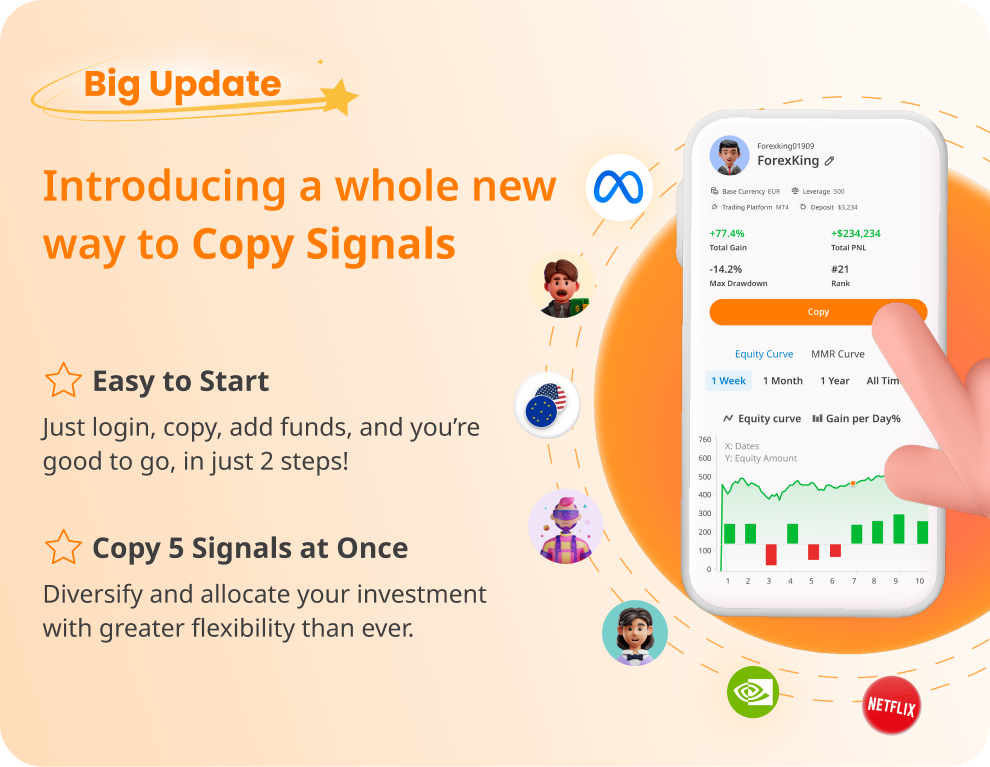
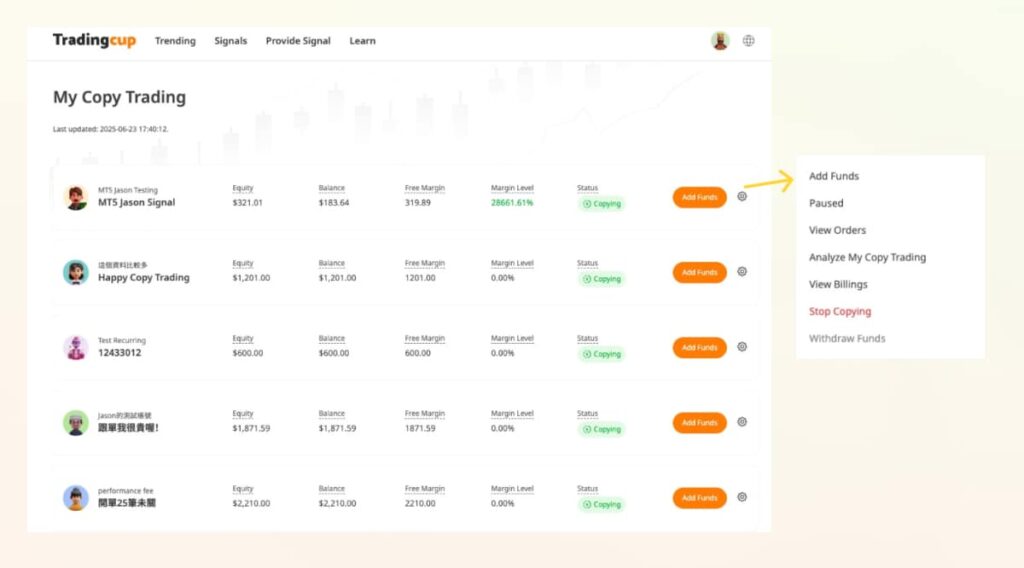
Many think copying more traders is better, but the key is low correlation. Choose strategies with different markets and trading styles. Selecting 1–2 steady traders from each of forex, indices, and commodities ensures that even if one market underperforms, the entire portfolio won’t be dragged down, that’s true diversification and risk control.
Looking for the Best Copy Trading Strategy?
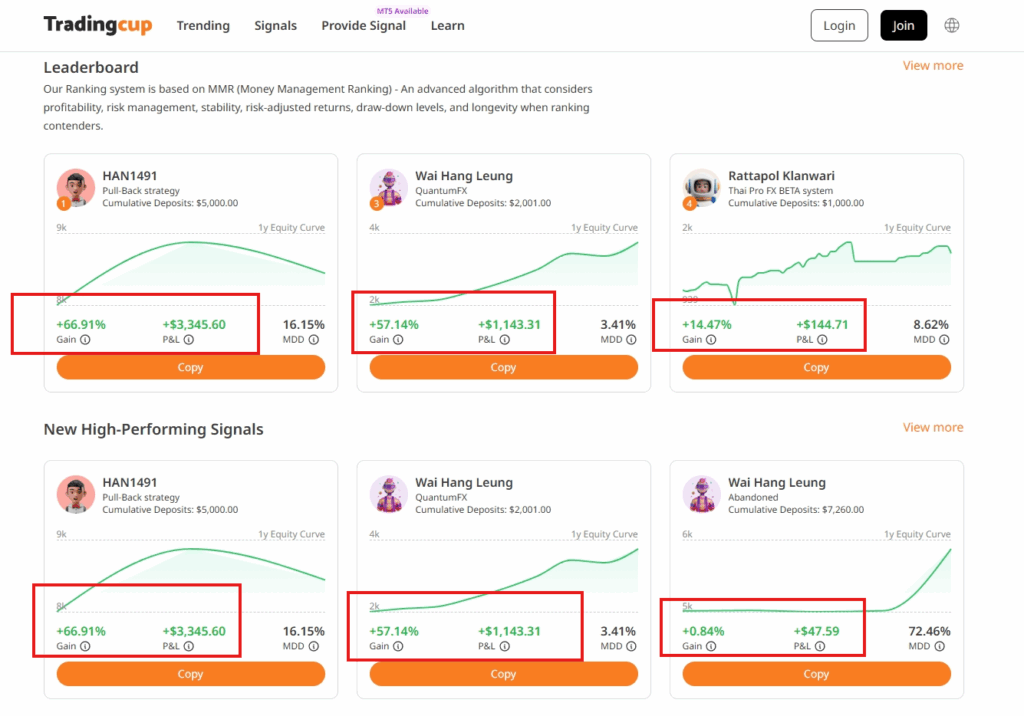
We’ve compiled a leaderboard of the most outstanding traders with excellent drawdown control and clear trading styles. This way, you’ll never feel lost when choosing who to follow and won’t blindly chase trends. Click to view the latest trader rankings and find out who is truly worth copying! Choose the right person, copy the right strategy, and from today, let copy trading truly create value for you.
Bonus Guide
What Makes an Effective Trading Portfolio?
- Diversification: Spread funds across various asset types (e.g., stocks, bonds, real estate, cash, precious metals) and industries/regions to reduce exposure to single-market volatility.
- Asset Allocation: Tailor allocations based on your risk tolerance, goals, and time horizon. Conservative portfolios emphasize fixed income, while aggressive ones lean into equities.
- Risk-Reward Balance: Each asset has different risk/return profiles. Ensure your portfolio avoids excessive exposure to high-risk or low-return assets.
- Low Correlation: Combine assets with correlations below 0.3 to enhance stability and provide a cushioning effect during market swings.
- Dynamic Rebalancing: Review and adjust your portfolio regularly as markets or personal goals change to stay aligned with your risk-return expectations.
- Clear Objectives: Define your financial goals (retirement, housing, education) before designing your strategy and time horizon.
- Discipline & Logic: Stick to your trading plan without emotional decision-making. Regularly reassess assumptions and market conditions.
(Disclaimer: This article is for informational and educational purposes only. It should not be considered financial advice. Always conduct your own research and consult with a qualified financial advisor before making any trading decisions.
For more detailed insights on developing daily trading routines, risk management, and effective position sizing strategies, explore additional articles on Trading Cup. Our trading experts at ACY and FinLogix are also great resources to guide your journey towards trading excellence.

Discover Our Best Trading Signals
At Tradingcup, you can browse through a selection of signals and review past performance before you decide to copy.
Become A Signal Provider
Share your expertise and become a signal provider so other traders can copy your trades.
Stay tuned to our blog for more trader spotlights and leaderboard updates.
Trading involves risks.
Visit the Tradingcup blog through the link below for more updates: https://www.tradingcup.com/learn
Related Copy Trading blogs:
- Understanding Market Liquidations: Liquidity Sweeps and Runs Explained
- 7 Essential Daily Habits of Successful Traders to Outperform Their Peers
- 10 Strategies You Can Copy off Our Best Copy Traders
- 5 Strategies Every Trader Can Master To Trade Better In A Trading Contest
- 2026 Copy Trading Scams Exposed: How to Spot Fraud
- A Swing Trading Strategy with an 83 Percent Win Rate and Low Drawdowns
- Forex Martingale Strategies Explained, The Good, The Bad and The Ugly
- Pyramiding Trading Tutorial – Pros & Cons & How to Use It