Last Updated: May 28, 2025
This article is reviewed annually to reflect the latest market regulations and trends.
TL;DR
- Gold’s Gleam, a Trader’s Dream: XAUUSD’s allure is strong and bright, but monitor close with all your might.
- Metrics Matter, Don’t Just Scatter: ROI, Drawdown, Sharpe Ratio guide, help pick the traders in whom you confide.
- Emotions Tamed, Profits Claimed: Cool-headed checks, a steady hand, keep fear and greed from ruling your land.
- Buffett’s Wisdom, Long-Term System: Think like Warren, patient and keen, for copy trade wins, a sustainable scene.
- Boring is Best, Put Strategies to Test: Consistent gains, the ultimate quest, make XAUUSD copy trading truly blessed.
Disclaimer: The information in this article is for educational purposes only and does not constitute financial, investment, or trading advice. Copy trading carries substantial risks, including the potential loss of your entire invested capital. Past performance of copied traders or strategies is not a reliable indicator of future results. You may be replicating high-risk trades, overleveraged positions, or strategies incompatible with your financial goals. Always conduct independent research into a trader’s historical performance, risk metrics, and strategy before copying them. Never invest funds you cannot afford to lose. Consult a licensed financial advisor to ensure copy trading aligns with your risk tolerance, financial objectives, and regulatory requirements in your jurisdiction. This article does not endorse specific traders, platforms, or strategies, and all trading decisions remain your sole responsibility.
“The chief task in life is simply this: to identify and separate matters so that I can say clearly to myself which are externals not under my control, and which have to do with the choices I actually control. Where then do I look for good and evil? Not to uncontrollable externals, but within myself to the choices that are my own…” – Epictetus
XAUUSD Copy Trade: Finding Your Goldilocks Zone for Monitoring Trader Performance
The glittering allure of Gold (XAUUSD) in the forex market is undeniable. Its potential for significant moves draws traders and investors alike. Copy trading XAUUSD offers a seemingly straightforward path to tap into this potential by replicating the trades of experienced individuals. But here’s the million-dollar question (or perhaps, the many-ounce-of-gold question): How often should you actually monitor these XAUUSD traders you’re copying? Is it a minute-by-minute vigil, or a set-it-and-forget-it affair?
The truth, like finding the perfect alloy, lies in striking the right balance. Too little monitoring, and you might miss crucial warning signs, leaving your capital exposed to undue risk. Too much, and you risk falling prey to emotional decision-making, the very thing copy trading is often meant to help you avoid. This comprehensive guide will help you navigate the monitoring maze, ensuring your XAUUSD copy trading journey is both potentially profitable and, crucially, protective of your hard-earned money.
What Exactly is XAUUSD, and Why is it a Copy Trading Favorite?
Before we dive into monitoring frequencies, let’s clarify what we’re dealing with.
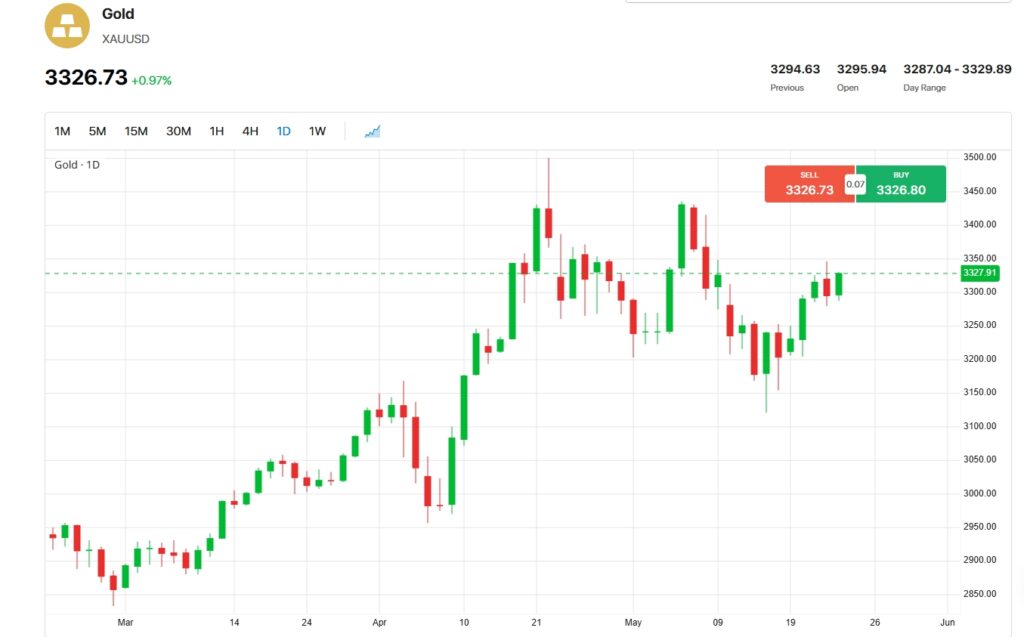
XAUUSD is the trading symbol for Gold against the US Dollar.
- XAU: The chemical symbol for Gold (from the Latin “Aurum”).
- USD: The symbol for the US Dollar. Essentially, when you trade XAUUSD, you are speculating on the price of Gold in relation to the US Dollar. Will Gold’s price rise against the Dollar, or will it fall?
Why is XAUUSD so popular in copy trading?
- Volatility: Gold is known for its price swings, which can mean significant profit opportunities (and, conversely, risks) for traders.
- Safe Haven Asset: Historically, Gold is considered a “safe haven.” During times of economic uncertainty or geopolitical tension, investors often flock to Gold, driving up its price.
- Liquidity: XAUUSD is a highly liquid market, meaning there are always buyers and sellers, allowing for easier entry and exit from trades.
- Accessibility: Many brokers offer XAUUSD trading, making it accessible to a wide range of traders, including those on copy trading platforms.
Decoding XAUUSD Copy Trading: What Does It Entail?
Copy trading XAUUSD is a portfolio management strategy where you, the copier, automatically replicate the XAUUSD trades executed by another trader (the “signal provider” or “master trader”) on a trading platform. When they open a Gold trade, your account opens the same trade. When they close it, yours closes too.
The appeal is clear: you leverage the potential expertise and time commitment of someone who (hopefully) knows the Gold market well, without having to perform the complex analysis or execution yourself. However, this convenience doesn’t absolve you of responsibility, especially when it comes to monitoring.
Why is Vigilant Monitoring of XAUUSD Traders Non-Negotiable?
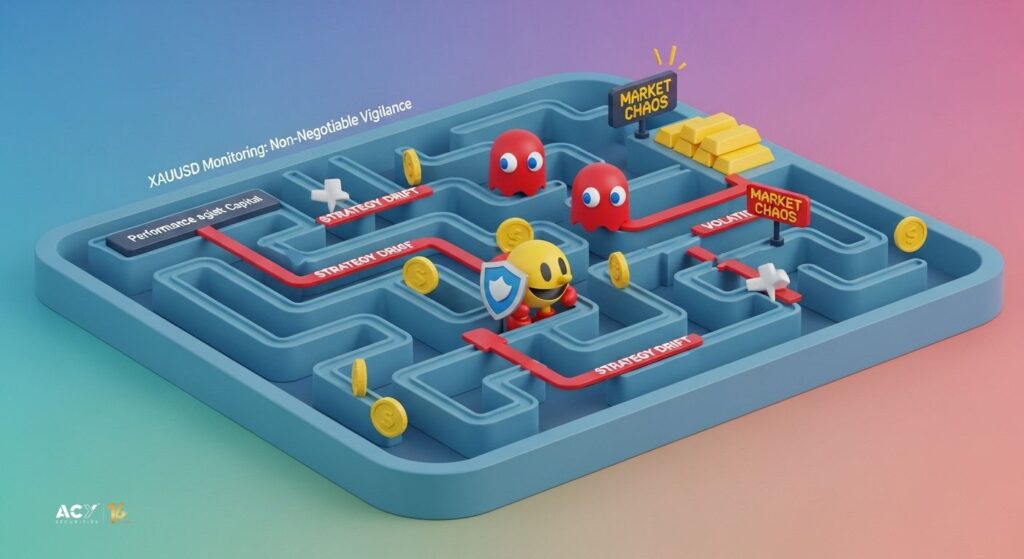
You might think, “I’m copying an expert, why do I need to babysit the account?” This is a common misconception that can lead to disappointment or significant losses. As the TradingCup article “How to Track Copy Trading Performance” implicitly suggests, ongoing tracking is vital. Here’s why:
- No Trader is Infallible: Even seasoned XAUUSD traders have losing streaks or make mistakes. Markets can be unpredictable, and past performance is not a guarantee of future results.
- Strategy Drift: A trader might alter their strategy over time. What was once a conservative approach could become more aggressive, potentially misaligning with your risk tolerance.
- Changing Market Conditions: Gold’s behavior can shift dramatically based on global economic news, inflation data, interest rate expectations, and geopolitical events. A strategy that worked yesterday might not work today. Monitoring helps you see if your chosen trader is adapting.
- Platform Integrity and Trader Honesty: While rare with reputable platforms, issues like misleadingly inflated returns or manipulative practices can occur. Your own due diligence and monitoring act as a line of defense.
- Protecting Your Capital: Ultimately, it’s your money. Monitoring is a core component of risk management, ensuring you’re comfortable with the ongoing performance and risk exposure.
How Monitoring Can Tame (or Trigger) Trading Emotions with Gold
Gold, with its often-dramatic price swings, can evoke strong emotions in traders – fear when prices plummet and greed when they soar. Copy trading aims to reduce this emotional burden by outsourcing decisions. However, your monitoring habits can either support this or undermine it.
As highlighted by TradingCup’s “Don’t Let Emotions Take Over Your Copy Trading Journey,” emotional discipline is paramount.
- Positive Impact of Balanced Monitoring: Regularly checking key performance metrics (which we’ll cover next) provides objective data. This data can help you stay calm during inevitable drawdowns if they are within the trader’s historical norms and your accepted risk. It allows for rational decisions rather than panic reactions.
- Negative Impact of Over-Monitoring: Constantly watching every pip movement in your copied XAUUSD trades can be counterproductive. This hyper-awareness can:
- Magnify FOMO (Fear Of Missing Out): Seeing a trader have a good day might tempt you to overallocate funds.
- Induce Panic: A few losing trades, even if small and part of a sound strategy, might scare you into prematurely stopping the copy or switching traders erratically.
- Lead to Micromanagement: You might be tempted to manually interfere with copied trades, defeating the purpose of copy trading.
- Magnify FOMO (Fear Of Missing Out): Seeing a trader have a good day might tempt you to overallocate funds.
The key is to establish a monitoring schedule and process that keeps you informed without making you an emotional wreck.
What Key Metrics Should You Monitor? Peeking Under the Hood of Trader Performance
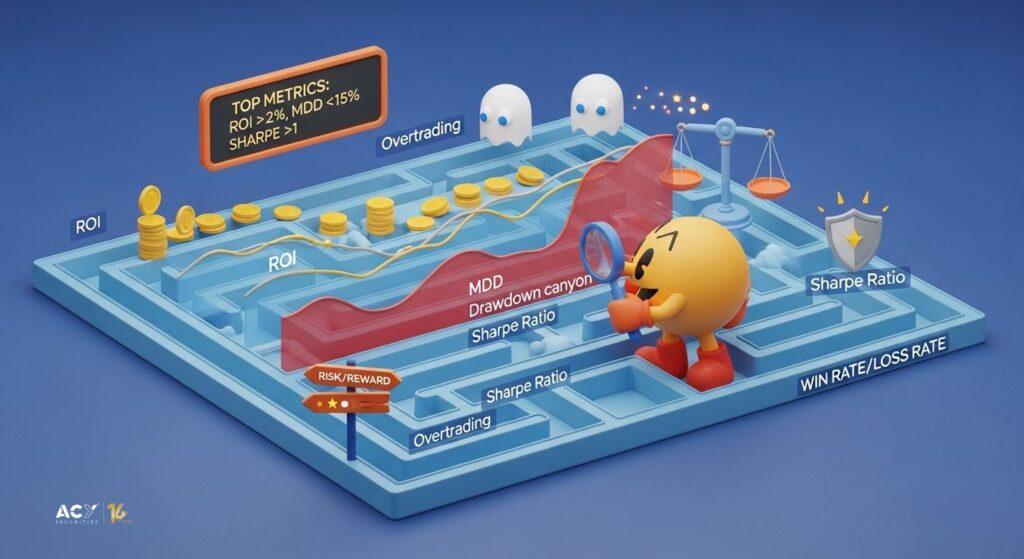
So, you’re ready to monitor, but what should you look for? Going beyond just the “total profit” figure is crucial. TradingCup’s “Who to Copy Trade: How to Read Trader’s Performance” offers a good starting point. Here are essential metrics:
Return on Investment (ROI):
What is ROI in copy trading? As detailed in TradingCup’s “Mastering ROI in Copy Trading,” ROI measures the profitability of the trader relative to the capital they (and by extension, you, if copied proportionally) are using. It’s typically calculated as: ROI=Cost of Investment (or Average Equity)Net Profit×100%
Why it matters: A high ROI is attractive, but always consider it alongside risk metrics. Someone might have a high ROI by taking enormous risks.
Maximum Drawdown (MDD):
What is Maximum Drawdown? TradingCup’s “What is Drawdown in Trading” explains MDD as the largest percentage drop from a peak in the value of the portfolio to a subsequent trough before a new peak is achieved.
Why it matters: This is arguably one of the most critical risk indicators. It shows you the most significant loss the trader has experienced. Ask yourself: “Could I stomach a similar drawdown on my capital?” A low MDD is generally preferred, indicating better risk control.
Sharpe Ratio:
How to use Sharpe Ratio in Copy Trading? According to TradingCup’s “How to Use Sharpe Ratio in Copy Trading,” this ratio measures risk-adjusted return. It’s calculated as: Sharpe Ratio=Standard Deviation of Return(Average Return−Risk-Free Rate)
Why it matters: A higher Sharpe Ratio (typically >1 is good, >2 is very good, >3 is excellent) suggests the trader is generating better returns for each unit of risk taken. It helps compare traders who might have similar ROIs but different risk profiles.
Win Rate & Loss Rate:
Why they matter: While a high win rate seems ideal, it doesn’t tell the whole story. A trader could win 90% of their trades but have the 10% of losers wipe out all gains. Look at it in conjunction with the average win size vs. average loss size (Risk/Reward Ratio).
Average Trade Duration:
Why it matters: Does the trader hold XAUUSD positions for minutes, hours, days, or weeks? This should align with your own expectations and patience. Shorter durations might mean more trades and potentially higher transaction costs.
Trading Frequency:
Why it matters: How many trades do they typically make per day or week? High frequency isn’t always better; it can rack up costs and may indicate overtrading.
Number of Copiers & Assets Under Management (AUM):
Why they matter: A large number of copiers and substantial AUM can be a sign of trust and past success. However, it’s not a standalone reason to copy; always check the performance metrics. Sometimes, traders with huge followings can become complacent or take undue risks.
Consistency of Returns:
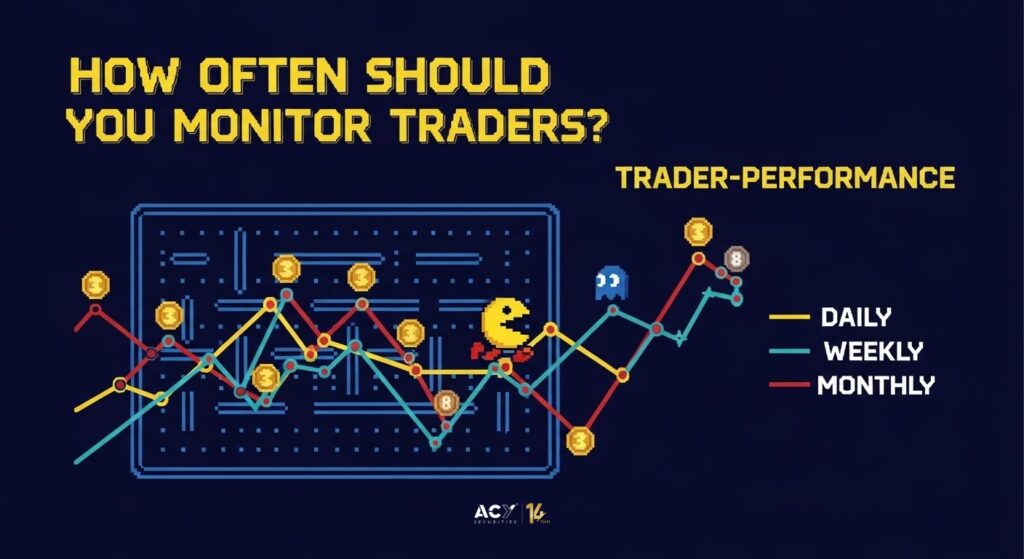
Why it matters: Look at the equity curve and monthly performance. Is it a steady upward climb, or is it highly erratic with huge peaks and valleys? The goal, as TradingCup suggests in “Most Consistent Profitable Traders You Can Copy Trade,” is to find traders who deliver consistent results over time, not just one-hit wonders.
Why There’s No Single “Best” XAUUSD Signal
Many novice copy traders search for the “holy grail” – that one perfect XAUUSD trader or signal that never loses. TradingCup’s “How to Find the Best Forex Signal That Actually Work” rightly points out that such a thing doesn’t exist. Why?
- Market Dynamism: Gold markets are constantly evolving. A strategy that’s “best” today might be average tomorrow.
- Individual Risk Profiles: What’s “best” for a risk-averse investor is different from what’s “best” for someone with a high-risk appetite.
- Trader Psychology: Even the best traders have psychological ebbs and flows.
Instead of seeking the “best,” aim for consistent and suitable. A trader who consistently applies a well-defined XAUUSD strategy with robust risk management, aligning with your financial goals and risk tolerance, is a far better choice than a shooting star who might burn out.
The Buffett Perspective: How Often Would the Oracle of Omaha Monitor His Copy Trades?

While Warren Buffett isn’t known for copy trading XAUUSD, his investment philosophy offers profound wisdom applicable to monitoring. Buffett is a long-term, value investor. He famously said, “Our favorite holding period is forever.” He also quipped, “Only buy something that you’d be perfectly happy to hold if the market shut down for 10 years.”
How does this translate to XAUUSD copy trading monitoring?
- Focus on the Long Game: Buffett wouldn’t obsess over daily or even weekly fluctuations in his investments, provided the underlying fundamentals remained sound. Similarly, in copy trading, if you’ve chosen an XAUUSD trader based on solid long-term metrics and a clear strategy, avoid knee-jerk reactions to short-term noise.
- Due Diligence is Key: Buffett meticulously researches companies before investing. You should meticulously research XAUUSD traders before copying. This upfront work reduces the need for hyper-vigilant monitoring later.
- Understand What You’re Copying: Buffett only invests in businesses he understands. While you don’t need to be a XAUUSD trading expert yourself, you should understand the basic strategy and risk parameters of the trader you’re copying.
- Periodic Reviews, Not Constant Scrutiny: Buffett reviews his holdings periodically to ensure they still meet his criteria. For copy trading, this means scheduled check-ins (e.g., weekly or monthly) to assess if the trader’s performance, risk metrics (especially MDD), and strategy are still aligned with your expectations. He wouldn’t be glued to the screen.
Essentially, a Buffett-inspired approach to monitoring XAUUSD copy traders would involve thorough initial selection, followed by periodic, disciplined reviews of key performance indicators, rather than emotional, minute-by-minute tracking.
10 Lessons from Mark Douglas’s “Trading in the Zone” for XAUUSD Copy Trading Monitoring

Mark Douglas’s “Trading in the Zone” is a bible for trading psychology. Its lessons are incredibly relevant to how you should approach monitoring your XAUUSD copy trades:
- Anything Can Happen: Accept that any single trade (even by a top XAUUSD trader) can be a loser. Don’t let one or two unexpected outcomes derail your monitoring discipline.
- You Don’t Need to Know What’s Going to Happen Next to Make Money: Focus on the trader’s statistical edge over a series of trades, not predicting each one. Monitor their overall performance, not individual trade outcomes.
- There is a Random Distribution Between Wins and Losses: A string of losses doesn’t necessarily mean the XAUUSD trader’s strategy is broken. Check if it’s within their historical drawdown patterns.
- An Edge is Nothing More Than an Indication of a Higher Probability of One Thing Happening Over Another: Trust the probabilistic edge of a consistently performing trader you’ve chosen, but monitor to ensure that edge remains.
- Every Moment in the Market is Unique: Past performance gives clues, but don’t expect exact repetitions. Monitor for significant deviations from established patterns.
- The Market is Neutral: It doesn’t know or care about your copied trades. Emotional reactions to market movements while monitoring are internal; the market isn’t “out to get you.”
- Think in Probabilities: When monitoring, assess if the trader’s performance is still aligning with the probabilities suggested by their historical data (win rate, MDD, Sharpe ratio).
- Objectively Identify Your Edge (or the Trader’s): Your monitoring should confirm if the trader you’re copying continues to demonstrate their documented edge in the XAUUSD market.
- The Market is an Unending Stream of Opportunities: If you decide to stop copying a trader based on your monitoring, don’t feel rushed or panicked to find another immediately. Another opportunity will come.
- Trading (and Monitoring) is a Skill: Effective monitoring, like effective trading, requires learning, discipline, and emotional control.
By internalizing these lessons, your monitoring becomes less about fear and anxiety, and more about objective assessment.
When Should You Switch XAUUSD Traders?
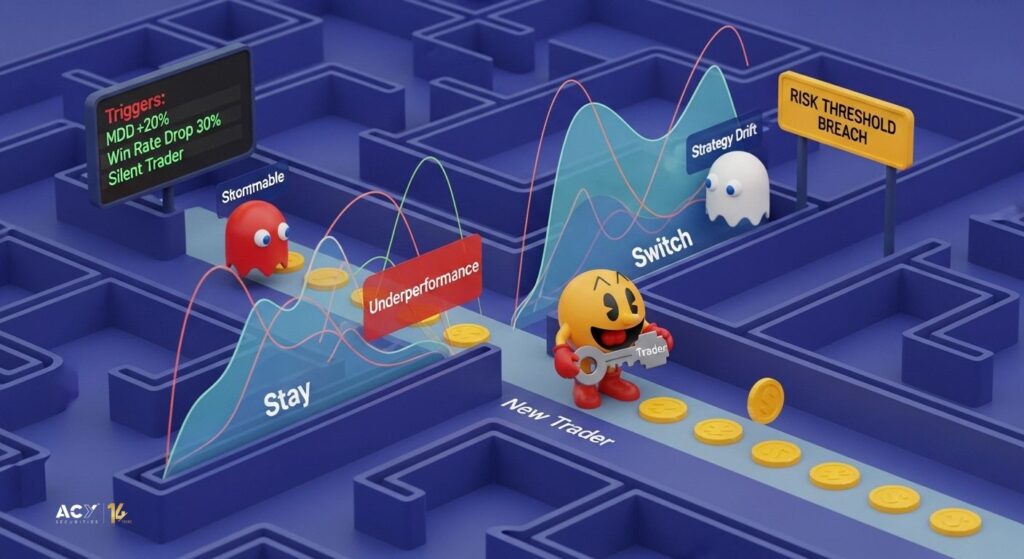
Monitoring isn’t just about watching; it’s about making informed decisions. TradingCup’s “When to Switch Traders in Copy Trading” provides context for this crucial decision. Here are key triggers:
- Consistent Underperformance: Not just a bad week, but a sustained period where the trader is significantly underperforming their own historical metrics or comparable benchmarks, especially if their drawdown exceeds historical highs.
- Strategy Deviation: If you notice the trader is suddenly taking far more risk, trading different patterns than usual, or dramatically increasing trade frequency without explanation, it’s a red flag.
- Breach of Your Personal Risk Limits: If the trader’s drawdown, even if “normal” for them, exceeds what you are comfortable losing, it’s time to reassess.
- Communication Breakdown (if applicable): Some traders provide updates or insights. If a normally communicative trader goes silent during a bad spell, it can be concerning.
- Changes in Your Own Financial Goals: Your investment objectives or risk tolerance might change. The trader might still be good, but no longer a good fit for you.
Why Effective XAUUSD Copy Trading Shouldn’t Be a Thrill Ride
This might sound counterintuitive, especially with an exciting asset like Gold. But TradingCup’s “Why Copy Trading Top XAUUSD Traders is Boring” hits on a profound truth: successful, sustainable copy trading should feel somewhat boring.
Why?
- Predictability: A “boring” XAUUSD trader is often one who delivers consistent, albeit perhaps not spectacular daily, returns with managed risk. Their equity curve is a gentle upslope, not a rollercoaster.
- Discipline Over Drama: They stick to their plan, avoiding impulsive, high-risk trades that create excitement but often lead to ruin.
- Reduced Emotional Toll: A boring trader doesn’t cause you sleepless nights. Your monitoring confirms their steady approach, reducing your anxiety.
If your XAUUSD copy trading experience is a constant adrenaline rush of huge wins and terrifying losses, you might be with the wrong trader or have unrealistic expectations. Aim for “boring” consistency.
Your XAUUSD Copy Trading Monitoring Checklist: Finding the Right Frequency
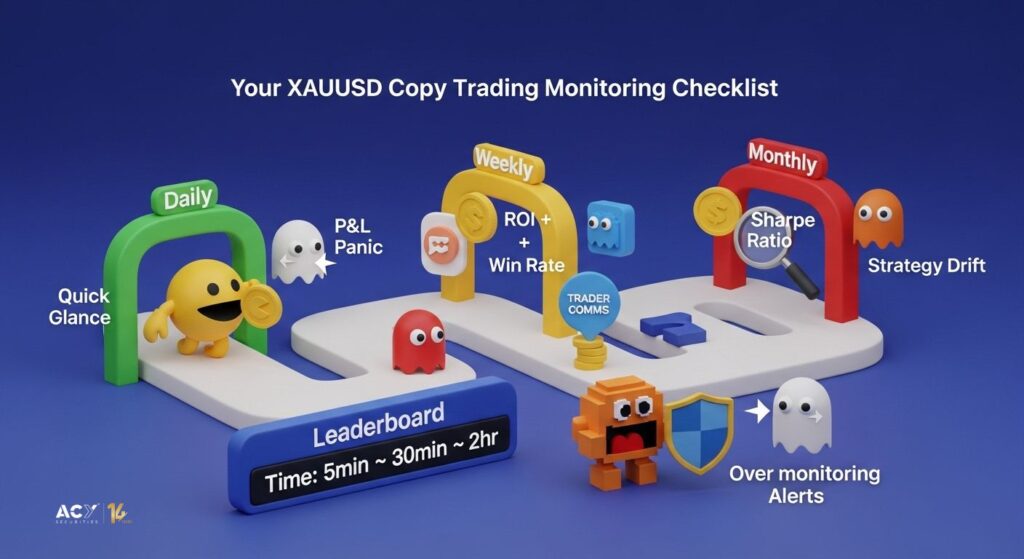
So, how often should you monitor? There’s no one-size-fits-all answer, but here’s a balanced checklist to guide you:
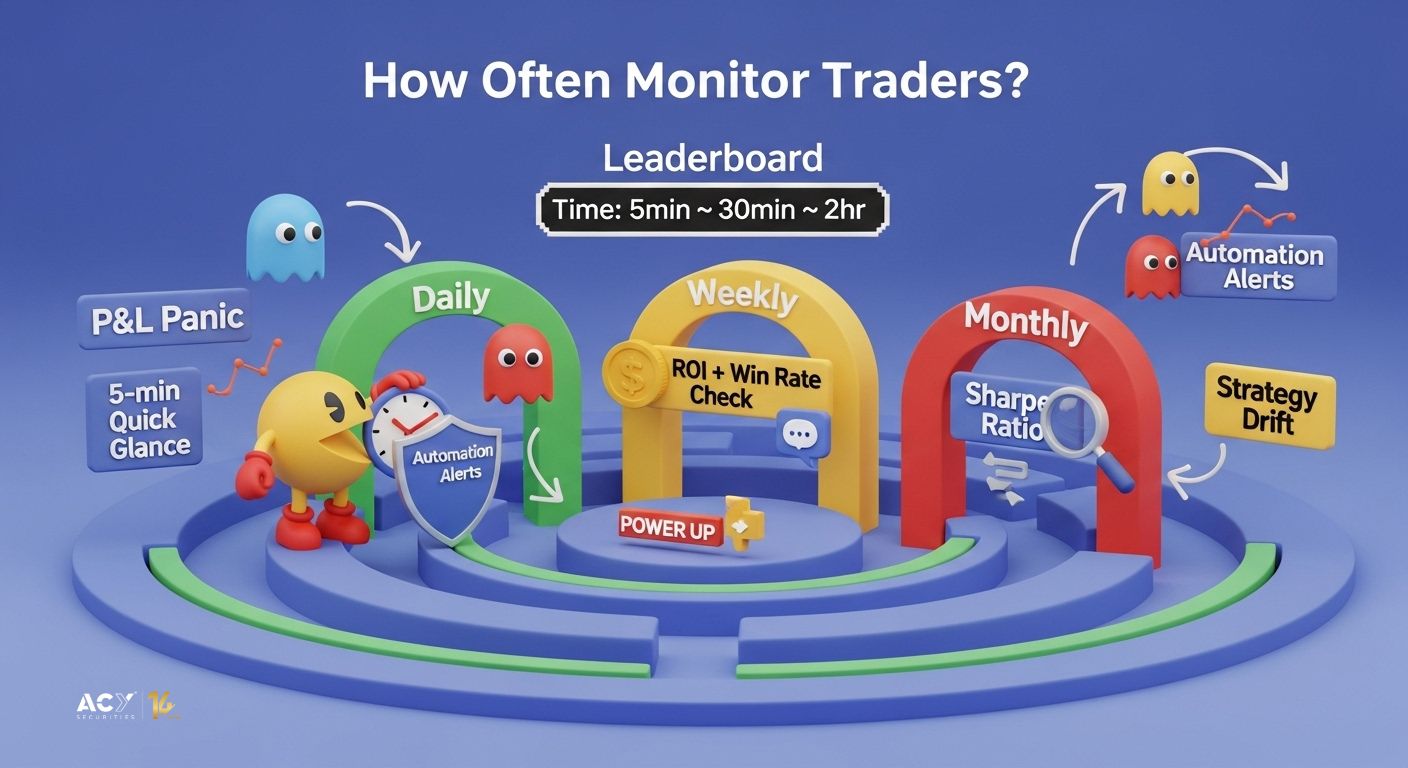
Daily (5-10 minutes):
- Quick Glance at Open Positions: Any unusually large or unexpected XAUUSD trades open?
- Major News Check: Any significant economic news released that could drastically impact Gold and isn’t reflected in the trader’s actions (e.g., holding a massive position against strong contrary news)?
- Not Recommended: Checking P&L every few minutes. This often leads to emotional reactions.
Weekly (30-60 minutes):
- Review Key Metrics:
- ROI for the week.
- Any new significant drawdowns? How does current drawdown compare to MDD?
- Win/Loss ratio for the week.
- Number of trades taken – consistent with their norm?
- ROI for the week.
- Trader’s Equity Curve: Still generally trending as expected?
- Platform Announcements/Trader Communication: Any updates from the platform or the XAUUSD trader?
- Re-evaluate Alignment: Does this trader’s recent weekly performance still align with your risk tolerance and goals for XAUUSD copy trading?
Monthly (1-2 hours):
- Deep Dive into Performance:
- Monthly ROI, and compare to previous months.
- Update Sharpe Ratio calculation if possible.
- Review consistency of returns over the past month.
- Check if the Maximum Drawdown for the month (or rolling period) is within acceptable limits.
- Monthly ROI, and compare to previous months.
- Long-Term Strategy Check: Is the trader still adhering to their stated XAUUSD strategy? Any subtle shifts?
- Compare with Alternatives (Optional): Briefly see if other XAUUSD traders you shortlisted previously are showing more promising consistent results (be careful not to constantly “grass is greener” hop).
- Review Your Overall Portfolio: How is the XAUUSD copy trading portion fitting into your broader investment strategy?
Quarterly:
- Major Review: Similar to monthly, but with a longer-term perspective. Is this XAUUSD copy trading relationship still serving its purpose effectively?
- Revisit Initial Due Diligence: Quickly re-read your initial reasons for choosing this trader. Are they still valid?
When to Increase Monitoring Frequency (Temporarily):
- If the trader is approaching their historical Maximum Drawdown.
- During extreme XAUUSD market volatility.
- If the trader has recently communicated a change in strategy.
- If you have specific concerns based on recent performance.
Key Principle: The goal of your monitoring is to make informed decisions, not to become a screen slave. Automate alerts if your platform allows (e.g., for drawdown levels).
XAUUSD Copy Trading Goal
Effective monitoring in XAUUSD copy trading isn’t just about maximizing profits; it’s fundamentally about smarter protection of your capital. By understanding the risks, avoiding common psychological traps, and diligently applying a structured monitoring approach, you transform copy trading from a gamble into a more calculated investment strategy.
Remember, the power of copy trading lies in leverage – leveraging others’ expertise. But leverage without oversight can be dangerous. Your informed monitoring is the crucial control mechanism.
Ready to take a more disciplined approach to your XAUUSD copy trading? Start by evaluating your current monitoring habits against this guide. Perhaps it’s time to make your Gold trading a little more “boring” and a lot more strategic.
FAQs
Q1: What are the most common mistakes people make when starting XAUUSD copy trading?
A1: Many beginners blindly follow popular XAUUSD traders without deep analysis, often influenced by high short-term profit displays rather than sustainable metrics like risk-adjusted returns or drawdown history. They also frequently neglect personal risk management, such as setting appropriate stop-loss levels for their copied trades or over-allocating capital to a single trader.
Q2: How do psychological biases like FOMO affect XAUUSD copy trading decisions?
A2: Psychological biases like FOMO (Fear Of Missing Out) can significantly impair judgment. When traders see others making large profits on XAUUSD, FOMO can drive them to copy popular traders impulsively, often at market peaks or without considering if the trader’s strategy fits their risk profile. This can lead to chasing returns and ignoring crucial risk management principles.
Q3: Why is relying solely on a trader’s past high returns dangerous in XAUUSD copy trading?
A3: Focusing only on high past returns is dangerous because these returns may not reflect skill but rather luck or unsustainable high-risk strategies. Platforms might highlight short-term gains, which can be misleading if the trader has a history of severe drawdowns or inconsistent performance. A thorough check of long-term consistency, risk-adjusted returns (e.g., Sharpe Ratio), and maximum drawdown is essential.
Q4: How can platform design influence my choices when selecting an XAUUSD trader to copy?
A4: Platform design can heavily influence decisions, sometimes negatively. Features like leaderboards often prioritize popularity or recent high returns, which can encourage “herding behavior” where users copy traders based on visibility rather than vetted performance. Some platforms might use gamified elements that incentivize high trading volumes for leaders, potentially leading them to take manipulative actions to boost rankings, which can mislead copiers.
Q5: What steps can I take to manage risk effectively when copy trading Gold (XAUUSD)?
A5: Effective risk management in XAUUSD copy trading involves several steps:
- Set Stop-Loss Orders: Implement stop-loss orders on your copy trading account to limit potential losses on any single trader.
- Position Sizing: Avoid allocating too much of your capital to one XAUUSD trader. Diversify across multiple traders if possible, each with a limited portion of your portfolio.
- Assess Maximum Drawdown: Choose traders whose historical maximum drawdown aligns with your personal risk tolerance.
- Regularly Review: Continuously monitor performance and adjust your allocations or stop copying traders who consistently underperform or change their risk profile.
- Understand the Risks: Be aware that XAUUSD can be volatile, and even with risk management, losses are possible.
Q6: How can I avoid making emotional decisions when my copied XAUUSD trades are active?
A6: Avoiding emotional decisions involves discipline and strategy:
- Have a Plan: Define your goals and risk limits before you start copying an XAUUSD trader.
- Focus on Long-Term: Don’t get swayed by short-term fluctuations. Evaluate performance over weeks or months.
- Use Data, Not Gut Feel: Base your decisions to continue or stop copying on objective metrics, not fear or greed.
- Limit Monitoring: Avoid watching every trade in real-time. Stick to scheduled check-ins (e.g., daily or weekly). Excessive monitoring can increase anxiety.
- Consider Demo Accounts: Practice emotional control using a demo account before committing significant real capital.
(Disclaimer: This article is for informational and educational purposes only. It should not be considered financial advice. Always conduct your own research and consult with a qualified financial advisor before making any investment decisions.)
For more detailed insights on developing daily trading routines, risk management, and effective position sizing strategies, explore additional articles on Trading Cup. Our trading experts at ACY and FinLogix are also great resources to guide your journey towards trading excellence.

Discover Our Best Trading Signals
At Tradingcup, you can browse through a selection of signals and review past performance before you decide to copy.
Become A Signal Provider
Share your expertise and become a signal provider so other traders can copy your trades.
Stay tuned to our blog for more trader spotlights and leaderboard updates.
Trading involves risks.
Visit the Tradingcup blog through the link below for more updates: https://www.tradingcup.com/learn
Related Copy Trading blogs:
- Understanding Market Liquidations: Liquidity Sweeps and Runs Explained
- 7 Essential Daily Habits of Successful Traders to Outperform Their Peers
- 10 Strategies You Can Copy off Our Best Copy Traders
- 5 Strategies Every Trader Can Master To Trade Better In A Trading Contest
- 2025 Copy Trading Scams Exposed: How to Spot Fraud
- A Swing Trading Strategy with an 83 Percent Win Rate and Low Drawdowns
- Forex Martingale Strategies Explained, The Good, The Bad and The Ugly
- Pyramiding Trading Tutorial – Pros & Cons & How to Use It