Last Updated: June 24, 2025
This article is reviewed annually to reflect the latest market regulations and trends.
Disclaimer: The information in this article is for educational purposes only and does not constitute financial, investment, or trading advice. Copy trading carries substantial risks, including the potential loss of your entire invested capital. Past performance of copied traders or strategies is not a reliable indicator of future results. You may be replicating high-risk trades, overleveraged positions, or strategies incompatible with your financial goals. Always conduct independent research into a trader’s historical performance, risk metrics, and strategy before copying them. Never invest funds you cannot afford to lose. Consult a licensed financial advisor to ensure copy trading aligns with your risk tolerance, financial objectives, and regulatory requirements in your jurisdiction. This article does not endorse specific traders, platforms, or strategies, and all trading decisions remain your sole responsibility.
TL; DR:
- When war and strife make markets sway, smart copy trading can light the way.
- Ignore the gains that seem too high; it’s low-risk strategy you should buy.
- Check Maximum Drawdown, that’s the score, to keep your capital safe and secure.
- A steady pro with a disciplined hand, is the wisest choice in a volatile land.
- With Buffett’s rules and a wizard’s view, you’ll trade forex with a plan anew.
“Don’t focus on making money; focus on protecting what you have.”
– Paul Tudor Jones, as quoted in Market Wizards
War, Volatility, and Your Wallet: Who Should You Really Copy Trade Right Now?
Are You Trading on Hope or a Strategy?
You have a career, a family, a life that demands your attention from the moment you wake up. You work hard, save diligently, and want your money to work just as hard for you. You hear the whispers of wealth being created in the financial markets, but the path seems shrouded in complexity. You’ve glanced at stock charts that look like cryptic electrocardiograms and read market analysis that might as well be written in another language. There simply isn’t enough time in the day to become the expert you feel you need to be.
Then, you discover the world of forex, the largest, most liquid market on the planet. The potential is intoxicating. But so is the difficulty. The speed, the leverage, the sheer volume of information are overwhelming. Just as you’re about to give up, you find it: a solution that seems almost too good to be true. Copy trading.
The pitch is seductive: find a professional trader with a proven track record and simply… copy them. Every trade they make is automatically replicated in your account. It’s the expertise you lack, the time you don’t have, all bundled into a single button click.
But then, the world shifts. Headlines scream of new conflicts, of missiles and retaliatory strikes. The markets, already a turbulent sea, are whipped into a frenzy by geopolitical storms. The very idea of investing now feels fraught with peril. The appeal of outsourcing these terrifying decisions to an “expert” becomes stronger than ever. The cognitive load of managing your finances during a crisis is immense, and the promise of a simple solution is a powerful psychological lure.
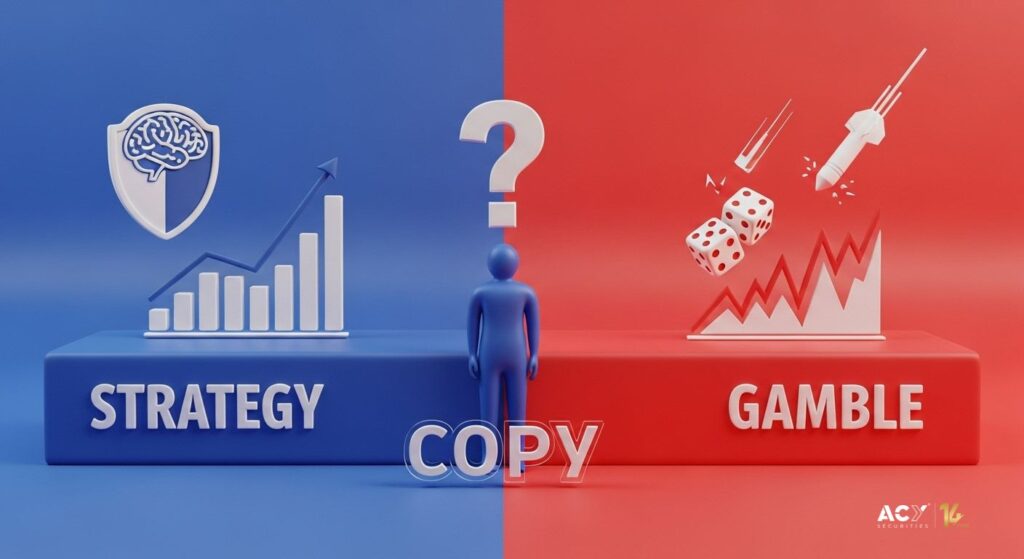
This brings you to the critical question, the one that stands between a smart financial decision and a potential disaster: You want to try it, but who should you copy trade when there is war?
This guide is your answer. It’s not about finding a magic formula. It’s about building a framework for making intelligent, risk-aware decisions in the most challenging of market environments. It’s about learning to separate the disciplined professionals from the reckless gamblers, protecting your capital, and turning volatility from a threat into a calculated opportunity.
First, What Exactly is Forex Copy Trading?
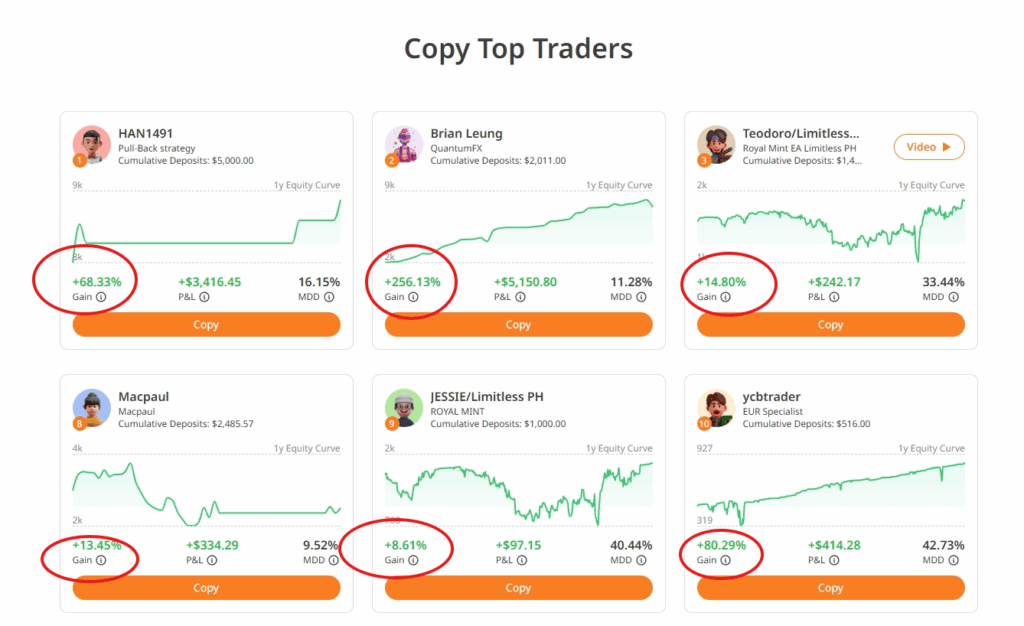
Before we dive into the complexities of wartime strategy, let’s establish a clear foundation. What is this tool that promises so much?
At its core, forex copy trading is a form of portfolio management where you, the “copier,” link a portion of your funds to the account of another, more experienced trader, often called a “signal provider” or “lead trader”. When they execute a trade, buying or selling a currency pair, the exact same trade is automatically executed in your account in real-time, proportional to the amount you’ve allocated.
The process to get started is generally straightforward across most platforms :
- Register and Fund an Account: You open a live trading account with a brokerage that offers copy trading services.
- Choose a Trader: You browse a leaderboard of signal providers, which displays their performance statistics like gain, risk level, and trading history.
- Allocate Funds: You decide how much of your capital you want to dedicate to copying that specific trader.
- Set Parameters and Copy: You configure your risk settings (if available) and activate the copy function. From that point on, their trades are mirrored in your account until you decide to stop.
The benefits, especially for beginners, are clear and compelling :
- Access to Expertise: You can leverage the skills and knowledge of traders who may have years of experience and dedicate their entire day to market analysis.
- Time-Saving Automation: It removes the need to constantly monitor charts and execute trades manually, which is ideal for those with busy schedules.
- Educational Opportunity: By observing a professional’s trades, you can gain insights into their strategies, risk management, and decision-making processes.
- Diversification: It allows you to easily diversify across different strategies and markets you might not otherwise have access to.
However, it’s crucial to reframe your role. While platforms often market copy trading as a passive, “set-it-and-forget-it” activity, successful copy trading is anything but. You are not merely a passive follower; you are an active investor whose most important job is selecting your fund manager (the trader), continuously monitoring their performance, and managing your own capital allocation and risk. The “ease” of copy trading lies in the automated execution of trades, not in the critical due diligence required for success. If you’re new to the concept, you can get a detailed walkthrough on how to start copy trading forex from scratch.
Why Does Geopolitical Fire Fuel the Forex Market?
To understand how to trade during a war, you must first understand why war moves the currency markets so dramatically. Unlike stock markets, which are tied to the fortunes of individual companies, the forex market is a massive, interconnected web of national economies. Geopolitical events are like seismic shocks that ripple through this web, causing significant and often violent currency fluctuations.
The recent (fictionalized) conflict between Iran and Israel, with US involvement, provides a perfect case study based on market analysis. When news of military strikes breaks, several key mechanisms are triggered:
The Flight to Safety
In times of profound uncertainty, investors and institutions don’t wait for clarity. They act to protect their capital. This triggers a “flight to safety,” where money is rapidly moved out of currencies perceived as risky and into those considered “safe havens.” Historically, the primary safe-haven currencies are:
- The US Dollar (USD): As the world’s reserve currency, the USD is the ultimate destination for capital during global crises.
- The Japanese Yen (JPY): Japan’s status as the world’s largest creditor nation often leads to capital repatriation during turmoil, strengthening the yen.
- The Swiss Franc (CHF): Switzerland’s long history of political neutrality and financial stability makes its currency a preferred safe haven.
Commodity Price Shocks and Contagion
Conflicts in resource-rich regions, particularly the Middle East, have an immediate and direct impact on commodity prices. The threat of Iran closing the Strait of Hormuz, a chokepoint for nearly 20% of the world’s oil supply, can send crude oil prices soaring.
This has a ripple effect on currencies:
- Commodity Currencies Weaken: The currencies of oil-importing nations (like the Euro and Japanese Yen) tend to weaken as their energy costs spike.
- Exporter Currencies Fluctuate: The currencies of oil-exporting nations (like the Canadian Dollar or Norwegian Krone) can experience extreme volatility.
- Economic Disruption: The currencies of the nations directly involved in the conflict typically plunge due to fears of economic devastation, sanctions, and political instability.
The Market’s Real Fear: Uncertainty
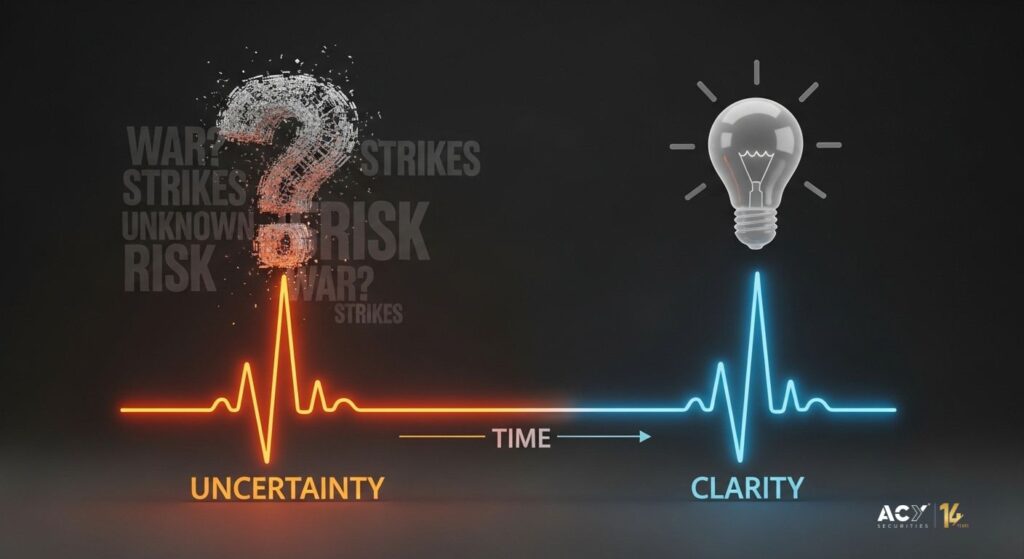
Here is the most crucial lesson: markets do not react to bad news as much as they react to uncertainty. An initial missile strike creates maximum uncertainty, as traders price in the worst-case scenario of a full-blown, region-wide war. This is when oil prices spike and the flight to safety is most intense.
However, when the situation clarifies, even if the news is still “bad”, the market often stabilizes. For example, when Iran’s retaliation was described as “measured” or a ceasefire was announced, the “war premium” built into oil prices quickly evaporated, and prices fell back towards pre-conflict levels. A trader who understands this dynamic is far better equipped than one who simply reacts to scary headlines. They know that the initial panic is often an overreaction and that stability returns once the scope of the conflict becomes more predictable.
Can’t Read Charts? Why Copy Trading Could Be Your Answer
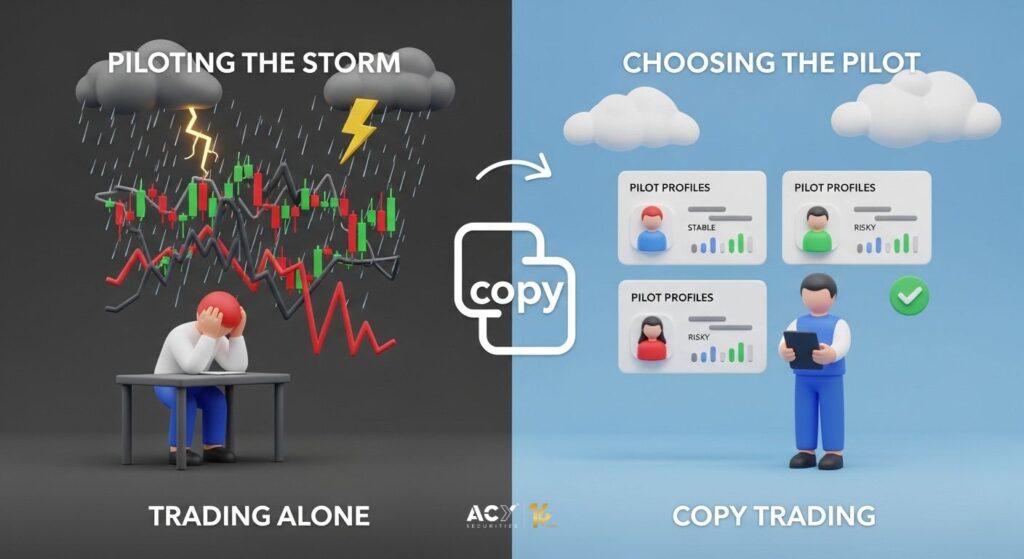
This brings us back to the central dilemma. The forex market, fueled by geopolitical fire, offers immense opportunity but demands constant vigilance and deep analytical skill. You see the volatility, you understand the drivers, but you don’t have the time or the training to sit and analyze charts for hours, waiting for the perfect entry or exit point.
This is precisely where copy trading presents its most powerful value proposition. It is a strategic delegation of execution. You are not abdicating your responsibility as an investor; you are leveraging the resources of a professional who has dedicated their career to navigating these treacherous waters. Your job shifts from being the pilot trying to fly through the storm to being the flight director who chooses the most skilled, reliable, and risk-averse pilot for the mission.
The question then becomes: how do you vet your pilots?
Who Do You Copy When Markets Are at War?
When you open a copy trading platform, you are typically greeted by a leaderboard dominated by traders with astronomical percentage gains. It’s tempting to simply sort by “highest return” and pick the winner. In a volatile, war-torn market, this is one of the most dangerous mistakes you can make.
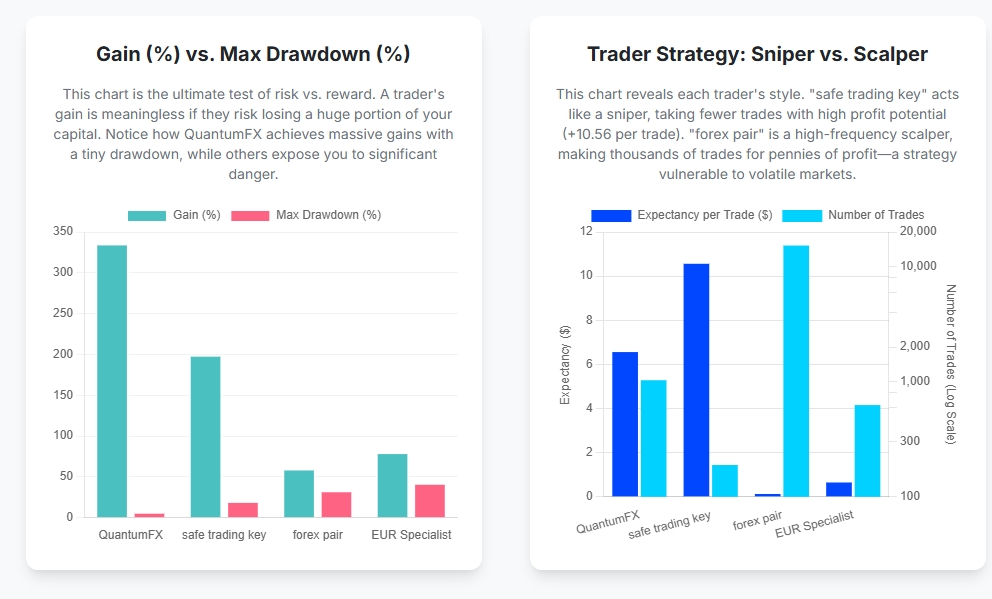
True evaluation requires looking beyond the headline number and scrutinizing the risk taken to achieve it. Based on a comparative analysis of four distinct trader profiles, a clear picture emerges of who to trust and who to avoid when capital preservation is paramount.
Trader Performance Under Pressure
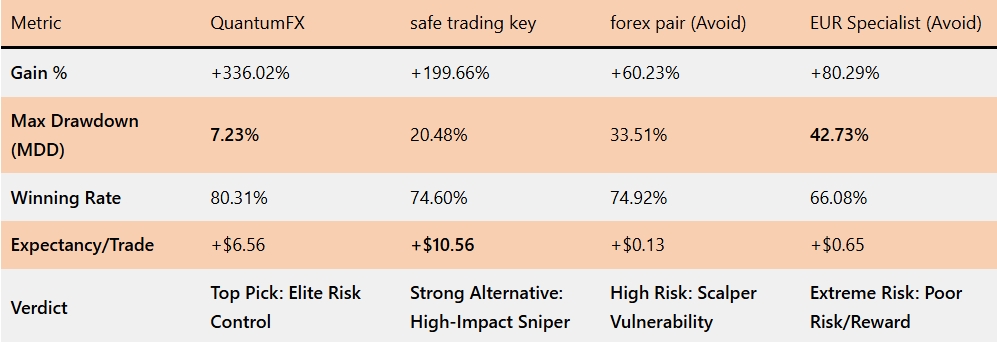
The Analysis: Deconstructing the Numbers
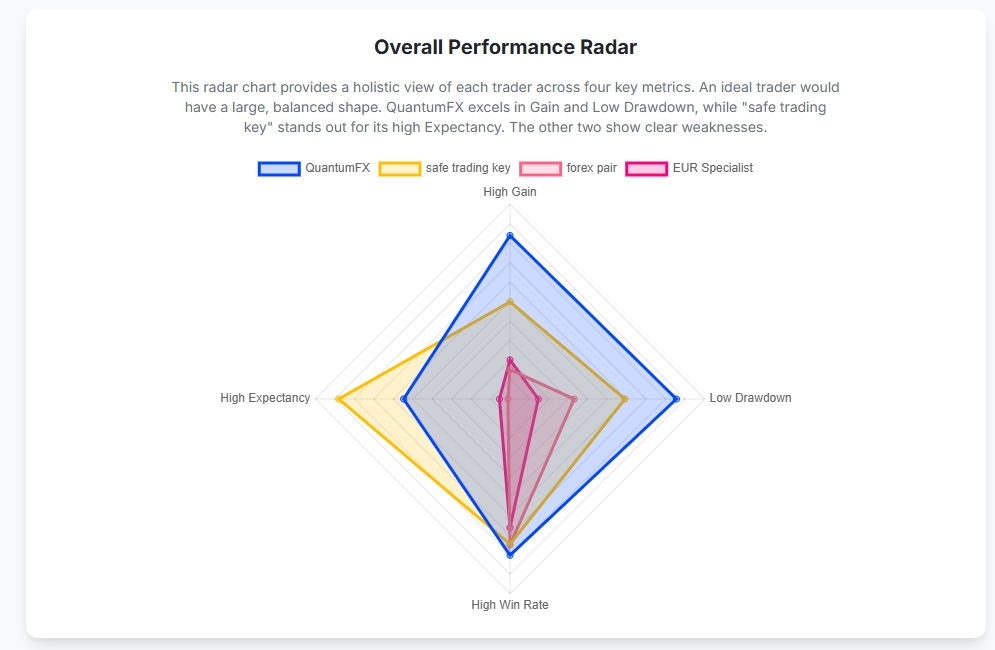
Let’s break down what these metrics tell us about each trader’s suitability for a volatile environment.
Top Recommendation: QuantumFX – The Low-Drawdown Powerhouse
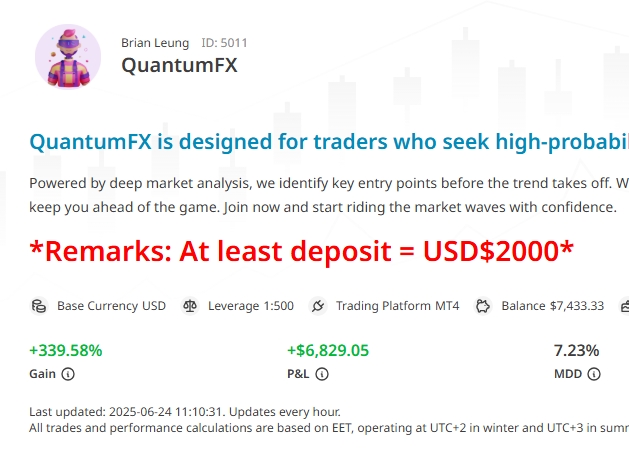
At first glance, the +336.02% gain is what catches the eye. But the most critical number on this entire table is QuantumFX’s Maximum Drawdown (MDD) of only 7.23%.
Maximum Drawdown is the single most important metric for assessing risk. It measures the largest peak-to-trough drop an account has experienced, representing the biggest loss from a high point. A low MDD signifies that the trader is a master of risk management. It suggests they use tight stop-losses, hedge effectively, or are incredibly precise with their trades. During a war, when markets can swing violently on a single headline, this is the single most desirable quality. This trader has proven they can generate exceptional returns without exposing your capital to significant danger. This is the profile of a professional who prioritizes capital preservation above all else.
Strong Alternative: safe trading key – The High-Expectancy Sniper
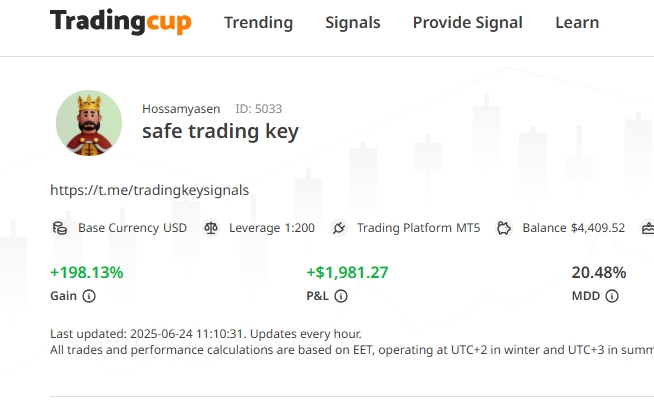
This trader presents a different but equally valid approach. While their MDD of 20.48% is higher, it is still within a moderate and respectable range. What stands out is the Expectancy of +$10.56 per trade, the highest of the group. This metric calculates the average profit or loss per trade. A high expectancy, achieved over a relatively small number of trades (189), suggests a “sniper” strategy. This trader doesn’t shoot at everything that moves. They wait patiently for very high-probability, high-reward opportunities to appear, the exact kind of large market swings that geopolitical events can trigger. This selective approach means they are not constantly exposed to market noise and risk, making them a compelling, albeit slightly more aggressive, alternative.
To Avoid: forex pair – The High-Frequency Scalper
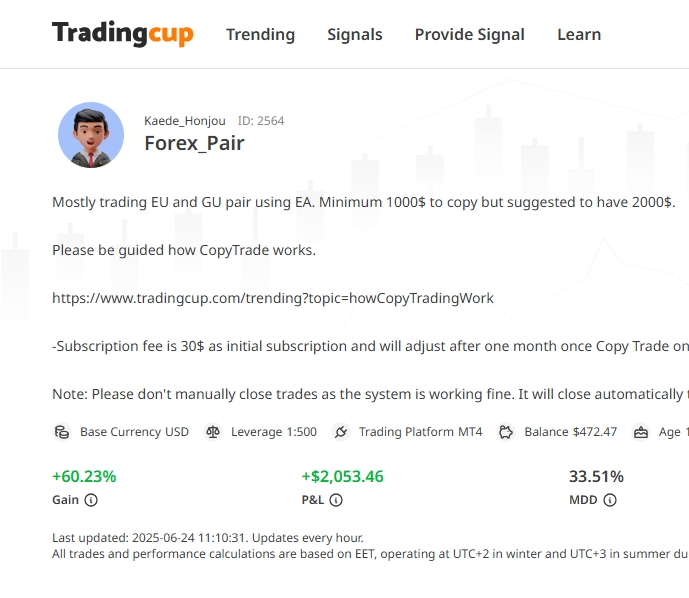
The staggering 15,246 trades immediately identifies this trader as a high-frequency scalper. Their strategy relies on making thousands of tiny profits (an expectancy of just +$0.13 per trade) to accumulate gains. While they have been profitable, this strategy is exceptionally vulnerable during a crisis. News-driven volatility can cause spreads (the difference between the buy and sell price) to widen dramatically and slippage (when your trade executes at a different price than intended) to increase. These factors can instantly turn a tiny expected profit into a loss. The significant MDD of 33.51% confirms that this strategy is susceptible to large drawdowns, making it a dangerous choice in the current climate.
To Avoid: EUR Specialist – The High-Risk Underperformer
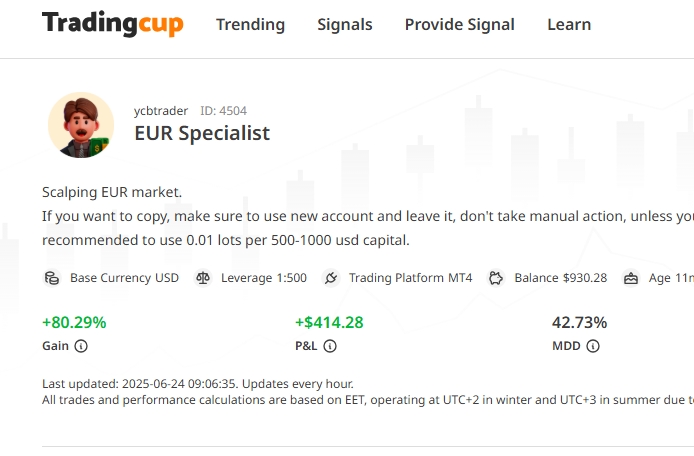
This trader represents the worst of both worlds. They have the highest Maximum Drawdown of the group at a staggering 42.73%, while their gain is modest compared to the top performers. A 42.73% MDD means that at some point, anyone copying this trader saw nearly half of their allocated capital wiped out from a peak. Taking on this level of risk for a mediocre return is a fundamentally poor investment proposition. In a volatile market, a strategy this vulnerable is a recipe for disaster.
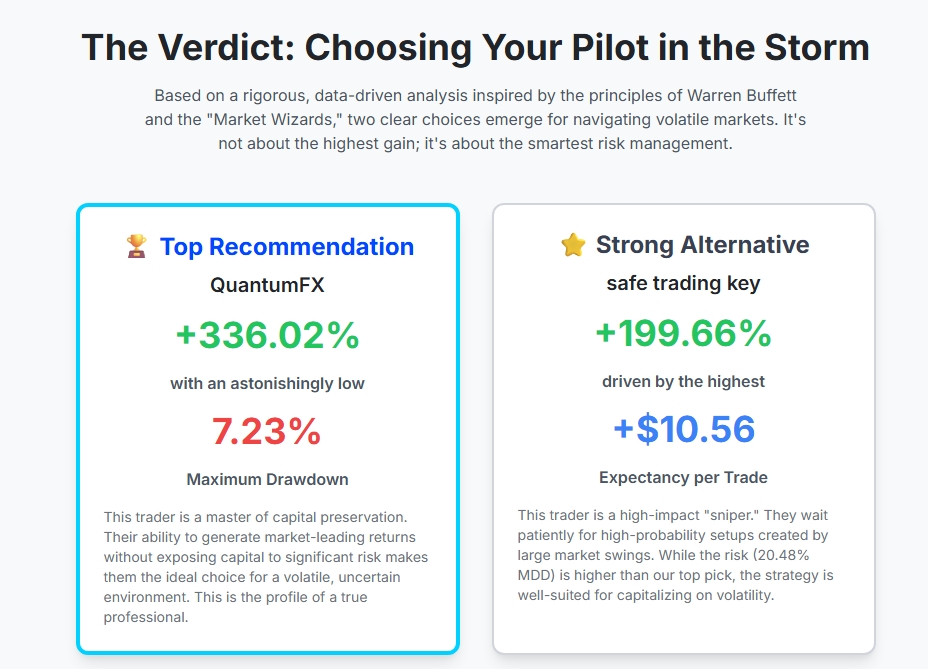
The data reveals two distinct, viable philosophies for navigating turmoil: Elite Capital Preservation (QuantumFX) and Opportunistic High-Impact Strikes (safe trading key). The other strategies are exposed as having fundamentally flawed risk-to-reward profiles for this specific market condition.
Beyond Currencies: Should You Copy Trade Gold (XAUUSD)?
During times of conflict, investors instinctively flock to gold (XAUUSD), the ultimate historical safe haven. It’s natural to think that copying a gold trader is a wise move. While this can be a valid strategy, it’s crucial to understand a key distinction: gold may be a safe-haven asset, but trading gold is not inherently safe.
Markets driven by fear and euphoria, like a gold rally during a war, are notoriously difficult to trade. The psychological pull is immense. As one analysis notes, you should “never sell a bullish rally,” but it’s also true that “if you missed the rally, let it go”. Chasing a parabolic move high up is a classic mistake.
Therefore, the same principle applies: the quality of the trader is more important than the asset. If you choose to copy a gold trader, they must exhibit the same discipline and risk management as our top-rated forex traders.
How Do You Separate the Pros from the Gamblers? Using the Sharpe Ratio
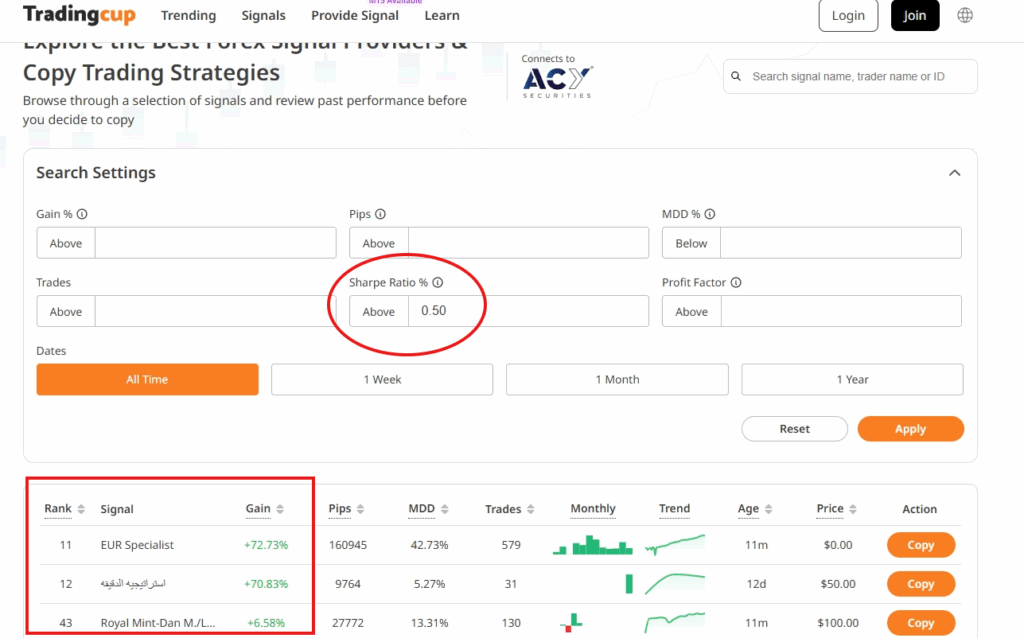
As you get more sophisticated in your analysis, you can move beyond simple gain and drawdown metrics. The Sharpe Ratio is a tool used by professional investors to get a clearer picture of performance.
In simple terms, the Sharpe Ratio measures the return of an investment compared to its risk. It tells you how much excess return you’re getting for the extra volatility you endure. A higher Sharpe Ratio indicates a better risk-adjusted return. Generally, a ratio greater than 1 is considered good, and a ratio over 2 or 3 is exceptional.
When comparing two traders, one might have a higher overall gain, but if they took on massive risk to get it, their Sharpe Ratio might be lower than a trader with more modest gains but much smoother, less volatile performance. Using this metric helps you make a true “apples-to-apples” comparison and find traders who are efficient with their risk-taking. Mastering this metric can significantly improve your selection process.
The Buffett Test: How Would the World’s Greatest Investor View Copy Trading?
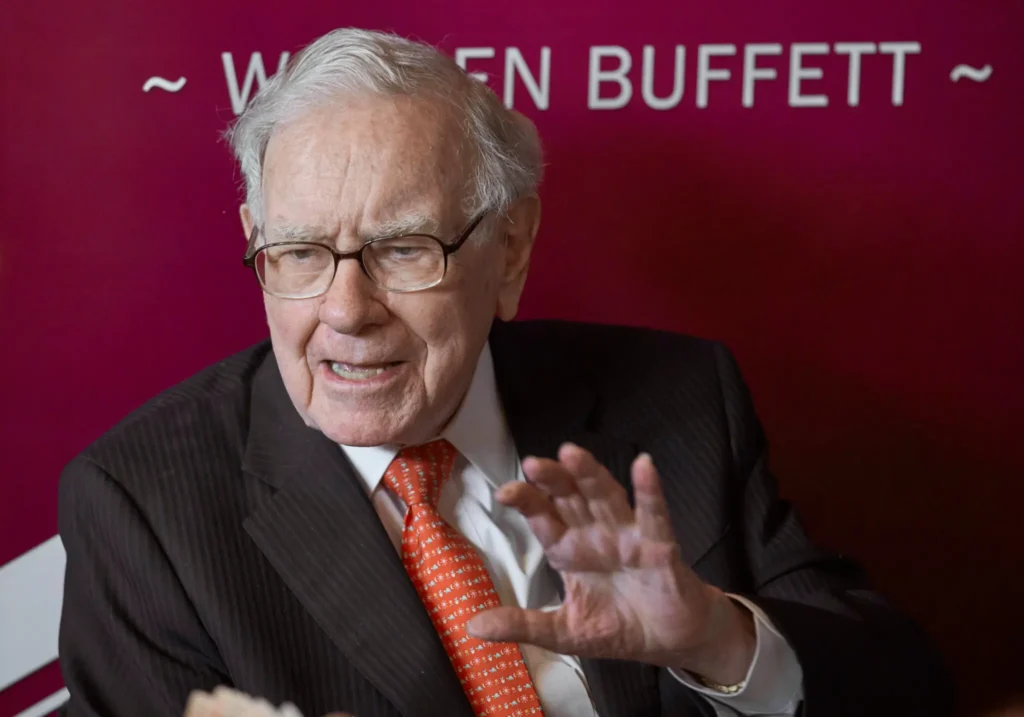
Warren Buffett, the legendary “Oracle of Omaha,” has built a multi-billion dollar fortune on a foundation of discipline, patience, and rigorous risk management. While he invests in businesses, not forex, his timeless principles provide the ultimate filter for making any investment decision, including who to copy trade.
Part 1: The Inherent Skepticism
Let’s be clear: Buffett would likely be deeply skeptical of copy trading in its raw form. It seems to violate several of his core tenets. His famous advice, “Risk comes from not knowing what you’re doing,” is the primary hurdle. When you copy a trader, you are inherently trusting a “black box” strategy you don’t fully understand. You are betting on a person, not a business whose fundamentals you can analyze yourself. This aligns with the valid critiques found on forums like Reddit, where users warn that you are acting on incomplete information without a true understanding of the underlying strategy.
Part 2: The Pragmatic Test
However, let’s engage in a thought experiment. If Buffett had to choose a trader to copy during a volatile period, what criteria would he use? By applying his philosophy, we can build a powerful framework for selection.
Rule #1: “Never Lose Money. Rule #2: Never Forget Rule #1.”
This is Buffett’s most famous rule. He doesn’t mean that investments will never go down in value. He means you must do everything possible to avoid the permanent loss of capital. In the world of trading, the metric that most directly reflects the risk of permanent capital loss is
Maximum Drawdown (MDD).
This single principle forces a complete paradigm shift. Most beginners are drawn to the highest percentage gain. A Buffett-inspired analysis would filter by MDD first. He would immediately discard traders like “EUR Specialist” (42.73% MDD) and “forex pair” (33.51% MDD) as unacceptably risky, regardless of their gains. He would be drawn to QuantumFX’s 7.23% MDD, recognizing it as a sign of a manager who is obsessed with capital preservation.
The Margin of Safety and Economic Moats
Buffett seeks to buy wonderful businesses at a fair price, creating a “margin of safety”. In copy trading, the “business” is the trader’s strategy. A “wonderful business” is a strategy that is robust, consistent, and has a durable competitive advantage (an “economic moat”).
- QuantumFX’s strategy, with its high win rate and low drawdown, looks like a high-quality business with a strong defensive moat.
- “forex pair’s” high-frequency scalping strategy, with its tiny profit margin per trade, looks like a low-quality business with no moat, highly susceptible to changing market conditions (like widening spreads).
“Be Fearful When Others Are Greedy, and Greedy When Others Are Fearful.”
Buffett views market downturns and volatility not as threats, but as opportunities to buy great assets at a discount. A trader you copy should reflect this mindset. They shouldn’t be panicking during volatility. Their system should be designed to either defend against the chaos (like QuantumFX) or selectively capitalize on the outsized opportunities it creates (like “safe trading key”). A trader whose equity curve plummets during every period of fear is one to avoid.
Applying the Buffett test leads to an inescapable conclusion: the flashy metrics that attract novices are the least important. The boring, defensive metrics, like Maximum Drawdown, are what truly matter for long-term survival and success.
The Schwager Syllabus: 10 Lessons from “Market Wizards” for Smarter Copy Trading
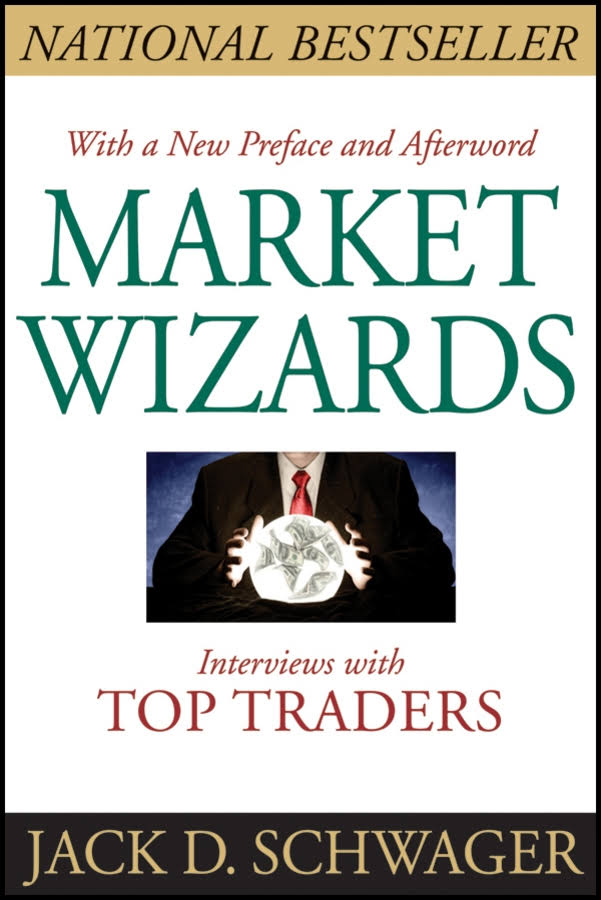
If Buffett provides the philosophy for risk management, Jack Schwager’s classic book, Market Wizards, provides the tactical and psychological syllabus. The book interviews dozens of the world’s greatest traders, and their collective wisdom can be reverse-engineered into a powerful checklist for evaluating the person you are about to trust with your capital.
When you copy a trader, you are renting their discipline, their patience, and their mindset. Here are 10 lessons from the masters to help you choose wisely.
1. Risk Management is Non-Negotiable
Every single wizard, without exception, emphasizes risk control. Paul Tudor Jones said, “Don’t focus on making money; focus on protecting what you have”. When you look at a trader’s profile, is risk management an afterthought, or is it the core of their strategy? The MDD is your clearest window into this.
2. “Cut Losses, Cut Losses, and Cut Losses”
This famous quote from Ed Seykota is the trader’s creed. Does the trader’s history show them taking small, manageable losses, or do they let losing trades run in the hope they’ll turn around, leading to catastrophic drawdowns? A trader with a slightly lower win rate but very small average losses is often superior to one with a high win rate but a few devastating losses.
3. Find a Style That Fits Your Personality
The wizards had wildly different styles, from long-term trend followers to short-term discretionary traders. There is no single right way. Ask yourself: are you more comfortable with the slow-and-steady capital preservation of QuantumFX, or the patient, high-impact approach of “safe trading key”? Copying a strategy that makes you anxious is a recipe for bailing at the worst possible time.
4. Discipline is the Bridge to Success
You are paying to borrow a trader’s discipline. Their equity curve is a visual representation of that discipline. Is it a relatively smooth, upward-sloping line, or is it an erratic, emotional rollercoaster? Consistency is more important than brilliance.
5. Adapt or Die
Markets change. A strategy that worked last year might not work this year. Look for traders who have a long track record of profitability across different market environments (bull, bear, and sideways). This shows their strategy is robust and adaptable.
6. Patience is a Profitable Virtue
The best traders wait for the “A+” setups. They are not in a rush to trade. A trader like “forex pair” with over 15,000 trades might be a sign of over-trading or a system that requires constant action, which can be risky. A trader with fewer, more deliberate trades is often displaying professional patience.
7. Mindset Drives Performance
You cannot interview the trader, but you can see the results of their mindset in their stats. A low drawdown, a smooth equity curve, and a consistent track record are all hallmarks of a trader with a professional, detached, and resilient mindset.
8. It’s Okay to Be Wrong (and Get Out Fast)
Many of the wizards admitted they were wrong on trades as often as they were right. Their success came from the fact that their winning trades were much larger than their losing trades. Don’t be seduced by a 90% win rate. Scrutinize the size of the losses on the 10% of trades that fail.
9. Do Your Own Homework
As Michael Marcus warned, “More money is lost listening to brokers than any other way. Trading requires an intense personal involvement”. Don’t just copy the most popular trader on the leaderboard. Use the tools and frameworks in this guide to conduct your own analysis.
10. You Must Control Your Emotions
The trader’s job is to trade without emotion. Your job is to select and monitor them without emotion. Don’t get greedy after a winning streak and increase your allocation recklessly. Don’t panic and stop copying after a small, expected drawdown. Stick to your plan.
Warning Signs: Are You Making These Critical Copy Trading Mistakes?
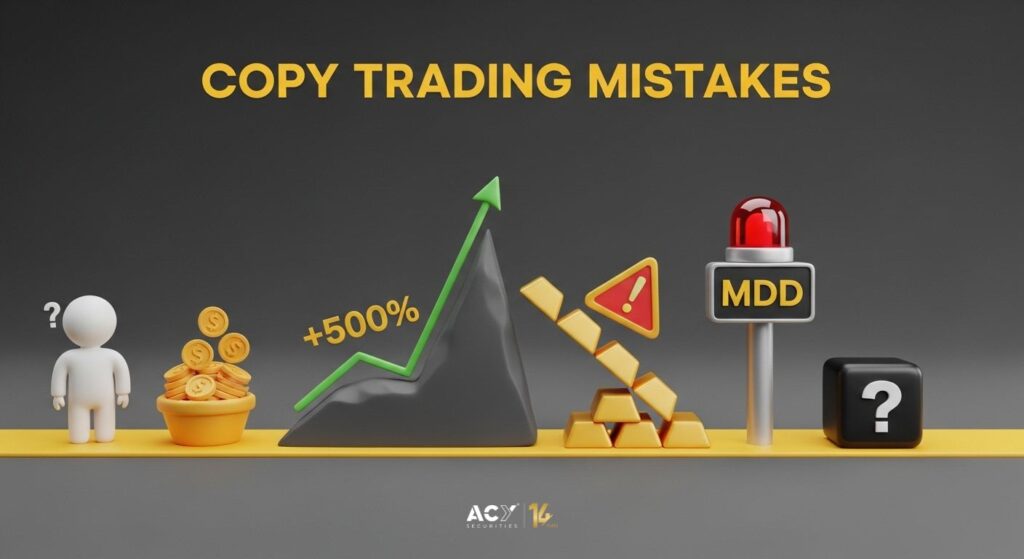
Even with the best analytical framework, it’s easy to fall into common traps, especially when emotions are running high. To build trust and provide a balanced view, it’s essential to acknowledge the valid risks and criticisms often raised about copy trading.
Avoid these critical mistakes:
- Chasing Past Performance: This is the most common error. You see a +500% gain and jump in, only to join at the peak right before a major drawdown. Remember: past performance is not indicative of future results. Risk metrics are far better predictors of future stability.
- Ignoring Maximum Drawdown: As we’ve established, this is the cardinal sin. A high MDD is a flashing red light that the trader’s strategy contains the seeds of its own destruction.
- Blindly Trusting a “Black Box”: While you don’t need to know every detail, you should understand the trader’s basic style. Are they a scalper, a swing trader, a trend follower? Knowing this helps you understand if their strategy is appropriate for the current market.
- Over-Allocating Your Capital: Never put more money into a copy trading account than you are prepared to lose, especially when starting out. Diversify across different low-risk traders if the platform allows, or start with a very small portion of your investment capital.
- Forgetting About Fees and Slippage: Your results will never perfectly mirror the trader’s. Subscription fees, performance fees, and small differences in trade execution (slippage) will create a slight drag on your performance. Factor this in when evaluating potential returns.
These errors are especially costly when trading volatile assets like gold.
A Step-by-Step Guide to Copy Trading in War
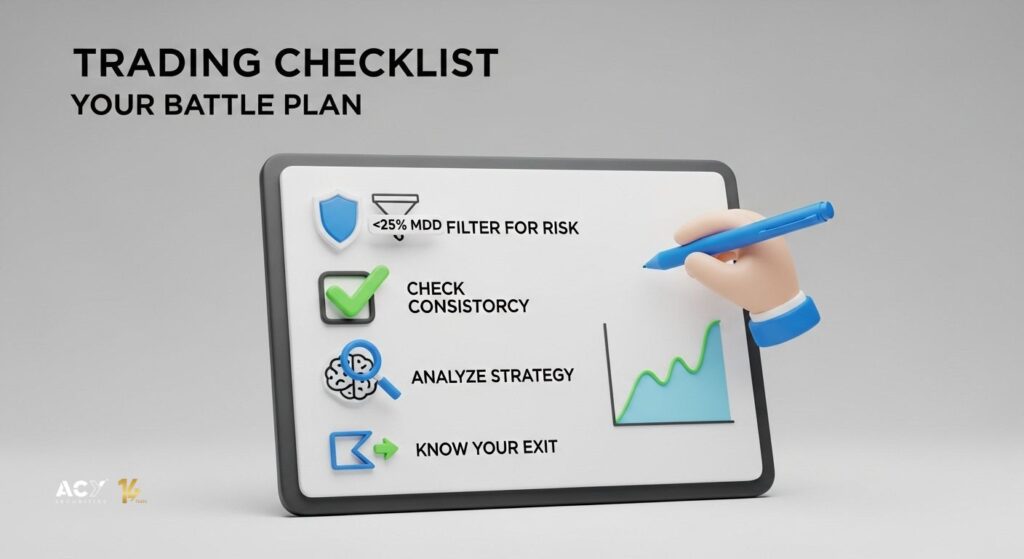
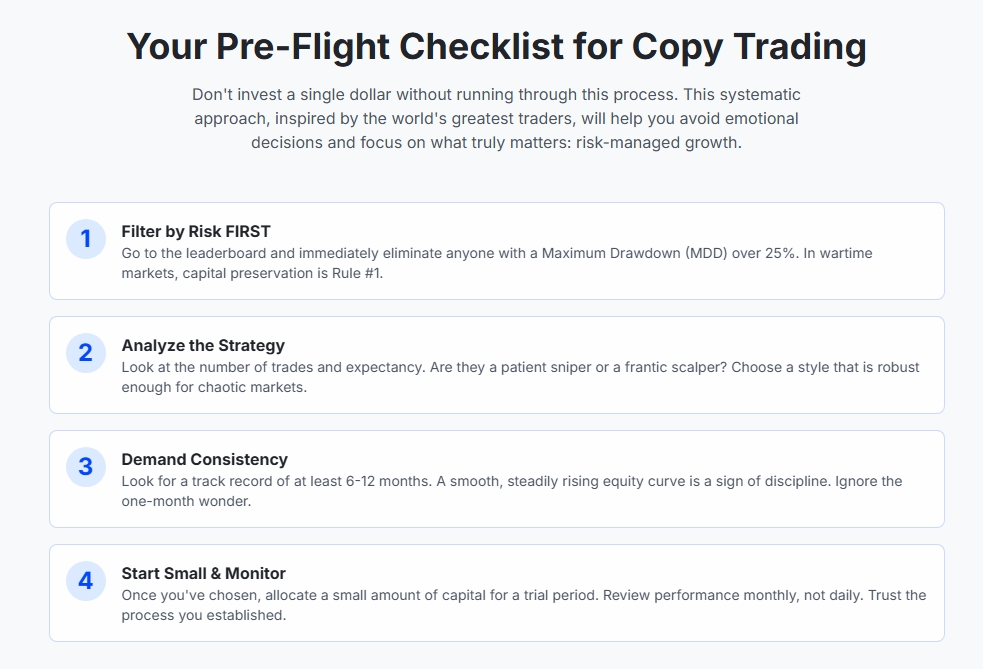
This entire analysis can be distilled into a concise, actionable checklist. Use this as your standard operating procedure before you allocate a single dollar.
- Define Your Goal & Risk Tolerance: Are you seeking steady capital preservation with modest growth (like QuantumFX), or are you comfortable with more risk for higher potential returns (like “safe trading key”)? Be honest with yourself.
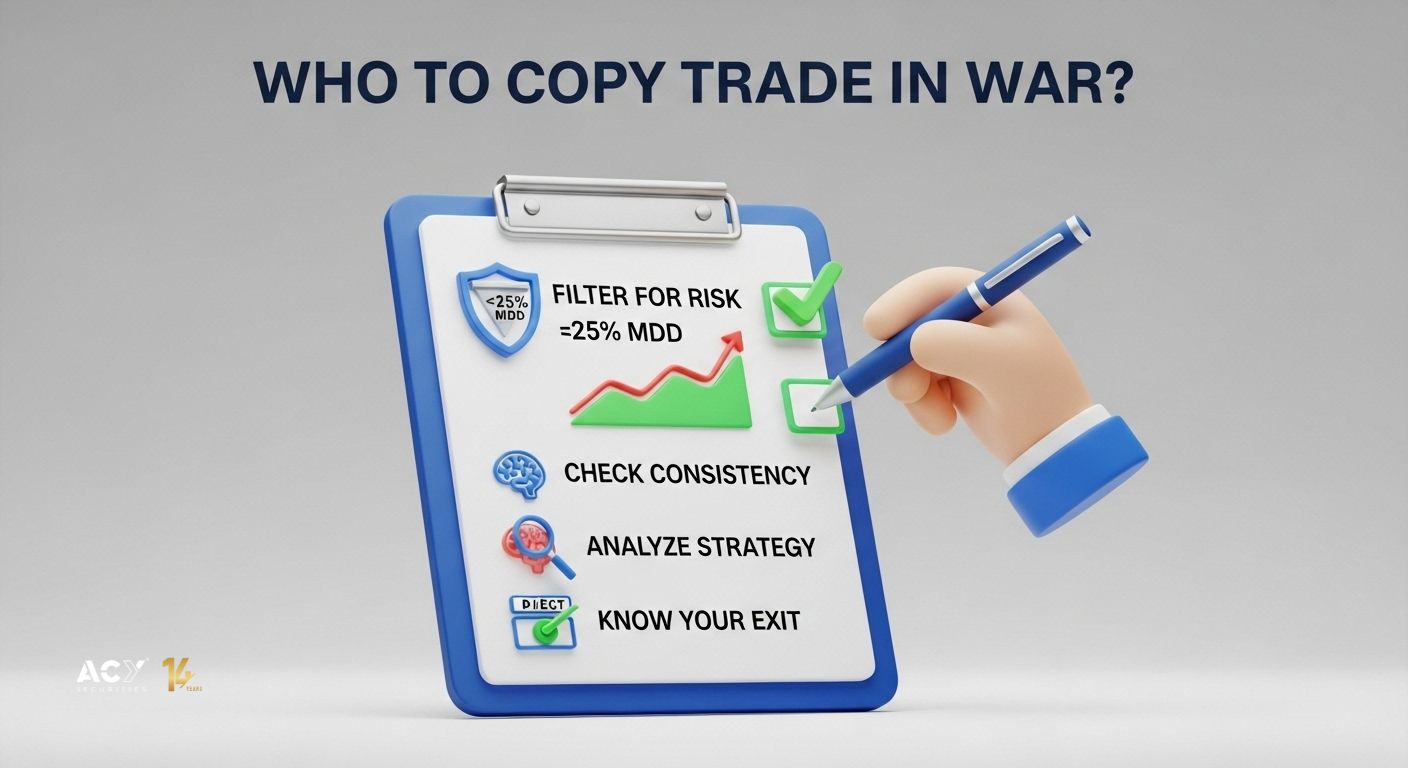
- Filter by Risk First: Go to the leaderboard and immediately eliminate all traders with a Maximum Drawdown that makes you uncomfortable. As a rule of thumb for volatile markets, anything over 25% should be treated with extreme caution.
- Analyze the Strategy: Look at the number of trades and the expectancy per trade. Is it a low-risk grinder, a high-expectancy sniper, or a high-risk scalper? Choose a style that is robust enough for volatile conditions.
- Check for Consistency: Look at the long-term track record (at least 6-12 months, preferably longer). Ignore the trader who just had one spectacular month. Look for a smooth, steadily rising equity curve.
- Use the Sharpe Ratio: If available, use this metric to compare the risk-adjusted returns of your top 2-3 candidates. Choose the one who generates returns most efficiently.
- Start Small: Once you’ve chosen a trader, allocate a modest amount of capital. Treat the first few months as a trial period.
- Monitor, Don’t Micromanage: Review the trader’s performance weekly or monthly. Ensure they are sticking to their stated strategy. Don’t panic and intervene on every single losing trade; drawdowns are a normal part of any trading system.
- Know When to Cut Ties: Have a pre-defined exit plan. If the trader’s drawdown exceeds your personal limit or they suddenly change their strategy, do not hesitate to stop copying.
Frequently Asked Questions (FAQ)
Q1: Is copy trading profitable during a war?
A: It can be, but the risk is significantly higher. Profitability depends entirely on selecting a trader with excellent risk management, as volatility can lead to large, rapid losses. Success in these times comes from prioritizing traders with low maximum drawdowns over those with high-gain, high-risk strategies.
Q2: What is a good maximum drawdown for a copy trader?
A: In volatile “war time” markets, a lower MDD is always better. An MDD under 15% is excellent and indicates superior risk control. An MDD under 25% may be acceptable for more aggressive strategies, but anything approaching 35-40% or higher should be considered an extreme risk to your capital.
Q3: Can you lose all your money with copy trading?
A: Yes. If you copy a reckless trader, fail to set your own risk parameters correctly, or allocate too much of your capital, it is possible to lose your entire investment. This is why analyzing risk metrics like MDD, starting with a small allocation, and never investing more than you can afford to lose is absolutely critical.
Q4: How much money do I need to start copy trading?
A: This varies by platform, but many allow you to start with as little as a few hundred dollars. The amount is less important than the principle: start with an amount you are fully prepared to lose while you learn the process and evaluate the real-world performance of your chosen trader.
Q5: Is it better to copy a forex trader or a gold trader during a conflict?
A: Both can be viable, but the quality of the individual trader is far more important than the asset they trade. Gold (XAUUSD) is a traditional safe haven but can be extremely volatile to trade. Forex offers opportunities in “flight to safety” currencies like USD, JPY, and CHF. Your focus should be on finding the trader with the best, most consistent risk-management track record, regardless of their preferred market. Sources used in the report
(Disclaimer: This article is for informational and educational purposes only. It should not be considered financial advice. Always conduct your own research and consult with a qualified financial advisor before making any investment decisions.)
For more detailed insights on developing daily trading routines, risk management, and effective position sizing strategies, explore additional articles on Trading Cup. Our trading experts at ACY and FinLogix are also great resources to guide your journey towards trading excellence.

Discover Our Best Trading Signals
At Tradingcup, you can browse through a selection of signals and review past performance before you decide to copy.
Become A Signal Provider
Share your expertise and become a signal provider so other traders can copy your trades.
Stay tuned to our blog for more trader spotlights and leaderboard updates.
Trading involves risks.
Visit the Tradingcup blog through the link below for more updates: https://www.tradingcup.com/learn
Related Copy Trading blogs:
- Understanding Market Liquidations: Liquidity Sweeps and Runs Explained
- 7 Essential Daily Habits of Successful Traders to Outperform Their Peers
- 10 Strategies You Can Copy off Our Best Copy Traders
- 5 Strategies Every Trader Can Master To Trade Better In A Trading Contest
- 2025 Copy Trading Scams Exposed: How to Spot Fraud
- A Swing Trading Strategy with an 83 Percent Win Rate and Low Drawdowns
- Forex Martingale Strategies Explained, The Good, The Bad and The Ugly
- Pyramiding Trading Tutorial – Pros & Cons & How to Use It