
Last Updated: March 19, 2025
This article is reviewed annually to reflect the latest market regulations and trends.

“Look before you leap.” – Proverb
TLDR Summary: Copy trading offers a convenient way for beginners and busy individuals to participate in financial markets by replicating expert trades. However, without proper understanding, it’s easy to fall into costly mistakes.
Disclaimer:
The information in this article is for educational purposes only and does not constitute financial, investment, or trading advice. Copy trading carries substantial risks, including the potential loss of your entire invested capital. Past performance of copied traders or strategies is not a reliable indicator of future results. You may be replicating high-risk trades, overleveraged positions, or strategies incompatible with your financial goals. Always conduct independent research into a trader’s historical performance, risk metrics, and strategy before copying them. Never invest funds you cannot afford to lose. Consult a licensed financial advisor to ensure copy trading aligns with your risk tolerance, financial objectives, and regulatory requirements in your jurisdiction. This article does not endorse specific traders, platforms, or strategies, and all trading decisions remain your sole responsibility.
The 10 Most Common Copy Trading Mistakes (And How to Fix Them)
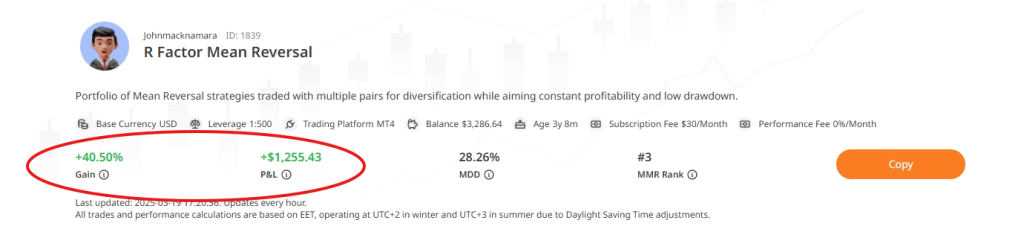
1. Copying Traders Based on ROI Alone
Mistake: Prioritising high ROI without assessing risk.
Solution: Evaluate risk-adjusted returns using metrics like the Sharpe ratio.
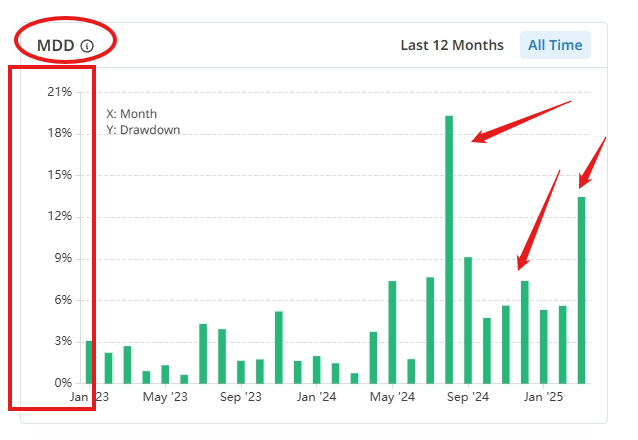
2. Ignoring Drawdown and Risk Management
Mistake: Overlooking a trader’s maximum drawdown.
Solution: Use Tradingcup’s risk management tools to cap losses.
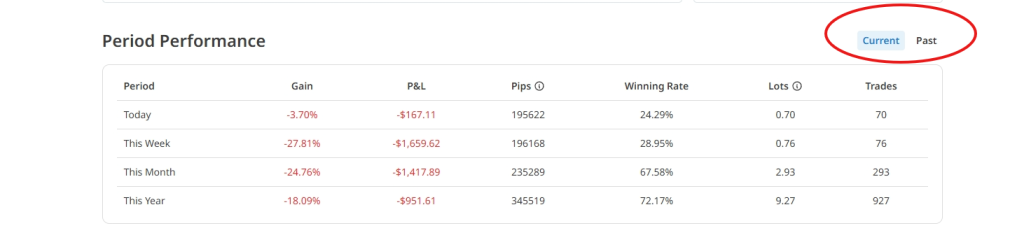
3. Not Researching a Trader’s Strategy
Mistake: Blindly copying strategies like scalping without understanding their risks.
Solution: Review historical trades, holding periods, and market conditions.

4. Overleveraging Without Understanding the Risks
Mistake: Amplifying losses with excessive leverage.
Solution: Adhere to risk-adjusted leverage ratios (e.g., 1:5 for volatile assets).
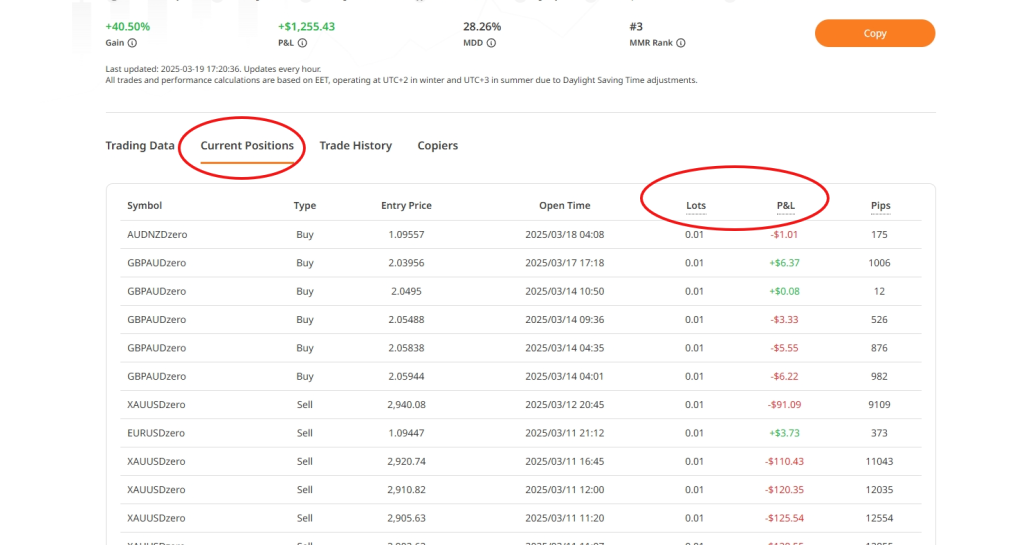
5. Ignoring Trading Frequency and Activity Level
Mistake: Copying inactive traders who miss opportunities.
Solution: Filter traders by consistency and recent activity.
6. Failing to Adjust Copy Trading Settings
Mistake: Using default settings mismatched to your risk tolerance.
Solution: Customise lot sizes and stop-loss orders. Customise your strategy →
7. Not Diversifying Across Multiple Traders (Feature coming soon!)
Mistake: Overexposure to a single trader’s performance.
Solution: Spread investments across 3–5 traders (Tradingcup’s multi-trader feature launching soon).
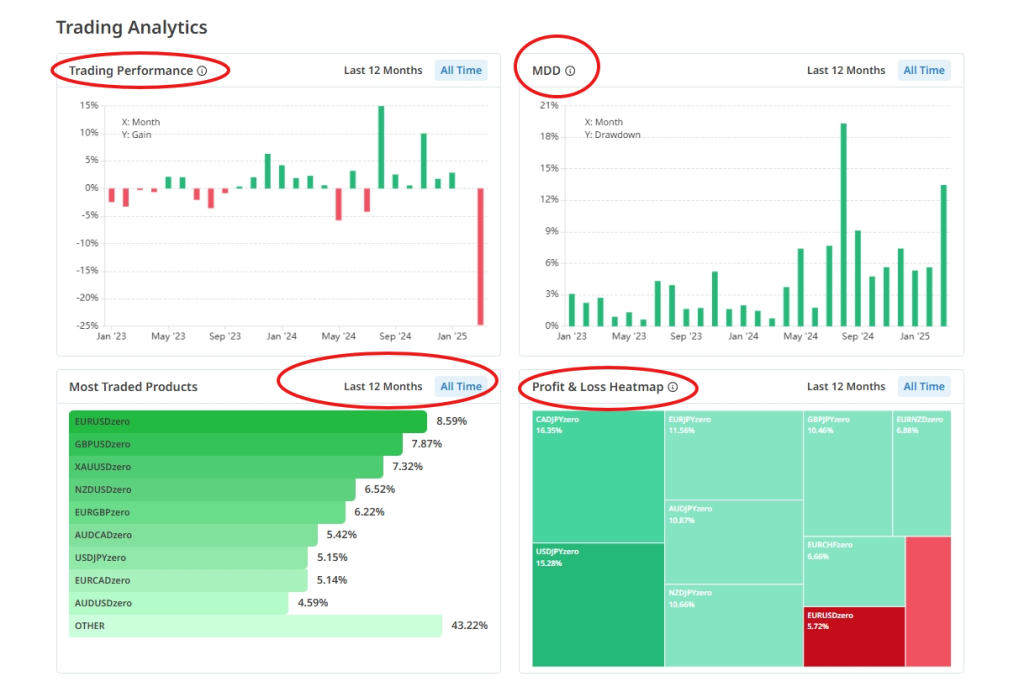
8. Blindly Copying Without Tracking Performance
Mistake: Neglecting ongoing performance reviews.
Solution: Use analytics tools to monitor monthly returns and adjust allocations.

9. Emotional Decision-Making and Panic Exits
Mistake: Letting FOMO or fear override strategy.
Solution: Adopt a rules-based approach. Master trading psychology →

10. Not Understanding Tradingcup’s Fee Structure
Mistake: Overlooking subscription plans and commission fees.
Solution: Calculate net profits after fees.

Why Many Copy Traders Lose Money
Copy trading’s popularity stems from its simplicity, but many beginners assume it’s a “get-rich-quick” scheme. They overlook market volatility, trader inconsistency, and hidden fees. Overreliance on copied trades without personal due diligence amplifies risks, turning potential gains into losses.
Mastering Copy Trading
Copy trading simplifies market entry but demands discipline. Avoid common pitfalls by researching traders, diversifying portfolios, and leveraging risk management tools. Continuously refine your approach using Tradingcup’s analytics and stay informed about platform updates like multi-trader copying.
FAQs
Q: How does copy trading work?
A: It automatically replicates trades from selected experts to your account.
Q: What factors matter when choosing a trader?
A: Risk-adjusted returns, drawdown levels, and strategy alignment.
Q: How do fees impact profits?
A: Subscription plans and commissions reduce net gains and factor these into ROI calculations.
Further Reading:
For more detailed insights on developing daily trading routines, risk management, and effective position sizing strategies, explore additional articles on Trading Cup. Our trading experts at ACY and FinLogix are also great resources to guide your journey towards trading excellence.

Discover Our Best Trading Signals
At Tradingcup, you can browse through a selection of signals and review past performance before you decide to copy.
Become A Signal Provider
Share your expertise and become a signal provider so other traders can copy your trades.
Stay tuned to our blog for more trader spotlights and leaderboard updates.
Trading involves risks.
Visit the Tradingcup blog through the link below for more updates: https://www.tradingcup.com/learn
For further reading, visit acy.com