
Last Updated: June 05, 2025
This article is reviewed annually to reflect the latest market regulations and trends.

TL;DR: 5 Key Points to Remember
- At heights of three thousand three, is gold the trade for you and me?
- With markets in a fickle state, copy trading could be your fate.
- From Soros’ mind, a lesson you’ll find: the crowd’s own thoughts can leave you behind.
- With Lynch as a guide, you’ll learn to decide, if Main Street’s picks are on your side.
- Though gold may gleam, it’s not always a dream; a plan is the key, it would seem.
Disclaimer: The information in this article is for educational purposes only and does not constitute financial, investment, or trading advice. Copy trading carries substantial risks, including the potential loss of your entire invested capital. Past performance of copied traders or strategies is not a reliable indicator of future results. You may be replicating high-risk trades, overleveraged positions, or strategies incompatible with your financial goals. Always conduct independent research into a trader’s historical performance, risk metrics, and strategy before copying them. Never invest funds you cannot afford to lose. Consult a licensed financial advisor to ensure copy trading aligns with your risk tolerance, financial objectives, and regulatory requirements in your jurisdiction. This article does not endorse specific traders, platforms, or strategies, and all trading decisions remain your sole responsibility.
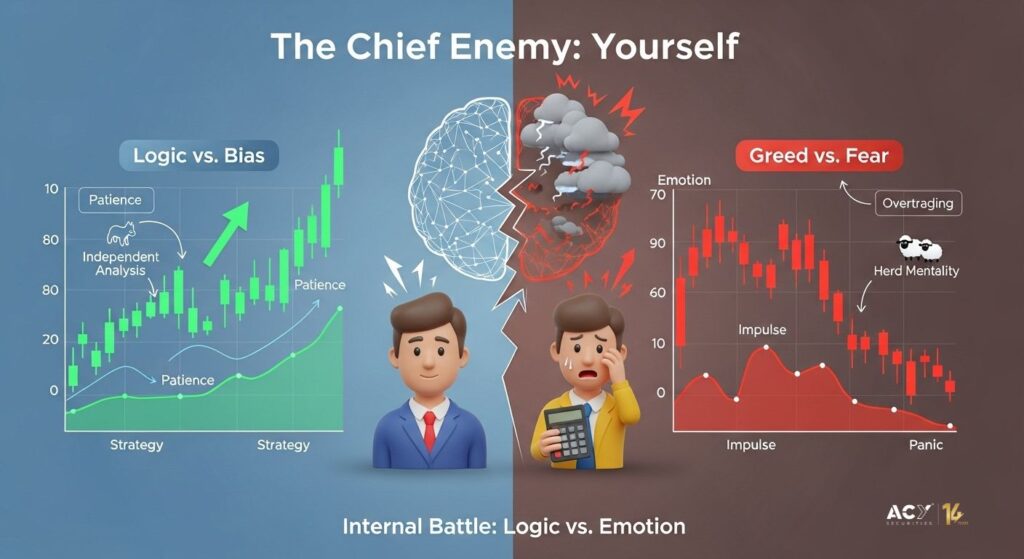
“The investor’s chief problem, and even his worst enemy, is likely to be himself.” – Benjamin Graham
Should You Try Gold Copy Trading at $3,300? A Deep Dive into a Shimmering Dilemma
The financial world is buzzing. Gold, the age-old sentinel of value, is flirting with the $3,300 mark, and a new generation of investors is eyeing it with a modern twist: copy trading. The question on everyone’s lips is not just whether to invest in gold, but whether to entrust that investment to the hands of a seasoned trader. Is this the golden ticket to effortless profits, or a siren song leading to a rocky shore?
This isn’t just another article about gold. We’re going to dissect this topic from every angle, blending the wisdom of investing titans with the realities of today’s digital markets. We’ll explore the mechanics of gold copy trading, the lessons we can learn from Wall Street legends, and the very real risks that lurk in the shadows of this seductive strategy. So, grab a cup of coffee, and let’s unravel this golden enigma together.
What Exactly is Copy Trading?
Before we dive into the glittering world of gold, let’s get our definitions straight. What is copy trading? Imagine you’re in a dance class, and you’re new to the steps. You might watch the instructor and mimic their movements to learn the routine. Copy trading is the financial equivalent.
In essence, copy trading allows you to automatically replicate the trades of experienced traders. You choose a trader to “copy,” and a portion of your funds is allocated to mirror their trading activity in real-time. When they buy, you buy. When they sell, you sell. It’s a hands-off approach to trading that has gained immense popularity, especially among those who are new to the markets or lack the time to conduct their own analysis.
And What About Gold Copy Trading?
Gold copy trading, as the name suggests, is the practice of copy trading specifically focused on the gold market, most commonly traded as XAU/USD. This means you’re not just copying any trader; you’re copying a trader who specializes in speculating on the price of gold against the US dollar.
Given gold’s reputation as a “safe-haven” asset, it attracts a specific type of trader. These are often individuals who are adept at reading macroeconomic signals, understanding geopolitical tensions, and analyzing market sentiment. By copy trading a gold specialist, you’re essentially piggybacking on their expertise in this niche market.
A Beginner’s Guide to Gold Copy Trading
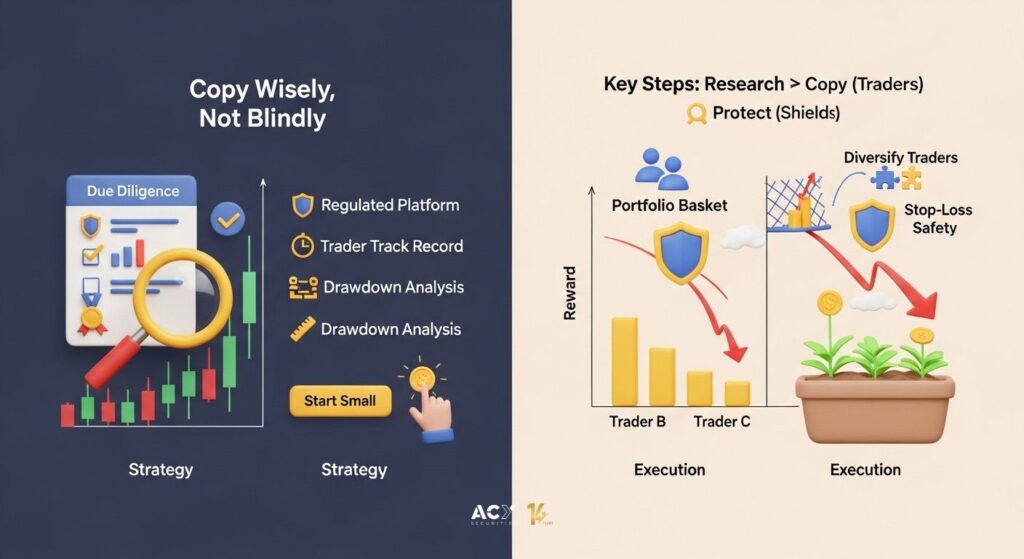
If you’re intrigued by the idea of gold copy trading, it’s crucial to start on the right foot. Here’s a step-by-step guide for beginners, inspired by the practical advice from resources like TradingCup:
- Choose a Reputable Platform: Not all copy trading platforms are created equal. Look for a platform that is regulated, has a transparent fee structure, and provides detailed performance metrics for its traders.
- Do Your Due Diligence on Traders: Don’t just pick the trader with the highest returns. Dig deeper. Look at their risk score, their trading history, and their drawdown (the peak-to-trough decline in their portfolio). A trader with a consistent, long-term track record is often a better choice than one with meteoric but volatile gains.
- Start Small: It’s tempting to go all-in, especially when you see impressive returns. However, it’s always wise to start with a small amount of capital that you’re prepared to lose. This allows you to get a feel for the process without putting your entire portfolio at risk.
- Diversify Your Copied Traders: Don’t put all your eggs in one basket. Consider copying a few different traders with varying strategies and risk profiles. This can help to smooth out your returns and reduce your overall risk.
- Set Stop-Losses: A stop-loss is an order to automatically close your position if the price moves against you by a certain amount. This is a crucial risk management tool that can protect you from significant losses.
The Common Mistakes to Avoid in Gold Copy Trading
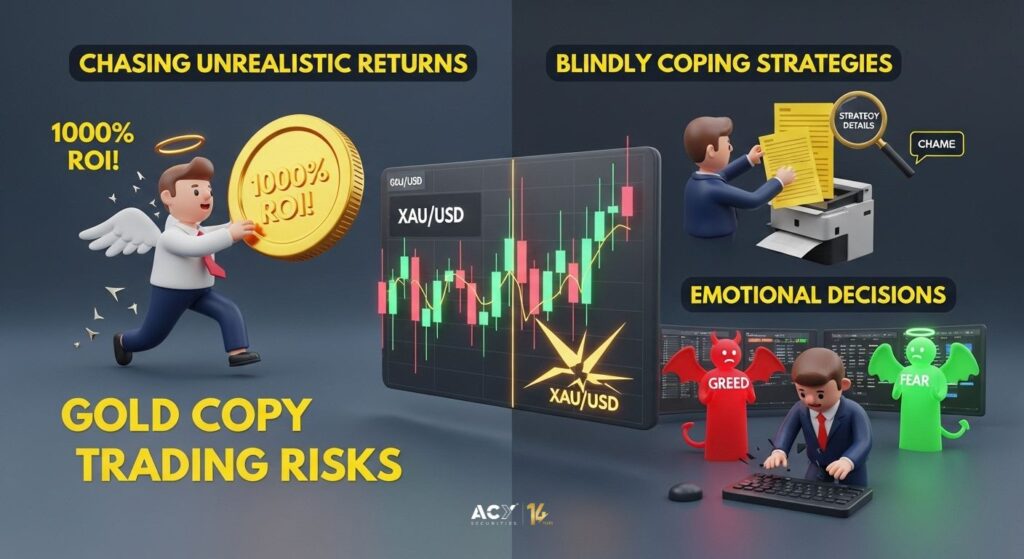
While gold copy trading can be a powerful tool, it’s not without its risks. Here are some of the most common mistakes that beginners make, with insights from TradingCup’s guide on the topic:
- Chasing Unrealistic Returns: If a trader’s returns seem too good to be true, they probably are. Be wary of traders who promise guaranteed profits or have a history of extremely high, unsustainable returns.
- Ignoring Risk Management: It’s easy to get caught up in the excitement of potential profits and neglect the importance of risk management. Always have a clear plan for how much you’re willing to risk on each trade and on your overall portfolio.
- Blindly Copying Without Understanding: While copy trading is a hands-off approach, it’s not a “set it and forget it” strategy. Take the time to understand the basics of the gold market and the strategies of the traders you’re copying. This will help you to make more informed decisions and to spot potential red flags.
- Emotional Decision-Making: The financial markets can be a rollercoaster of emotions. It’s important to stay disciplined and to stick to your trading plan, even when fear or greed start to creep in.
A Day in the Life of a Gold Copy Trader
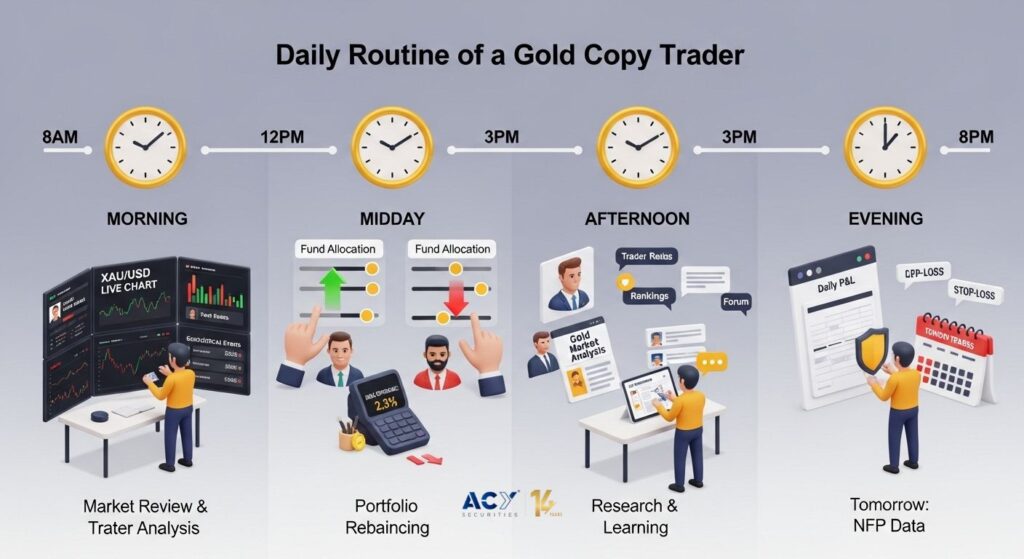
Have you ever wondered what a typical day looks like for someone who copy trades gold? While it’s not as hands-on as traditional trading, it’s not a completely passive activity either. Here’s a hypothetical look at a day in the life of a savvy gold copy trader:
- Morning (Market Analysis and Review): The day begins with a review of the overnight market activity. Our copy trader checks the performance of the traders they are copying, noting any significant wins or losses. They also scan the financial news for any major economic data releases or geopolitical events that could impact the price of gold.
- Mid-day (Monitoring and Adjustments): Throughout the day, our copy trader keeps an eye on their portfolio. They may decide to allocate more funds to a trader who is performing well or to reduce their exposure to a trader who is taking on too much risk. They’re not making individual trades, but they are actively managing their portfolio of copied traders.
- Afternoon (Learning and Research): A smart copy trader knows that knowledge is power. They spend some time in the afternoon reading market analysis, learning about new trading strategies, and researching other potential traders to copy. They might also engage with the copy trading community on forums or social media to exchange ideas and insights.
- Evening (Reflection and Planning): The day ends with a final review of their portfolio and a look ahead to the next trading day. They reflect on what went well and what they could improve upon. They might also adjust their stop-loss orders or their overall risk management strategy.
Gold Signal Telegram Scams
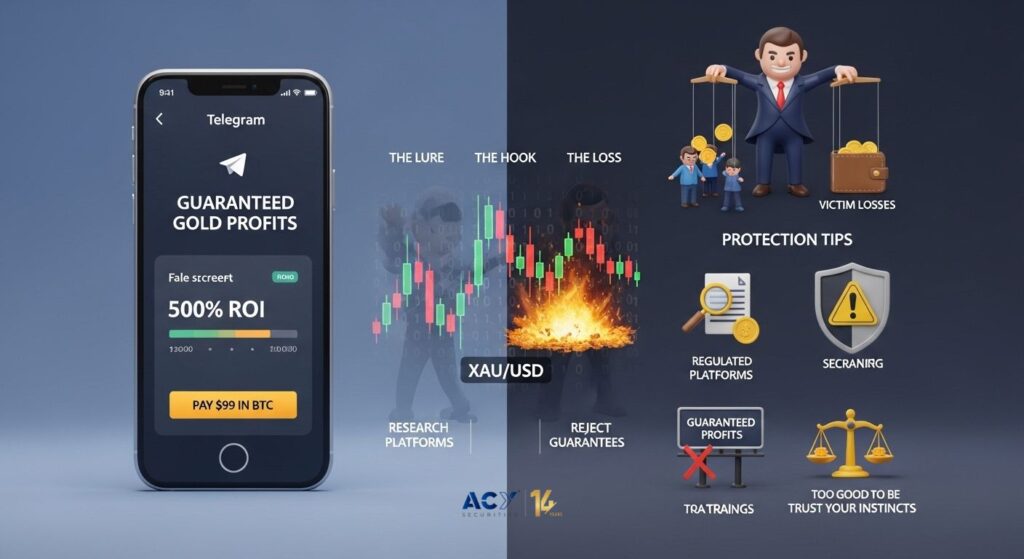
As with any popular investment, the world of gold trading has its share of scams. One of the most prevalent is the “gold signal” Telegram scam. As detailed in this TradingCup exposé, these scams typically work like this:
- The Lure: Scammers create Telegram channels where they claim to provide “guaranteed” or “highly profitable” gold trading signals. They often post fake screenshots of massive profits to entice unsuspecting victims.
- The Hook: To get access to these “premium” signals, you’re required to pay a subscription fee, often in cryptocurrency to make it untraceable.
- The Inevitable Loss: The signals provided are either random or designed to make you lose money. The scammers may even be taking the other side of your trades, profiting from your losses.
How to Protect Yourself:
- Be Skeptical of “Guaranteed” Profits: There are no guarantees in trading. Anyone who promises you guaranteed returns is likely a scammer.
- Do Your Own Research: Don’t trust anonymous figures on Telegram. Stick to reputable, regulated platforms for your trading and copy trading activities.
- If It Sounds Too Good to Be True, It Probably Is: This age-old advice is especially true in the world of online investing.
How to Calculate Your Profits and Losses Copy Trading Gold
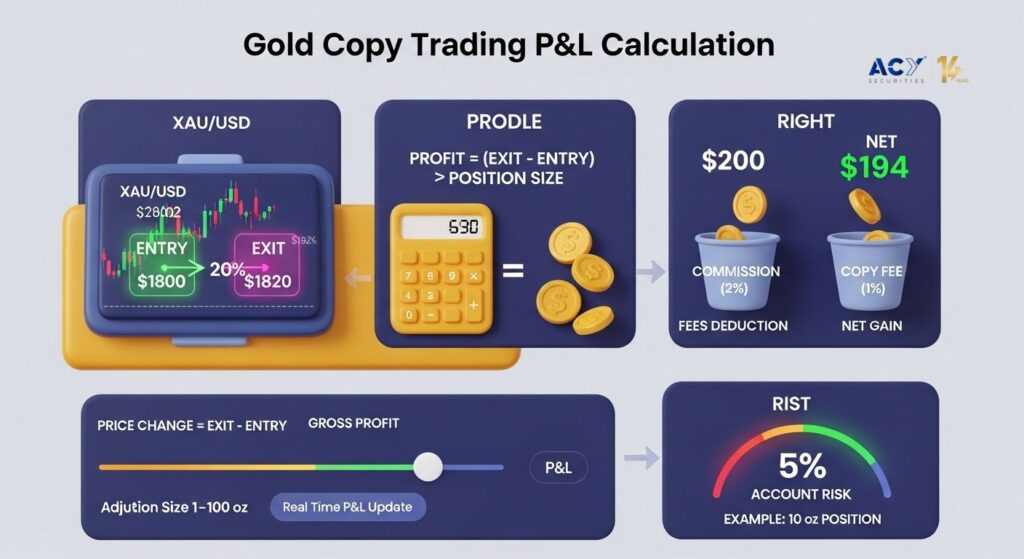
Understanding how to calculate your profits and losses is essential for any form of trading. When it comes to gold copy trading, the platform you use will typically do the heavy lifting for you, but it’s still important to understand the basic principles. For a more in-depth look at the calculations, you can refer to this TradingCup guide.
In a nutshell, your profit or loss is determined by the change in the price of gold from when your copied trade was opened to when it was closed, multiplied by the size of your position. You also need to factor in any fees or commissions charged by the platform and the trader you are copying.
How Would George Soros Approach Gold Copy Trading at $3,300?

George Soros, the man who “broke the Bank of England,” is a legend in the world of trading. His investment philosophy is built on the concept of “reflexivity,” which posits that investors’ perceptions and biases can actually influence the fundamentals of the market.
So, how would Soros view the idea of copy trading gold at its current heights? He would likely be both intrigued and cautious.
- The Reflexivity of Copy Trading: Soros would recognize that copy trading is a powerful example of reflexivity in action. As more and more people copy a particular trader, it can create a self-reinforcing feedback loop. If the copied trader is bullish on gold, the influx of copy trading capital can help to push the price higher, validating the trader’s initial thesis.
- The Perils of the Herd: However, Soros would also be acutely aware of the dangers of herd mentality. He would caution that when everyone is on the same side of the trade, it can create a crowded and vulnerable position. If market sentiment were to suddenly shift, the rush for the exits could be brutal.
- The Search for Inefficiencies: Soros made his fortune by identifying and exploiting market inefficiencies. He wouldn’t be interested in simply following the crowd. Instead, he would be looking for opportunities where the market’s perception of gold is out of sync with its underlying fundamentals. He might even consider taking a contrarian position, betting against the popular copy traders if he believed they were caught in a reflexive bubble.
Lessons from a Wall Street Legend: 10 Takeaways from Peter Lynch’s “One Up on Wall Street” for the Gold Copy Trader
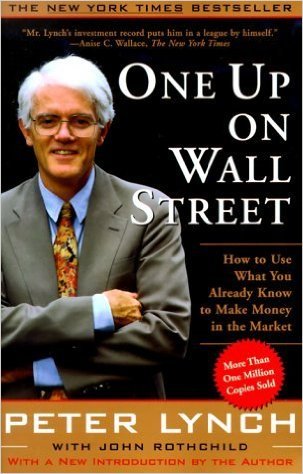
Peter Lynch, the legendary manager of the Magellan Fund, is a champion of the individual investor. His book, “One Up on Wall Street,” is a treasure trove of wisdom that can be applied to any form of investing, including gold copy trading. Here are 10 key lessons from Lynch, adapted for the modern copy trader:
- “Invest in What You Know”: While you’re not picking the trades yourself, you should still have a basic understanding of the gold market. Know why you’re investing in gold and what factors drive its price.
- “Do Your Homework”: Don’t just blindly copy a trader. Research their strategy, their track record, and their risk management practices.
- “Avoid the Hot Stocks in the Hot Industries”: In the world of copy trading, this translates to being wary of the traders with the most explosive, short-term returns. Often, a more consistent, less spectacular performer is a better long-term bet.
- “You Can’t Predict the Economy”: Don’t try to time the market based on your own economic forecasts. Instead, focus on finding skilled traders who have a proven ability to navigate different market conditions.
- “Be Patient”: Copy trading is not a get-rich-quick scheme. It takes time to see consistent returns. Don’t be discouraged by short-term fluctuations.
- “Know When to Sell”: In copy trading, this means knowing when to stop copying a trader. If a trader’s strategy changes, if their performance starts to deteriorate, or if you’re no longer comfortable with their level of risk, it’s time to move on.
- “There’s Always Something to Worry About”: Don’t let fear and anxiety drive your decisions. The financial markets are always fraught with uncertainty. Stick to your plan and trust the process.
- “The Person Who Turns Over the Most Rocks Wins the Game”: The more traders you research and analyze, the more likely you are to find the hidden gems.
- “If You Can’t Explain to an 11-Year-Old in Two Minutes Why You’re Copying a Trader, You Shouldn’t Be Doing It”: This is a great test of your own understanding. If you can’t articulate your reasons for copying a particular trader, it’s a sign that you need to do more research.
- “Behind Every Stock Is a Company. Find Out What It’s Doing”: In the context of gold copy trading, this means understanding the “business” of the trader you’re copying. What is their edge? What is their philosophy? How do they manage risk?
Can Gold Maintain a 23.5% Recession Return?
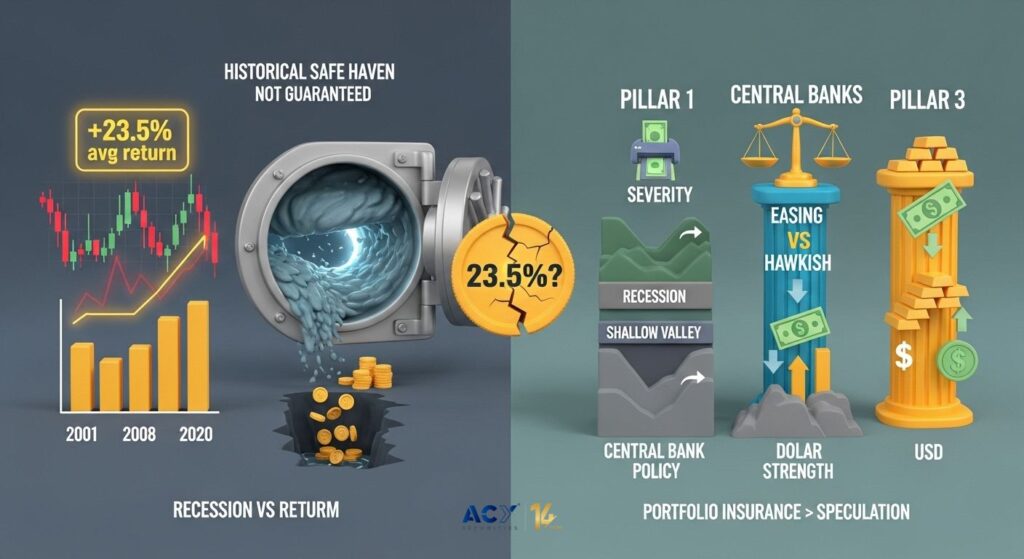
One of the most compelling arguments for investing in gold is its historical performance during recessions. In past economic downturns, gold has often acted as a safe-haven asset, providing positive returns while other assets, like stocks, have faltered.
The idea of a 23.5% return during a recession is an attractive one, but can we rely on it? The answer is nuanced. While gold has a strong track record as a recession hedge, past performance is not a guarantee of future results. The nature of each recession is different, and the performance of gold will depend on a variety of factors, including:
- The Severity of the Recession: A deep and prolonged recession is more likely to drive investors to the safety of gold than a mild and short-lived one.
- The Response of Central Banks: If central banks respond to a recession with aggressive monetary easing (i.e., cutting interest rates and printing money), it can be very bullish for gold.
- The Strength of the US Dollar: Gold is priced in US dollars, so a weaker dollar can make gold more attractive to foreign investors, driving up its price.
So, while a 23.5% return is not out of the question, it’s not something you should count on. A more prudent approach is to view gold as a form of portfolio insurance, a way to protect yourself against the downside risk of a recession, rather than a speculative bet on a specific return.
A 3-Step Diversification Plan for Gold Copy Trading
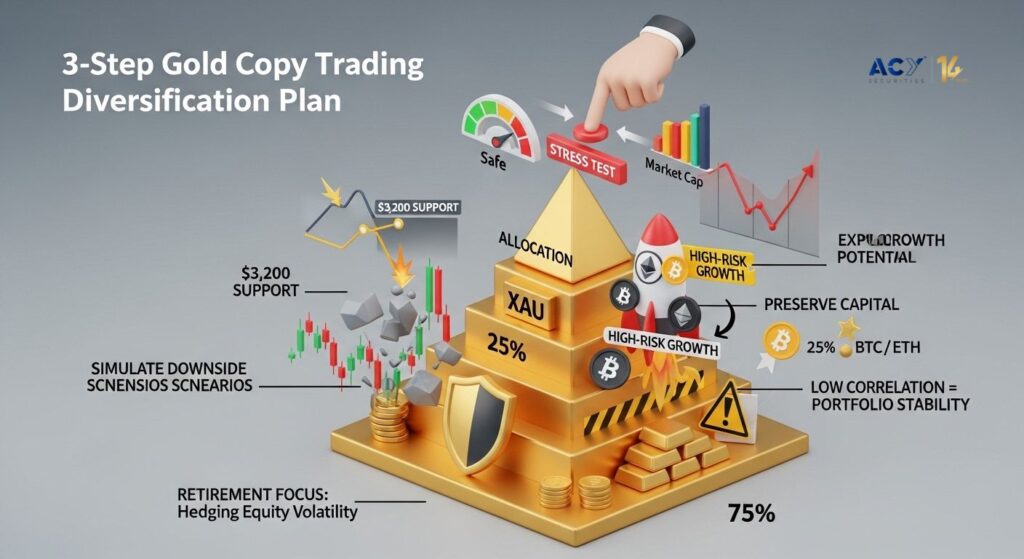
So, how do you incorporate gold copy trading into your portfolio in a smart and strategic way? Here’s a 3-step diversification plan that you can adapt to your own financial goals and risk tolerance:
- Retirement-Focused Allocation (75%): If your primary goal is to preserve capital and generate steady, long-term growth for retirement, consider allocating the majority of your copy trading portfolio (around 75%) to gold traders. The low correlation between gold and equities can provide a valuable hedge against stock market volatility.
- High-Risk Growth Allocation (25%): For the more speculative portion of your portfolio, you could allocate the remaining 25% to traders who focus on higher-risk, higher-reward assets, like cryptocurrencies. The halving-driven cycles of assets like Bitcoin can offer the potential for explosive growth, but they also come with a much higher level of risk.
- Stress-Test Your Portfolio: Don’t just “set it and forget it.” Regularly stress-test your portfolio by considering different market scenarios. What would happen if gold were to drop to its support level of $3,200? What if there’s a sudden crypto market crash? By stress-testing your portfolio, you can ensure that you’re prepared for a range of potential outcomes and that your entry points are reasonable.
Is Gold Copy Trading at $3,300 Right for You?
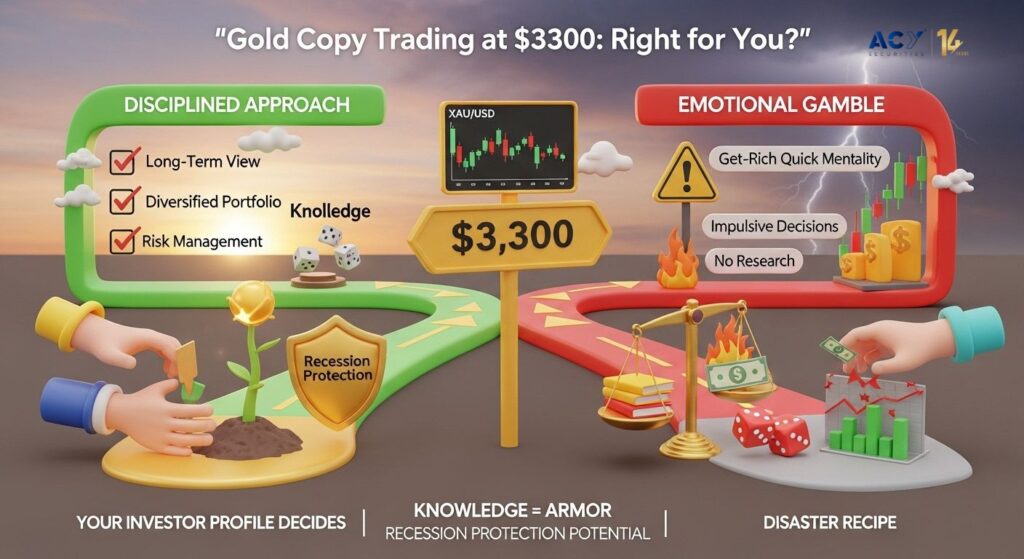
We’ve covered a lot of ground, from the mechanics of copy trading to the wisdom of investing legends. So, what’s the final verdict? Is gold copy trading at $3,300 a smart move?
The answer, as is often the case in the world of investing, is: it depends.
If you’re a disciplined investor with a clear understanding of the risks involved, a long-term perspective, and a well-diversified portfolio, then gold copy trading could be a valuable addition to your investment strategy. It can provide you with access to the expertise of seasoned gold traders and help to protect your portfolio from the ravages of a potential recession.
However, if you’re looking for a get-rich-quick scheme, if you’re prone to emotional decision-making, or if you’re not prepared to do your own research, then gold copy trading could be a recipe for disaster.
Ultimately, the decision of whether or to not to try gold copy trading is a personal one. By arming yourself with knowledge, learning from the masters, and approaching the market with a healthy dose of skepticism, you can make a decision that’s right for you and your financial future.
Frequently Asked Questions (FAQs)
Q: Is copy trading profitable?
A: Copy trading can be profitable, but it’s not a guarantee. Your profitability will depend on the traders you choose to copy, your risk management strategy, and the overall market conditions.
Q: Is copy trading good for beginners?
A: Copy trading can be a good way for beginners to get started in the financial markets, as it allows them to learn from experienced traders. However, it’s important for beginners to do their own research and to understand the risks involved.
Q: Can you lose money with copy trading?
A: Yes, you can lose money with copy trading. If the traders you are copying make losing trades, you will also lose money. That’s why risk management is so important.
Q: Is copy trading a scam?
A: Copy trading itself is not a scam. It’s a legitimate investment strategy offered by many regulated brokers. However, there are scams within the copy trading world, so it’s important to be cautious and to stick to reputable platforms.
Q: How much money do I need to start copy trading?
A: The minimum amount of money you need to start copy trading will vary depending on the platform you choose. Some platforms allow you to start with as little as $100. However, it’s generally a good idea to start with a small amount that you’re comfortable losing.
(Disclaimer: This article is for informational and educational purposes only. It should not be considered financial advice. Always conduct your own research and consult with a qualified financial advisor before making any investment decisions.)
For more detailed insights on developing daily trading routines, risk management, and effective position sizing strategies, explore additional articles on Trading Cup. Our trading experts at ACY and FinLogix are also great resources to guide your journey towards trading excellence.

Discover Our Best Trading Signals
At Tradingcup, you can browse through a selection of signals and review past performance before you decide to copy.
Become A Signal Provider
Share your expertise and become a signal provider so other traders can copy your trades.
Stay tuned to our blog for more trader spotlights and leaderboard updates.
Trading involves risks.
Visit the Tradingcup blog through the link below for more updates: https://www.tradingcup.com/learn
Related Copy Trading blogs:
- Understanding Market Liquidations: Liquidity Sweeps and Runs Explained
- 7 Essential Daily Habits of Successful Traders to Outperform Their Peers
- 10 Strategies You Can Copy off Our Best Copy Traders
- 5 Strategies Every Trader Can Master To Trade Better In A Trading Contest
- 2025 Copy Trading Scams Exposed: How to Spot Fraud
- A Swing Trading Strategy with an 83 Percent Win Rate and Low Drawdowns
- Forex Martingale Strategies Explained, The Good, The Bad and The Ugly
- Pyramiding Trading Tutorial – Pros & Cons & How to Use It