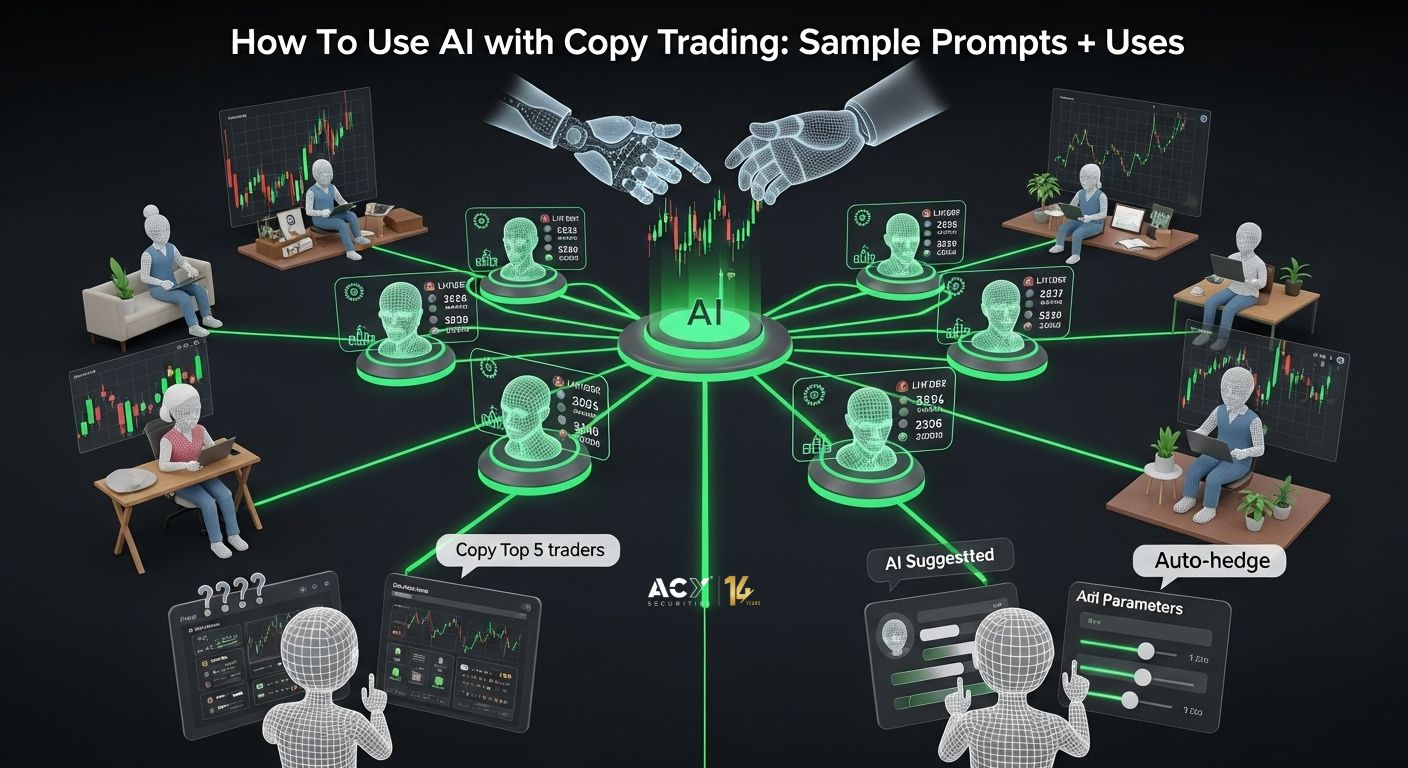
Last Updated: June 03, 2025
This article is reviewed annually to reflect the latest market regulations and trends.
TL;DR: 5 Key Points to Trade with AI
- With AI by your side, you can trade with a knowledgeable guide.
- Let data, not drama, lead the way, and keep emotions at bay.
- Find top traders with AI’s keen sight, making your portfolio bright.
- Use simple prompts to ask what’s next, and let AI handle the complex text.
- From Forex to stocks, let wisdom flow, and watch your investments grow.
Disclaimer: The information in this article is for educational purposes only and does not constitute financial, investment, or trading advice. Copy trading carries substantial risks, including the potential loss of your entire invested capital. Past performance of copied traders or strategies is not a reliable indicator of future results. You may be replicating high-risk trades, overleveraged positions, or strategies incompatible with your financial goals. Always conduct independent research into a trader’s historical performance, risk metrics, and strategy before copying them. Never invest funds you cannot afford to lose. Consult a licensed financial advisor to ensure copy trading aligns with your risk tolerance, financial objectives, and regulatory requirements in your jurisdiction. This article does not endorse specific traders, platforms, or strategies, and all trading decisions remain your sole responsibility.
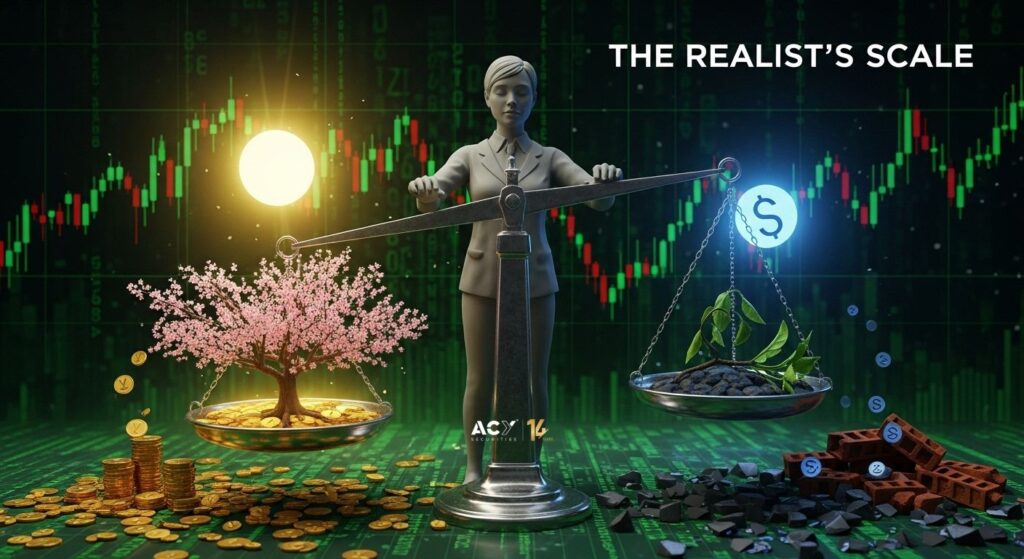
“The intelligent investor is a realist who sells to optimists and buys from pessimists.” – Benjamin Graham
Unlocking Smarter Trading: How to Use AI with Copy Trading Like a Pro (Sample Prompts + Uses)
The world of trading can feel like a vast, intimidating ocean for a beginner. The currents of market sentiment, the waves of volatility, and the siren song of quick profits can easily lead a novice astray. But what if you had a seasoned navigator, one that could chart the safest course, predict the weather, and keep you from chasing mirages? This is the promise of Artificial Intelligence (AI) in the world of trading, and more specifically, copy trading.
This guide is your compass. We’ll explore how you can harness the power of AI to not just survive, but thrive in the financial markets. We’ll delve into everything from understanding the basics of copy trading and forex to leveraging AI for in-depth analysis and emotional discipline. By the end, you’ll have a clear roadmap and the tools you need to make smarter, more informed investment decisions.
What is Copy Trading?
Imagine being able to look over the shoulder of a seasoned trader, watch their every move, and replicate their success in your own portfolio. That, in essence, is copy trading. It’s a portfolio management strategy where you link a portion of your portfolio to that of a professional trader. When they make a trade, your account automatically executes the same trade in real-time.
For beginners, this is an incredibly powerful way to get started. Instead of spending years learning the intricacies of the market, you can leverage the expertise of those who have already put in the time. However, the success of your copy trading journey hinges on one critical factor: choosing the right trader to copy. And this is where AI begins to shine.
What is Forex Trading?
Forex, or foreign exchange, is the largest financial market in the world. It’s the marketplace where currencies are traded. Think of it like this: if you’ve ever traveled to another country, you’ve likely had to exchange your home currency for the local one. That’s a forex transaction.
The forex market is popular with traders for several reasons:
- High Liquidity: There’s always a buyer and a seller, meaning you can easily enter and exit trades.
- 24/5 Market: The market is open 24 hours a day, five days a week, offering flexibility for traders.
- Leverage: Forex brokers offer leverage, which allows you to control a large position with a small amount of capital. While this can amplify profits, it can also amplify losses, making risk management crucial.
Understanding the basics of forex is essential for many copy traders, as it’s a popular market for professional traders due to its volatility and trading opportunities.
What is Technical Analysis? Decoding the Language of the Market
Technical analysis is the art and science of forecasting future price movements based on past price action and volume data. Technical analysts believe that all known information is already reflected in the price, so they focus on charts and indicators to identify patterns and trends.
Some of the most common technical indicators include:
- Moving Averages (MA): These smooth out price data to create a single flowing line, making it easier to identify the direction of the trend.
- Relative Strength Index (RSI): This is a momentum indicator that measures the speed and change of price movements. It helps traders identify overbought or oversold conditions.
- Moving Average Convergence Divergence (MACD): This trend-following momentum indicator shows the relationship between two moving averages of a security’s price.
AI is particularly adept at technical analysis, as it can process vast amounts of historical data and identify patterns that might be invisible to the human eye. In fact, a review of research articles found that 71% of them used technical analysis indicators in conjunction with AI techniques.
How Can AI Help You Become a Smarter Trader?
AI is more than just a buzzword; it’s a transformative tool that is democratizing access to sophisticated trading strategies. The global AI trading market is projected to reach $24.53 billion by 2025, a testament to its growing adoption. Here’s how AI can give you an edge:
- Data-Driven Decisions: AI can analyze massive datasets in a fraction of the time it would take a human, providing you with actionable insights based on historical data.
- Algorithmic Trading: AI enables algorithmic trading, which accounts for 37.1% of the market. This allows you to implement data-driven strategies without emotional interference.
- Predictive Analytics: AI models, particularly those using deep learning and reinforcement learning, can predict price movements and optimize trading strategies.
- Risk Management: AI-powered tools can help you with portfolio optimization and risk management. For example, robo-advisors can rebalance your portfolio to align with your investment goals.
Why You MUST Avoid Emotional Decisions in Trading
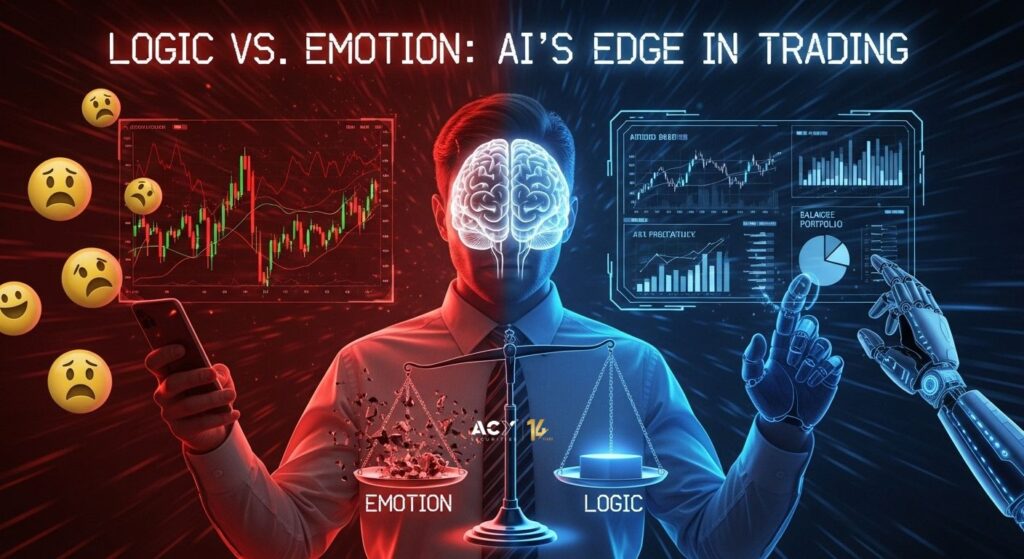
The biggest enemy of a trader is not a bad market, but their own emotions. Fear and greed are powerful forces that can lead to impulsive decisions and devastating losses. This is where AI can be your greatest ally.
- Eliminating Bias: AI systems execute trades based on data analysis, not emotion. This is particularly beneficial for novice traders who often struggle with fear of missing out (FOMO) or panic selling during volatile periods.
- Disciplined Execution: AI can enforce disciplined trading habits by adhering to predefined strategies. For example, an AI might suggest reducing a position if it hits a certain price, reinforcing a structured approach.
- Objective Insights: AI can provide objective insights, helping you to maintain a clear head even when the market is in turmoil.
By taking emotion out of the equation, AI allows you to trade with a level head, sticking to your strategy and avoiding costly mistakes.
Putting AI to Work: Sample Prompts for a Smarter Strategy
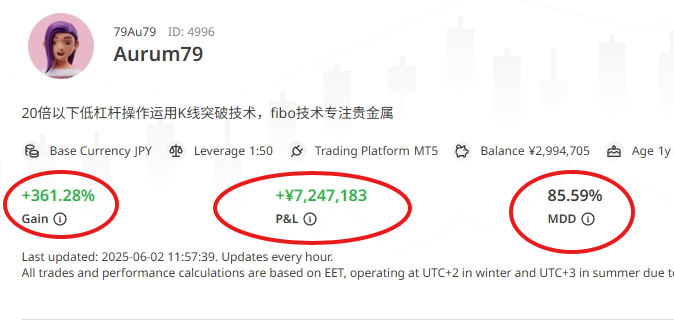
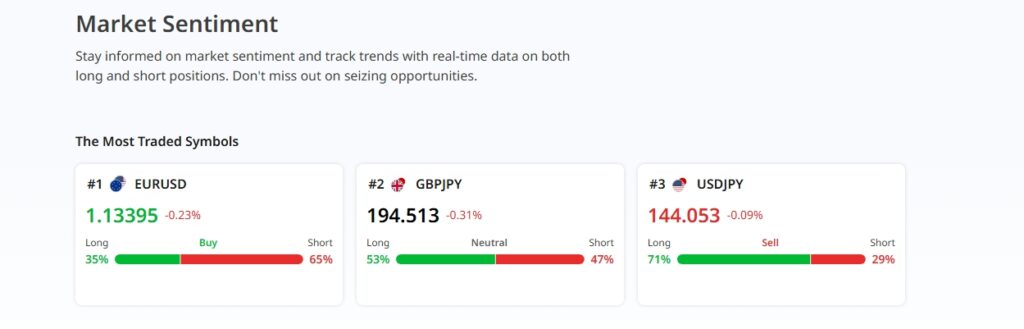
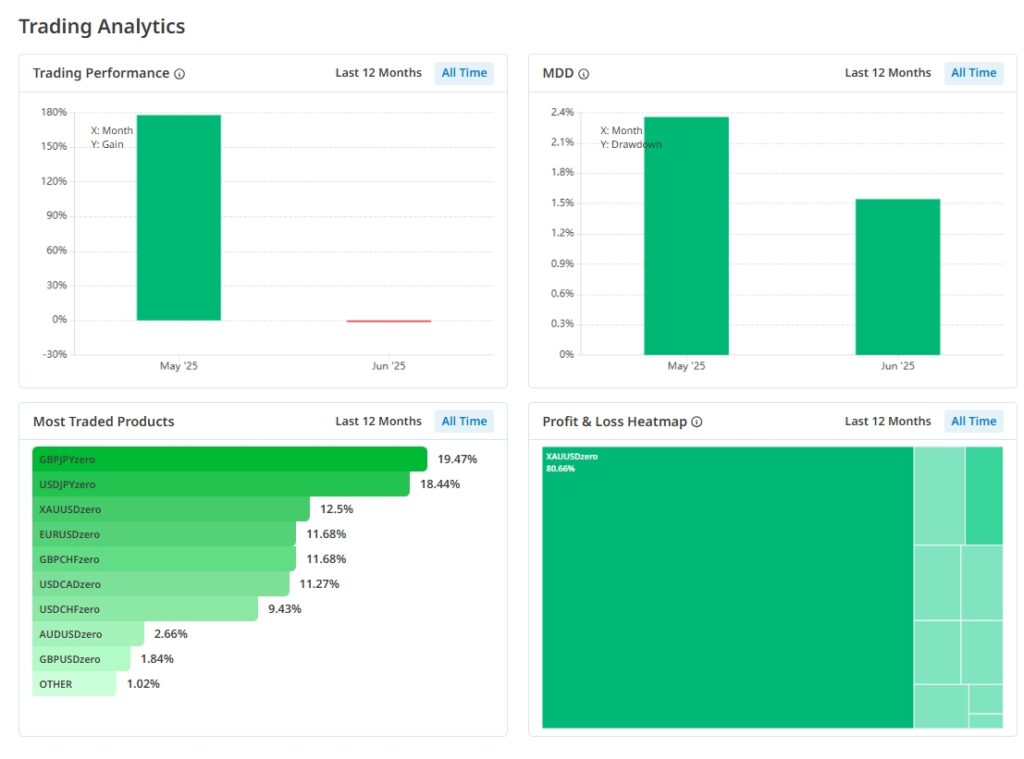
The key to unlocking the power of AI is knowing how to ask the right questions. Here are some sample prompts you can use with AI tools like ChatGPT, tailored for a beginner who might be providing text or a screenshot of a trader’s performance.
For Analyzing a Potential Trader to Copy:
“Analyze the performance of this trader based on the provided screenshot/data. I am a beginner with a [low/medium/high] risk tolerance. Is this a good trader for me to copy? Highlight their strengths, weaknesses, and any red flags I should be aware of. Focus on their consistency, risk-adjusted returns, and Sharpe ratio.”
For Understanding Market Trends:
“What are the current trends in the [EUR/USD or any other asset] market based on historical data and recent news sentiment? Provide a summary of the technical indicators and any macroeconomic factors that might be influencing the price.”
For Risk Management:
“What is the optimal position size for a trade in [X market] with a $[Y] account balance and a [Z]% risk tolerance per trade? Explain the reasoning behind your recommendation.”
For Simulating a Trade:
“Simulate a trade in [X market] with the following conditions: entry at [price], stop-loss at [price], and take-profit at [price]. Predict the potential outcomes and the probability of success based on current market volatility and historical data.”
For Overcoming Emotional Bias:
“I’m feeling anxious about the current market volatility and I’m tempted to close all my positions. Provide me with a data-driven analysis of the situation and give me three reasons why I should stick to my trading plan. Frame it in a way that helps me overcome my fear.”
A Glimpse into the Future: AI in Action on TradingCup
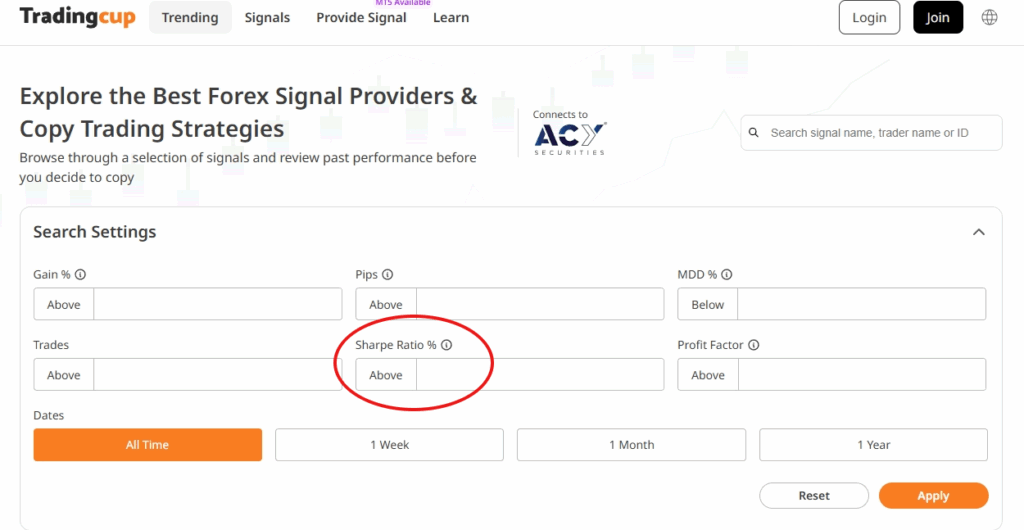
Platforms like TradingCup are at the forefront of integrating AI to help users make smarter copy trading decisions. Their proprietary Money Management Ranking (MMR) system is a prime example of AI in action. It filters out “lucky” traders by focusing on skill-based performance metrics like:
- Sharpe Ratios: To measure risk-adjusted returns.
- Win Rates: To assess profitability.
- Adaptability: To see how a trader performs in volatile markets.
This allows you to find traders who are not just profitable, but also resilient and consistent. The platform also offers transparent leaderboards and access to past competition winners, empowering you to do your own due diligence without any hidden fees.
The Sam Altman Perspective: AI as a Tool for Augmented Intelligence
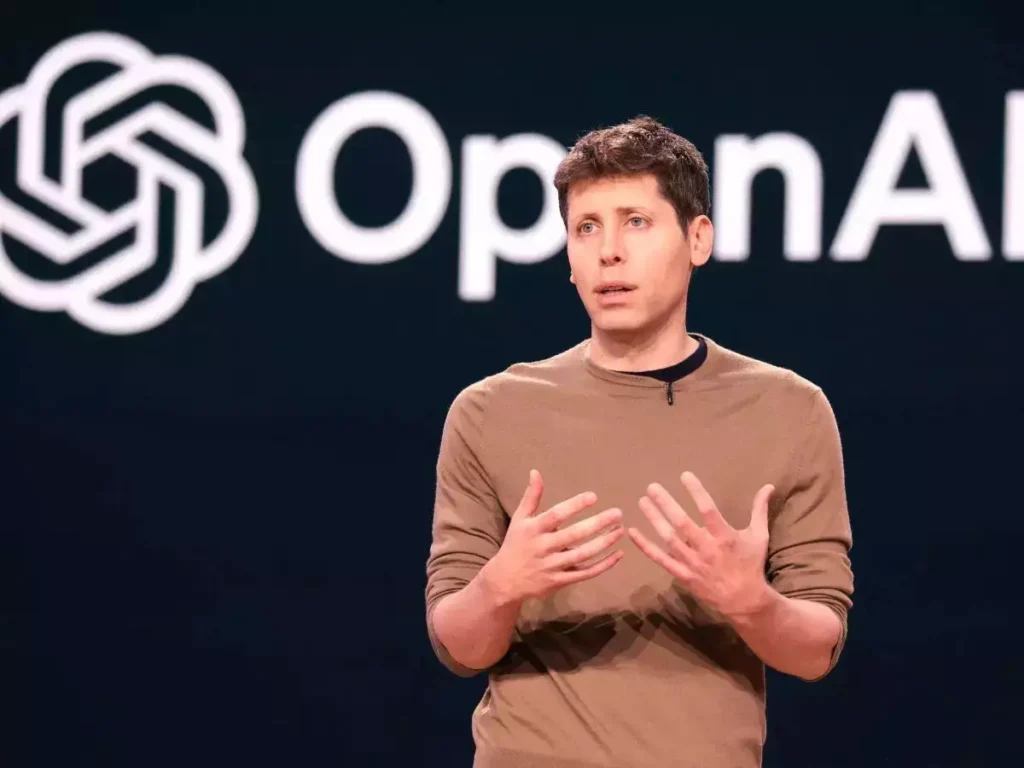
Sam Altman, the CEO of OpenAI, has long been a proponent of AI as a tool to augment human intelligence, not replace it. His vision aligns perfectly with the ethical and effective use of AI in trading. He envisions a future where AI acts as a super-smart assistant, capable of processing vast amounts of information and presenting it in a way that is easy to understand.
In the context of copy trading, this means AI is not about blindly following a machine. It’s about using AI to:
- Enhance Your Due Diligence: Use AI to analyze potential traders, asking it to highlight risks and inconsistencies that you might have missed.
- Deepen Your Understanding: Ask AI to explain complex trading concepts or the rationale behind a particular strategy in simple terms.
- Act as a Sounding Board: Before making a decision, present your thesis to an AI and ask it to play devil’s advocate, pointing out potential flaws in your logic.
By viewing AI as a partner in your decision-making process, you can leverage its computational power while still retaining control and developing your own trading acumen.
Lessons from a Legend: “The Intelligent Investor” by Benjamin Graham
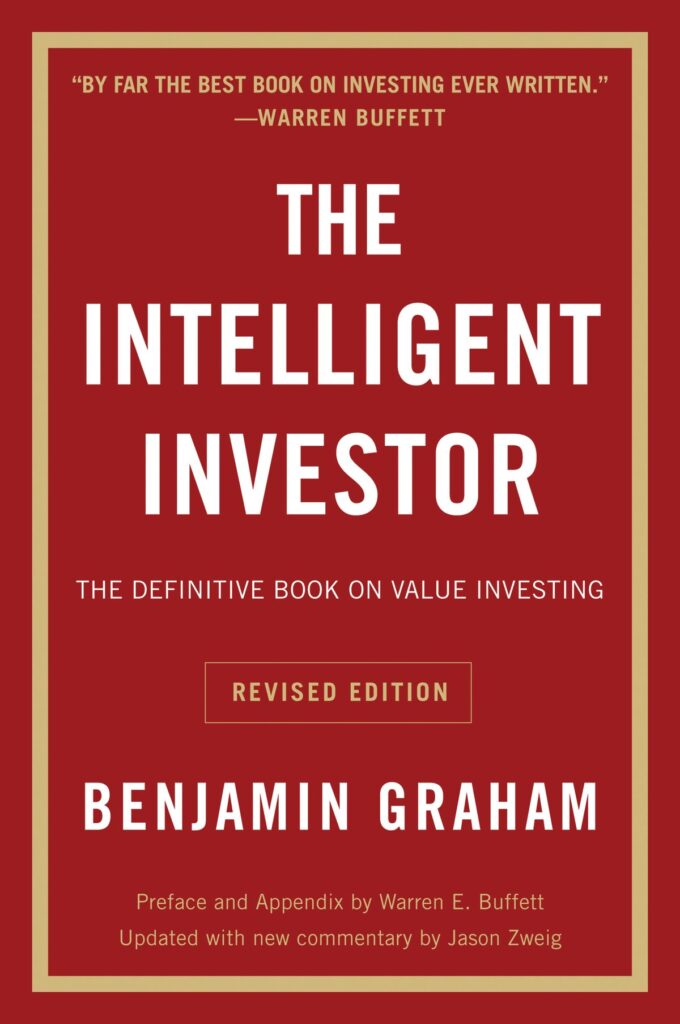
Benjamin Graham, the father of value investing, wrote “The Intelligent Investor” over 70 years ago, yet its lessons are more relevant than ever in the age of AI. Here are 10 key principles from the book and how they apply to AI-assisted copy trading:
- Know Your Business: Understand the fundamentals of the assets you’re trading and the strategies you’re copying. Don’t just blindly follow the AI.
- Mr. Market is Your Servant, Not Your Master: The market is prone to mood swings. Use AI to analyze the data objectively, not to get caught up in the market’s emotional turmoil.
- A Margin of Safety is Key: Always invest with a buffer to protect yourself from unforeseen events. Use AI to calculate optimal position sizes and stop-losses to preserve your capital.
- The Folly of Forecasting: No one can predict the future with 100% accuracy, not even an AI. Use AI for probabilistic thinking, not deterministic predictions.
- The Defensive Investor: Focus on avoiding serious losses rather than chasing extraordinary gains. Use AI to identify traders with a long-term, consistent track record.
- The Enterprising Investor: For those willing to put in the work, there are opportunities to be found. Use AI to do the heavy lifting of data analysis, freeing you up to focus on strategy.
- To Thine Own Self Be True: Know your risk tolerance and investment goals. Use AI to find traders and strategies that align with your personal profile.
- The Perils of Market Timing: Trying to time the market is a fool’s errand. Focus on time in the market, and use AI to help you stay the course.
- Investing vs. Speculating: An investment is based on sound analysis, while speculation is based on hope. Use AI to ensure your decisions are grounded in data and research.
- The Importance of Patience and Discipline: Success in investing is a marathon, not a sprint. Use AI to help you stick to your plan and avoid impulsive decisions.
By combining the timeless wisdom of Benjamin Graham with the cutting-edge technology of AI, you can create a powerful and resilient investment strategy.
The Road Ahead: Navigating the Future of AI in Trading
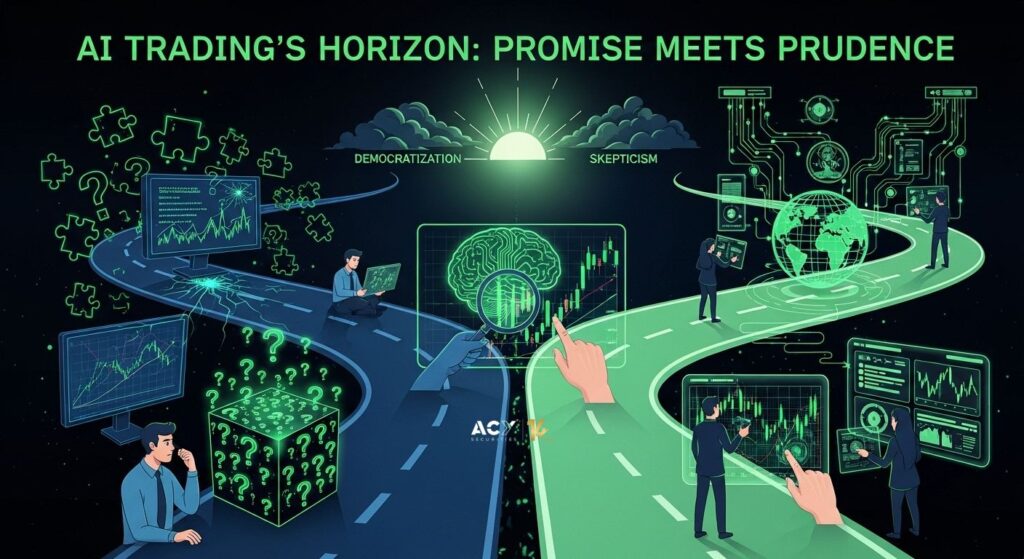
The integration of AI in trading is still in its early stages, and it’s not without its challenges. Over-optimization, where a strategy looks great in backtesting but fails in live markets, is a real risk. Transparency and the “black box” nature of some AI models are also valid concerns.
However, the potential benefits are undeniable. AI has the power to level the playing field, giving retail investors access to tools and insights that were once the exclusive domain of large financial institutions. As the technology continues to evolve, we can expect to see even more sophisticated and user-friendly platforms that will further democratize the world of trading.
The key is to approach AI not as a magic bullet, but as a powerful tool. Combine its analytical prowess with your own judgment and a healthy dose of skepticism. By doing so, you can navigate the complexities of the market with confidence and build a brighter financial future.
Ready to start your journey with AI-assisted trading? Explore platforms like TradingCup and see for yourself how AI can help you find and copy top-performing traders. Remember to start small, do your own research, and never stop learning.
Frequently Asked Questions (FAQ)
1. What is the role of AI in educating beginner traders?
AI plays a pivotal role in educating beginner traders by providing access to advanced analytics and predictive modeling. It can simulate trading scenarios, allowing novices to practice without financial risk. For example, a beginner can use a prompt like, “Simulate a trade in X market with Y conditions and predict outcomes,” to test strategies under various hypothetical conditions.
2. How does AI help in identifying top traders for copy trading?
AI-enhanced platforms like TradingCup use advanced algorithms to evaluate and rank traders based on skill-based performance metrics rather than short-term gains. These metrics include Sharpe ratios, win rates, and adaptability to volatile markets, helping beginners identify profitable and resilient traders to copy.
3. Can AI help mitigate emotional biases in trading?
Yes, AI is highly effective at mitigating emotional biases like fear and greed. It promotes data-driven decision-making by providing objective recommendations based on predictive analytics. For instance, AI can suggest optimal position sizes or exit points, ensuring that traders adhere to a structured strategy even during market volatility.
4. What are some examples of AI-powered trading platforms?
Some prominent examples of AI-driven platforms include:
- Bloomberg Terminal and Kensho: These platforms use machine learning and natural language processing to analyze alternative data sources like news sentiment and social media.
- Stonki: This is an agentic AI platform that generates personalized trading plans and incorporates advanced memory systems to adapt its recommendations.
- Wealthfront and Acuity Trading: These platforms use AI for portfolio optimization, risk management, and sentiment analysis.
- Goldman Sachs’ Marcus Invest: This robo-advisor uses AI to optimize portfolios based on user-defined goals.
5. What are the challenges of using AI in trading?
Despite its advantages, there are challenges to using AI in trading. These include:
- Over-optimization Risk: A strategy may perform well in historical simulations but fail in live markets.
- Transparency Issues: The “black box” nature of some AI models can make it difficult to understand the reasoning behind their recommendations.
- Need for Human Oversight: Relying solely on AI without human judgment can be risky. It’s crucial to integrate AI-driven insights with human expertise.
- Data Reliability: The performance of AI models is heavily dependent on the quality and comprehensiveness of the data they are trained on.
(Disclaimer: This article is for informational and educational purposes only. It should not be considered financial advice. Always conduct your own research and consult with a qualified financial advisor before making any investment decisions.)
For more detailed insights on developing daily trading routines, risk management, and effective position sizing strategies, explore additional articles on Trading Cup. Our trading experts at ACY and FinLogix are also great resources to guide your journey towards trading excellence.

Discover Our Best Trading Signals
At Tradingcup, you can browse through a selection of signals and review past performance before you decide to copy.
Become A Signal Provider
Share your expertise and become a signal provider so other traders can copy your trades.
Stay tuned to our blog for more trader spotlights and leaderboard updates.
Trading involves risks.
Visit the Tradingcup blog through the link below for more updates: https://www.tradingcup.com/learn
Related Copy Trading blogs:
- Understanding Market Liquidations: Liquidity Sweeps and Runs Explained
- 7 Essential Daily Habits of Successful Traders to Outperform Their Peers
- 10 Strategies You Can Copy off Our Best Copy Traders
- 5 Strategies Every Trader Can Master To Trade Better In A Trading Contest
- 2025 Copy Trading Scams Exposed: How to Spot Fraud
- A Swing Trading Strategy with an 83 Percent Win Rate and Low Drawdowns
- Forex Martingale Strategies Explained, The Good, The Bad and The Ugly
- Pyramiding Trading Tutorial – Pros & Cons & How to Use It