Last Updated: June 25, 2025
This article is reviewed annually to reflect the latest market regulations and trends.
Disclaimer: The information in this article is for educational purposes only and does not constitute financial, investment, or trading advice. Copy trading carries substantial risks, including the potential loss of your entire invested capital. Past performance of copied traders or strategies is not a reliable indicator of future results. You may be replicating high-risk trades, overleveraged positions, or strategies incompatible with your financial goals. Always conduct independent research into a trader’s historical performance, risk metrics, and strategy before copying them. Never invest funds you cannot afford to lose. Consult a licensed financial advisor to ensure copy trading aligns with your risk tolerance, financial objectives, and regulatory requirements in your jurisdiction. This article does not endorse specific traders, platforms, or strategies, and all trading decisions remain your sole responsibility.
TL; DR
- With risk management, your account’s a survivor, so your profits can be a real high-flyer.
- Find traders so steady, not flashy and new, for a portfolio that’s consistent and true.
- Let compounding’s slow magic do the heavy lifting, and soon you’ll find your account balance shifting.
- With a small, diverse team of traders to guide, you can weather the storm and enjoy the ride.
- If the process feels boring, you’re doing it right; for thrills, go to Vegas, not a forex trade fight.
“The individual investor should act consistently as an investor and not as a speculator.” – Benjamin Graham
Introduction: Are You Trying to Invest, But Life Keeps Getting in the Way?
The desire to build wealth is universal, but the path is often obscured by the realities of modern life. A demanding job, family commitments, and the endless hum of daily responsibilities leave little time for mastering complex new skills. Many aspiring investors find their way to the foreign exchange (forex) market, drawn by its promise of opportunity, only to be confronted by a steep learning curve of charts, indicators, and economic analysis.
This is where copy trading enters the picture, presenting itself as the perfect solution. It offers a path to participate in the financial markets without years of dedicated study, allowing individuals to leverage the expertise of seasoned professionals. The premise is simple and seductive: find a successful trader, click “copy,” and watch your account grow.
However, this apparent simplicity is a double-edged sword. The very ease of copy trading is what makes it so perilous for the unprepared. Social media and platform leaderboards amplify stories of explosive gains, creating a powerful fear of missing out (FOMO) that encourages reckless decisions. This guide is not another chapter in that story. It is a strategic blueprint designed to navigate this paradox. Growing a small copy trading account is not about finding a magical trader who never loses; it is about an individual becoming a disciplined, informed portfolio manager who uses automation as a powerful tool for execution, not as a substitute for strategy and diligence.
The Blueprint: Your Roadmap to Growing a Small Copy Trading Account
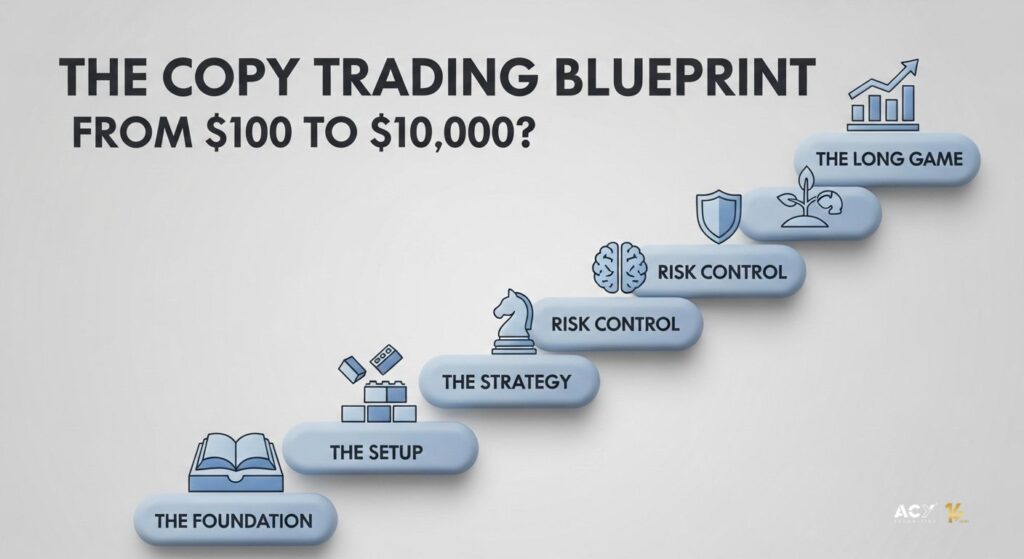
This article is structured as a comprehensive roadmap, guiding an investor through the essential phases of building and nurturing a small copy trading account.
- Phase 1: The Foundation – Understanding the game being played.
- Phase 2: The Setup – Building a portfolio from scratch.
- Phase 3: The Strategy – Thinking like a market legend.
- Phase 4: Risk Control – Protecting capital at all costs.
- Phase 5: The Long Game – Nurturing an account for lasting success.
Chapter 1: Foundations – What Exactly is Forex Copy Trading?
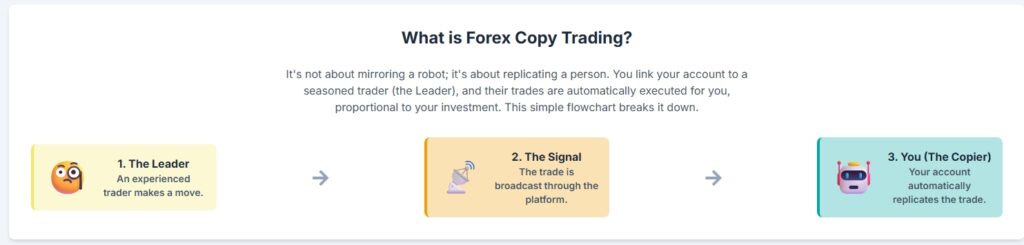
What is Copy Trading?
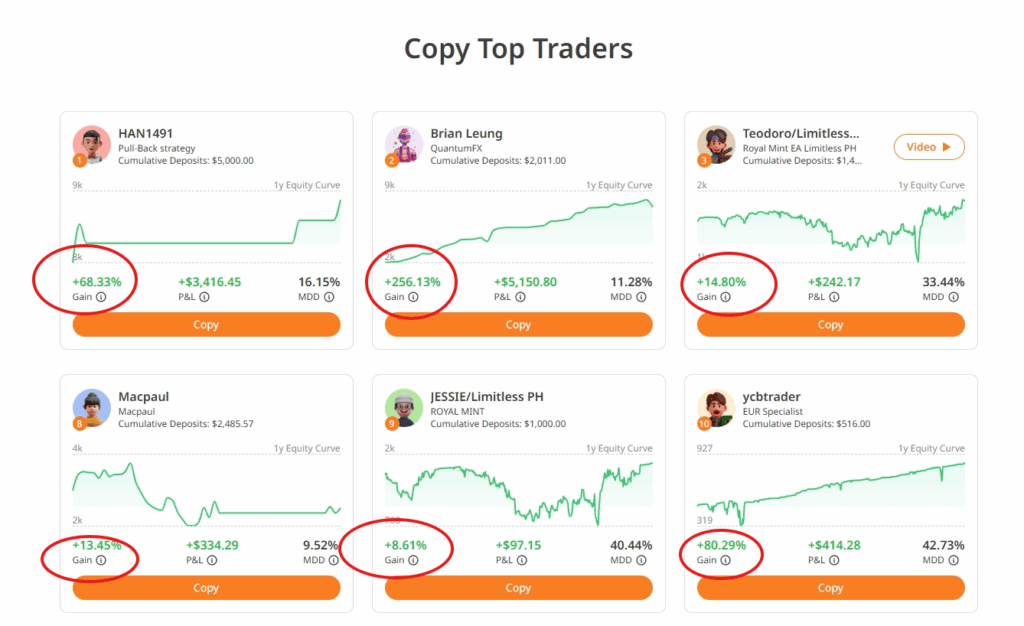
At its core, copy trading is a form of social and automated trading that allows an investor, known as the “copier,” to automatically replicate the trades of another, typically more experienced trader, known as the “signal provider” or “leader”. The mechanism works by linking a portion of the copier’s portfolio to the leader’s account. From that point on, every trading action the leader takes, opening a position, setting a stop-loss, or closing a trade, is executed in the copier’s account in real-time and in proportion to the allocated funds.
For example, if a Signal Provider with a $10,000 account opens a trade that risks 1% of their capital ($100), a copier who has allocated $1,000 to that leader will see the same trade opened in their account, risking a proportional 1% of their allocation ($10).
It is critical, however, to distinguish copy trading from its predecessor, mirror trading. While often used interchangeably, they represent fundamentally different approaches. Mirror trading allows an investor to replicate a predefined trading strategy or algorithm. Copy trading, in contrast, involves copying the actions of a person
This distinction is not merely semantic; it is the central pillar of risk assessment in this domain. When copying a strategy, the analysis focuses on back-tested performance, statistical probabilities, and algorithmic logic. When copying a person, an entirely new layer of risk is introduced: human fallibility. This includes emotional decision-making, discipline failures, and the potential for “strategy drift,” where a trader deviates from their stated plan. Therefore, the primary question for a copy trader shifts from “What is the strategy?” to “Who is the trader, and how reliable is their decision-making process under pressure?” This reframes the entire endeavor from a purely technical analysis to one that requires a deep, qualitative assessment of the individual being copied.
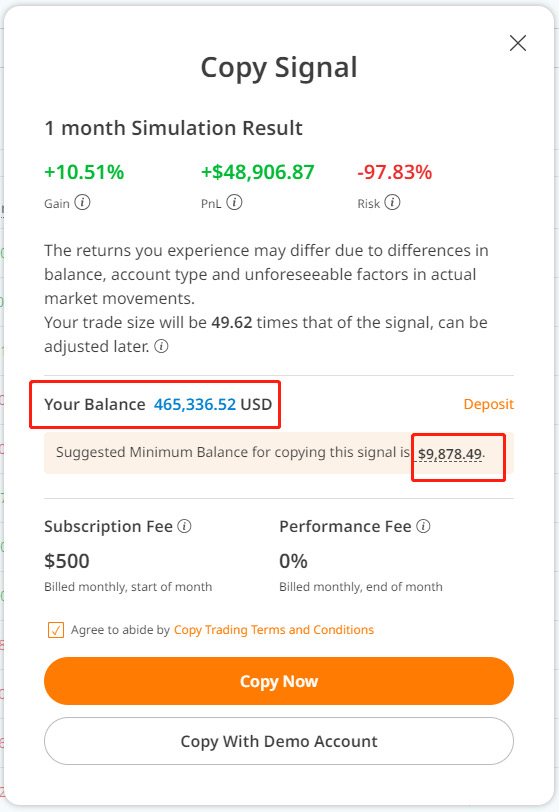
For those starting from the very beginning, a deeper dive into the fundamentals can be found by exploring this guide on starting copy trading in forex.
Chapter 2: The Setup – How Do You Build a Resilient Portfolio from Day One?
How Much Capital Do You Really Need to Start?
Many forex brokers and copy trading platforms advertise enticingly low minimum deposits, with some suggesting an investor can start with as little as $10, $50, or even $0. Platforms like Axi and Pepperstone, for instance, have no minimum deposit requirement for those copying trades, though they do require a more substantial $500 for those who wish to become signal providers themselves.
These low entry barriers, however, are a marketing tactic and can be dangerously misleading. The advertised minimum deposit is not the same as the effective minimum capital required to trade responsibly. The core principles of sound portfolio management, namely diversification and risk control, dictate a more realistic starting point. Analysis consistently recommends diversifying across 3-5 traders and risking no more than 1-2% of total capital on any single trade. On a $100 account, a single micro-lot trade could easily represent 10-20% of the entire account, violating every rule of prudent risk management.
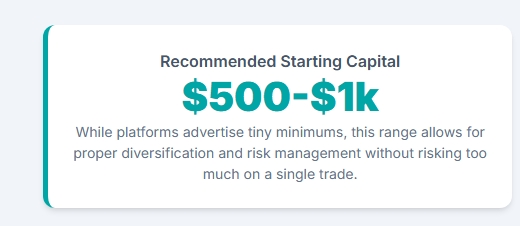
Therefore, the true minimum capital is not what the platform allows, but what the strategy demands. To properly diversify across a small portfolio of traders and maintain disciplined position sizing, a starting capital in the range of $500 to $1,000 is far more practical. This amount provides enough buffer to withstand minor drawdowns, allocate meaningful capital to several traders, and ensure that individual trades do not pose an existential threat to the account. For more platform-specific guidance, one can review this article on the suggested minimum balance.
How Do You Find Traders Who Won’t Wreck Your Account?
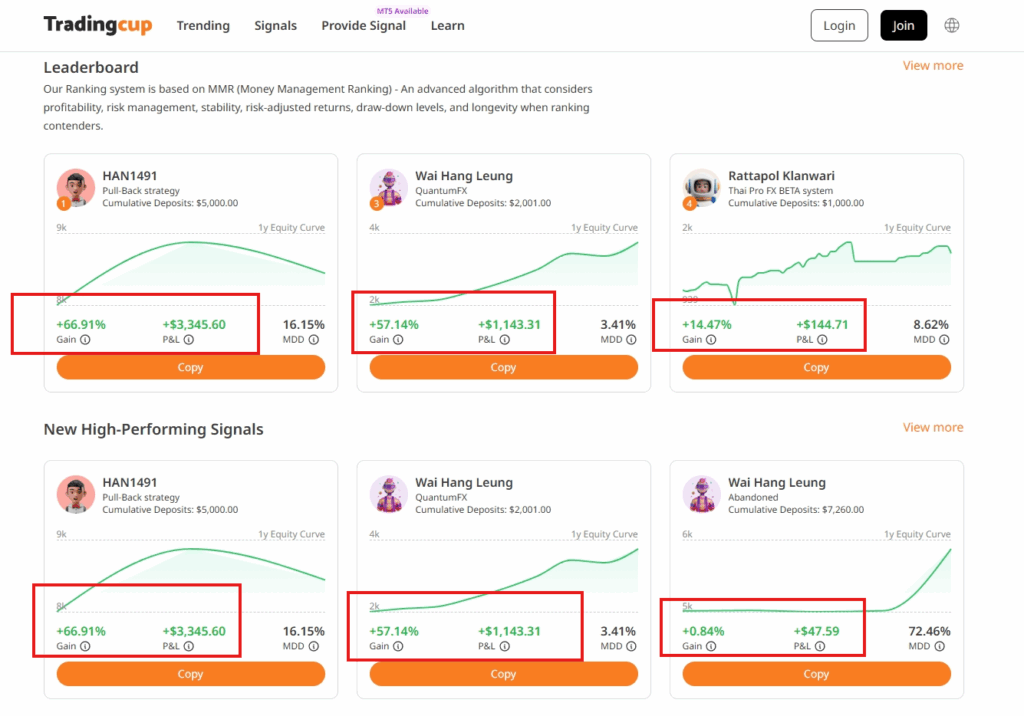
The single most common and catastrophic mistake made by beginners is the failure to conduct thorough due diligence on the traders they copy. The typical user journey involves logging into a platform, sorting traders by “Highest ROI,” and copying the one at the top. This is a recipe for disaster. Platform leaderboards are often dominated by traders who have gotten lucky in the short term, are taking on massive, undisclosed risk, or are riding a temporary market bubble. Reddit discussions are filled with cautionary tales of users who followed high-flyers only to see their accounts decimated when that luck inevitably ran out.
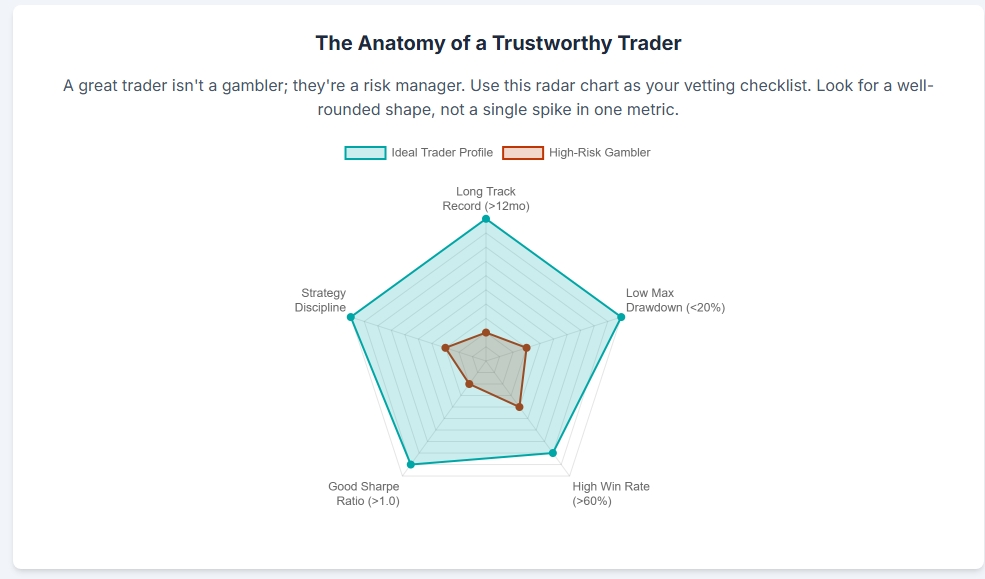
A professional approach requires an actively contrarian mindset: ignore the headline ROI and instead use the platform’s filtering tools to find traders who meet a strict, risk-averse checklist. The real gems are often the “boring” traders who demonstrate consistency over spectacle. Key metrics to evaluate include a verified trading history of at least 12 months, a maximum monthly drawdown below 20%, a win rate consistently above 60%, and a Sharpe ratio (a measure of risk-adjusted return) greater than 1.0.
To move from emotional selection to a data-driven process, an investor should use a systematic vetting checklist.
| Metric | Ideal Benchmark | Red Flag | Why It Matters |
| Track Record | > 12 months | < 6 months | Proves the strategy works across different market conditions, not just a single lucky streak. |
| Max Drawdown | < 20% | > 30% | Shows how much the trader has lost from a peak. A high drawdown indicates excessive risk-taking. |
| Win Rate | > 60% | < 50% or > 95% | A consistently positive win rate is good. A rate near 100% may indicate a risky “no stop loss” strategy. |
| Sharpe Ratio | > 1.0 | < 1.0 | Measures return relative to risk. A higher number indicates better risk-adjusted performance. |
| Avg. Trade Duration | Matches their stated strategy | Scalping when they claim to be a swing trader | Inconsistency between stated strategy and actual behavior is a major warning sign of a lack of discipline. |
| Follower Feedback | Constructive comments, signs of a community | Complaints of strategy changes, high risk | The comments section can reveal how a trader behaves during losing periods. |
| Skin in the Game | Trading with significant personal capital | Trading a tiny account with many copiers | A trader risking their own substantial money is more likely to be prudent than one playing with others’ funds. |
Once an investor understands these criteria, the next step is to learn how to find top traders to copy trade on a platform.
Should You Start with Free Signals?
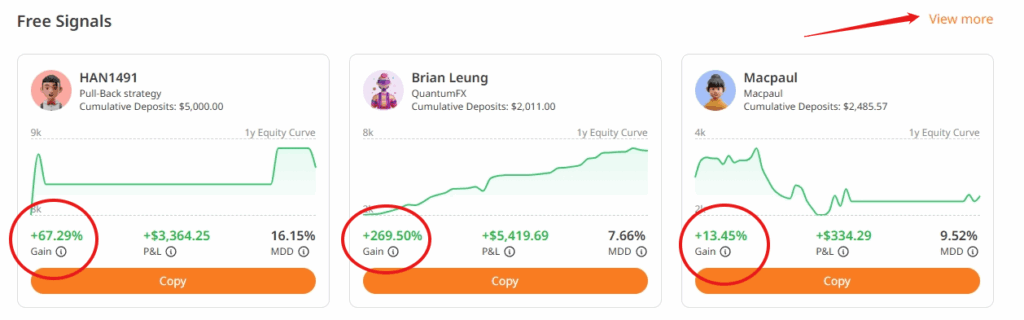
Many platforms, including TradingCup, offer access to free trading signals. For a beginner, this can seem like a risk-free way to start. However, community sentiment and expert analysis suggest that relying on free signals for long-term profit is a flawed strategy. Signal providers who are not compensated have little incentive to maintain quality control, consistency, or disciplined risk management.
The true utility of free signals is not for profit, but for education and system testing. They serve as a “driving range” for the new copy trader. By copying a few free signals on a demo account or with a very small amount of capital, a beginner can:
- Learn the mechanics of how trades are opened and closed automatically.
- Observe the impact of spreads and execution speed on profitability.
- Become comfortable with the platform’s interface and monitoring tools.
This approach allows for a hands-on learning experience without significant financial risk or the cost of a subscription. Once the mechanics are understood, the focus should shift to copying vetted, professional traders. A selection of free signals to copy can be explored here for this educational purpose.
How Many Traders Should You Copy? The Art of Diversification
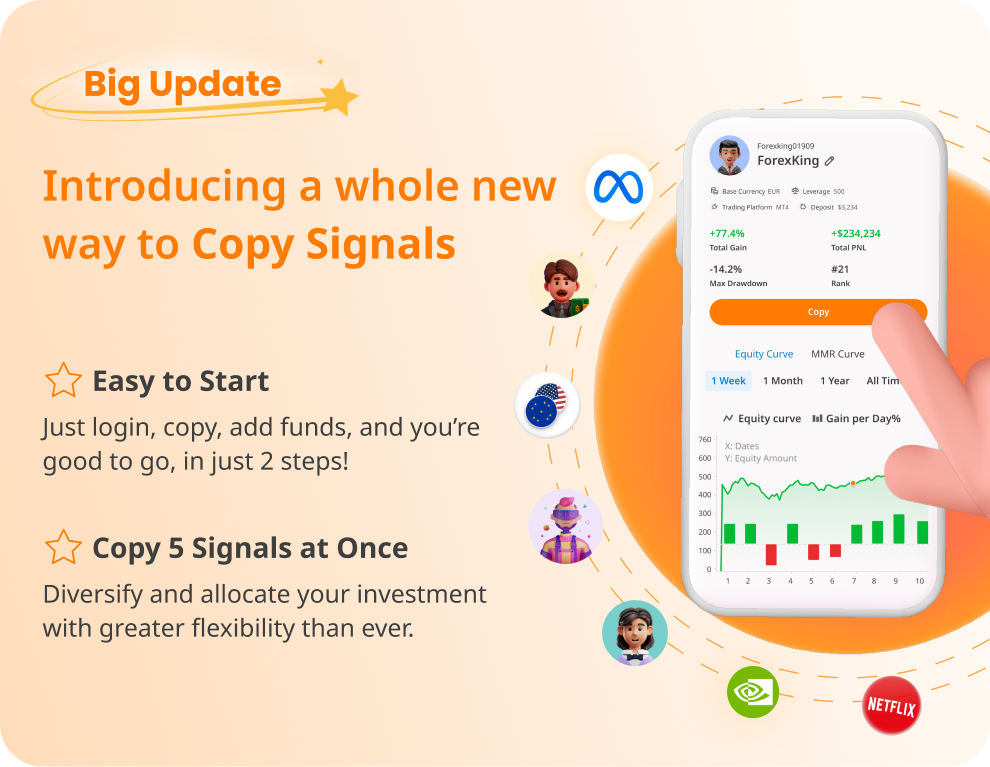
A foundational error in portfolio management is over-concentration, and in copy trading, this manifests as putting all of one’s capital into a single trader. This is equivalent to making a single, high-stakes bet. If that trader has a bad month, changes their strategy, or simply makes a mistake, the entire investment is jeopardized.
The consensus recommendation is to build a portfolio of 3-5 different traders. However, true diversification is not about the number of traders but about the low correlation between their strategies. Copying five different traders who all scalp the EUR/USD currency pair is not diversification; it is concentration. A single market event or a flaw in that specific strategy could wipe out the entire portfolio simultaneously.
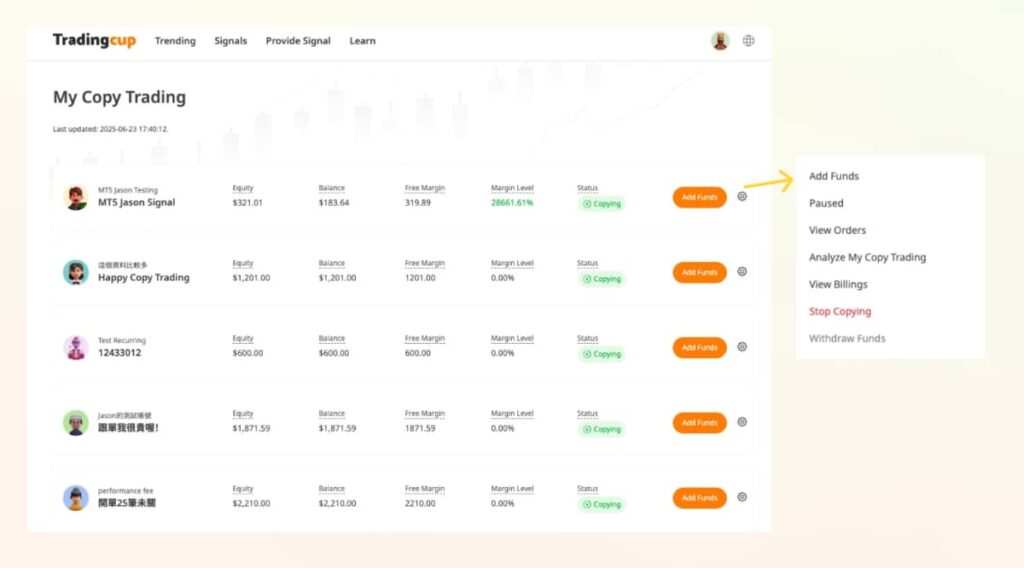
A genuinely diversified copy trading portfolio is constructed more like an institutional fund. It might include:
- A forex swing trader who holds positions for several days.
- A commodities trend follower who trades gold or oil.
- An equity indices day trader focused on the S&P 500.
- A conservative, low-leverage crypto trader.
This approach ensures that the portfolio is not overly exposed to the success or failure of a single asset class, timeframe, or trading style. It builds resilience. A speculative “top gainer” can be added to this mix, but their allocation should be small and their risk understood as the “satellite” or high-risk portion of the portfolio, not part of the core.
Chapter 3: The Strategy – What Are the Secrets to Smart Growth?

The Activist’s Mindset: How Would Carl Icahn Approach Copy Trading?
Carl Icahn, the legendary “corporate raider” and activist investor, built his fortune by taking large stakes in companies he deemed undervalued or poorly managed and then aggressively pushing for changes to unlock shareholder value. His philosophy is famously contrarian: “buy something when no one wants it”. He focuses on the underlying business assets and potential, not just fleeting quarterly earnings.
A small retail investor cannot replicate Icahn’s corporate activism directly. They cannot buy a 10% stake in a trader and force them to change their strategy. However, they can, and should, adopt an activist’s mindset toward their own portfolio. This means abandoning the passive “set and forget” approach and treating each copied trader as an active investment that must continually justify its allocation of capital.
This mindset can be applied through three core principles:
- “Buy Undervalued Assets”: In the world of copy trading, an “undervalued asset” is a trader who delivers consistent, steady, risk-adjusted returns but is overlooked by the masses chasing lottery-ticket profits. These are the traders who may not top the 30-day leaderboard but have a solid 2-year track record with low drawdowns. An Icahn-minded copy trader would actively seek out these “unpopular” but fundamentally sound performers, recognizing their true value beyond the hype.
- “Force Change”: The copy trader’s power lies not in changing the signal provider, but in changing their own capital allocation. This means being ruthless about “divesting” from, that is, unfollowing, any trader who fails to perform. If a trader deviates from their stated strategy, if their risk profile suddenly increases, or if they enter a prolonged drawdown that violates their historical norms, the activist copy trader acts decisively. They cut the “losing division” from their portfolio to protect the health of the overall enterprise.
- “Active Involvement”: Icahn is known for his deep involvement in the companies he targets. He does not buy and hope. Similarly, the copy trader must be actively involved in monitoring their portfolio. This does not mean watching every tick of the chart, but it does mean conducting regular, scheduled reviews of each trader’s performance against the initial vetting criteria. This active oversight is the ultimate antidote to the passive mindset that so often leads to financial ruin.
The Wall Street Legend’s Playbook: 10 Lessons from Peter Lynch for Copy Traders
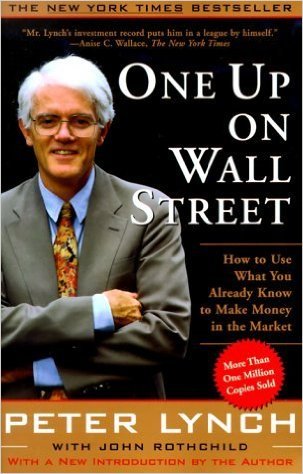
Peter Lynch, the legendary manager of the Fidelity Magellan Fund, championed the idea that individual investors have an edge over institutions because they can “invest in what you know”. While his advice was geared toward picking stocks, his timeless principles provide a powerful framework for selecting and managing copied traders.
The most critical translation of his philosophy is this: in copy trading, “what you own” is not a stock, but a stake in a trader’s decision-making process. Therefore, to “know what you own,” you must understand that process. If an investor cannot explain the trader’s strategy in simple terms, what Lynch called the “crayon test,” they have no business copying them. This transforms trader selection from a black box of blind faith into a clear, understandable investment thesis.
The following table reimagines Lynch’s golden rules for the modern copy trader:
| Peter Lynch’s Rule | The Copy Trader’s Application |
| 1. “Know what you own, and why you own it.” | Know who you copy, and why you copy them. Articulate their strategy (e.g., “This trader uses a trend-following strategy on major FX pairs with a 3:1 risk-reward ratio”). |
| 2. “Behind every stock is a company. Find out what it’s doing.” | Behind every trader is a strategy. Find out what it is, what markets they trade, and if they are consistent in its application. |
| 3. “Long shots almost always miss the mark.” | Chasing traders with 1000% ROI is a long shot. It almost always ends in a blown account. Favor consistency over explosive, unsustainable gains. |
| 4. “Big companies have small moves, small companies have big moves.” | Highly followed, established traders may offer stable but smaller returns. Undiscovered but skilled traders may offer higher growth potential, but with higher risk. |
| 5. “Never invest in a company without understanding its finances.” | Never copy a trader without understanding their key risk metrics: maximum drawdown, average leverage, risk/reward per trade, and profit factor. |
| 6. “A stock market decline is a great opportunity.” | A copied trader’s drawdown period is a test of their strategy’s resilience and their psychological fortitude. It is an opportunity to observe their behavior, not to panic. |
| 7. “Don’t get involved with more than you can handle.” | Do not copy more traders than can be effectively monitored. A portfolio of 3-5 well-vetted and uncorrelated traders is manageable for a part-time investor. |
| 8. “The person that turns over the most rocks wins the game.” | The copy trader who diligently vets the most signal providers is the one who will uncover the hidden gems that others miss. |
| 9. “Avoid hot stocks in hot industries.” | Avoid the most hyped-up, over-followed traders on the platform’s leaderboard. Look for quiet competence in less crowded strategies. |
| 10. “Time is the friend of the wonderful company.” | Time is the friend of a wonderful strategy. Once a trader has been thoroughly vetted, give their strategy the time and room it needs to work, without interfering based on short-term noise. |
Chapter 4: Risk Control – How Do You Protect Your Capital from Catastrophe?
What Unconscious Mistakes Are Sabotaging Your Growth?
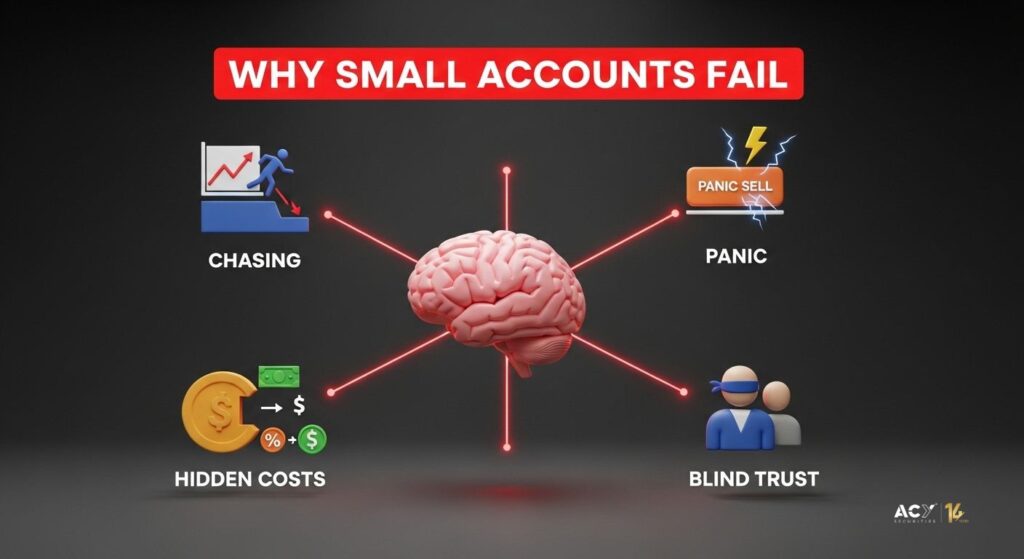
Analysis of trader discussions on platforms like Reddit reveals a consistent pattern of behavioral errors that sabotage small accounts. These mistakes are rarely technical; they are almost always psychological. They include:
- Chasing Performance (FOMO): Jumping on a trader after a hot streak, only to join just in time for the inevitable correction.
- Emotional Decision-Making: Panicking during a drawdown and closing positions at the worst possible time, or “revenge trading” to try and win back losses.
- Ignoring Costs: A critical and often overlooked error is failing to account for the total cost of copying. A signal provider’s advertised 30% annual return can quickly shrink to a meager 2% for the copier after spreads, commissions, and profit-sharing fees are deducted.
- Blind Trust: The most pervasive mistake is assuming that copying an “expert” absolves one of the responsibility for risk management. This leads to a lack of diversification and a failure to set personal safety limits.
All of these errors stem from a single, fundamental disconnect: the conflict between the expectation of easy, passive income and the reality that all investing requires discipline and risk management. Individuals fail because they treat copy trading like buying a lottery ticket instead of managing a business. The “work” in copy trading is not in analyzing charts, but in mastering one’s own psychology and adhering to a pre-defined, logical plan. Many of these pitfalls are tips that beginners unconsciously ignore.
Is There a “Safety Switch”? Mastering the Copy Trading Multiplier
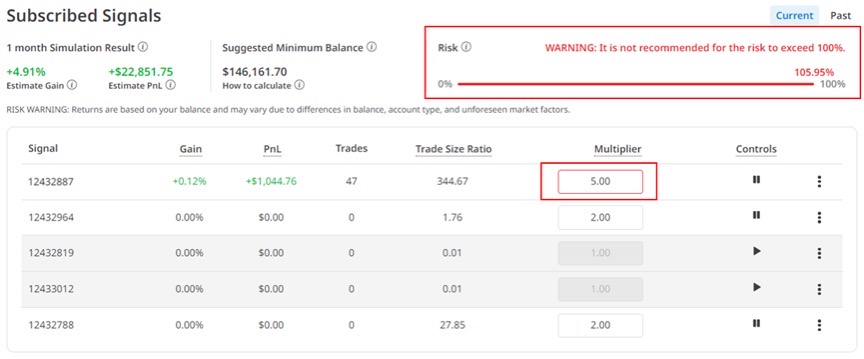
Perhaps the single most powerful and underutilized tool for a small account is the copy trading multiplier. This feature allows a copier to adjust the size of the replicated trades relative to the signal provider’s trades. It can be set to a value greater than 1 to increase risk or, more importantly for a small account, to a value less than 1 to reduce it.
This tool is a game-changer because it transforms the binary “copy/don’t copy” decision into a nuanced risk-weighting exercise. For instance, an investor might identify a superb trader with a consistent, long-term track record, but find that their standard risk per trade is 4% of their account capital. If the investor’s personal rule is to risk no more than 1% per trade, they don’t have to discard this excellent trader. Instead, they can set a copy multiplier of 0.25. This setting instructs the platform to open trades at one-quarter of the provider’s proportional size, perfectly aligning the provider’s signals with the copier’s risk tolerance.
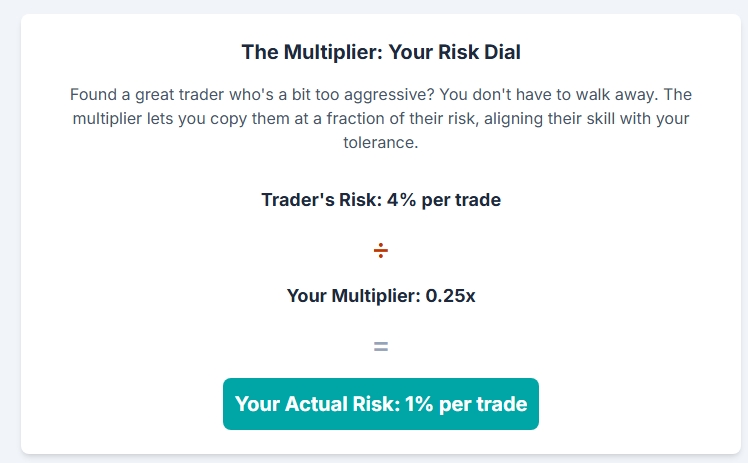
The multiplier effectively allows a small account to “buy” the skill of a high-quality trader while “renting” it at a lower risk level. It is the key to accessing a wider pool of talent that might otherwise seem too aggressive. A detailed explanation of the copy trading multiplier can be found here, and understanding it is crucial for sophisticated risk management
Chapter 5: The Long Game – How Do You Nurture Your Account for Lasting Success?
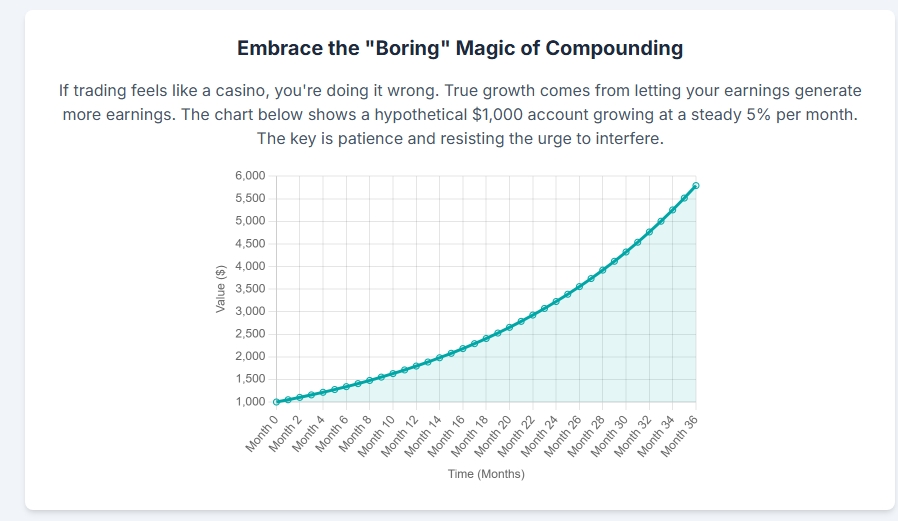
Why is Compounding the Most “Boring” and Powerful Force in Copy Trading?
Compounding is the process of reinvesting earnings to generate additional earnings over time, the “snowball effect” that allows a small sum to grow into a substantial one. Albert Einstein reportedly called it the eighth wonder of the world. In trading, it is the quiet engine of long-term wealth creation.
Yet, the primary obstacle to harnessing its power is psychological impatience. The human brain is wired with an “action bias,” a nagging urge to do something, especially in the face of uncertainty. This bias leads to overtrading, strategy-hopping, and emotional decision-making, all of which interrupt and destroy the compounding process. Successful investing, as George Soros noted, should be boring. If it’s entertaining and thrilling, it’s likely closer to gambling, and the investor is probably not making money.
A successful copy trading account should be uneventful on a daily basis. The goal is not the dopamine rush of a single, risky win but the quiet satisfaction of a steadily rising equity curve over months and years. The “magic” of compounding only happens when it is left undisturbed to work. This requires a conscious decision to embrace the “boring” and resist the temptation to interfere. This mindset is precisely why that is a sign of a healthy, sustainable strategy.
How Often Should You Actually Monitor Your Portfolio?
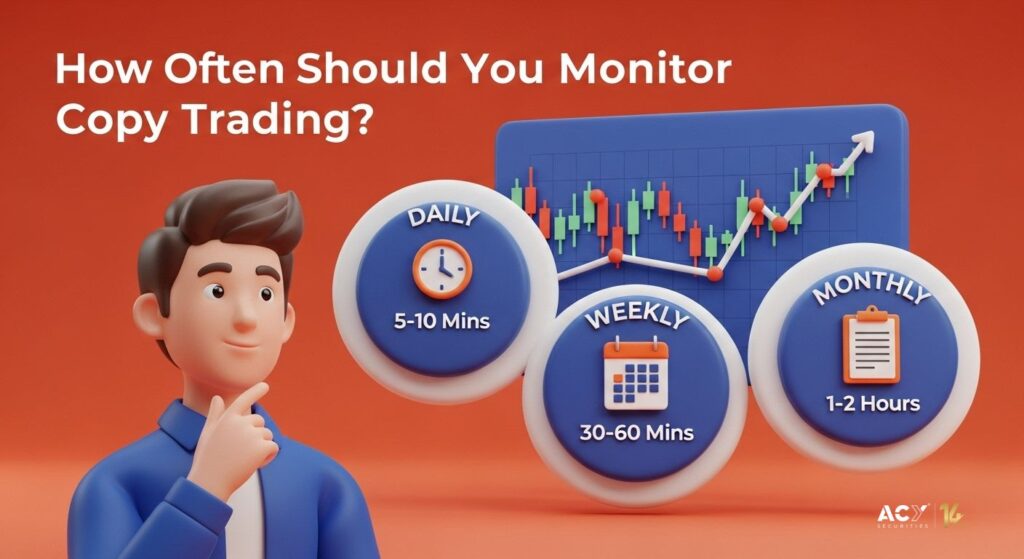
The question of monitoring frequency presents a paradox. Constant screen-watching leads to emotional, knee-jerk reactions to meaningless market noise. No monitoring at all leads to neglect and allows small problems to escalate into disasters.
The solution is to adopt a professional, structured monitoring schedule. The frequency of checking the portfolio should match the objective of the check. This approach provides control and oversight without fostering obsession and emotional interference.
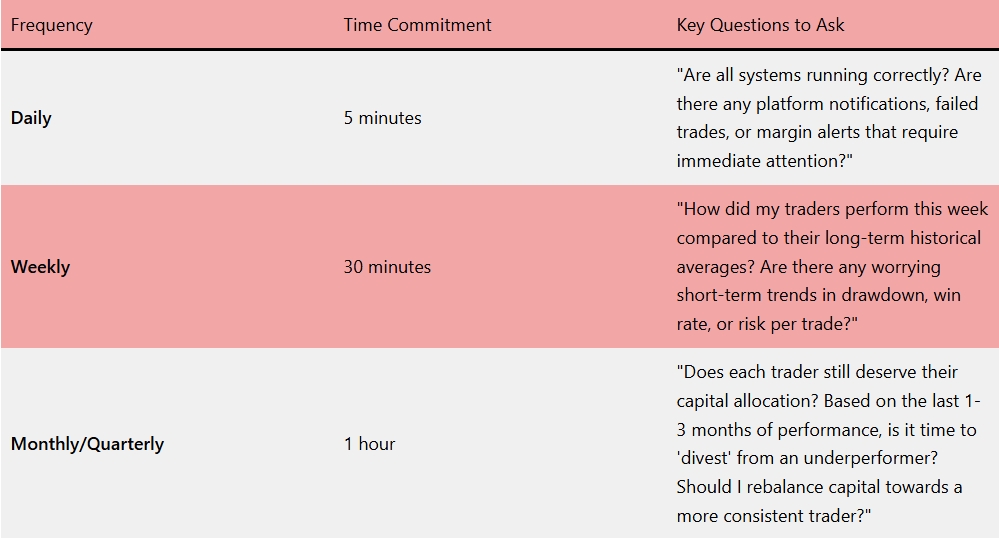
This tiered schedule ensures that tactical adjustments are based on meaningful trends (weekly), while strategic decisions are based on long-term performance (monthly/quarterly), effectively filtering out the daily noise that derails so many investors. For more detail, this guide on how often you should monitor your copy trades in forex is an essential resource.
Conclusion: Your Journey to Smarter Forex Copy Trading Starts Now
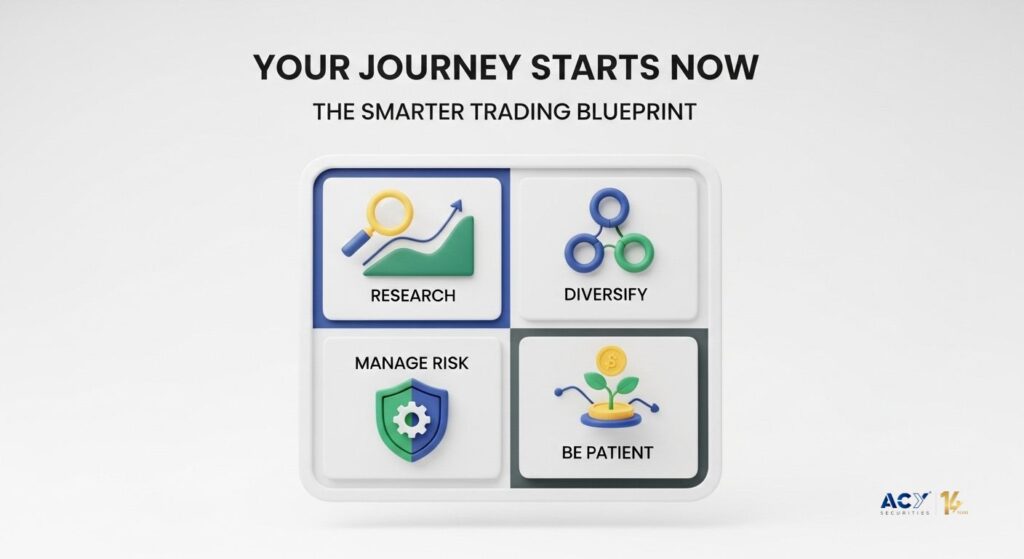
Growing a small copy trading account from a modest sum into a meaningful asset is an achievable goal. However, success is not found in the promise of passive, effortless income. It is forged through the disciplined application of time-tested investment principles in a modern technological wrapper. The journey requires a fundamental shift in mindset: from a passive copier to an active portfolio manager.
The pillars of this approach are clear:
- Rigorous Research: Vetting traders with the skeptical eye of a professional analyst, prioritizing long-term consistency and risk management over short-term hype.
- Strategic Diversification: Building a resilient portfolio by spreading capital across traders with uncorrelated strategies, not just different names.
- Active Risk Management: Using the full suite of platform tools, multipliers, stop-losses, and drawdown protection to automate discipline and protect capital from emotional errors.
- Informed Patience: Resisting the urge to meddle and embracing the “boring” but immense power of compounding over the long term.
Copy trading is not a shortcut to wealth, but it can be a powerful accelerator. By following the blueprint laid out in this guide, an investor can navigate the common pitfalls and harness the true potential of this technology, transforming their small account into a testament to smart, strategic, and sustainable growth.
Frequently Asked Questions (FAQ)
Is forex copy trading profitable for beginners?
Yes, copy trading can be profitable for beginners, but its success is entirely dependent on a disciplined approach. Profitability is not a given; it is the result of rigorous trader research, strategic diversification across multiple traders, and stringent risk management. It should be viewed as a serious investment strategy, not a “get-rich-quick” scheme.
What are the biggest risks in copy trading?
The most significant risks are not in the market itself, but in the copier’s behavior. The biggest risks include: poor trader selection based on hype instead of data, over-concentrating all capital in a single trader, making emotional decisions driven by fear or greed, and failing to use essential risk management tools like copy stop-losses.
How much money can you realistically make with copy trading?
Realistic returns are aligned with professional investment management, not lottery winnings. While some traders may show short-term gains of thousands of percent, these are typically unsustainable and involve extreme risk. A more realistic and sustainable goal is to copy traders who aim for consistent annual returns in the 15-30% range. Chasing astronomical returns almost always leads to substantial losses.
Can I lose all my money in copy trading?
Yes. All trading carries a significant risk of loss. Without proper risk management, such as diversifying your portfolio, setting a copy stop-loss for each trader, and controlling your position size with a multiplier, it is entirely possible to lose your entire investment, especially if you copy an overly aggressive or undisciplined trader.
How do I choose the best platform for copy trading?
The best platforms are typically regulated by reputable financial authorities. Key features to look for include: transparent and detailed performance statistics for all signal providers, a wide variety of traders to choose from, robust and customizable risk management tools (like multipliers and copy stop-losses), and a clear, reasonable fee structure.
(Disclaimer: This article is for informational and educational purposes only. It should not be considered financial advice. Always conduct your own research and consult with a qualified financial advisor before making any investment decisions.)
For more detailed insights on developing daily trading routines, risk management, and effective position sizing strategies, explore additional articles on Trading Cup. Our trading experts at ACY and FinLogix are also great resources to guide your journey towards trading excellence.

Discover Our Best Trading Signals
At Tradingcup, you can browse through a selection of signals and review past performance before you decide to copy.
Become A Signal Provider
Share your expertise and become a signal provider so other traders can copy your trades.
Stay tuned to our blog for more trader spotlights and leaderboard updates.
Trading involves risks.
Visit the Tradingcup blog through the link below for more updates: https://www.tradingcup.com/learn
Related Copy Trading blogs:
- Understanding Market Liquidations: Liquidity Sweeps and Runs Explained
- 7 Essential Daily Habits of Successful Traders to Outperform Their Peers
- 10 Strategies You Can Copy off Our Best Copy Traders
- 5 Strategies Every Trader Can Master To Trade Better In A Trading Contest
- 2025 Copy Trading Scams Exposed: How to Spot Fraud
- A Swing Trading Strategy with an 83 Percent Win Rate and Low Drawdowns
- Forex Martingale Strategies Explained, The Good, The Bad and The Ugly
- Pyramiding Trading Tutorial – Pros & Cons & How to Use It