Last Updated: February 25, 2026
This article is reviewed annually to reflect the latest market regulations and trends.
Disclaimer: The information in this article is for educational purposes only and does not constitute financial, investment, or trading advice. Copy trading carries substantial risks, including the potential loss of your entire invested capital. Past performance of copied traders or strategies is not a reliable indicator of future results. You may be replicating high-risk trades, overleveraged positions, or strategies incompatible with your financial goals. Always conduct independent research into a trader’s historical performance, risk metrics, and strategy before copying them. Never invest funds you cannot afford to lose. Consult a licensed financial advisor to ensure copy trading aligns with your risk tolerance, financial objectives, and regulatory requirements in your jurisdiction. This article does not endorse specific traders, platforms, or strategies, and all trading decisions remain your sole responsibility.
TL;DR:
- To find a trader that’s right, you must do your research with all your might.
- To simply copy the top name, is to play a losing game.
- Check their stats and past drawdown, before you put your money down.
- High returns can be a trap, so mind the risk-reward gap.
- With a plan to exit and to start, you can trade smart right from the heart.

“The key to trading success is emotional discipline. If intelligence were the key, there would be a lot more people making money trading.” – Victor Sperandeo
Stop Guessing: The Ultimate 2026 Guide to Finding Top Traders to Copy
You’ve heard the buzz around forex trading. The thrill of the markets, the potential for financial growth. But then you dive in and discover the reality: it’s incredibly complex. The charts, the jargon, the lightning-fast decisions… it feels like a mountain too steep to climb alone. Just as you’re about to give up, you find hope: copy trading.
The concept is revolutionary. You can simply replicate the trades of a seasoned professional automatically. It sounds like the perfect solution! But a new, critical question emerges, one that separates winning copy traders from those who lose their shirts:
How do you find the right trader to copy?
This guide is your answer. We’ll move beyond the flashy leaderboards and dive into a systematic approach for finding, vetting, and managing traders. This isn’t just about picking a name; it’s about making an informed investment decision to navigate your forex journey with intelligence and confidence.
So, What Exactly is Copy Trading?
Copy trading is an innovative portfolio management tool that allows investors to link a portion of their portfolio to the account of an expert trader. When the expert executes a trade (buy or sell), the exact same trade is automatically executed in your account in real-time, in proportion to the funds you’ve allocated.
It’s a way to participate in the financial markets without needing years of technical analysis experience. However, its simplicity is also its biggest danger. Success doesn’t come from the act of copying; it comes from the critical decision of who you copy.
Why Is There No “Best Trader” Forever?

One of the first lessons in copy trading is that chasing “star performers” on a platform’s leaderboard is a recipe for disaster. A trader might have a phenomenal month or even a year, but no single strategy works perfectly in all market conditions.
- Markets Change: A trend-following strategy that excels in a bull market may get crushed during choppy, sideways conditions.
- Strategies Evolve: Traders may alter their approach, take on more risk, or simply hit an unavoidable losing streak.
- Performance Dilution: As a trader becomes more popular, the sheer volume of capital they manage can sometimes impact their ability to enter and exit trades effectively, potentially diluting their edge.
The goal isn’t to find one perfect trader to follow blindly forever.
The secret to long-term success is knowing how to analyze performance, when to copy, and just as importantly, when to switch traders to protect your capital and maximize potential.
It’s about active management, not a “set and forget” fantasy.
Are You an Investor or a Gambler? How to Read a Trader’s Performance
Imagine walking into a casino. A gambler walks up to a table, sees a crowd cheering for a player on a hot streak, and throws all their money down without a second thought. An investor, however, would stand back. They’d want to know: How long has this player been winning? How much did they risk to get those wins? What’s their strategy?
You must adopt the investor’s mindset. Before you allocate a single dollar, you must learn to read beyond the headline profit percentage. Look for these essential indicators:
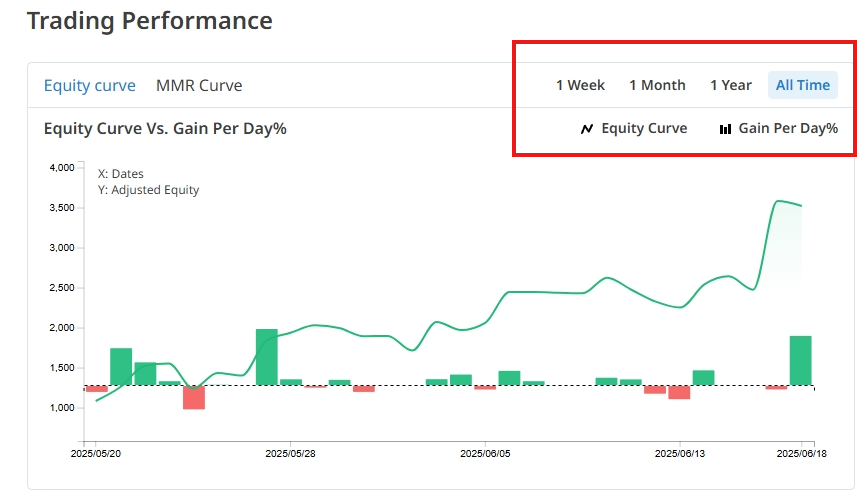
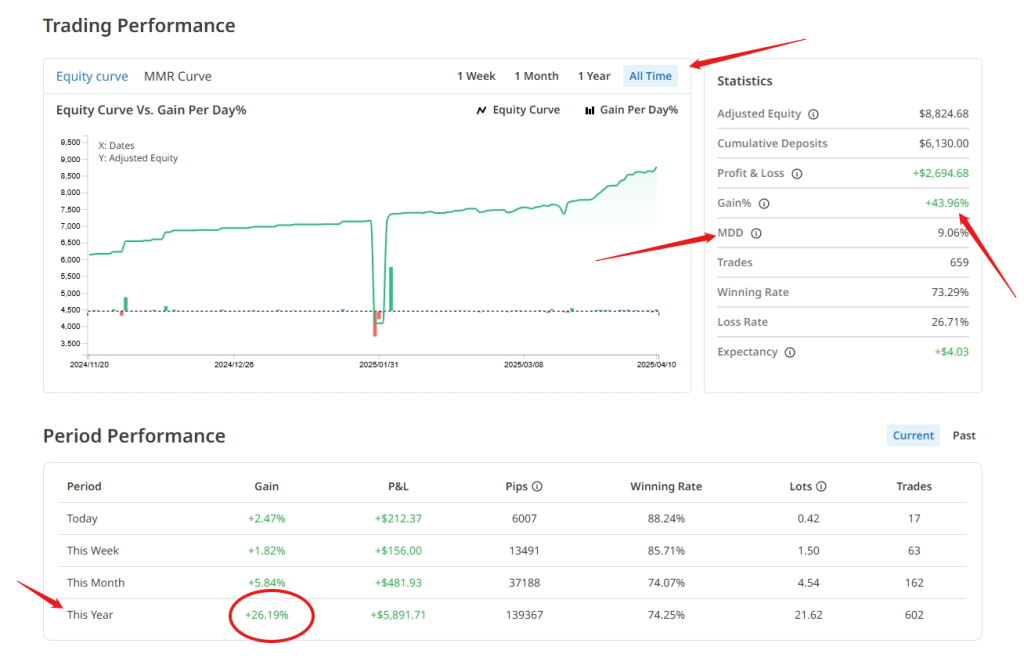
Consistency Over Time: Is their track record verified for at least 12 months? Short-term hot streaks are common and often unsustainable. You want a trader who has navigated different market conditions, proving their strategy is robust.
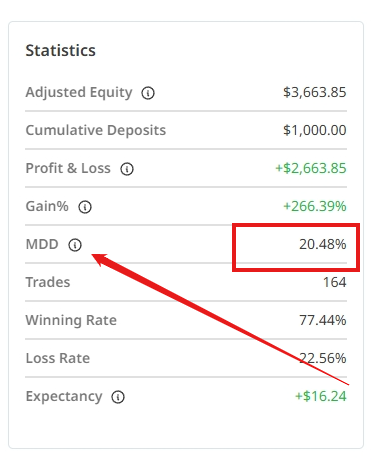
Maximum Drawdown (The Pain Meter): This is arguably the most crucial metric. It reveals the biggest peak-to-trough drop a trader’s account has ever experienced. A trader with 200% returns but a 60% drawdown is extremely high-risk. Could you stomach watching your investment fall by 60%? Professionals recommend avoiding traders with drawdowns exceeding 20%.
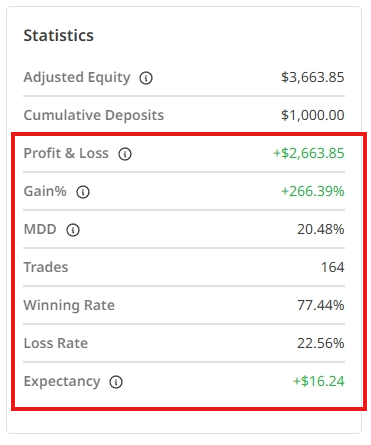
Risk-Adjusted Returns: A 50% return is impressive, but not if the trader risked losing everything to get it. Compare the annual return to the maximum drawdown to understand the risk-reward ratio. A trader delivering 25% returns with a 5% drawdown is often a much better and more sustainable choice than one with 100% returns and a 40% drawdown.
Beyond Manual Search Below Are Filtered Lists From TradingCup
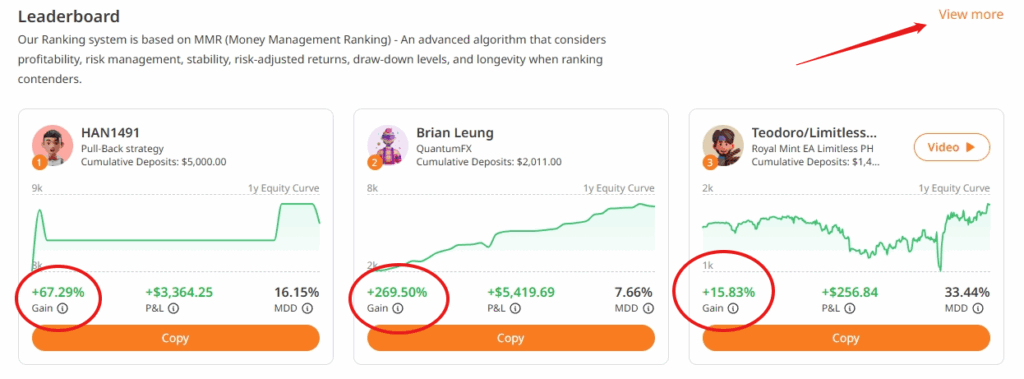
Leaderboard: Based on an MMR (Money Management Ranking) system or similar composite score, ranking traders holistically over their entire history.
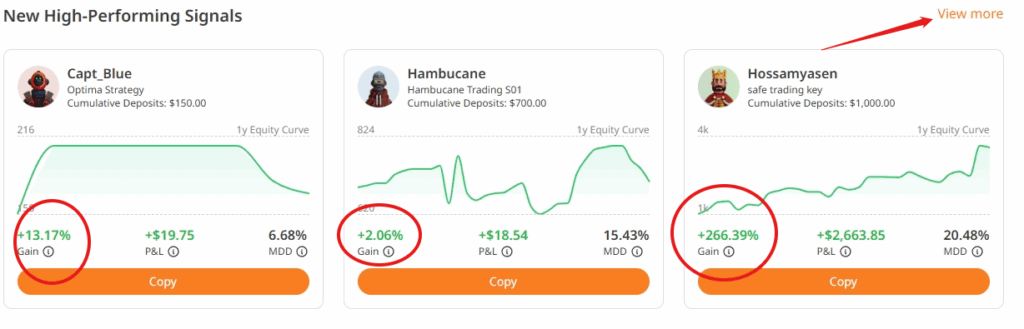
New High-performing Signals: Focuses on newer traders (e.g., < 1 year) showing positive Gain %. Good for finding emerging talent, but requires caution due to shorter track records.
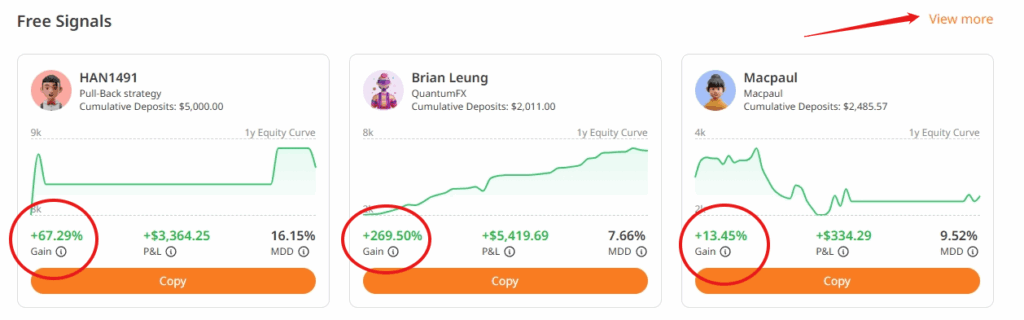
Free Signals: Focuses on traders (e.g., > 1 year) showing positive Gain %. Good for finding Free Signal Providers. A great starting point for beginners to try copy trading without incurring huge costs.
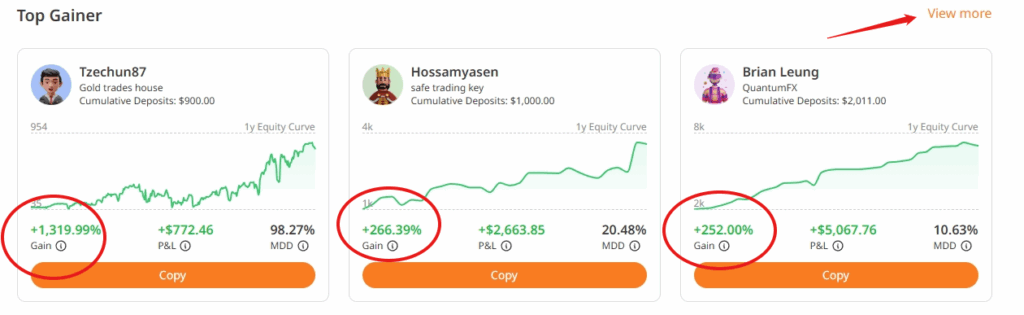
Top Gainer: Purely ranks by Gain % over a period (e.g., 1 year), often filtering for positive gain. Use with caution – high gain can mean high risk. Always check MDD and Sharpe Ratio here.
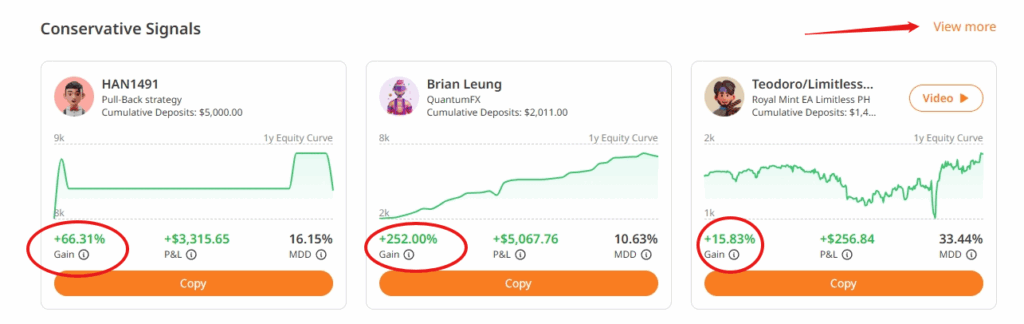
Conservative Signals: Filters for low risk, typically using a Maximum Drawdown threshold (e.g., <= 10% over 1 year) and often ranked by MMR within that subset. Ideal for risk-averse investors.
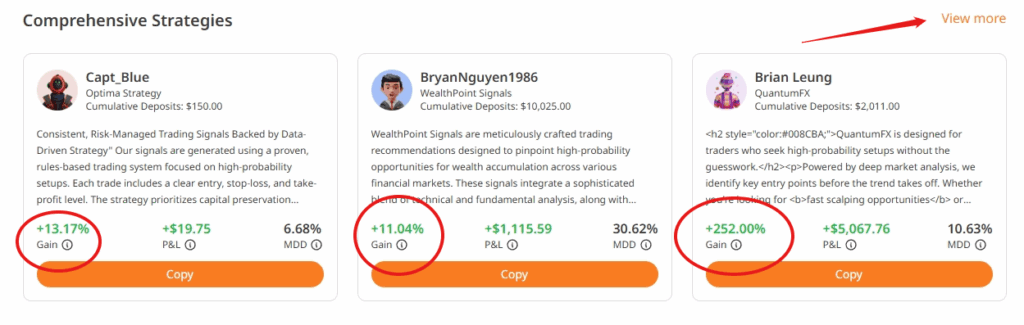
Comprehensive Strategies: Attempts to filter based on the quality and detail of the trader’s strategy description (looking for non-generic, non-volatile approaches like Martingale) combined with positive Gain %.
What are the Most Common (and Costly) Beginner Mistakes?
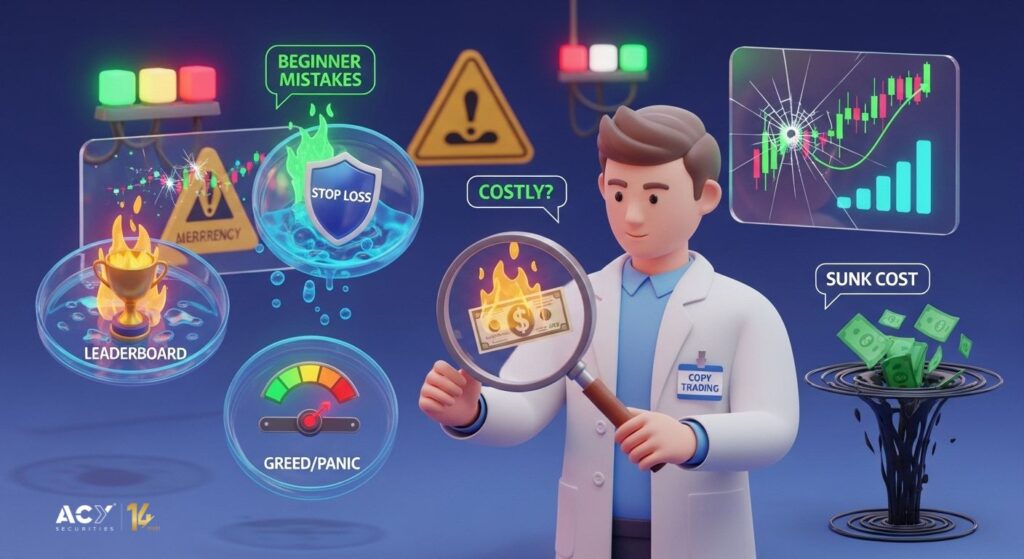
The path of a novice copy trader is often paved with predictable and avoidable errors. Research shows that several unconscious biases lead to poor choices.
- Chasing the Leaderboard: This is the most common trap. Beginners blindly follow the #1 ranked trader without any due diligence, falling for performance bias where recent success overshadows long-term risk.
- Ignoring Personal Risk Management: Many new copy traders place absolute faith in their chosen trader, failing to set their own personal stop-losses or allocate capital wisely. This overconfidence can lead to devastating losses when the market turns.
- Making Emotional Decisions: You don’t eliminate emotions in copy trading; you just shift them. The most common emotional pitfalls are panic-stopping a good strategy during a small losing streak or, conversely, over-allocating to a “hot” trader out of greed.
- The Sunk Cost Fallacy: This is the tendency to stick with an underperforming trader simply because you’ve already invested time or lost money with them. Professionals know when to cut their losses. Define your exit criteria before you start copying.
What People Say About Copy Trading
A look across social media platforms like Reddit and financial forums reveals a mixed but insightful picture. The consensus isn’t that copy trading is a scam, but that it’s a tool that requires extreme care.
On Reddit communities like r/forex and r/etoro, you’ll find countless stories of users who made initial profits only to suffer significant losses when a copied trader suddenly changed their strategy or hit a disastrous losing streak. The sentiment is clear: platforms like eToro and ZuluTrade offer legitimate services and transparency, but the bonus is on the user to perform rigorous due diligence. Users praise features like TradingCup’s transparency and ZuluTrade’s vast database but warn about challenges like execution delays and finding traders who are profitable consistently.
The lesson from the community is that a “set and forget” mentality is a path to failure. Successful users are those who diversify across multiple traders, start with small amounts, and actively monitor performance.
Are Hidden Fees Silently Eating Your Profits?
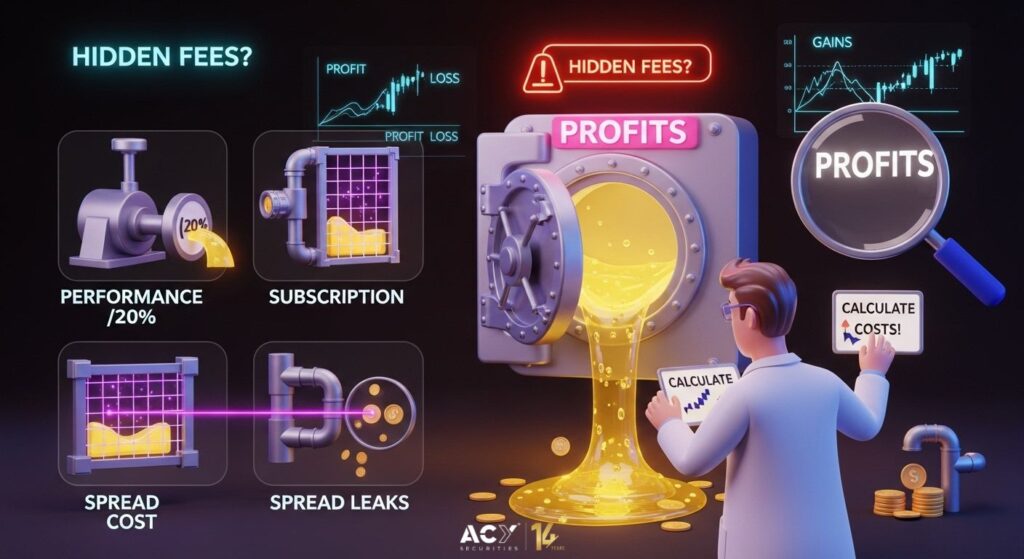
Your net return is what matters, and fees can take a significant bite out of your profits. Understand the cost structure before you commit:
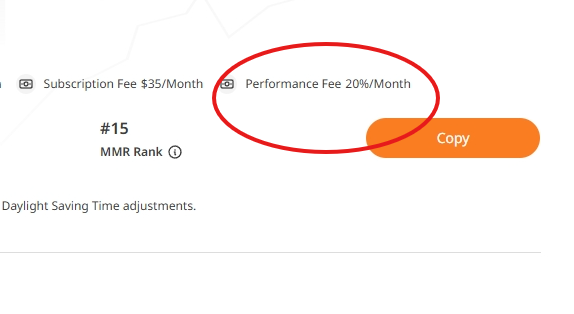
Performance Fees: A percentage of the profits (typically 10-30%) paid to the trader. This aligns their interests with yours but be sure you understand if a “high-water mark” is used, meaning you only pay on new net profits.
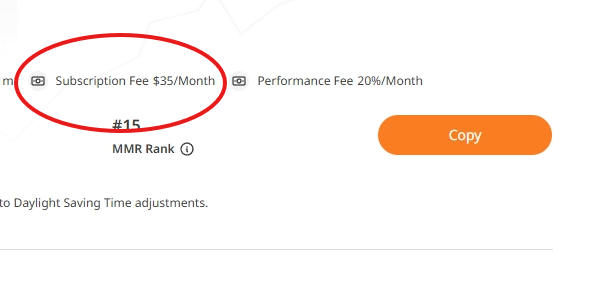
Subscription Models: A fixed monthly fee, regardless of performance. This can be costly during losing months.
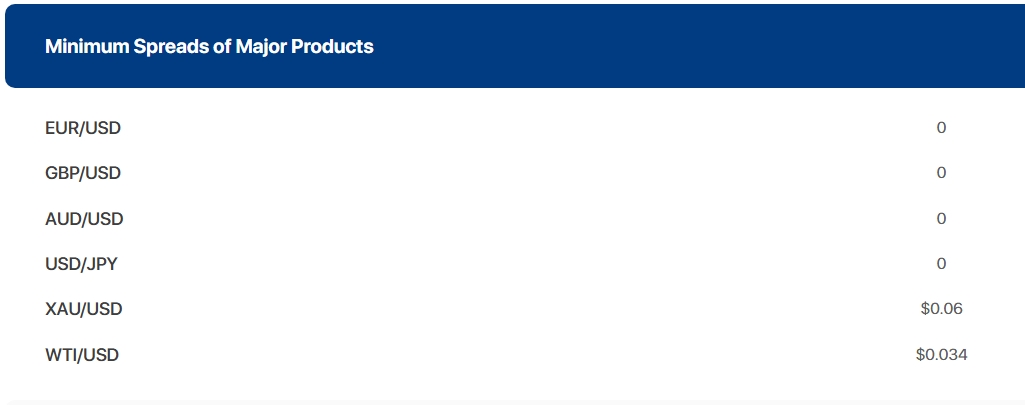
Platform Spreads: Some brokers increase the spread (the difference between the buy and sell price) on copied trades, creating a hidden cost on every single transaction.
Why You Can’t Ignore the Bigger Picture: Market Context
A brilliant trader with a strategy for calm markets can get wiped out during extreme volatility, and vice-versa. Understanding the broader macroeconomic environment is crucial. Is inflation high? Are interest rates rising? This context helps you time your selections and choose traders whose strategies match the current climate.
Your Final Checklist: The Ultimate Test Before You Copy

Ask these questions for every single trader you consider. If you can’t tick every box, move on.
- [ ] Verified History: Do they have at least a 12-month verified track record?
- [ ] Drawdown Check: Is their maximum drawdown below 20% (or your personal tolerance)?
- [ ] Risk-Adjusted Returns: Is the reward worth the risk? (Compare annual return vs. max drawdown).
- [ ] Strategy Understood: Do you have a basic understanding of how they trade (e.g., trends, ranges, assets)?
- [ ] Fee Clarity: Do you know exactly how much you will pay in fees (performance, subscription, spreads)?
- [ ] Capital Allocation: Have you decided on a capital amount you can afford to lose?
- [ ] Exit Plan Defined: Have you written down your exit criteria (e.g., stop copying at X% drawdown)?
The Hunter’s Mindset: How Would Jim Corbett Find a Trader?
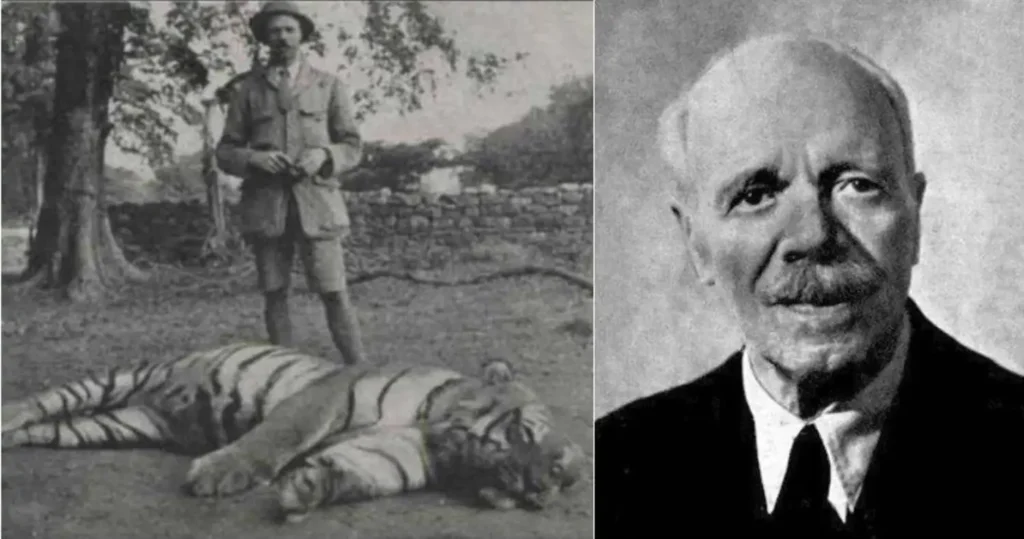
Jim Corbett was a legendary hunter, renowned for tracking and taking down man-eating tigers in India. His methods were not based on luck or brute force, but on patience, meticulous observation, and understanding his quarry. How can we apply his hunter’s mindset to finding a great trader?
- He Tracked His Target: Corbett would spend days, even weeks, tracking a tiger, studying its prints, its habits, its territory.
Your Action: Don’t just look at a trader’s 30-day profit. Track their 12-month performance history. Study their trade frequency, their average win/loss, and the assets they trade. Understand their “habits.” - He Understood the Animal: He knew how a tiger would behave in different conditions, after a failed hunt, during a drought.
Your Action: Understand the trader’s strategy. Is it trend-following or mean-reversion? How will it likely perform in today’s volatile market versus a calm one? - He Looked for Warning Signs: A nervous call from a jungle fowl or a snapped twig told Corbett the tiger was near and that danger was present.
Your Action: Look for red flags in a trader’s record. A sudden increase in risk? A jump to a 40% drawdown? Multiple open positions that are deep in the red? These are your warning signs. - He Had an Exit Strategy: Corbett never took a shot unless he was certain and had a clear line of retreat.
Your Action: Define your exit criteria before you copy. “I will stop copying this trader if their drawdown exceeds 25%” or “If they underperform the market for three consecutive months.” Don’t get emotionally attached.
The Millionaire’s Mindset: 10 “Think and Grow Rich” Lessons for Copy Trading
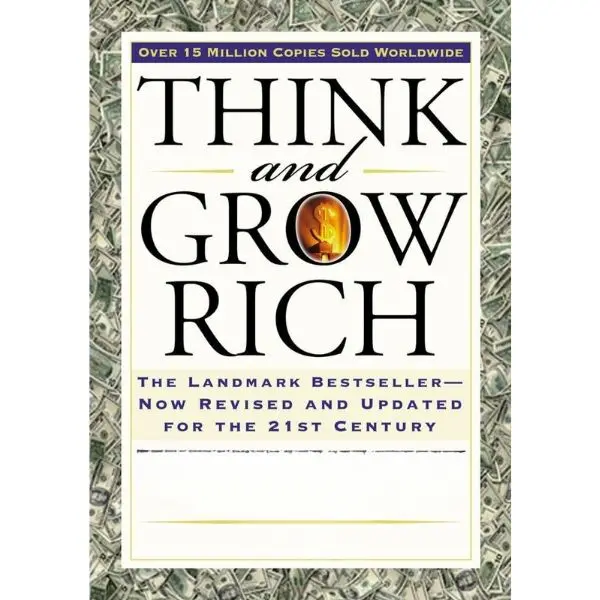
Napoleon Hill’s classic, “Think and Grow Rich,” is a blueprint for success based on the habits of the world’s most successful individuals. Its lessons apply perfectly to developing a wealthy mindset for copy trading.
- Desire: Your journey starts with a burning desire for financial success, not just a hopeful wish.
- Faith: Have faith in your ability to succeed, but base that faith on the specialized knowledge you acquire, not on blind hope.
- Auto-Suggestion: Repeatedly tell yourself your risk management rules until they become second nature, preventing emotional decisions.
- Specialized Knowledge: This is the core principle. You must acquire specialized knowledge in reading performance metrics. This guide is your starting point.
- Imagination: Use your imagination to create a clear plan and strategy for selecting and managing traders.
- Organized Planning: Your success will come from a concrete plan: your checklist for vetting, your rules for allocation, and your criteria for exiting.
- Decision: Make decisions based on your research and data, and make them decisively. Indecision is a wealth killer.
- Persistence: Stick with your strategy, even if one trader fails. Don’t panic and abandon your entire plan after a short losing streak. Persistence is about sticking to your rules, not a losing trader.
- Power of the Master Mind: In copy trading, the trader you copy becomes your “Master Mind” partner. You are leveraging their accumulated knowledge and expertise to achieve a common goal. Choose your partners wisely.
- The Sixth Sense: Over time, as you monitor traders and markets, you will develop a “gut feeling” or intuition. This isn’t magic; it’s your subconscious recognizing patterns based on experience.
Conclusion: Your Journey Starts with a Smart Decision
Copy trading has opened the door for retail investors to access professional trading strategies in an unprecedented way. But it is a tool, not a magic money machine. The key to success lies not with the platform or the “star” trader, but with you.
It lies in your commitment to thorough due diligence, your discipline in managing risk, and your active engagement in monitoring your portfolio. By adopting the mindset of an investor, learning from the masters of strategy, and using a systematic framework for selection, you can avoid the traps that ensnare most beginners. Start smart, manage wisely, and you can leverage copy trading as a powerful component of a diversified investment strategy.
Frequently Asked Questions (FAQs)
1. What is the best copy trading strategy for beginners?
For beginners, a good strategy is to start with a diversified portfolio of traders with a long-term, consistent track record. Avoid traders who take excessive risks for short-term gains. Focus on learning the ropes with a smaller investment and gradually increase your exposure as you gain more confidence and experience.
2. Can you lose money with copy trading?
Yes, it is possible to lose money with copy trading. Past performance is not an indicator of future results, and even the most successful traders can have losing periods. That’s why it’s crucial to have a solid risk management plan in place.
3. Is copy trading legal?
Yes, copy trading is legal in most countries, provided you use a regulated broker. Always check the regulations in your specific jurisdiction before you start trading.
4. How do I choose the right trader to copy?
Look for traders with a consistent track record of at least one year. Analyze their performance metrics, including their max drawdown, risk-to-reward ratio, and the assets they trade. It’s also a good idea to choose traders whose strategies you understand and are comfortable with.
5. How much money do I need to start copy trading?
The minimum investment for copy trading varies depending on the platform. Some platforms allow you to start with as little as $100. However, it’s generally recommended to start with an amount you’re comfortable losing, especially when you’re still learning.
(Disclaimer: This article is for informational and educational purposes only. It should not be considered financial advice. Always conduct your own research and consult with a qualified financial advisor before making any investment decisions.)
For more detailed insights on developing daily trading routines, risk management, and effective position sizing strategies, explore additional articles on Trading Cup. Our trading experts at ACY and FinLogix are also great resources to guide your journey towards trading excellence.

Discover Our Best Trading Signals
At Tradingcup, you can browse through a selection of signals and review past performance before you decide to copy.
Become A Signal Provider
Share your expertise and become a signal provider so other traders can copy your trades.
Stay tuned to our blog for more trader spotlights and leaderboard updates.
Trading involves risks.
Visit the Tradingcup blog through the link below for more updates: https://www.tradingcup.com/learn
Related Copy Trading blogs:
- Understanding Market Liquidations: Liquidity Sweeps and Runs Explained
- 7 Essential Daily Habits of Successful Traders to Outperform Their Peers
- 10 Strategies You Can Copy off Our Best Copy Traders
- 5 Strategies Every Trader Can Master To Trade Better In A Trading Contest
- 2025 Copy Trading Scams Exposed: How to Spot Fraud
- A Swing Trading Strategy with an 83 Percent Win Rate and Low Drawdowns
- Forex Martingale Strategies Explained, The Good, The Bad and The Ugly
- Pyramiding Trading Tutorial – Pros & Cons & How to Use It