Last Updated: February 25, 2026
This article is reviewed annually to reflect the latest market regulations and trends.
TL; DR:
- No Single ‘Best’ Signal: The search for one definitive best Forex signal provider is flawed; performance varies with market conditions and trader cycles.
- Evaluate Like a Scout: Assess signal providers based on transparency, verified track records, risk management, and consistency – not just temporary win streaks.
- Embrace Dynamic Selection: Top performers change. Regularly review and prioritize signal providers currently demonstrating strong, risk-managed results.
- Psychology & Risk are Key: Lessons from trading psychology emphasize discipline and risk management, crucial when using any signal. Protect your capital above all else.
- Utilize Platforms: Tools like Tradingcup offer vetted signals, expert analysis (via ACY), transparent performance data, and educational resources to aid smarter selection.
Disclaimer: The information in this article is for educational purposes only and does not constitute financial, investment, or trading advice. Copy trading carries substantial risks, including the potential loss of your entire invested capital. Past performance of copied traders or strategies is not a reliable indicator of future results. You may be replicating high-risk trades, overleveraged positions, or strategies incompatible with your financial goals. Always conduct independent research into a trader’s historical performance, risk metrics, and strategy before copying them. Never invest funds you cannot afford to lose. Consult a licensed financial advisor to ensure copy trading aligns with your risk tolerance, financial objectives, and regulatory requirements in your jurisdiction. This article does not endorse specific traders, platforms, or strategies, and all trading decisions remain your sole responsibility.
Finding Your Forex Signal Stars: Think Like a Pro Scout
“The only true wisdom is in knowing you know nothing.” – Socrates
How do professional sports teams build championship rosters? They don’t just sign the player who scored the most points last game. Scouts conduct deep analysis, looking for a combination of factors:
- Consistent Performance: Not just flashes of brilliance, but reliability over time and different conditions.
- Specific Skill Sets: Does the player fit the team’s strategy and fill a needed role?
- Performance Under Pressure: How do they handle high-stakes situations?
- Verifiable Statistics: Looking beyond hype to concrete, measurable results.
- Potential & Adaptability: Can they grow and adjust their game?
Applying this “scouting mindset” to Forex signal providers is far more effective than simply asking “who’s best right now?” You become an analyst, not just a follower.
Your Scouting Checklist for Signal Providers:
Transparency & Verified Track Record:
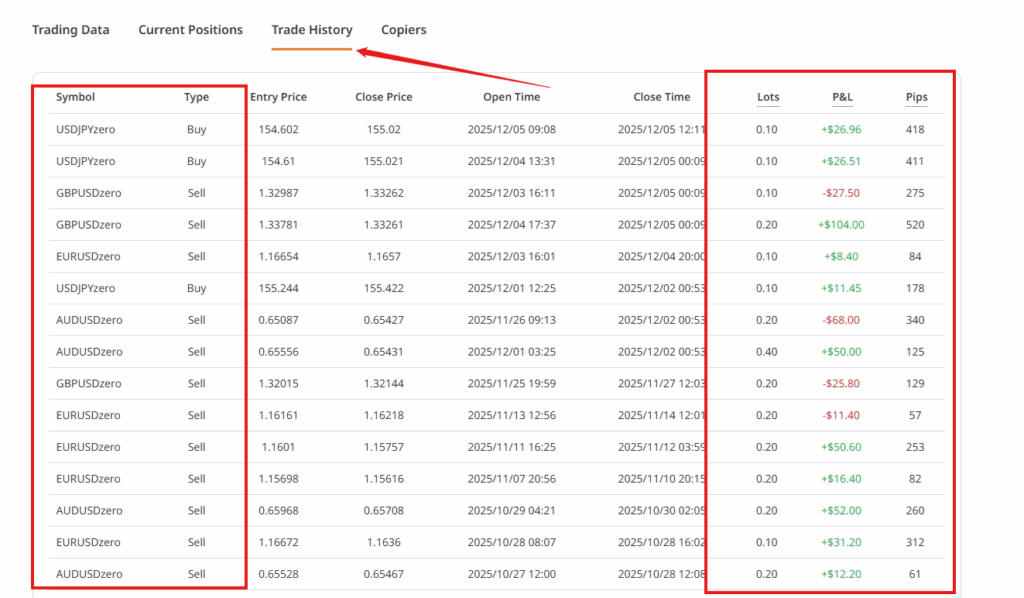
This is non-negotiable. Demand proof. Look for providers linked to platforms like Myfxbook, FXBlue, or ideally, integrated platforms like Tradingcup that offer detailed, verified trading history. Be wary of screenshots or unverifiable spreadsheets. What’s their methodology? Do they explain their strategy (without giving away proprietary secrets)?
Risk Management Protocols:
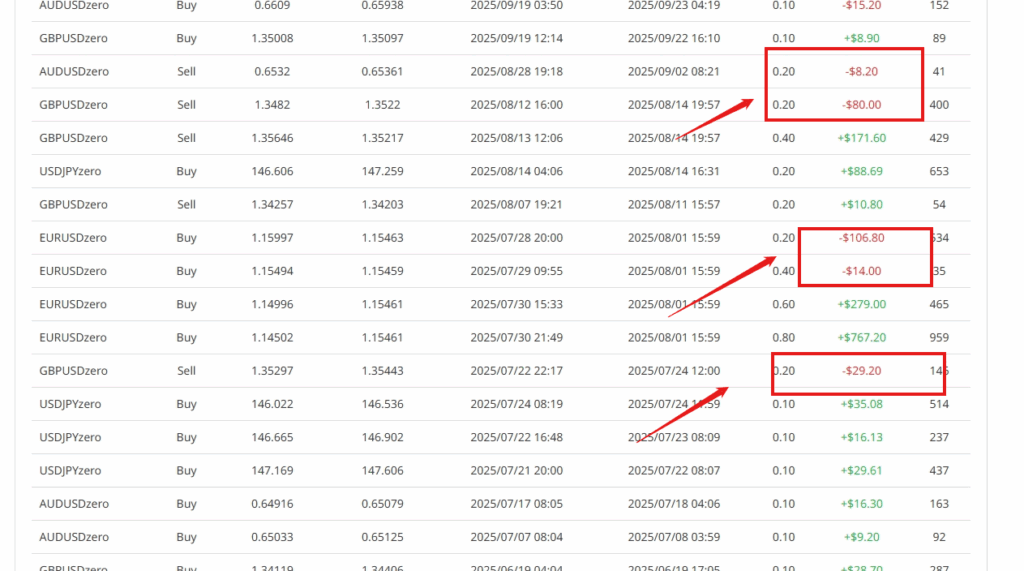
How do they handle losing trades? Look for clear use of stop-losses, sensible position sizing recommendations, and a realistic risk-reward ratio. Providers promising huge gains with no mention of risk are giant red flags.
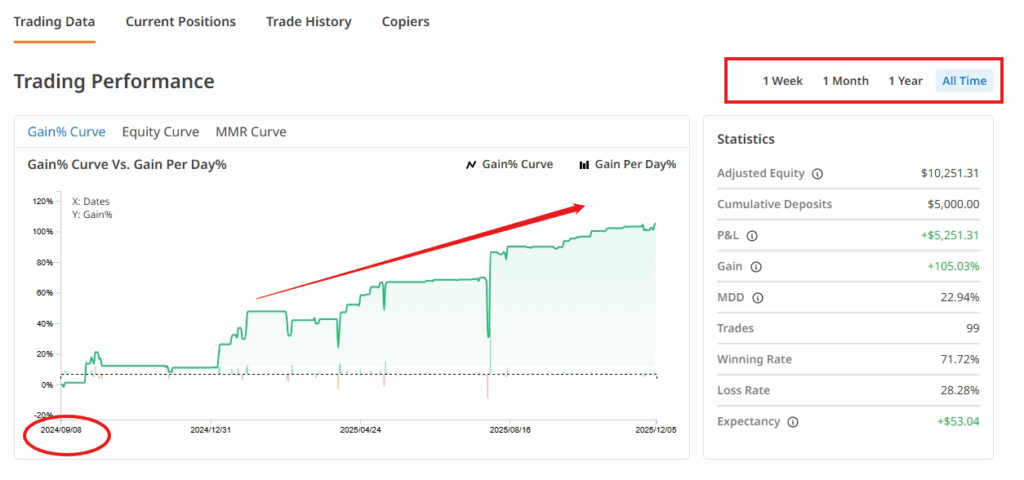
Consistency Over Astronomical Gains:
Steady, reasonable returns with controlled drawdowns are far more valuable than providers boasting 500% monthly gains (which are often unsustainable or involve reckless risk). Look for a smooth equity curve, not a rollercoaster.
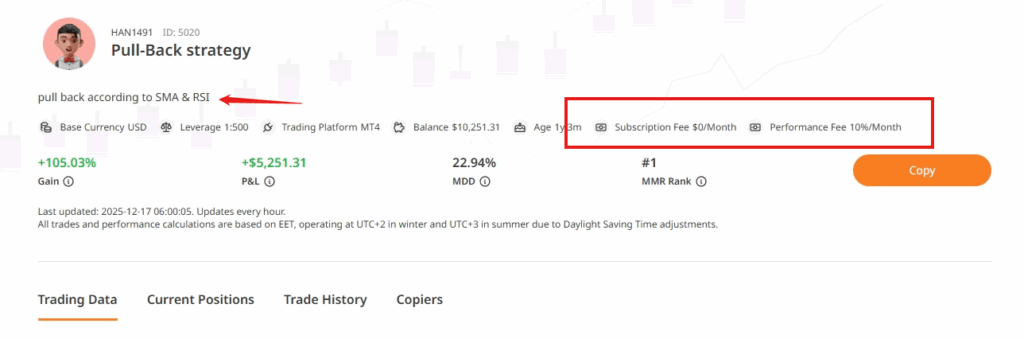
Communication & Support:
How do they deliver signals? Is support available if you have questions? Are explanations provided for trades?
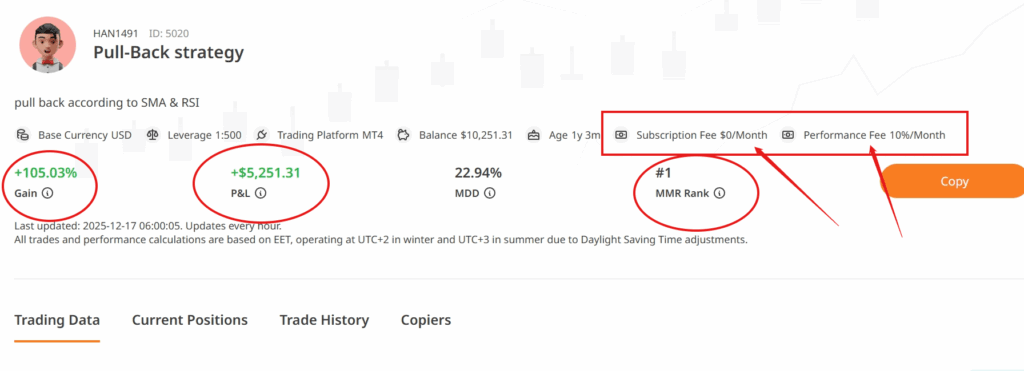
Cost vs. Value:
Free signals often come with a catch (e.g., requiring you to sign up with a specific broker). Paid signals vary wildly. Ensure the cost aligns with the quality, transparency, and potential realistic returns.
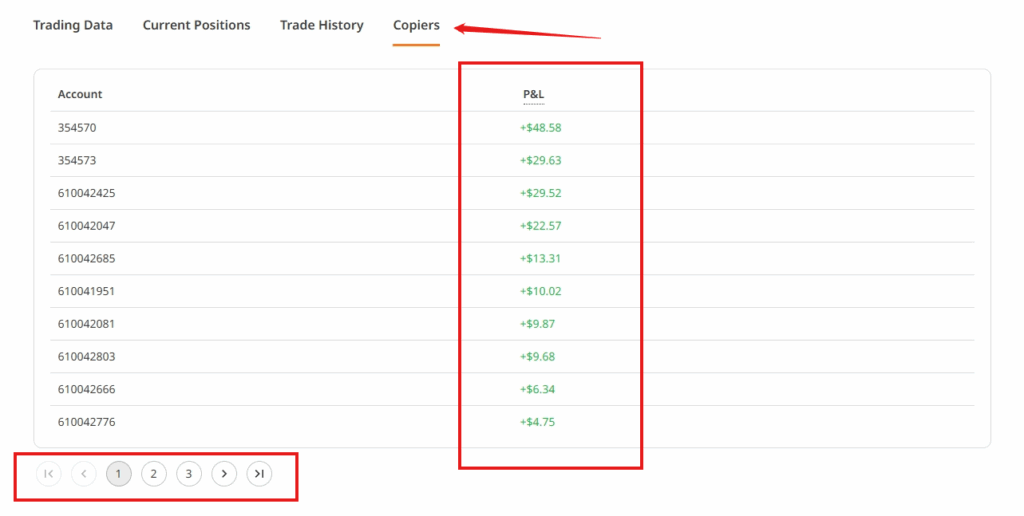
Independent Reviews & Reputation:
Search beyond their own website testimonials. Look for discussions on independent forums (like Reddit’s Forex communities, but tread carefully), reputable review sites, and user feedback on platforms where they might be listed. What is the general sentiment?
10 Trading Lessons to Internalize (Inspired by Mark Douglas’ “Trading in the Zone”)
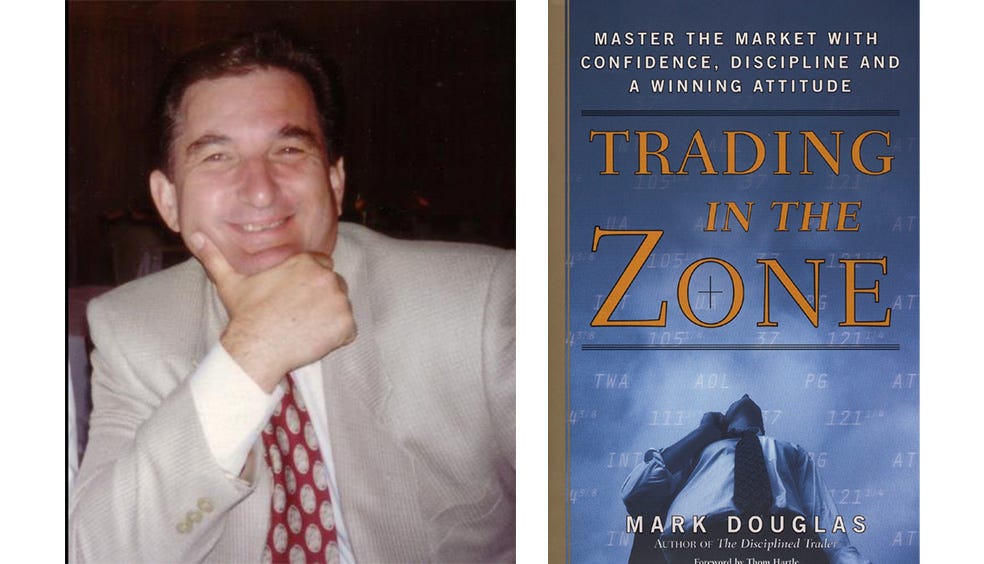
Using signals doesn’t absolve you from understanding market psychology and risk. Mark Douglas’s “Trading in the Zone” offers timeless wisdom. Here are 10 lessons, adapted for the context of using Forex signals:
- Anything Can Happen: Don’t assume a signal is guaranteed money. The market can do anything at any time. Approach each signal with this reality in mind.
- You Don’t Need to Know What Will Happen Next: Profitability comes from having an edge (which a good signal might provide) and executing consistently over time, not from predicting the future.
- There’s a Random Distribution Between Wins and Losses: For any given strategy (or signal provider’s edge), wins and losses will occur randomly. Don’t get euphoric after a few wins or devastated after a few losses from your chosen signal.
- An Edge is Just a Higher Probability: A good signal provider gives you a statistical edge, not certainty. Treat it as such.
- Every Moment in the Market is Unique: Past performance (even verified) doesn’t guarantee future results. What worked for a signal last week might not work this week due to unique market conditions.
- Accept the Risk Completely: Before taking a trade based on a signal, fully accept the potential loss defined by your stop-loss. If you can’t, the signal (or your position size) isn’t right for you.
- Think in Probabilities, Not Certainties: Shift your mindset. A signal represents a probable outcome based on the provider’s analysis, not a guaranteed one.
- Objectively Identify Your Edge (via the Signal): Understand why the signal provider should have an edge based on their transparent methodology and track record. Don’t follow blindly.
- Monitor Yourself: Using signals can still trigger fear, greed, and impatience in you. Be aware of your own emotional responses to the signals’ performance.
- Act on Your Edge (Signal) Without Reservation (But With Risk Management): Once you’ve vetted a provider and accepted the risk, take the signal according to your plan. Hesitation can be costly, but always ensure your safety net (stop-loss) is in place.
Internalizing these principles makes you a more resilient and intelligent user of Forex signals.
The “Best” Signal Provider is a Moving Target

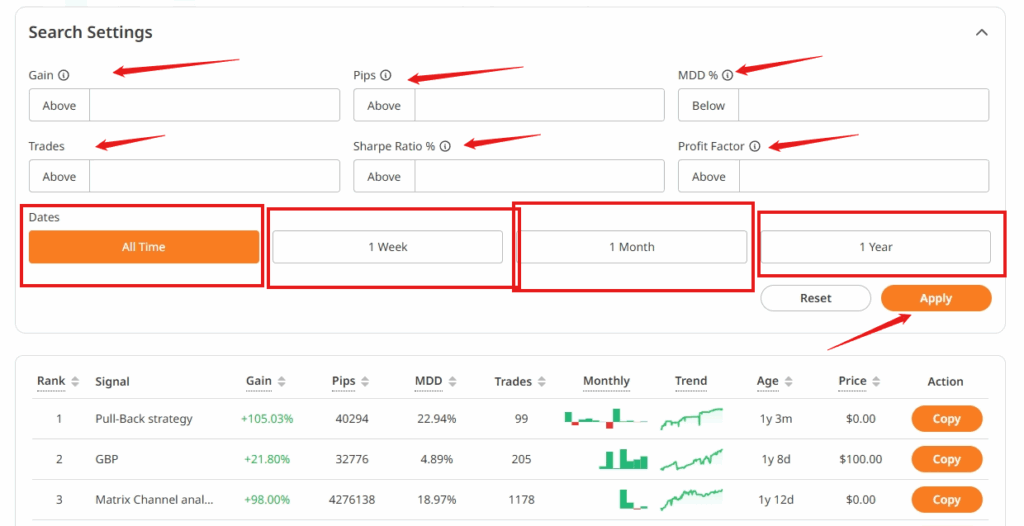
BIn the volatile landscape of Forex, the concept of a single, perpetually “best” signal provider is a myth. Chasing this phantom leads to frustration. Instead, understand why performance shifts:
- The Performance Cycle Heuristic: A provider enjoying a spectacular 3-month winning streak is often statistically closer to a drawdown. Blindly jumping onto the hottest provider often means catching the downturn.
- Market Regimes Shift: A strategy excelling in a strong trending market might flounder during choppy, range-bound conditions.
- The Inevitability of Streaks: Every trader experiences winning and losing streaks. Performance is not linear.
- The Human Element: Personal issues, fatigue, or stress can impact a provider’s analysis and decision-making.
The Dynamic Approach: Keeping Your Signal Roster Fresh
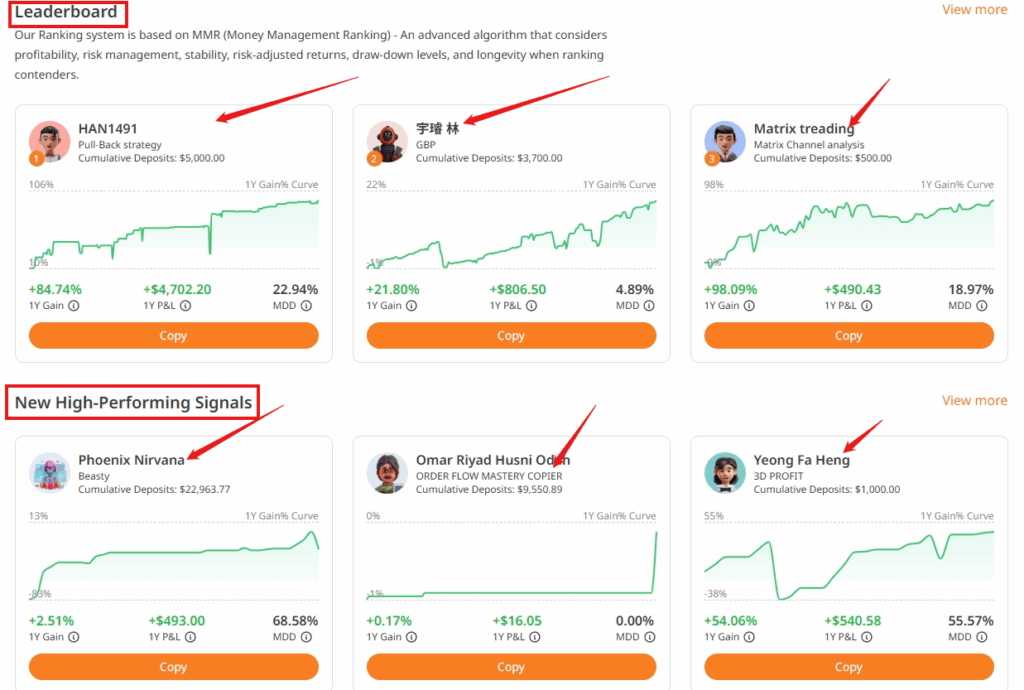
Given that performance ebbs and flows, sticking rigidly to one provider is strategically weak.
- Cutting Losses (on Providers): Don’t be afraid to pause a provider if their performance deteriorates or red flags appear.
- Continuous Monitoring: Keep track of the performance of the providers you follow. Are they sticking to their methodology?
- Performance-Based Selection: Prioritize allocating risk capital to providers currently performing well within their stated risk parameters.
Leveraging Platforms for Vetted Signals: Tradingcup
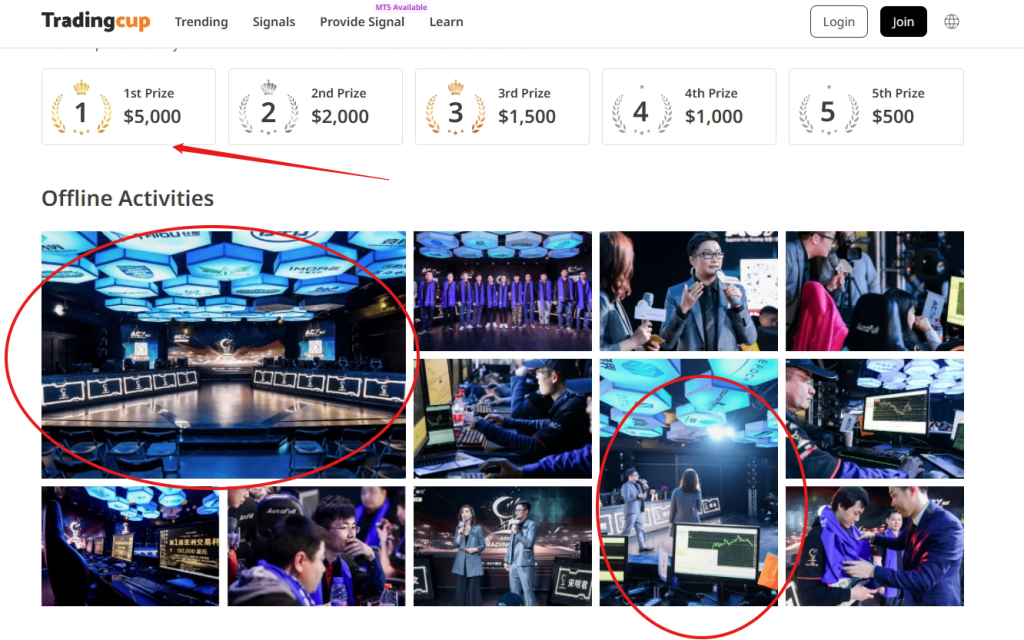
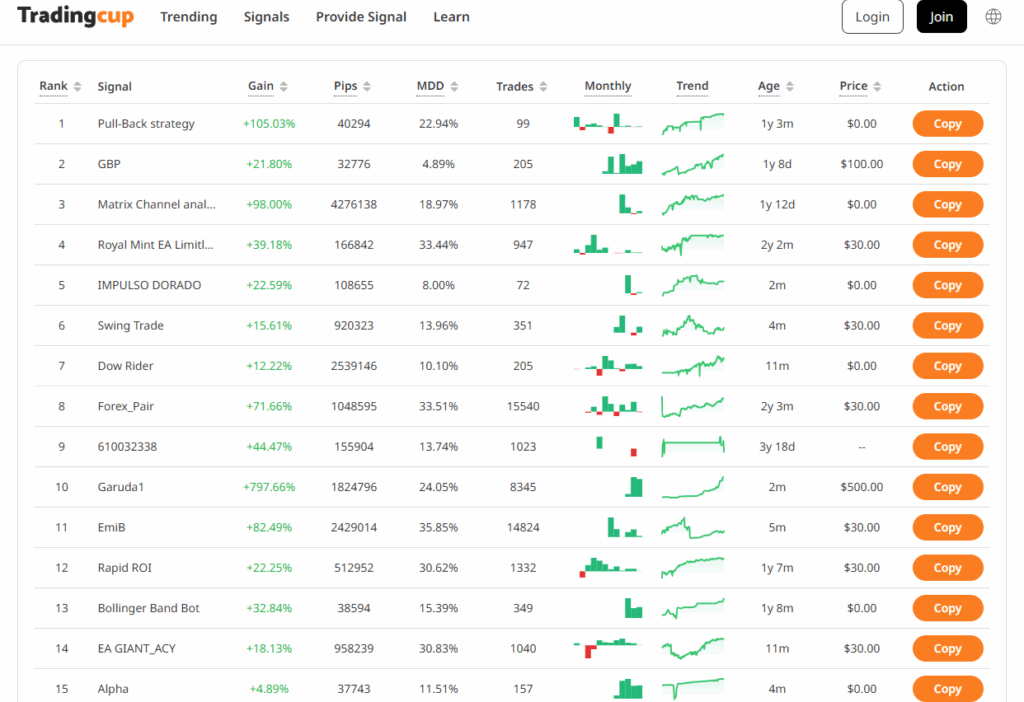
Finding and vetting providers individually is time-consuming. Platforms like Tradingcup, powered by ACY Securities, streamline this process through rigorous vetting and competition.
- Expert Analysis: Gain access to daily market analysis from ACY’s experts to understand the context behind the signals.
- Rigorous Vetting: Tradingcup runs trading contests where traders must perform under real market pressure to rise to the top.
- Advanced Ranking: The platform uses a sophisticated ranking system based on 7 critical metrics, including risk management and consistency, not just profit.
- Transparency: Access detailed analytics on every signal provider.
Protecting Your Capital: The Non-Negotiable Priority
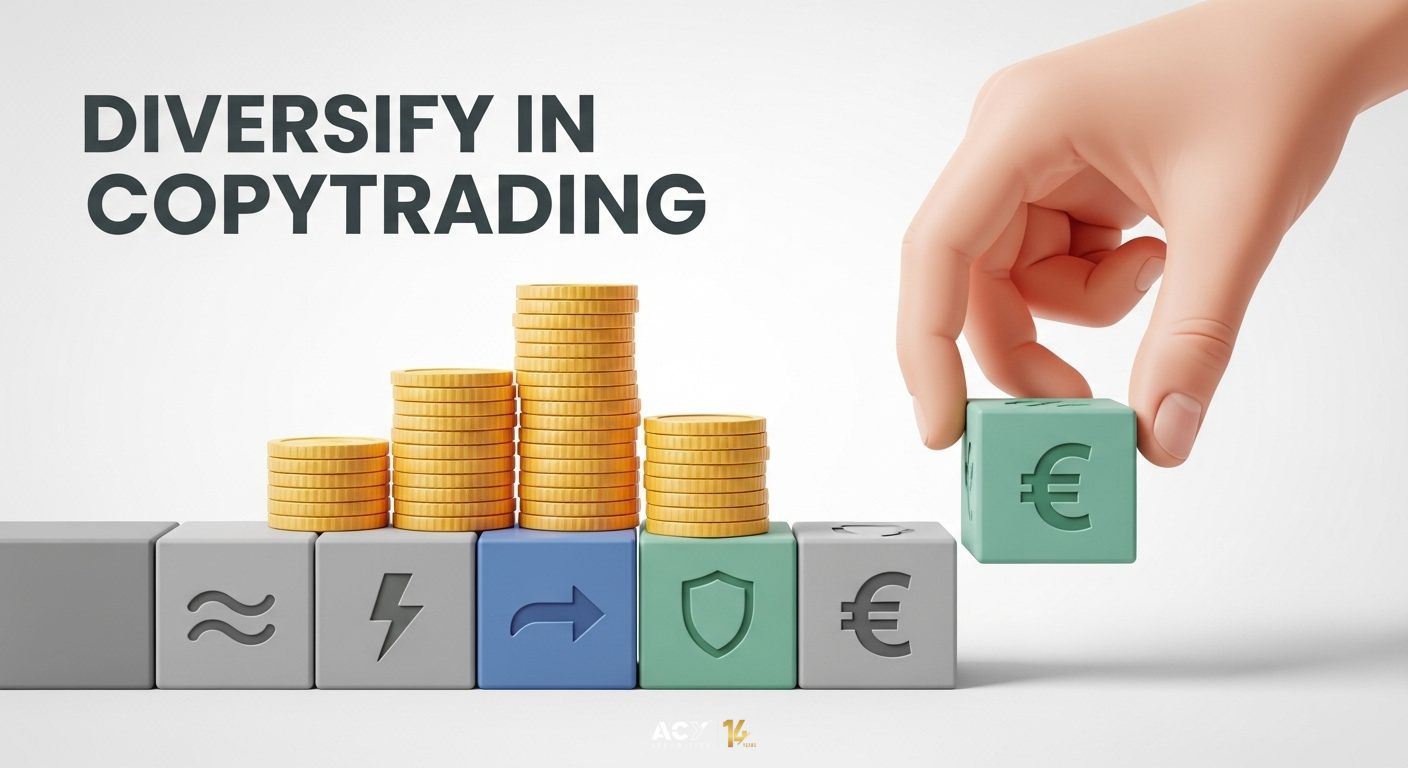
Whether you use Tradingcup or an independent provider, protecting your capital is the ultimate goal.
- Diversification: Consider using signals from multiple, uncorrelated providers to spread risk.
- Never Risk More Than You Can Afford to Lose: This applies to every trade.
- Use Stop-Losses Religiously: Always have a predefined exit point.
- Position Size Appropriately: Risk a small percentage (e.g., 1-2%) of your capital per trade.
Frequently Asked Questions (FAQ)
Q1: Which Forex signal is most accurate?
- A: No single Forex signal is permanently “most accurate.” Accuracy fluctuates based on the provider’s strategy, current market conditions, and their own performance cycles. Focus on verified consistency and risk management over chasing the highest claimed win rate, which can be misleading. Platforms that vet traders based on multiple metrics, like Tradingcup’s 7-metric ranking, offer a more reliable gauge than simple accuracy claims.
Q2: What is the best signal to use for trading?
- A: The “best” signal depends on your trading style, risk tolerance, and capital. Instead of seeking one best signal, aim to find vetted, transparent providers whose strategy aligns with your goals and who demonstrate consistent performance with controlled risk. Regularly review their performance.
Q3: How do I get legit Forex signals?
- A: Look for transparency and verification. Legit signals usually come from providers willing to share verified track records (e.g., via Myfxbook, FXBlue, or integrated platforms like Tradingcup). Beware of unrealistic profit promises, lack of transparency about strategy, and pressure to sign up with specific unvetted brokers. Research independent reviews and platform vetting processes.
Q4: Should I trust Forex signals?
- A: Trust, but verify continuously. Trust providers who offer full transparency and have a verifiable track record of consistent performance and sound risk management. Never follow signals blindly. Understand the risks involved and always use your own risk management (stop-losses, position sizing). Distrust signals that promise guaranteed or unrealistic returns.
Q5: Who gives the best trading signals?
- A: As discussed, “best” is subjective and temporary. Highly regarded signals often come from experienced traders with publicly verifiable track records or those vetted through rigorous processes like trading competitions and multi-metric ranking systems (e.g., on platforms like Tradingcup/ACY). Focus on finding reliable and transparent sources.
Q6: Do professional traders use signals?
- A: Some professional traders may incorporate signals into their broader market analysis, especially if the signals come from a trusted source or system that complements their own strategy. However, most rely heavily on their own analysis and execution systems. Many successful retail traders use signals as part of their strategy, not as a replacement for learning and risk management.
Q7: How do I know if a Forex trader (or signal provider) is legit?
- A: Legitimacy hinges on transparency, verification, and realistic claims. Look for:
- Verified trading history (not just screenshots).
- Clear explanation of their trading strategy/methodology.
- Emphasis on risk management.
- Realistic performance claims.
- Independent reviews and presence on reputable platforms.
- Avoidance of high-pressure sales tactics or guarantees.
Q8: Can I be profitable with Forex signals?
- A: Yes, it’s possible to be profitable using Forex signals, BUT it requires careful selection of a legit, consistent provider, diligent risk management on your part (stop-losses, position sizing), and understanding that signals are tools, not guarantees. Profitability often depends more on the trader’s discipline and risk control than the signal itself.
Q9: What is the most accurate Forex indicator? / What is the most successful trading indicator?
- A: Similar to signals, no single indicator is “most accurate” or “most successful” in all conditions. Indicators like Moving Averages, RSI, MACD, Fibonacci retracements, etc., are tools. Their effectiveness depends on how they are used, in what market conditions, and as part of a broader trading plan. Professionals often use a combination of indicators tailored to their strategy, rather than relying on one magic indicator. Signal providers often use their own proprietary combination of indicators and analysis.
Q10: How much money is 1 pip in Forex?
- A: A “pip” (percentage in point) is the smallest price move in Forex. Its monetary value depends on the currency pair being traded, the size of your trade (lot size), and your account currency. For USD-based pairs traded in standard lots (100,000 units), 1 pip is typically worth $10. For mini lots (10,000 units), it’s $1, and for micro lots (1,000 units), it’s $0.10.
For more detailed insights on developing daily trading routines, risk management, and effective position sizing strategies, explore additional articles on Trading Cup. Our trading experts at ACY and FinLogix are also great resources to guide your journey towards trading excellence.

Discover Our Best Trading Signals
At Tradingcup, you can browse through a selection of signals and review past performance before you decide to copy.
Become A Signal Provider
Share your expertise and become a signal provider so other traders can copy your trades.
Stay tuned to our blog for more trader spotlights and leaderboard updates.
Trading involves risks.
Visit the Tradingcup blog through the link below for more updates: https://www.tradingcup.com/learnBest blogs top 8 code to use if needed.
Related Copy Trading blogs:
- Understanding Market Liquidations: Liquidity Sweeps and Runs Explained
- 7 Essential Daily Habits of Successful Traders to Outperform Their Peers
- 10 Strategies You Can Copy off Our Best Copy Traders
- 5 Strategies Every Trader Can Master To Trade Better In A Trading Contest
- 2025 Copy Trading Scams Exposed: How to Spot Fraud
- A Swing Trading Strategy with an 83 Percent Win Rate and Low Drawdowns
- Forex Martingale Strategies Explained, The Good, The Bad and The Ugly
- Pyramiding Trading Tutorial – Pros & Cons & How to Use It