
Last Updated: May 26, 2025
This article is reviewed annually to reflect the latest market regulations and trends.

TL; DR
- Don’t let the hype become your guide, do your research, trade with pride!
- High ROI can be a fleeting art, check long-term charts, play it smart!
- When fear or greed starts to call, stick to your plan, stand up tall!
- Hidden fees can take a bite, know the costs, do what’s right!
- Watch your traders, don’t delay, active oversight saves the day!
Disclaimer: The information in this article is for educational purposes only and does not constitute financial, investment, or trading advice. Copy trading carries substantial risks, including the potential loss of your entire invested capital. Past performance of copied traders or strategies is not a reliable indicator of future results. You may be replicating high-risk trades, overleveraged positions, or strategies incompatible with your financial goals. Always conduct independent research into a trader’s historical performance, risk metrics, and strategy before copying them. Never invest funds you cannot afford to lose. Consult a licensed financial advisor to ensure copy trading aligns with your risk tolerance, financial objectives, and regulatory requirements in your jurisdiction. This article does not endorse specific traders, platforms, or strategies, and all trading decisions remain your sole responsibility.
“The best-laid plans of mice and men often go awry.” – Robert Burns
Don’t Let Emotions Hijack Your Copy Trading Journey: A Guide to Smarter Investing
Copy trading. It sounds like a dream, doesn’t it? The allure of effortlessly mirroring the trades of seasoned professionals, watching your capital grow while you sip your coffee. Platforms like TradingCup, Bybit and TraderWagon showcase leaderboards brimming with impressive ROIs, making it tempting to dive in headfirst. But beneath this surface of simplicity lies a complex psychological landscape, one where unchecked emotions can lead to disastrous financial outcomes.
The past decade has shown us that many common mistakes in copy trading aren’t due to faulty algorithms or a lack of “good” traders to copy. Instead, they’re deeply rooted in our own psychological biases and the very design of some platforms that can amplify these tendencies. If you’ve ever felt the sting of FOMO (Fear Of Missing Out), the intoxicating rush of overconfidence, or the paralyzing fear of a losing streak, you know how potent these emotions can be.
This comprehensive guide will delve into the heart of emotional decision-making in copy trading. We’ll explore why it’s not a “set and forget” strategy (at least, not yet!), dissect the common psychological traps, and offer actionable strategies to help you navigate the markets with a clearer head and protect your hard-earned money.
So, What Exactly is Copy Trading?
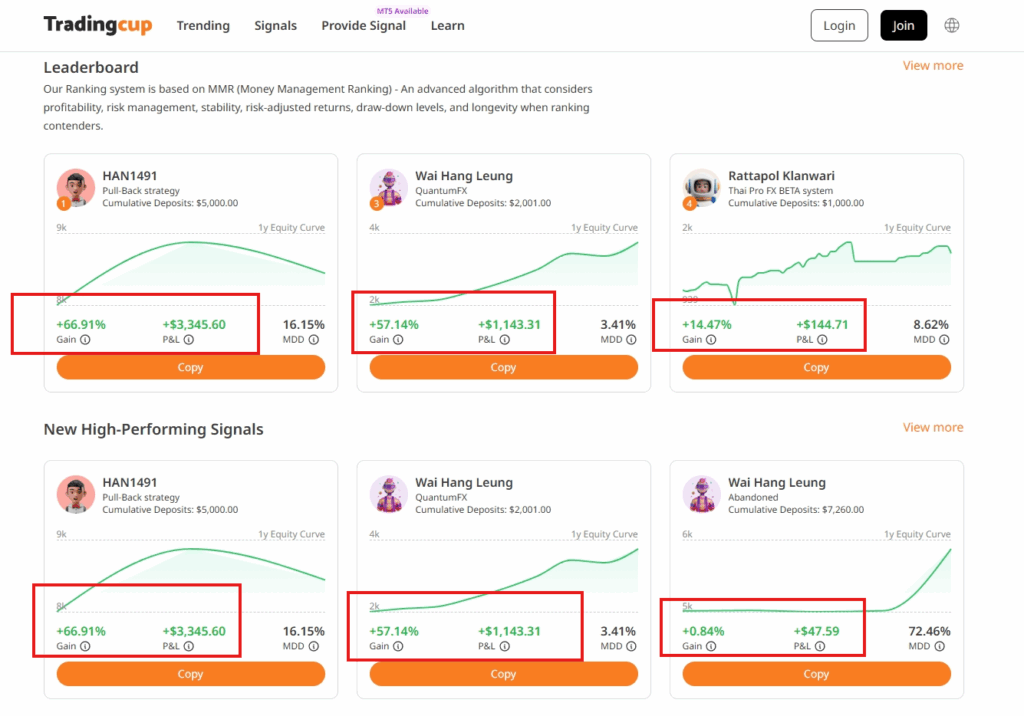
Before we dissect the pitfalls, let’s ensure we’re on the same page. Copy trading is a portfolio management strategy where you, as an investor, can automatically copy the trading positions opened and managed by another selected trader. When the trader you’re copying makes a trade (buy or sell), the same trade is executed in your account proportionally to the funds you’ve allocated.
Platforms offering copy trading provide a list of “Signal providers” or “lead traders,” often showcasing their past performance, risk score, number of copiers, and other statistics. The appeal is obvious: access to the potential expertise of experienced traders without needing to perform in-depth market analysis yourself. It’s marketed as a way to democratize trading, making it accessible even for beginners.
Why Isn’t Copy Trading a “Set and Forget” Miracle (Yet)? And Could AI Change This?
The idea of passive income through copy trading is highly attractive. However, the notion that you can simply pick a trader, allocate funds, and then forget about it is a dangerous misconception, at least for now. Here’s why:
- Past Performance is Not a Crystal Ball: A trader’s stellar record last month or last year doesn’t guarantee future success. Market conditions change, strategies that worked in a bull market might fail in a bear market, and even good traders have losing streaks.
- Trader Risk Profile vs. Yours: The trader you’re copying might have a much higher risk tolerance than you. Their “acceptable” drawdown could be your financial nightmare.
- Platform Risks: Technical glitches, latency issues, or even manipulative platform designs can impact your copied trades. For example, the Solana Network’s 17-hour outage in September 2021 highlighted how technical issues can prevent critical trades during volatile periods.
- Need for Due Diligence: Blindly following popular traders without thorough due diligence is a common error. You need to understand their strategy, risk management, and consistency over time.
- Emotional Contagion: Even though the trades are “automated,” your emotions can still interfere with your decisions about managing the copy trading relationship – when to start, when to stop, how much to allocate.
The AI Horizon:
Could Artificial Intelligence (AI) transform copy trading into a true “set and forget” system? Potentially. Imagine an AI that:
- Dynamically assesses not just past performance but the underlying adaptability of a trader’s strategy to changing market conditions.
- Personalizes trader selection based on your verified risk tolerance, financial goals, and even your psychological profile.
- Monitors for behavioral red flags in chosen traders, like sudden strategy shifts or excessive risk-taking.
- Optimizes diversification across multiple AI-vetted traders in real-time.
- Executes risk management protocols (like dynamic stop-losses or re-allocations) more efficiently than a human could.
While sophisticated algorithmic tools already exist, a truly autonomous, emotionally intelligent AI copy trading manager is still in the future. For now, human oversight, emotional awareness, and active management are indispensable.
Are You Easily Influenced by Dazzling Numbers, Social Proof, and FOMO?
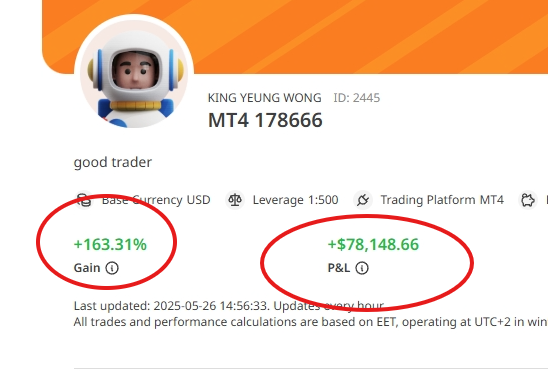
One of the most significant psychological hurdles in copy trading is the susceptibility to misleading signals, often amplified by platform design.
- Performance Bias & The Allure of High ROI: Leaderboards on platforms like TraderWagon and Bybit exert a strong influence, with top-ranking positions explaining up to 76.7% of popularity. It’s easy to be drawn to traders showcasing triple-digit returns, mistaking this for skill rather than potentially unsustainable luck or high-risk strategies. Many novice traders, driven by greed, gravitate towards these exceptional gains without scrutinizing the associated risks.
- Social Proof: If Everyone’s Doing It, It Must Be Good, Right? Seeing a trader with thousands of copiers can trigger a “herd mentality.” The assumption is, “If so many people trust this trader, they must be good.” This is social proof in action, a cognitive shortcut where we look to others to guide our decisions, especially in uncertain situations. However, popularity doesn’t always equate to consistent, risk-adjusted returns. Research even shows that perceived trustworthiness or experience can be disproportionately valued over objective performance indicators.
- FOMO (Fear Of Missing Out): The Panic Button for Your Portfolio: Social media and platform chatter can amplify FOMO, encouraging impulsive decisions. When you see others celebrating huge wins from a particular trader, the fear of missing out on those profits can compel you to jump in without proper analysis, often at the worst possible time. This is especially prevalent during peak attention periods on platforms like r/wallstreetbets, where retail investors have been observed allocating disproportionate shares to volatile assets, leading to negative average holding period returns.
The Fix: Look beyond the surface. Prioritize traders with consistent, risk-adjusted returns over those with sporadic, sky-high profits. Dig into their trading history, maximum drawdown (MDD), and win rate over an extended period. As the Reddit discussion on Fairdesk highlighted, impressive returns for just a week or two can be a sign of reckless behavior, not genius, with a high likelihood of crashing. Many “top” traders might just be experiencing survivorship bias or even manipulating rankings.
Is Overconfidence in Your Chosen Trader a Ticking Time Bomb?
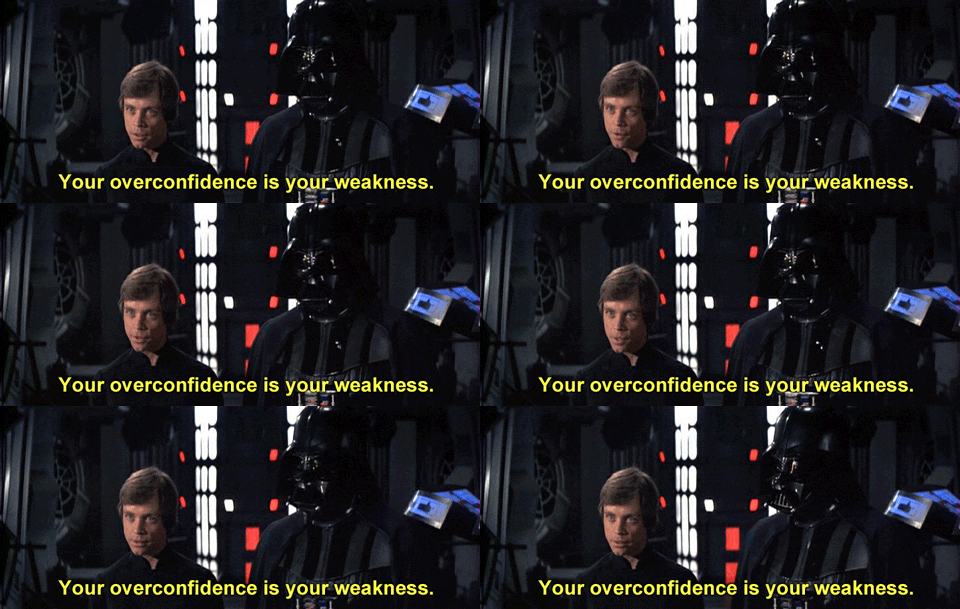
Once you’ve chosen a trader, especially one with a good initial run, it’s easy to fall into the trap of overconfidence – not just in your own selection abilities, but in the infallibility of the copied trader. This can lead to:
- Neglecting Personal Risk Management: You might become lax with setting your own stop-loss orders or overallocating capital to a single trader, believing they’ll never have a significant loss. This is a critical error, as even the best traders encounter drawdowns. The research highlights that traders without stop-loss orders have suffered significant financial losses during volatile periods.
- Ignoring Red Flags: Overconfidence can blind you to warning signs, like a trader subtly increasing their risk, changing their strategy without explanation, or becoming erratic.
- Complacency: You might stop monitoring the trader’s performance as diligently as you should, assuming everything will continue smoothly.
The Fix: Maintain a healthy skepticism. Trust, but verify. Always implement your own risk management safeguards, such as setting maximum loss limits for your copy trading allocation and diversifying across multiple traders if possible. Remember, you are the ultimate guardian of your capital.
How Do Fear, Impatience, and Confirmation Bias Wreck Your Strategy?

Beyond the initial selection, your ongoing emotional state plays a massive role in copy trading success or failure.
- Fear of Loss: This powerful emotion can lead to prematurely exiting a copied trade or stopping copying a good trader during a temporary drawdown. You crystallize a loss that might have recovered if you’d stuck to the trader’s long-term strategy.
- Impatience: Copy trading isn’t a get-rich-quick scheme. Sustainable growth takes time. Impatience can cause you to frequently switch traders, chasing short-term performance (“hot hands”) and incurring unnecessary transaction costs or missing out on longer-term gains.
- Confirmation Bias: This is the tendency to seek out information that confirms your existing beliefs and ignore contradictory evidence. If you’ve decided a trader is “good,” you might only focus on their wins and downplay their losses or risky behavior. If you’re feeling fearful, you’ll seek out negative news or comments to justify exiting.
The Fix: Cultivate emotional discipline. Keep a trading journal, even for your copy trading decisions: why you chose a trader, your expectations, and predetermined review points. Focus on the trader’s long-term methodology and your overall investment plan rather than reacting to every short-term fluctuation.
Why Does Greed Make You Mistake High ROI for a Good Trader?
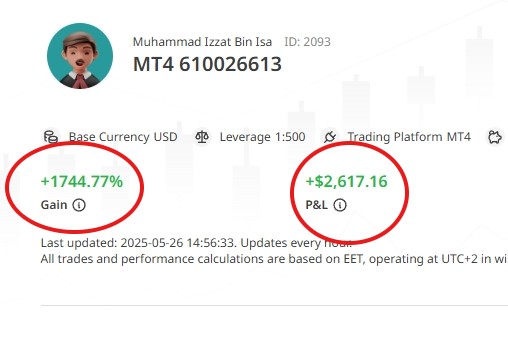
Greed is a primal emotion that can be particularly destructive in trading. In copy trading, it often manifests as:
- Chasing Unsustainable Returns: Prioritizing traders with the highest advertised ROI without considering the risk they undertook to achieve it. These traders might be employing highly leveraged, risky strategies that are prone to spectacular blow-ups. As David Schwartz (2022) argued, many successful records in copy trading might be based on randomness rather than consistent expertise.
- Over-leveraging Your Copied Trades: Some platforms allow you to magnify the copied trades. Driven by greed, you might increase this leverage, turning a manageable risk into a potentially catastrophic one.
- Ignoring Risk Management for Quick Profits: Greed can make you impatient and cut corners on due diligence or personal risk controls in pursuit of rapid gains.
The Fix: Focus on sustainable, process-oriented trading. Prioritize capital preservation and realistic goals. Understand that consistent, moderate gains are often preferable to volatile, high-risk strategies in the long run. Look for traders who discuss their risk management approach, not just their profits.
The Hidden Bite: Are You Unaware of Platform Fees?
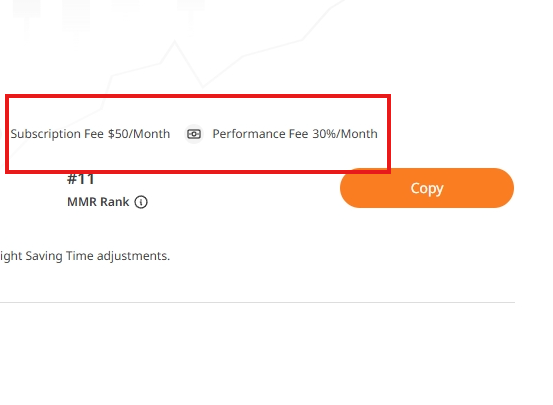
Platforms need to make money, and fees are a common way they do so. However, these fees aren’t always transparent and can significantly erode your net returns.
- Subscription Fees: Some platforms or specific traders charge a monthly fee.
- Performance Fees: A percentage of profits made from copying a trader.
- Spread Markups: The platform might offer slightly worse buy/sell prices than the interbank market, with the difference being their profit.
- Withdrawal/Deposit Fees: Charges for moving money in and out of the platform.
- Volume-Based Fees: Platforms may incentivize high trading volumes, which can encourage manipulative behaviors by leaders aiming to boost their rankings through sheer activity rather than profitable strategies.
The Fix: Scrutinize the fee structure of any platform and trader before committing funds. Understand all potential costs and factor them into your expected returns. Misleading information about returns or obscured fees can lure unsuspecting followers into poor choices.
Why Complacency Leads to Neglecting Performance Tracking

Even if you’ve done your initial due diligence, chosen a seemingly solid trader, and set up your risk controls, the journey isn’t over. Complacency is a subtle enemy.
- Forgetting to Regularly Monitor: Markets evolve, trader performance can change, and strategies can become outdated. Failing to regularly review your copied trader’s performance, their alignment with your goals, and any changes in their trading style is a common mistake.
- “Out of Sight, Out of Mind”: If you’re not actively tracking, you might miss early warning signs of trouble, such as increasing drawdowns, a shift to riskier assets, or a deviation from their stated strategy.
The Fix: Schedule regular check-ins for your copy trading portfolio. This could be weekly or monthly, depending on your comfort level and the trader’s activity. Review their performance, risk metrics, and any communications they’ve shared. Be prepared to adjust or stop copying if necessary.
“It’s Simple, Right?” The Peril of Oversimplification and Ignoring Market Context
Copy trading can seem deceptively simple, leading to an underestimation of the complexities involved.
- Ignoring Market Context: A strategy that performs exceptionally well in a trending market might falter in a ranging or volatile market. Simply copying trades without understanding the broader market context or the trader’s adaptability to different conditions is risky. As Brett Steenbarger notes in “Trading Psychology 2.0,” the short life cycles of market regimes mean successful traders must be adaptable. Sticking rigidly to one approach is destined for failure if not accompanied by processes for adaptive change.
- Lack of Understanding of the Trader’s Strategy: You don’t need to be an expert, but having a basic understanding of how the trader makes decisions (e.g., technical analysis, fundamental analysis, swing trading, scalping) can help you assess if their approach still makes sense in the current environment.
The Fix: Continuously educate yourself about market principles and different trading strategies. While you’re copying someone else, a foundational knowledge will help you make better decisions about who to copy and when to make changes.
The Ego Trap: Why is Admitting a Mistake So Hard? (Emotional Attachment and Loss Aversion)

No one likes to be wrong, especially when money is involved. This aversion to admitting a mistake can be costly in copy trading.
- Emotional Attachment: You might become emotionally attached to a trader, especially if you’ve had past success with them or invested a lot of time in researching them. This can make it hard to cut ties even when their performance consistently deteriorates.
- Hoping to Recoup Past Losses (Sunk Cost Fallacy): If a copied trader has lost you money, you might be tempted to stick with them, hoping they’ll “win it back.” This is often irrational and can lead to even greater losses. Panic selling driven by fear and regret aversion remains a recurring issue.
- Confirmation Bias (Again!): You might selectively focus on any small wins to justify sticking with a losing trader, ignoring a larger pattern of underperformance.
The Fix: Develop objective criteria for when to stop copying a trader. This could be based on a maximum drawdown limit, a certain number of losing months, or a significant deviation from their stated strategy. Stick to these rules dispassionately. Embrace losses as learning opportunities.
Naval Ravikant on Emotional Investing: A Philosophical Anchor

Naval Ravikant, an entrepreneur and investor known for his wisdom on wealth and happiness, emphasizes long-term thinking and rationality. While he doesn’t speak directly about copy trading, his principles offer profound insights applicable here:
- Play Long-Term Games with Long-Term People: Ravikant advises focusing on endeavors with compound interest, both financially and in relationships. In copy trading, this translates to seeking traders with consistent, sustainable strategies rather than those chasing short-term, high-risk wins. Avoid “get rich quick” mentalities.
- Emotional Regulation is Key: Ravikant stresses the importance of a calm, clear mind for good decision-making. He states, “A tired, foggy mind makes emotional ones.” Emotional regulation, managing impulsivity, and understanding your triggers are crucial. This aligns perfectly with the need to control fear, greed, and FOMO in trading.
- Specific Knowledge and Accountability: Ravikant champions developing specific knowledge that society will pay you for. While you’re leveraging someone else’s trading knowledge in copy trading, understanding the fundamentals of markets, risk, and psychology is your “specific knowledge” for managing this process. Taking accountability for your choices (whom to copy, your risk settings) is paramount.
- Avoid “External Multiplayer Games” when “Internal Singleplayer Games” Matter: Tradeciety.com, referencing Ravikant, highlights that trading is an “internal singleplayer game.” Your success depends on your own discipline and emotional control, not on comparing yourself to others or seeking validation from their wins (which can fuel FOMO and other biases). Focusing on external validation (like chasing traders on leaderboards just because they are popular) is an “external multiplayer game” that can lead to frustration and poor decisions.
Naval’s philosophy would likely advocate for a copy trading approach that is deeply researched, long-term oriented, emotionally detached, and where you take full responsibility for your framework of selection and risk management, rather than blindly outsourcing your financial destiny. He’d likely caution against the emotional sales pitch that can occur in investing, where hype overshadows rational analysis.
10 Lessons from “Trading Psychology 2.0” by Brett Steenbarger for Copy Traders
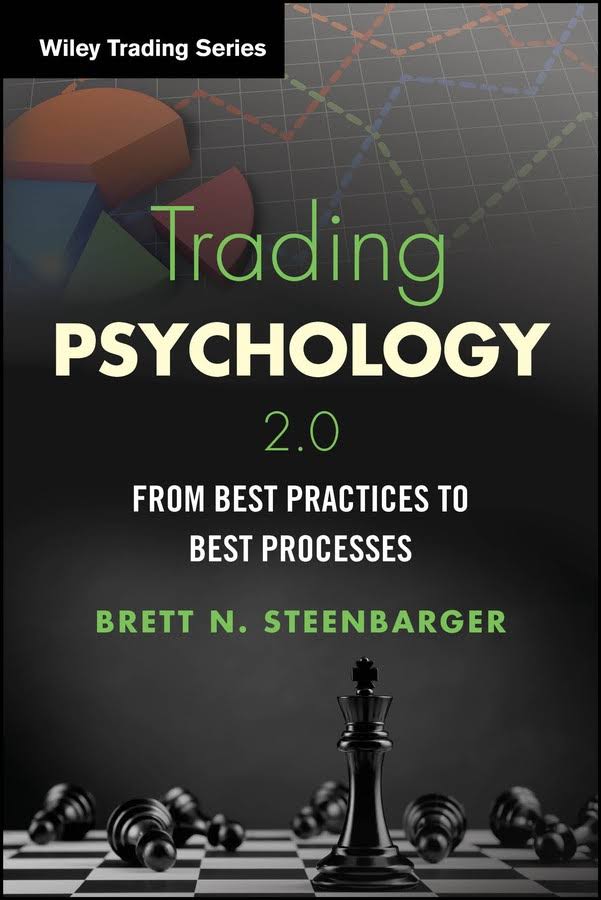
Brett Steenbarger’s “Trading Psychology 2.0: From Best Practices to Best Processes” offers a wealth of knowledge for any trader, including those involved in copy trading. Here are 10 lessons adapted for the copy trader:
- Adapt to Change (Best Process #1): Markets are not static. The trader you copy must be able to adapt their strategies. Your process for selecting and monitoring traders must also be adaptable. Don’t assume what worked last year will work next year. Question for copy traders: How do you assess a lead trader’s adaptability?
- Build on Strengths (Best Process #2): Steenbarger emphasizes leveraging what you do well. As a copy trader, your strengths lie in research, selection, risk management, and emotional discipline. Focus on honing these. Question: What are your unique strengths in managing your copy trading portfolio?
- Cultivate Creativity (Best Process #3): This involves finding fresh perspectives and solutions. For copy traders, this could mean looking beyond obvious leaderboards, finding niche traders, or creatively combining different copied strategies (with caution and understanding). Question: How can you think more creatively about your trader selection and diversification?
- Develop and Integrate Best Practices (Best Process #4): Turn good habits into unbreakable processes. This includes your due diligence checklist, risk management rules, and review schedule for copied traders. Question: What are your non-negotiable best practices for copy trading?
- Routine is for Efficiency, Breaking Routine is for Adaptation: While having a routine for monitoring is good, be prepared to break that routine if market conditions or a trader’s behavior changes drastically. Don’t let routine become complacency.
- Frustration is the Mother of Adaptation: If you’re frustrated with a copied trader’s performance, use that as a catalyst to re-evaluate and adapt, rather than just getting angry or making impulsive changes. Question: How do you channel trading frustrations productively?
- The Limits of Trader Discipline (if it’s the wrong discipline): Steenbarger notes that discipline in doing the wrong thing only locks in poor returns. If a copied trader is disciplined in a failing strategy, your discipline in sticking with them will also lead to losses. Context matters.
- Beware the Perils of (Over)Confidence: Conviction is good, but overconfidence can make you most vulnerable when you’re least able to adapt. Don’t become so confident in a copied trader that you ignore warning signs.
- Embrace the Loss for Learning: When a copied trade or trader results in a loss, don’t just move on. Analyze what happened. Was it the trader, the strategy, the market, or your own management? This makes adaptation a continuous routine.
- The Power of Networking and “Talking Shop”: While you’re copying, engaging with other rational copy traders (in forums, communities) can provide new perspectives, help you spot red flags, or discover new talent. However, be wary of purely emotional or hype-driven discussions.
Steenbarger’s work ultimately pushes traders towards becoming more self-aware, process-driven, and adaptable – qualities that are just as crucial for a successful copy trader as they are for a manual trader.
The Path to Emotional Mastery in Copy Trading: Solutions and Strategies
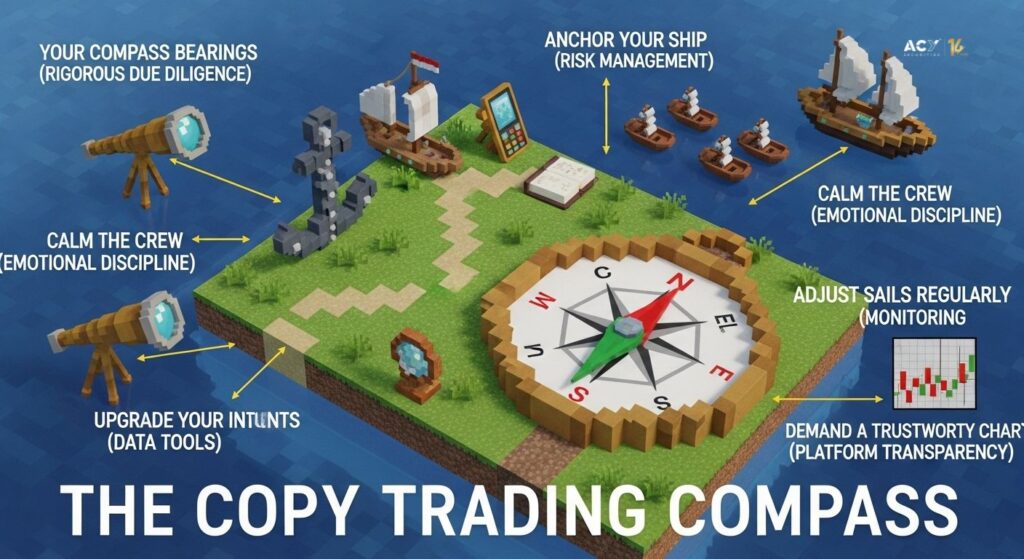
Conquering emotions in copy trading requires a multi-faceted approach, blending psychological awareness with practical strategies and leveraging the right tools.
- Rigorous Due Diligence is Non-Negotiable:
- Beyond ROI: Don’t be swayed by high returns alone.
- Deep Dive into Metrics: Analyze historical performance, maximum drawdown (MDD), risk-adjusted returns (e.g., Sharpe ratio), average trade duration, win/loss ratio, and the types of assets traded.
- Understand the Strategy: What is the trader’s methodology? Does it align with your risk tolerance and market outlook?
- Read Reviews & Community Feedback (with caution): See what other copiers are saying, but filter out purely emotional comments.
- Beyond ROI: Don’t be swayed by high returns alone.
- Implement Robust Personal Risk Management:
- Set Stop-Losses: Even if the platform or trader uses them, consider your own overall stop-loss for the capital allocated to a specific trader.
- Proper Position Sizing/Allocation: Never allocate more than you can afford to lose to a single trader or to copy trading in general. Avoid overexposure.
- Diversification: If possible, diversify across multiple traders with different, ideally uncorrelated, strategies. This reduces exposure to any single trader’s idiosyncratic risks.
- Set Stop-Losses: Even if the platform or trader uses them, consider your own overall stop-loss for the capital allocated to a specific trader.
- Cultivate Emotional Discipline & Self-Awareness:
- Trading Journal: Keep a log of your copy trading decisions, the reasons behind them, and your emotional state. This helps identify patterns in your own behavior.
- Set Clear Investment Goals: Define what you want to achieve to align risk tolerance with market dynamics.
- Practice on a Demo Account: Before going live or trying a new trader, use a demo account to understand the platform and observe the trader’s style without financial risk. This can help you experience the emotional swings.
- Mindfulness & Emotional Regulation Techniques: Practices like meditation can help you become more aware of your emotions and less reactive to them.
- Trading Journal: Keep a log of your copy trading decisions, the reasons behind them, and your emotional state. This helps identify patterns in your own behavior.
- Leverage Data-Driven Tools:
- Backtesting Platforms: Some tools allow you to backtest a trader’s strategy (if disclosed) against historical data.
- Analytical Software: Use platforms that offer comprehensive analytics on traders, including risk scores and performance under varying market conditions. ZuluTrade is mentioned as an example of a platform with ranking systems to assist traders.
- Backtesting Platforms: Some tools allow you to backtest a trader’s strategy (if disclosed) against historical data.
- Continuous Monitoring & Adaptation:
- Regular Reviews: Schedule periodic reviews of your copied traders’ performance and ongoing suitability.
- Stay Informed: Keep abreast of market news and how it might impact your copied strategies.
- Be Prepared to Act: Don’t let emotional attachment or hope prevent you from cutting ties with an underperforming or overly risky trader.
- Regular Reviews: Schedule periodic reviews of your copied traders’ performance and ongoing suitability.
- Understand Platform Dynamics and Advocate for Transparency:
- Scrutinize Leaderboards: Be aware that leaderboards can be gamed. Some platforms might incentivize high trading volumes, which doesn’t always align with copiers’ best interests.
- Demand Fee Transparency: Ensure you understand all associated costs.
- Support Regulatory Scrutiny: Regulation plays a role in addressing misleading platform designs and protecting investors.
- Scrutinize Leaderboards: Be aware that leaderboards can be gamed. Some platforms might incentivize high trading volumes, which doesn’t always align with copiers’ best interests.
Copy Trading: The Ultimate Goal
Ultimately, successful copy trading, like all investing, is about the smarter protection and growth of your money. Emotions are natural, but allowing them to dictate your financial decisions is a recipe for disappointment. By understanding the psychological traps, implementing disciplined strategies, and continuously learning, you can navigate the world of copy trading with greater confidence and control.
It’s not just about picking winning traders; it’s about crafting a resilient process that safeguards your capital from your own emotional vulnerabilities and the sometimes-misleading nature of the trading landscape.
FAQs: Common Mistakes & Navigating Copy Trading Psychology
Q1: What’s the biggest mistake people make when starting copy trading?
A: Blindly following popular traders based on high short-term profits or social proof (many copiers) without deeply analyzing their long-term performance metrics, risk management, and strategy consistency. This is often driven by FOMO and performance bias.
Q2: How does overconfidence affect my copy trading?
A: Overconfidence, either in your ability to pick traders or in the infallibility of the chosen trader, can lead to neglecting essential personal risk management safeguards like setting stop-loss limits or overallocating capital to one trader. You might also ignore warning signs if you’re too trusting.
Q3: What are the key emotional drivers that lead to poor decisions in copy trading?
A: The primary emotional culprits are:
- Fear of loss: Causing premature exits from trades or stopping copying a good trader during a drawdown.
- Greed: Leading to chasing unrealistically high ROIs without considering risk, or over-allocating funds.
- Impatience: Resulting in frequent switching of traders and not allowing strategies time to play out.
- FOMO (Fear Of Missing Out): Driving impulsive decisions to copy traders who are currently popular or showing sudden spikes in profit.
- Confirmation Bias: Seeking information that validates your choices and ignoring negative signals.
Q4: Why is focusing only on immediate profits a bad strategy?
A: An outcome-focused mindset, driven by greed or a lack of strategic planning, ignores the sustainability of the process. High immediate profits can come from excessively risky strategies that are not viable long-term. A process-oriented approach, prioritizing capital preservation, setting realistic goals, and continuous learning, is more sustainable.
Q5: How important is choosing the right copy trading platform?
A: Very important. Choosing the wrong platform due to insufficient research can expose you to risks like unclear regulatory compliance, hidden fees that erode profits, or misleading information designed to lure you in. Always evaluate platforms based on user-friendliness, security, transparent performance metrics, clear fee structures, and regulatory standing.
Q6: I’ve picked a trader, can I just “set and forget” my investment?
A: No, this is a dangerous misconception. You need to regularly monitor your trader’s performance, their adherence to their stated strategy, and whether their risk profile still aligns with yours. Market conditions change, and so can a trader’s effectiveness or behavior. Complacency can lead to significant, unchecked losses.
Q7: How do I avoid getting emotionally attached to a trader I’m copying, especially if they start losing money?
A: Predefine objective criteria for when you will stop copying a trader (e.g., a specific drawdown percentage, a certain number of losing months). Stick to these rules dispassionately. Acknowledge that losses are part of trading and avoid the “sunk cost fallacy” of hoping they will recoup your losses if their strategy is clearly failing. Keeping a trading journal can also help maintain objectivity.
(Disclaimer: This article is for informational and educational purposes only. It should not be considered financial advice. Always conduct your own research and consult with a qualified financial advisor before making any investment decisions.)
For more detailed insights on developing daily trading routines, risk management, and effective position sizing strategies, explore additional articles on Trading Cup. Our trading experts at ACY and FinLogix are also great resources to guide your journey towards trading excellence.

Discover Our Best Trading Signals
At Tradingcup, you can browse through a selection of signals and review past performance before you decide to copy.
Become A Signal Provider
Share your expertise and become a signal provider so other traders can copy your trades.
Stay tuned to our blog for more trader spotlights and leaderboard updates.
Trading involves risks.
Visit the Tradingcup blog through the link below for more updates: https://www.tradingcup.com/learn
Related Copy Trading blogs:
- Understanding Market Liquidations: Liquidity Sweeps and Runs Explained
- 7 Essential Daily Habits of Successful Traders to Outperform Their Peers
- 10 Strategies You Can Copy off Our Best Copy Traders
- 5 Strategies Every Trader Can Master To Trade Better In A Trading Contest
- 2025 Copy Trading Scams Exposed: How to Spot Fraud
- A Swing Trading Strategy with an 83 Percent Win Rate and Low Drawdowns
- Forex Martingale Strategies Explained, The Good, The Bad and The Ugly
- Pyramiding Trading Tutorial – Pros & Cons & How to Use It