
Last Updated: May 23, 2025
This article is reviewed annually to reflect the latest market regulations and trends.
TL;DR: Guide to Copy Trading
- Don’t just follow the crowd’s loud cheer, do your research, conquer fear!
- Sky-high ROIs may cause a swoon, check the long-term, not just the moon!
- Risk unseen can make your profits fade, set stop-losses, be unafraid!
- Hidden fees can shrink your gain, read the fine print, ease the pain!
- Emotions wild can lead you astray, trade with discipline, come what may!
Disclaimer: The information in this article is for educational purposes only and does not constitute financial, investment, or trading advice. Copy trading carries substantial risks, including the potential loss of your entire invested capital. Past performance of copied traders or strategies is not a reliable indicator of future results. You may be replicating high-risk trades, overleveraged positions, or strategies incompatible with your financial goals. Always conduct independent research into a trader’s historical performance, risk metrics, and strategy before copying them. Never invest funds you cannot afford to lose. Consult a licensed financial advisor to ensure copy trading aligns with your risk tolerance, financial objectives, and regulatory requirements in your jurisdiction. This article does not endorse specific traders, platforms, or strategies, and all trading decisions remain your sole responsibility.
“The chief task in life is simply this: to identify and separate matters so that I can say clearly to myself which are externals not under my control, and which have to do with the choices I actually control. Where then do I look for good and evil? Not to uncontrollable externals, but within myself to the choices that are my own…” – Epictetus.
What Unconscious Copy Trading Traps Are Snaring Beginners? Your Guide to Smarter Investing
Copy trading. It shimmers with promise, doesn’t it? The allure of effortlessly mirroring the moves of seasoned traders, potentially fast-tracking your way to financial growth without decades of learning the hard way. For beginners, it often sounds like the perfect entry into the complex world of trading. But beneath this enticing surface lie subtle, often unconscious, mistakes that can turn dreams of profit into frustrating losses. Many retail traders, despite the accessibility of copy trading, fall prey to errors rooted in psychological biases and a lack of foundational knowledge.
The truth is, while copy trading can be a powerful tool, it’s not a guaranteed ticket to riches. It demands awareness, diligence, and a commitment to understanding not just the what, but the why behind your copy trading decisions. This article will delve into the common, yet often overlooked, tips that beginners unconsciously ignore, leading them down a path of avoidable pitfalls. We’ll explore the psychological drivers, platform-related challenges, and crucial risk management failures that can derail your copy trading journey. Our goal? To empower you with the insights needed to navigate the copy trading landscape with greater confidence and, ultimately, to better protect and grow your hard-earned capital.
First Things First: What Exactly is Copy Trading?
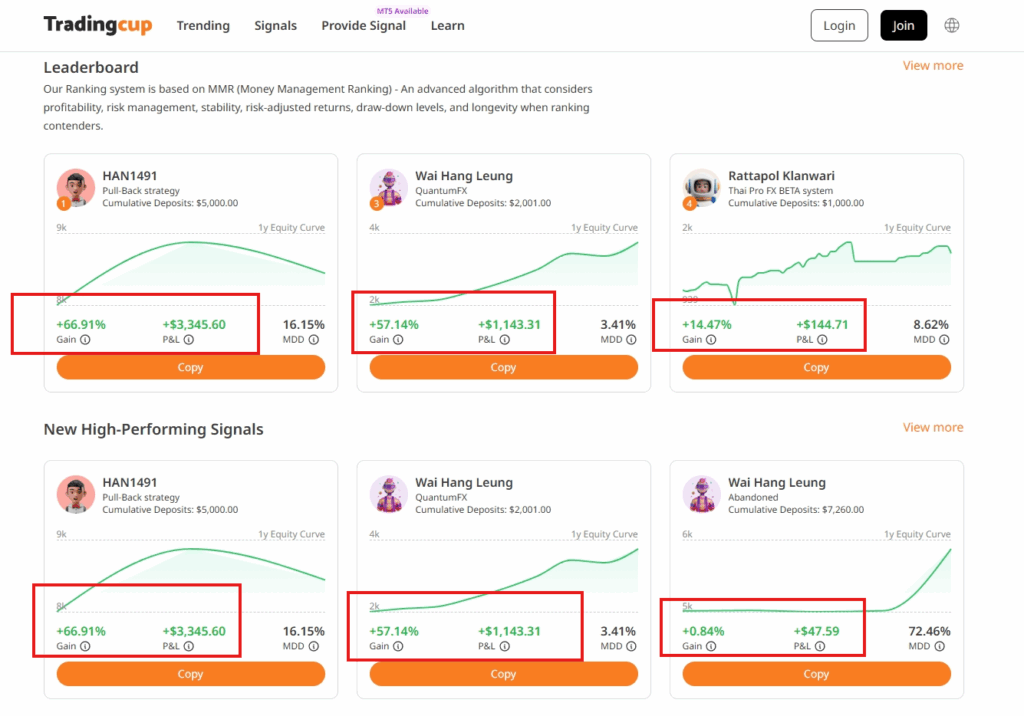
Before we dissect the mistakes, let’s ensure we’re on the same page. Copy trading is a portfolio management strategy where traders (copiers) can automatically replicate the trading positions opened and managed by another selected trader (the provider or leader). When the provider executes a trade, the same trade is executed in the copier’s account proportionally to the funds allocated.
Why Does Copy Trading Perfect for Beginners?
The appeal of copy trading for newcomers is undeniable:
- Accessibility: It lowers the barrier to entry into financial markets. You don’t need to be an expert chartist or a financial news junkie from day one.
- Time-Saving: It can save countless hours that would otherwise be spent on market analysis and trade execution.
- Learning Opportunity: By observing the strategies of experienced traders, beginners can gain insights into trading methodologies (though this requires active observation, not passive copying).
- Diversification Potential: It allows for easy diversification by copying multiple traders with different styles and market focuses.
- Reduced Emotional Burden (Theoretically): By automating trades, it can theoretically reduce impulsive, emotion-driven decisions, though as we’ll see, emotions often creep back in.
However, this apparent simplicity can be a double-edged sword, leading to a sense of complacency that allows unconscious mistakes to take root.
Common (and Costly) Beginner Blunders in Copy Trading

Let’s peel back the layers and examine the tips that beginners often ignore, usually without even realizing it.
1. Are You Blindly Chasing ‘Star’ Traders? The Danger of Popularity Contests
This is perhaps the most prevalent error. Platforms often feature leaderboards highlighting traders with impressive recent returns. It’s natural to be drawn to the top performers, but beginners often make the mistake of blindly following popular traders without conducting thorough due diligence. Studies indicate that imitation significantly influences decision-making in social trading networks, often leading to suboptimal outcomes when critical assessment is lacking.
- The Mistake: Prioritizing apparent success signals (like high short-term ROI or a large number of copiers) over deeper metrics such as risk-adjusted returns, maximum drawdown (MDD), win rate consistency over time, or the sustainability of the trader’s strategy. A trader might attract followers based on short-term profitability while employing unsustainable practices that lead to significant losses over time.
- The Psychology: This is fueled by performance bias, social proof (if everyone is copying them, they must be good, right?), and FOMO (Fear Of Missing Out). The top-ranking positions on platforms can explain up to 76.7% of a trader’s popularity.
- What You’re Ignoring: You need to understand how to read a trader’s performance. Look for:
- Consistency: How long have they been trading? Is their performance stable, or erratic with huge spikes and deep troughs?
- Risk Management: What is their typical drawdown? Do they use stop-losses? How leveraged are their positions?
- Strategy: What markets do they trade? What is their style (e.g., scalping, swing trading, trend following)? Does it align with your risk appetite?
- Transparency: Does the trader explain their strategy or are they a black box?
- Consistency: How long have they been trading? Is their performance stable, or erratic with huge spikes and deep troughs?
- The Fix: Evaluate traders using comprehensive metrics. Don’t just look at the PnL; scrutinize their MDD, win rate, risk/reward ratio per trade, and trading history. Diversify across multiple traders with different strategies to mitigate risks.
2. Is Your Risk Management Plan Missing in Action? The Unseen Saboteur
Risk management is paramount in any form of trading, and copy trading is no exception. Yet, beginners often neglect personal risk management safeguards, placing excessive faith in the copied trader.
- The Mistake: Failing to set appropriate stop-loss levels for your copy trading portfolio, not using proportional copying correctly, or over-allocating a large portion of your capital to a single trader or strategy. Many retail traders fail to implement essential tools like stop-loss orders due to overconfidence in the copied trader’s abilities or a simple lack of awareness. During periods of heightened volatility, traders without stop-loss orders have suffered significant financial losses.
- The Psychology: Overconfidence in the chosen trader, misplaced trust, or a lack of financial literacy about how quickly losses can accumulate. Social influence can also increase risk-taking behavior.
- What You’re Ignoring: The copied trader manages their risk according to their overall portfolio and risk tolerance, which might be vastly different from yours. A 10% drawdown might be acceptable for them, but catastrophic for you. Improper position sizing is a major contributor to poor outcomes.
- The Fix:
- Set Your Own Stop-Losses: Most platforms allow you to set a stop-loss on your entire copy trading relationship with a specific trader. Use it.
- Proportional Copying: Understand how it works. If you copy with a fixed size that’s too large relative to your capital, you could face margin calls or significant losses even if the trader has a small drawdown.
- Diversify: Don’t put all your eggs in one basket. Spread your capital across 2-3 traders with uncorrelated strategies.
- Allocate Wisely: Never allocate more capital to copy trading than you can afford to lose. Align copied strategies with your individual risk tolerance.
- Set Your Own Stop-Losses: Most platforms allow you to set a stop-loss on your entire copy trading relationship with a specific trader. Use it.
3. Are Emotions Secretly Steering Your Copy Trading Ship?
Ah, emotions – the bane of many traders. Beginners in copy trading might think they’re immune since the trades are “automated,” but emotions often resurface in how they manage their copy trading. Emotional decision-making can lead to premature exits or frequent, impulsive changes in copied traders.
- The Mistake: Panicking and stopping copying a trader after a short string of losses, even if their long-term strategy is sound. Conversely, getting greedy and overallocating to a trader on a hot streak, or jumping from trader to trader chasing recent performance.
- The Psychology: Fear of loss, impatience, confirmation bias (seeking evidence to confirm a hasty decision), and again, FOMO. Fear can prompt premature exits from profitable trades, while greed encourages excessive leverage or holding onto losing positions too long.
- What You’re Ignoring: Trading involves wins and losses. Even the best traders have losing streaks. Constant chopping and changing often leads to worse results due to crystallizing losses and missing recovery periods.
- The Fix: Maintain discipline. Keep a trading journal for your copy trading decisions (why you chose a trader, your expectations, when you’ll review). Consider using a demo account first to understand the emotional swings. Focus on the long-term process and the trader’s methodology rather than obsessing over short-term outcomes.
4. Do You Truly Grasp the ROI You’re Seeing? Unmasking Profitability Figures
That flashy 300% ROI on a trader’s profile looks incredibly tempting. But do you understand what that ROI really means in copy trading?
- The Mistake: Focusing solely on a high ROI percentage without understanding how it’s calculated, over what period, and with what level of risk. Some platforms or traders might use calculation methods that can artificially inflate ROI percentages, for example, by using very small amounts of capital to achieve high percentage gains on single trades, or by creating multiple portfolios to hedge bets.
- The Psychology: Outcome-focused mindset and greed. The lure of exceptional gains can make novice traders neglect to evaluate whether these results reflect genuine skill or mere luck. David Schwartz (2022) argues that most successful records in copy trading are based on randomness rather than consistent expertise.
- What You’re Ignoring:
- Timeframe: Was that ROI achieved in a week (likely unsustainable and very high risk) or over a year?
- Base Capital: A high ROI on a very small account is different from a stable ROI on a substantial one.
- Risk Taken: What was the maximum drawdown to achieve that ROI? Did they risk 50% of their capital to make 50%?
- Leverage: High leverage can magnify ROIs but also losses.
- Timeframe: Was that ROI achieved in a week (likely unsustainable and very high risk) or over a year?
- The Fix: Dig deeper than the headline ROI. Look for risk-adjusted returns (e.g., Sharpe ratio, Sortino ratio if available). Understand the trader’s typical exposure and how they manage leverage. Prefer traders with consistent, albeit potentially lower, ROIs achieved with sound risk management over those with astronomical but erratic figures.
5. Have You Accounted for the Hidden Bite of Copy Trading Fees?

“It’s just a small percentage,” you might think. But copy trading fees, if not properly understood, can significantly eat into your net profits.
- The Mistake: Choosing a platform or trader without fully understanding the fee structure. This includes performance fees, profit sharing, subscription fees, spreads, or withdrawal fees.
- The Psychology: Lack of awareness or underestimation of the cumulative impact of fees. Misleading information or obscured fees can lure unsuspecting followers.
- What You’re Ignoring: Fees are deducted from your profits. A trader might have a gross ROI of 20%, but if there’s a 30% performance fee, your net ROI is 14% (before any other platform fees or spreads). Hidden fees compound this issue.
- The Fix: Meticulously research the fee structure of any platform and any specific trader you intend to copy. Look for transparency. Calculate how fees will impact your potential returns. Factor them into your decision-making process when comparing traders.
6. Is ‘Set and Forget’ Your Mantra? The Peril of Not Tracking Performance
Many beginners adopt a “set and forget” mentality with copy trading. They pick a trader, allocate funds, and then rarely check in.
- The Mistake: Failing to regularly track and monitor the performance of the traders you are copying and your overall copy trading portfolio.
- The Psychology: Complacency, the desire for a completely passive investment, or perhaps a fear of seeing negative results.
- What You’re Ignoring: A trader’s performance can change. They might alter their strategy, their risk appetite could shift, or they might simply go through an extended losing period. Market conditions also evolve, and a strategy that worked well in the past may not continue to do so.
- The Fix: Schedule regular reviews (e.g., weekly or monthly) of your copied traders’ performance. Compare it against your expectations and their historical norms. Be prepared to make changes if a trader consistently underperforms or if their risk profile no longer aligns with yours. Algorithmic tools can enable continuous monitoring and alert users to deviations.
7. Are You Lost in the Market’s Noise? The Critical Role of Context
Copying a trader successful in a bull market might lead to losses if that same strategy is ill-suited for a bear market or ranging conditions.
- The Mistake: Misunderstanding the broader market context and how it might affect the copied trader’s strategy. Failing to assess if a strategy’s past success is relevant to current or future market dynamics.
- The Psychology: Oversimplification, assuming a strategy is universally effective, or lacking the foundational knowledge to assess market conditions.
- What You’re Ignoring: No trading strategy works perfectly in all market conditions. A trend-following strategy will struggle in a sideways market, while a range-trading strategy will fail during strong breakouts.
- The Fix: While you don’t need to be an expert, gain a basic understanding of different market environments (trending, ranging, volatile, calm). Try to understand the type of market conditions in which your chosen trader’s strategy excels. This will help you set realistic expectations and potentially adjust your allocations if you anticipate a major shift in market dynamics.
8. Chained by the Past? The Sunk Cost Fallacy in Sticking with Underperformers

It can be hard to let go, especially when you’ve already invested time and perhaps lost some money with a particular trader.
- The Mistake: Continuing to copy an underperforming trader because you’ve already invested in them or are hoping they’ll “turn things around,” even when evidence suggests their strategy is failing or their risk management is poor. This is the sunk cost fallacy.
- The Psychology: Aversion to admitting a mistake, emotional attachment, or the hope of recouping past losses with the same trader, which can lead to throwing good money after bad.
- What You’re Ignoring: Your capital could potentially be better utilized with a more consistent or suitable trader. Sticking with a failing strategy out of hope is not a strategy.
- The Fix: Define clear criteria for when you will stop copying a trader before you start copying them. This could be based on a maximum drawdown level for your investment with them, a certain period of underperformance relative to their benchmark or peers, or a significant change in their trading style or risk. Be disciplined enough to act on these criteria.
The Million-Dollar Question: Can You Really Earn 10-20% Annually with Copy Trading?
Websites and success stories sometimes tout impressive returns like 10-20% annually (or even monthly) through copy trading. Is this realistic?
- Potential vs. Probability: Yes, such returns are possible. Some skilled traders, combined with favorable market conditions and effective risk management, can achieve these figures.
- Not a Guarantee: However, it is crucial to understand that these returns are not guaranteed. Past performance is not indicative of future results. Copy trading, like all trading, involves risk, including the risk of loss.
- Factors Influencing Returns:
- Trader Skill & Consistency: The most critical factor.
- Risk Level: Generally, higher potential returns come with higher risk. A trader aiming for 20% might have significantly larger drawdowns than one aiming for 8%.
- Market Conditions: Some strategies thrive in specific market types.
- Fees: As discussed, fees will reduce your net return.
- Your Own Risk Management: How you manage your overall copy trading allocation and stop-losses.
- Trader Skill & Consistency: The most critical factor.
- Manage Expectations: Approach copy trading with realistic expectations. While 10-20% is an attractive target, focus first on capital preservation and understanding the process. Be wary of traders promising unrealistically high returns with little apparent risk – this is often a red flag for unsustainable strategies. Research suggests many high returns are based on randomness rather than consistent expertise.
When is the Right Time to Dip Your Toes into Copy Trading?
Copy trading might seem like a plug-and-play solution, but a little preparation goes a long way.
- Basic Market Understanding: You don’t need to be an expert, but understand basic concepts like leverage, pips, stop-losses, and different asset classes.
- Defined Goals & Risk Tolerance: Why are you copy trading? What are your financial goals? How much can you afford to risk without impacting your financial stability? This will help you choose suitable traders.
- Platform Research: You’ve chosen a reputable platform with transparent fees, good execution, and regulatory oversight (if applicable in your region).
- Time Commitment for Due Diligence & Monitoring: While it saves time on active trading, you still need to invest time in selecting, monitoring, and managing your copied traders.
- Realistic Expectations: You understand that losses are part of trading and that “get rich quick” is a myth.
If you’ve ticked these boxes, you’re in a much better position to start your copy trading journey responsibly.
A Billionaire’s Wisdom: How Might John Paulson Approach Copy Trading?
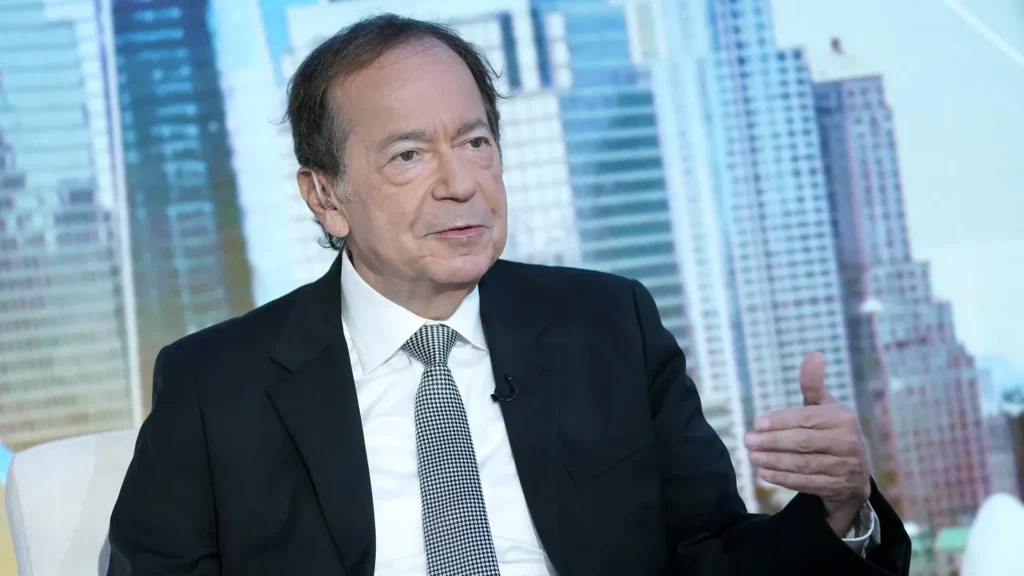
John Paulson, famous for his “Big Short” against the U.S. housing market, is a macro investor known for incredibly deep, contrarian research and meticulous risk assessment. While he doesn’t engage in retail copy trading, we can extrapolate principles from his investment philosophy:
- Intense Due Diligence: Paulson wouldn’t just glance at a leaderboard. He’d want to understand the entire process of a trader he might “copy.” This means scrutinizing their historical trades, their decision-making framework, how they react under pressure, and their risk controls as if he were investing millions in their fund. He’d look for a clearly defined, repeatable edge.
- Understanding the “Why”: He wouldn’t copy a strategy without comprehending its underlying logic and in what market conditions it’s designed to excel or fail. He’d want to know the thesis behind the trades.
- Focus on Asymmetric Risk/Reward: Paulson seeks opportunities where the potential upside significantly outweighs the downside. In copy trading, this would translate to favoring traders who demonstrate not just high returns, but excellent risk-adjusted returns and capital preservation skills. He’d be wary of traders with huge, volatile swings.
- Independent Verification: He wouldn’t solely rely on platform-provided stats. He’d want to independently analyze or verify as much as possible, perhaps even “paper trading” a copy for a while to observe behavior.
- Contrarian Thinking (Potentially): While leaderboards favor popular traders, Paulson might look for undervalued or overlooked traders with solid, less-followed strategies if his research backed them up. He’d be skeptical of overly crowded trades.
- Patience and Long-Term Perspective: His big trades took years to play out. He’d likely view a copy trading relationship as a longer-term allocation, not something to jump in and out of based on weekly performance, provided the core thesis remained intact.
In essence, if a figure like Paulson were to engage, he’d treat selecting a trader to copy with the same rigor as hiring a top-tier fund manager, focusing on sustainable processes over flashy, short-term results.
Trading Psychology 101: 10 Lessons from Mark Douglas’s “The Disciplined Trader” for Copy Traders
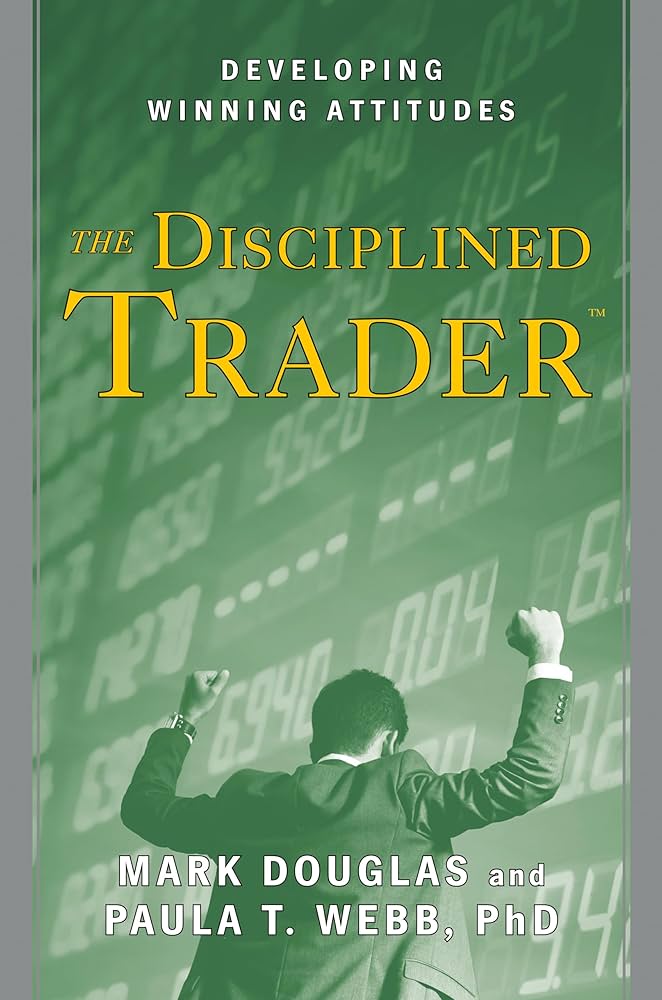
Mark Douglas’s “The Disciplined Trader” is a classic on mastering trading psychology. Its lessons are highly relevant for copy traders, who often underestimate the psychological component:
- Accept the Risk (Completely): Before copying, fully accept the financial risk involved with that specific trader and your allocated capital. If you can’t truly accept it, you’ll make emotional decisions.
- Anything Can Happen: The market can do anything at any time. Don’t assume a copied trader’s past success guarantees future wins. This helps avoid overconfidence.
- Focus on Probabilities, Not Certainties: A good trader has an edge that plays out over many trades. Don’t get discouraged by individual losses if the trader’s overall methodology remains sound.
- Define Your Edge (for Selection): Your “edge” as a copy trader is your ability to select skilled traders and manage your risk. Develop clear criteria for this.
- Every Moment is Unique: Don’t assume that because a trader did well in one market condition, they will automatically repeat it. Context matters.
- Objectively Monitor Your Beliefs: Are you holding onto a losing trader because of hope (an unhelpful belief) rather than objective evidence? Be honest with yourself.
- The Market is Neutral: The market isn’t “out to get you.” Losses are feedback. Don’t personalize them.
- Trade What’s Happening, Not What You Think Should Happen: Don’t impose your expectations on the copied trader. Monitor their actual performance and risk.
- Discipline is Key to Consistency: The discipline to stick to your selection criteria, your risk management rules, and your review schedule is crucial for consistent copy trading results.
- Strive for Objective Self-Awareness: Understand your own emotional triggers (fear, greed, impatience ) and how they might influence your decisions to start/stop copying or change allocations.
Applying these psychological principles can significantly improve your copy trading experience and outcomes.
Smarter Protection for Your Capital: Proactive Steps for Copy Trading Success
Avoiding the unconscious pitfalls and achieving more sustainable results in copy trading boils down to a proactive and informed approach:
- Educate Yourself Continuously: Learn about trading basics, risk management, and how to analyze trader performance. The more you know, the better questions you’ll ask and the better decisions you’ll make.
- Thorough Due Diligence is Non-Negotiable: Don’t skip this step. Investigate potential traders deeply. Look beyond ROI to understand their strategy, risk controls, and consistency.
- Implement Robust Personal Risk Management: Use stop-losses, manage position sizing carefully, and diversify your copied traders. Your capital protection is your responsibility.
- Understand the Platform: Know its features, fees, and any potential manipulative design patterns like overly influential leaderboards that might encourage herding. Choose platforms that prioritize transparency and user protection.
- Start Small & Scale Gradually: Don’t dive in with a large portion of your capital. Start with a smaller amount to understand the process, the platform, and the emotional experience.
- Regularly Review and Adjust: Don’t “set and forget.” Monitor performance, re-evaluate traders, and adjust your allocations as needed based on your predefined criteria.
- Maintain Emotional Discipline: Recognize and manage psychological biases like FOMO, greed, and fear. Stick to your plan. A trading journal can be invaluable here.
- Leverage Data-Driven Tools: Use available tools for backtesting (if possible for a provider’s strategy concept) and evaluating historical performance under various market conditions to gauge a strategy’s robustness.
Conclusion: From Unconscious Mistakes to Conscious Competence
Copy trading offers an exciting pathway into the trading world, but its apparent simplicity masks complexities that can easily trip up beginners. The most common mistakes of blindly following popular figures, neglecting personal risk management, succumbing to emotional decisions, misunderstanding true performance metrics, and ignoring the impact of fees and market context, often stem from unconscious biases and a lack of foundational knowledge.
However, these pitfalls are not insurmountable. By bringing these unconscious tendencies into conscious awareness, and by committing to education, diligent research, disciplined risk management, and emotional regulation, you can significantly improve your chances of a positive and sustainable copy trading experience. The journey to smarter investing and better protection of your money in copy trading begins with understanding not just the market or the traders you copy, but yourself.
Frequently Asked Questions (FAQs)
Q1: Is copy trading really profitable for beginners?
A1: Copy trading can be profitable for beginners, but it’s not a guaranteed path to profit. Success depends heavily on selecting skilled and consistent traders, diligent personal risk management, understanding fees, and avoiding emotional decision-making. Many beginners lose money by blindly copying or ignoring risks.
Q2: How do I choose the right trader to copy?
A2: Look beyond just high ROI. Analyze their long-term performance consistency, maximum drawdown (a key risk indicator), risk-adjusted returns (like Sharpe ratio, if available), the markets they trade, their trading strategy, and how transparent they are. Ensure their risk profile aligns with your own tolerance. Diversification across multiple traders is also a good strategy.
Q3: What are the biggest psychological mistakes in copy trading?
A3: The biggest psychological mistakes include FOMO (fear of missing out) leading to chasing “hot” traders, overconfidence in a copied trader, fear leading to premature exiting of trades or stopping copying a good trader during a normal drawdown, and greed leading to over-allocation or choosing overly risky traders.
Q4: How much money do I need to start copy trading?
A4: This varies by platform, but many allow you to start with relatively small amounts (e.g., $100-$200). However, it’s crucial to only invest what you can afford to lose. Starting small allows you to learn the ropes without significant financial risk. Consider the impact of fees on smaller account sizes as well.
Q5: Can I lose all my money in copy trading?
A5: Yes, it is possible to lose all your invested capital in copy trading, especially if you neglect risk management, copy extremely high-risk traders, or if the platform experiences severe issues. This is why setting personal stop-loss orders, diversifying, and only investing disposable income is critical.
(Disclaimer: This article is for informational and educational purposes only. It should not be considered financial advice. Always conduct your own research and consult with a qualified financial advisor before making any investment decisions.)
For more detailed insights on developing daily trading routines, risk management, and effective position sizing strategies, explore additional articles on Trading Cup. Our trading experts at ACY and FinLogix are also great resources to guide your journey towards trading excellence.

Discover Our Best Trading Signals
At Tradingcup, you can browse through a selection of signals and review past performance before you decide to copy.
Become A Signal Provider
Share your expertise and become a signal provider so other traders can copy your trades.
Stay tuned to our blog for more trader spotlights and leaderboard updates.
Trading involves risks.
Visit the Tradingcup blog through the link below for more updates: https://www.tradingcup.com/learn
Related Copy Trading blogs:
- Understanding Market Liquidations: Liquidity Sweeps and Runs Explained
- 7 Essential Daily Habits of Successful Traders to Outperform Their Peers
- 10 Strategies You Can Copy off Our Best Copy Traders
- 5 Strategies Every Trader Can Master To Trade Better In A Trading Contest
- 2025 Copy Trading Scams Exposed: How to Spot Fraud
- A Swing Trading Strategy with an 83 Percent Win Rate and Low Drawdowns
- Forex Martingale Strategies Explained, The Good, The Bad and The Ugly
- Pyramiding Trading Tutorial – Pros & Cons & How to Use It