Last Updated: May 26, 2025
This article is reviewed annually to reflect the latest market regulations and trends.
TL;DR
- EUR/USD’s the Forex star, for beginners it’s not far.
- Know the news, watch the trends, on this your profit depends.
- Copy trading’s a tempting art, but choose your trader smart.
- Lynch & Soros’ wisdom glean, for a savvier trading scene.
- Protect your cash with prudent hand, the best defense in Forex land.
Disclaimer: The information in this article is for educational purposes only and does not constitute financial, investment, or trading advice. Copy trading carries substantial risks, including the potential loss of your entire invested capital. Past performance of copied traders or strategies is not a reliable indicator of future results. You may be replicating high-risk trades, overleveraged positions, or strategies incompatible with your financial goals. Always conduct independent research into a trader’s historical performance, risk metrics, and strategy before copying them. Never invest funds you cannot afford to lose. Consult a licensed financial advisor to ensure copy trading aligns with your risk tolerance, financial objectives, and regulatory requirements in your jurisdiction. This article does not endorse specific traders, platforms, or strategies, and all trading decisions remain your sole responsibility.
“The chief task in life is simply this: to identify and separate matters so that I can say clearly to myself which are externals not under my control, and which have to do with the choices I actually control.” – Epictetus
Unlocking the EUR/USD Enigma: Your Ultimate Guide to Trading and Copy Trading Prowess
The global Forex market, a colossal arena with a daily turnover of $7.6 trillion as of April 2022, beckons traders of all levels. Within this vast ocean of currencies, one pair consistently steals the limelight: the EUR/USD. Often dubbed “The Fiber,” this pairing of the Euro and the US Dollar is not just a trading instrument; it’s a global economic bellwether. But how does one navigate its currents? Is copy trading a viable shortcut to success? And who is the “best EUR trader” to follow?
This comprehensive guide aims to demystify EUR/USD trading. We’ll explore its fundamentals, dissect winning strategies, delve into the psychology of its traders, and critically examine the allure of copy trading. Our journey will be illuminated by insights from trading titans and an emphasis on what truly matters: the smarter protection of your hard-earned capital.
What Exactly is EUR/USD?
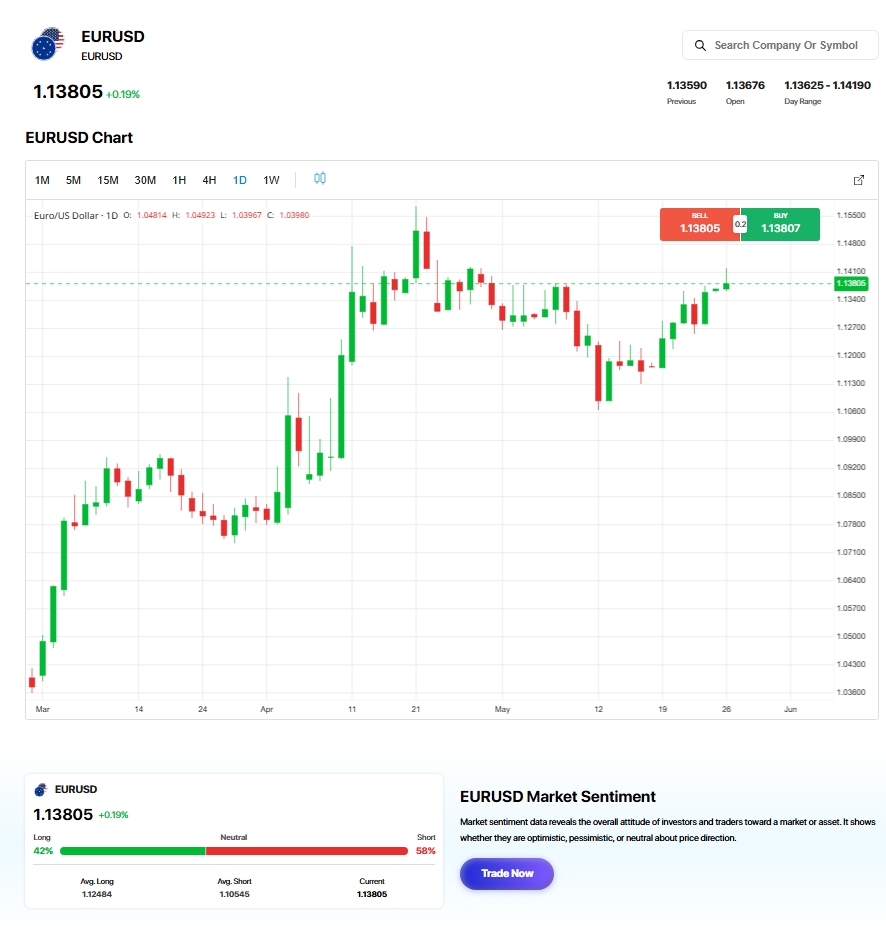
At its core, the EUR/USD currency pair represents the exchange rate between the Euro (EUR), the official currency of the Eurozone, and the United States Dollar (USD), the world’s primary reserve currency. When you trade EUR/USD, you are essentially speculating on whether the Euro will strengthen or weaken against the US Dollar.
- If you believe the Euro will rise in value relative to the Dollar, you would “buy” EUR/USD (go long).
- If you anticipate the Euro will fall in value relative to the Dollar, you would “sell” EUR/USD (go short).
The price quoted for EUR/USD, for example, $1.1250, means that one Euro is worth 1.1250 US Dollars. Its movements are a direct reflection of the perceived economic health and monetary policies of the Eurozone versus the United States.
Why is EUR/USD the Forex Market’s Leading Star?
The EUR/USD pair isn’t just popular; it dominates, accounting for a staggering 22.7% of global Forex turnover in April 2022. But why this immense popularity? Several factors contribute:
- Unmatched Liquidity: Being the most traded pair means high liquidity. This translates to tighter spreads (the difference between buying and selling price), lower transaction costs, and the ability to enter and exit trades easily, even with large volumes.
- Abundant Information: Due to its significance, there’s a wealth of news, analysis, and data available for EUR/USD. This accessibility helps traders make informed decisions.
- Predictability (Relatively Speaking): While no market is entirely predictable, EUR/USD often responds to macroeconomic indicators and central bank policies in a relatively understandable way, making it a favorite for both technical and fundamental analysts.
- Availability: Virtually every Forex broker offers EUR/USD, making it accessible to traders worldwide.
- Beginner-Friendly: Its characteristics, particularly the lower volatility compared to some exotic pairs or commodities like XAU/USD (Gold), make it a common starting point for novice traders. Younger traders (aged 18-34) often gravitate towards it due to its liquidity and somewhat predictable drivers.
What Orchestrates the EUR/USD Symphony? Key Influencing Factors
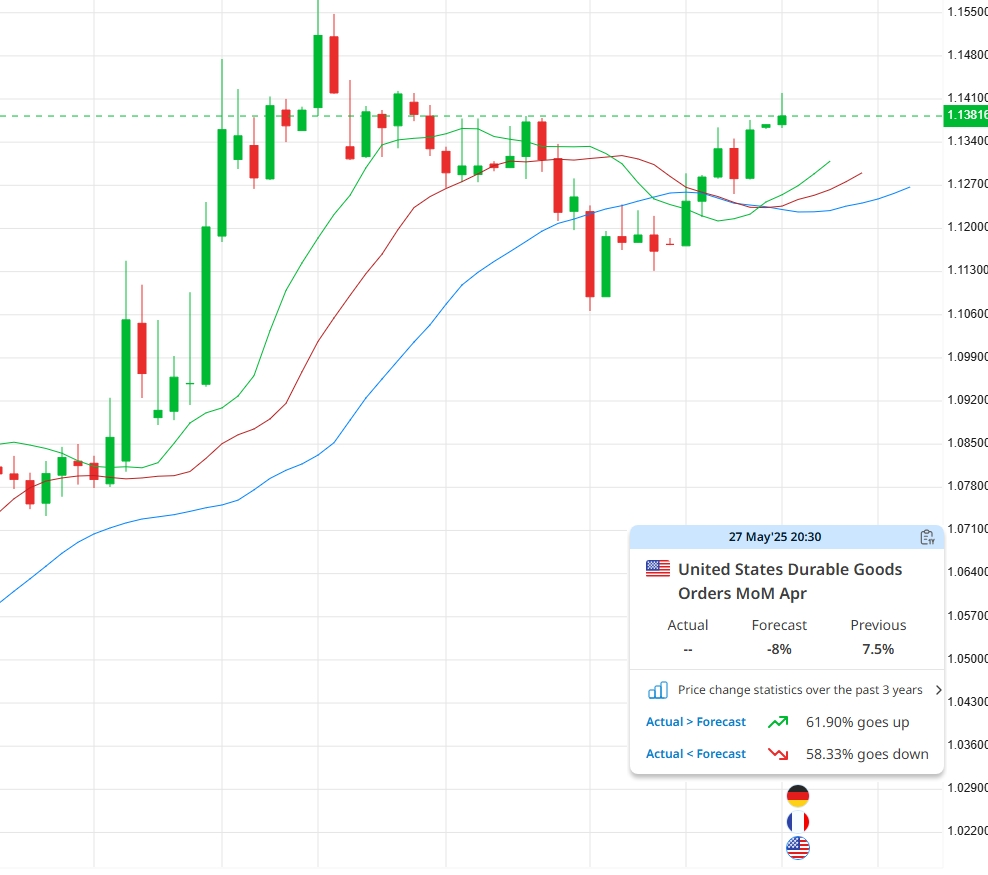
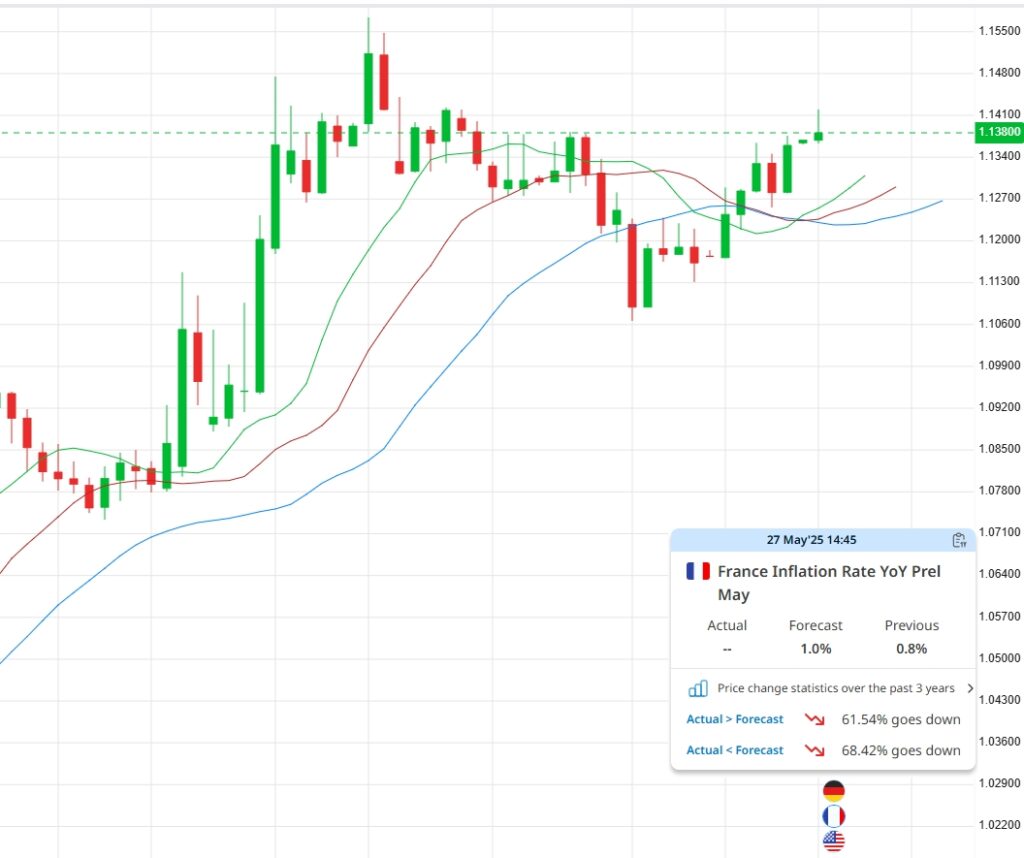
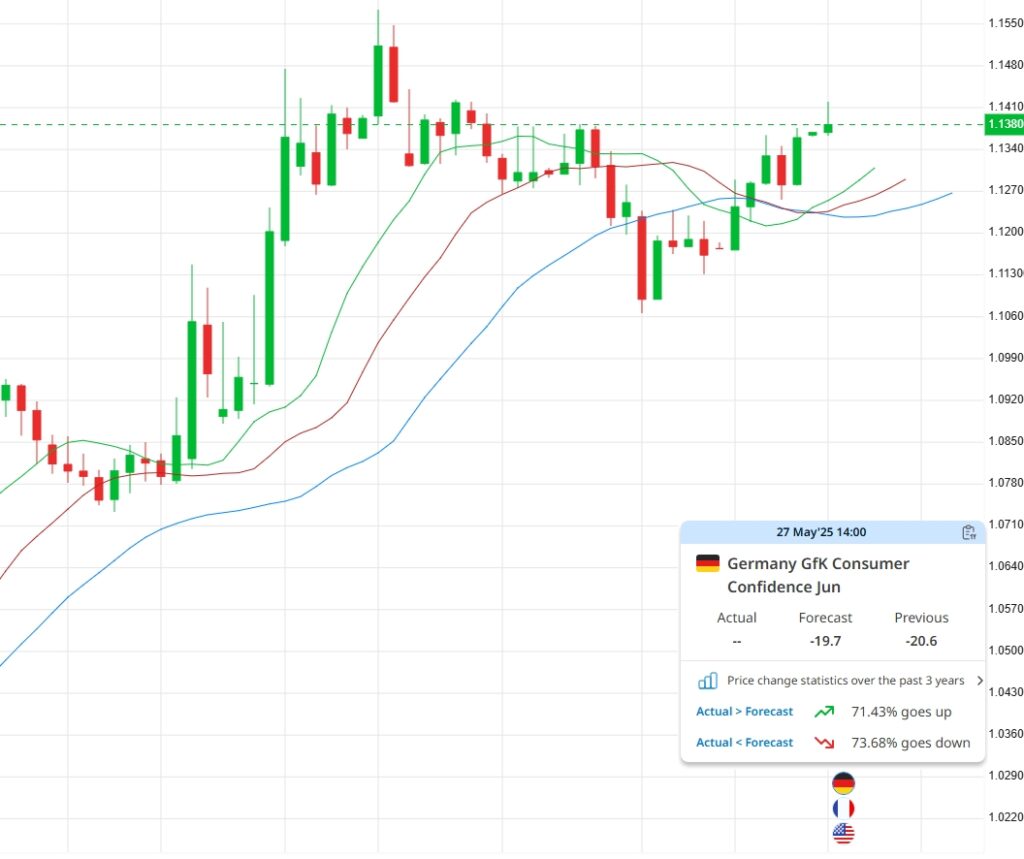
The EUR/USD exchange rate is a sensitive barometer, reacting to a multitude of economic and geopolitical currents. Understanding these drivers is crucial for any aspiring trader.
- Central Bank Monetary Policies: This is arguably the most significant driver.
- Interest Rate Differentials: Decisions by the European Central Bank (ECB) and the U.S. Federal Reserve (Fed) on interest rates are paramount. Higher interest rates (or the expectation of hikes) in one region relative to the other tend to attract foreign capital, strengthening that region’s currency. For instance, softer-than-expected US inflation data in April 2025 cooled rate hike expectations, providing tailwinds for the euro.
- Quantitative Easing (QE): QE programs, like the ECB’s in 2015, can weaken a currency by increasing its supply.
- Interest Rate Differentials: Decisions by the European Central Bank (ECB) and the U.S. Federal Reserve (Fed) on interest rates are paramount. Higher interest rates (or the expectation of hikes) in one region relative to the other tend to attract foreign capital, strengthening that region’s currency. For instance, softer-than-expected US inflation data in April 2025 cooled rate hike expectations, providing tailwinds for the euro.
- Economic Indicators:
- GDP Growth Rates: Stronger GDP growth in the Eurozone relative to the U.S. can boost the EUR, and vice-versa.
- Inflation Rates (CPI): High inflation can prompt central banks to raise rates, affecting currency values. Softer US CPI data, for example, has been noted to influence EUR/USD.
- Employment Data: Figures like unemployment rates in both economic blocs are closely watched.
- Retail Sales, Manufacturing PMI, Consumer Confidence: These provide insights into the respective economies’ health.
- GDP Growth Rates: Stronger GDP growth in the Eurozone relative to the U.S. can boost the EUR, and vice-versa.
- Geopolitical Events & Political Stability:
- Major political events, elections, or instability in either the Eurozone or the U.S. can cause significant volatility.
- Trade tensions, such as the U.S.-China tariff reduction agreement, can bolster the euro by stabilizing global trade and weakening the dollar. Fears of a transatlantic trade war, conversely, can pressure the euro.
- Major political events, elections, or instability in either the Eurozone or the U.S. can cause significant volatility.
- Market Sentiment and Risk Appetite:
- In times of global uncertainty, the USD often acts as a “safe haven,” strengthening against other currencies, including the EUR. However, the de-dollarization trend and central bank FX reserve diversification can also bolster the euro’s appeal.
- In times of global uncertainty, the USD often acts as a “safe haven,” strengthening against other currencies, including the EUR. However, the de-dollarization trend and central bank FX reserve diversification can also bolster the euro’s appeal.
- Capital Flows: Investment flows between the two regions can impact the exchange rate. Increased investment into the Eurozone can strengthen the EUR.
These factors underscore the sensitivity of the EUR/USD pair to both domestic and international economic conditions.
Popular EUR/USD Trading Strategies

Trading EUR/USD effectively requires a strategy. While no single strategy guarantees success, several popular approaches are employed:
- Trend Following: This involves identifying the prevailing direction of the market (uptrend or downtrend) and placing trades in that same direction. Tools like moving averages are commonly used.
- Range Trading: When EUR/USD is trading between identifiable support and resistance levels without a clear long-term trend, traders might buy at support and sell at resistance. Bollinger Bands can help identify these conditions.
- Breakout Trading: This strategy involves entering a trade when the price breaks out of a defined range (either above resistance or below support), anticipating that the momentum will continue.
- News Trading: Traders attempt to profit from the volatility that occurs around major economic news releases (e.g., NFP, interest rate decisions, CPI). This requires quick thinking and robust risk management.
- Carry Trade: This involves profiting from the interest rate differential between the two currencies. If the Eurozone has higher interest rates than the U.S., holding a long EUR/USD position could earn you the interest difference (though this is less common in recent low-interest environments for EUR).
- Scalping: This ultra-short-term strategy involves making numerous small trades throughout the day to capture tiny price movements (a few pips). It demands high focus and is often facilitated by automated systems.
- Fundamental Analysis: This involves a deep dive into the economic factors mentioned above to determine the intrinsic value of the currencies and predict future movements.
- Technical Analysis: This focuses on chart patterns, indicators (like RSI, MACD, Fibonacci retracements), and historical price data to forecast future price action.
Many successful traders use a hybrid approach, combining fundamental analysis to understand the broader market context and technical analysis for precise entry and exit points. Monitoring macroeconomic announcements is key for EUR/USD success.
Why is EUR/USD the Go-To for Many Traders, Especially Beginners?
We’ve touched on some reasons, but let’s consolidate why EUR/USD is often the first port of call:
- High Liquidity & Tight Spreads: Reduces costs and makes execution smoother.
- Accessibility of Information: News and analysis are abundant.
- Relatively Lower Volatility (vs. exotics/commodities): More forgiving for beginners learning risk management. The average annual return from 2015-2025 was approximately 0.74%.
- Predictable Drivers: Responds well to key economic data from the Eurozone and US.
- Educational Value: Its behavior provides a good learning ground for understanding broader Forex market dynamics.
- Platform Availability: Offered by all brokers, often with beginner-friendly platforms like MetaTrader 4 (MT4).
These characteristics make it a suitable environment for newcomers to learn pip movement, bid-ask spreads, and percentage changes without being overwhelmed by excessive market noise.
Why Copy Trade Top EUR/USD Traders?
Copy trading allows individuals to automatically replicate the trades of experienced and (hopefully) successful traders. The appeal for EUR/USD copy trading is strong, especially for:
- Beginners: It offers a way to participate in the market without needing deep analytical skills or extensive experience from day one.
- Time-Constrained Individuals: Those who lack the time to dedicate to active trading can still benefit from market movements.
- Learning Opportunity: By observing the strategies of copied traders, one can gain insights into decision-making processes.
- Diversification: Copying multiple traders with different styles could potentially diversify risk.
However, the “best EUR trader to copy trade” isn’t a universal title. It depends on your risk appetite, investment goals, and the trader’s verifiable track record.
Decoding a Top EUR/USD Trader: A Case Study for Copy Trading Consideration
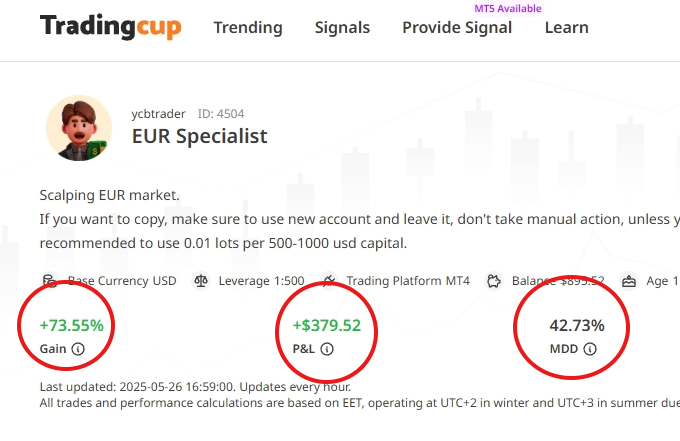
Let’s analyze a hypothetical but realistic profile of a EUR/USD trader often found on copy trading platforms to understand what to look for and what to be wary of.
Key Metrics & Analysis:
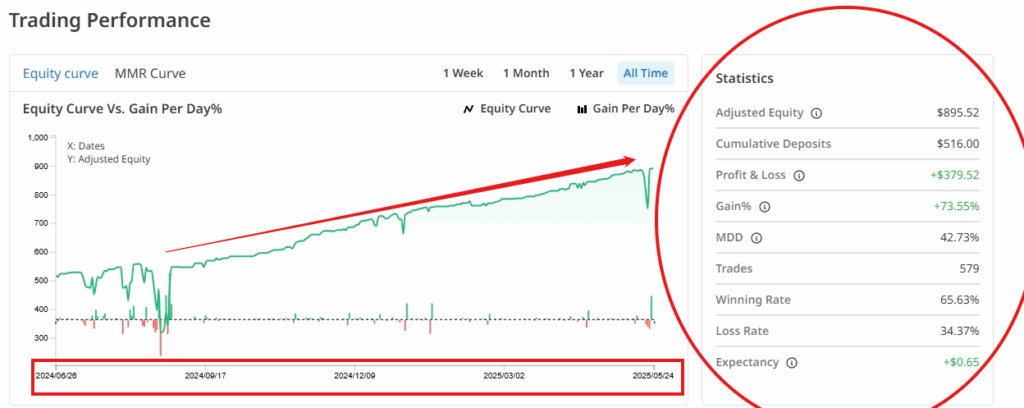
- Number of Trades/Day: The trader executed 579 trades over 11 months (June 2024–May 2025), averaging ~2–3 trades/day. Most trades are in EURUSD (97.58% of volume), indicating a narrow focus on a single pair.
- Our Take: A focused strategy can be good, but 97.58% in one pair is extreme concentration risk. If EUR/USD enters a phase unfavorable to their strategy, the impact could be severe.
- Our Take: A focused strategy can be good, but 97.58% in one pair is extreme concentration risk. If EUR/USD enters a phase unfavorable to their strategy, the impact could be severe.
- Profit Expectancy: +$0.65 average profit per trade (from statistics tab).
- Our Take: While positive, $0.65 per trade is a very slim margin. This necessitates high volume and/or very low trading costs to be meaningful. It also means a few larger losses can wipe out many small wins.
- Our Take: While positive, $0.65 per trade is a very slim margin. This necessitates high volume and/or very low trading costs to be meaningful. It also means a few larger losses can wipe out many small wins.
- Costs: 10% monthly performance fee on profits.
- Our Take: This is fairly standard. However, with a low profit expectancy, this fee will significantly eat into net returns. The trader needs to consistently outperform to make it worthwhile for the copier.
- Our Take: This is fairly standard. However, with a low profit expectancy, this fee will significantly eat into net returns. The trader needs to consistently outperform to make it worthwhile for the copier.
- Drawdown: 42.73% Maximum Drawdown (MDD).
- Our Take: This is a major red flag. A drawdown of over 40% is exceptionally high, especially for a scalping strategy that should theoretically cut losses quickly. This indicates periods of significant, potentially devastating, losses. Recovering from such a drawdown requires an almost 75% gain on the remaining capital.
- Our Take: This is a major red flag. A drawdown of over 40% is exceptionally high, especially for a scalping strategy that should theoretically cut losses quickly. This indicates periods of significant, potentially devastating, losses. Recovering from such a drawdown requires an almost 75% gain on the remaining capital.
- Strategy & Market Behavior: Scalping EURUSD: Short-term trades aiming for small gains. Trade history shows frequent entries/exits. Reactive trades clustered during volatile periods.
- Our Take: Scalping EUR/USD can be viable due to its liquidity. However, being purely reactive to volatility without a clear edge beyond that can be risky. What happens in calmer markets?
- Our Take: Scalping EUR/USD can be viable due to its liquidity. However, being purely reactive to volatility without a clear edge beyond that can be risky. What happens in calmer markets?
- Risk Factors Highlighted:
- High MDD: Agreed.
- Single-Pair Dependency: Agreed.
- Performance Fee Impact: Agreed, especially with low per-trade profit.
- Volatility Sensitivity: Agreed.
- High MDD: Agreed.
Recommendations:
- Test with Virtual Funds: Absolutely essential. Do not risk real money initially.
- Diversify: Do not rely solely on this trader if you choose to proceed.
- Monitor Fees Vigilantly: Calculate the net return after fees.
- Scrutinize the Drawdown: Understand when and why that 42.73% MDD occurred. Was it a single event, or a prolonged period of losses?
- Seek Missing Information: If possible, find data on Sharpe Ratio, average trade duration, and typical stop-loss levels.
Conclusion on “EUR Specialist“:
This trader exhibits a high-frequency, low-margin scalping strategy on EUR/USD. The positive expectancy is marginal, and the extremely high maximum drawdown (42.73%) raises serious concerns about risk management. The single-pair focus amplifies risk. This trader would likely be unsuitable for most investors, especially beginners, or those with a low-risk tolerance. The potential for significant capital erosion is high.
Why This Type of Profile Might Still Attract Beginners:
- High Trade Frequency: Can give the illusion of constant activity and quick profits.
- Focus on EUR/USD: A familiar pair for newcomers.
- Positive (albeit small) Profit Expectancy: Can be enticing if not critically analyzed against the risks.
This analysis underscores the need for deep due diligence before copying any trader. Don’t be swayed by high win rates alone; look at risk-adjusted returns and, crucially, the maximum drawdown.
The Soros Enigma: Would the Master Speculator Approve of Copy Trading?

George Soros, “The Man Who Broke the Bank of England,” is a legend for his audacious trades and profound understanding of market reflexivity. While Soros has never directly commented on modern retail copy trading platforms, we can infer his likely perspective based on his investment philosophy:
- Deep, Independent Analysis: Soros’s success was built on exhaustive proprietary research and forming his own hypotheses about market disequilibria. Copy trading, in its purest form, outsources this critical thinking. Soros would likely be skeptical of passively following another’s signals without a deep understanding of their rationale.
- Understanding Reflexivity: Soros believed that market participants’ biases can shape market realities. If a copied trader becomes very popular, the sheer volume of copy trades could, in some instances, influence short-term price action, potentially validating the trader’s initial moves (a reflexive loop) or setting up a crowded trade vulnerable to reversal. Soros, always looking for an edge, might see this as a phenomenon to exploit rather than participate in passively.
- Risk Management & Conviction: Soros was known for making large, concentrated bets when he had immense conviction. This conviction came from his own analysis. It’s hard to have genuine conviction when simply copying someone else, which can lead to panic-exiting during drawdowns.
- Adaptability: Soros constantly adapted his strategies. Many copy traders might stick to a rigid system. If the copied “master” fails to adapt to changing market conditions, the followers suffer.
Conclusion: It’s highly unlikely George Soros would be a passive copy trader. He might, however, be interested in analyzing the phenomenon of copy trading itself as a market sentiment indicator or a source of potential liquidity imbalances. He would advocate for traders to develop their own robust framework for understanding markets, a stark contrast to blindly following.
Beating the Forex Street: 10 Lessons from Peter Lynch for EUR/USD Traders

Peter Lynch, the legendary manager of the Fidelity Magellan Fund, penned “Beating the Street,” offering timeless wisdom primarily for stock investors. However, many of his principles can be adapted for Forex traders, especially those tackling EUR/USD:
- “Invest in What You Know”: For EUR/USD, this means deeply understanding the economies of the Eurozone and the U.S., their central banks, and the factors that drive the exchange rate. Don’t just trade the ticker; understand the story behind it.
- “Do Your Homework”: Lynch emphasized exhaustive research. Don’t rely on tips or follow the crowd blindly. Analyze charts, economic data, and central bank statements.
- “Avoid Long Shots”: While Lynch looked for “tenbaggers,” he did so with companies that had solid fundamentals. In Forex, this means avoiding strategies with extremely high risk for an unproven or marginal reward. That 42.73% drawdown trader? A long shot.
- “Know What You Own, and Know Why You Own It”: If you’re long EUR/USD, have clear fundamental or technical reasons. If those reasons change, re-evaluate your position.
- “There’s Always Something to Worry About”: Markets are inherently uncertain. Don’t let every news headline shake you out of a well-researched position, but equally, don’t ignore significant shifts. This is where robust risk management comes in.
- “Look for Companies (or in this case, Trades) That Can Be Understood”: EUR/USD, driven by major economic forces, is more understandable than some obscure exotic pair influenced by opaque factors.
- “Don’t Be Afraid to Miss Out on a ‘Hot’ Tip”: If everyone is piling into a EUR/USD trade based on hype, it might be too late or too crowded. Stick to your own analysis.
- “Flexibility is Key”: Market conditions change. A strategy that worked last year might not work this year. Be prepared to adapt your approach to EUR/USD.
- “Don’t Overestimate the Skill and Wisdom of Experts”: Even the best analysts get it wrong. Develop your own judgment. This is particularly relevant when selecting a trader to copy.
- “Invest for the Long Run (If Applicable)”: While many Forex traders are short-term, if your analysis suggests a long-term fundamental shift in EUR/USD, having the patience to hold can be rewarding. For short-term traders, this translates to sticking to a proven strategy over a significant number of trades.
Navigating EUR/USD with Prudence

Trading EUR/USD, whether directly or via copy trading, is not a get-rich-quick scheme. The path to sustainable success is paved with prudent risk management and a commitment to continuous learning.
- Position Sizing: Never risk more than a small percentage (e.g., 1-2%) of your trading capital on a single trade. This is paramount.
- Stop-Loss Orders: Always use stop-loss orders to define your maximum acceptable loss on a trade. This helps protect against significant adverse movements.
- Understand Leverage: Leverage magnifies both profits and losses. Use it judiciously, especially as a beginner.
- Realistic Expectations: Don’t expect to double your account overnight. Forex trading is about consistent, disciplined execution over time.
- Trading Journal: Keep a detailed record of your trades, including your rationale, entry/exit points, and the outcome. This is invaluable for identifying patterns in your trading and areas for improvement.
- Continuous Education: The Forex market is dynamic. Stay updated on economic events, trading strategies, and risk management techniques.
For EUR/USD, this means staying attuned to ECB and Fed communications, major economic data releases from both blocs, and overarching geopolitical developments.
The Future is Intelligent: Will AI Transform Your EUR/USD Trading?
Artificial Intelligence (AI) is increasingly making its mark on Forex trading, and EUR/USD is no exception.
- Enhanced Predictive Analytics: AI algorithms can process vast amounts of historical data, news sentiment, and technical indicators to identify potential trading opportunities with a speed and complexity that humans cannot match. Some AI models have shown success in predicting short-term EUR/USD increases by analyzing inflation, GDP, and ECB policies.
- Automated Trading Systems (Bots/EAs): AI-powered bots can execute trades based on pre-programmed strategies or machine learning insights, operating 24/7. Platforms like QuantConnect facilitate the development and backtesting of such AI strategies.
- Sentiment Analysis: AI tools can gauge market sentiment by analyzing news articles, social media, and other textual data, offering insights into crowd psychology.
- Risk Management: AI can help in developing more sophisticated risk management models.
Challenges:
- Overfitting: AI models might perform well on historical data but fail in live markets if over-optimized for past conditions.
- Data Quality: AI is only as good as the data it’s fed. Inaccurate or incomplete data can lead to flawed predictions.
- Lack of Human Intuition: AI may struggle with unprecedented “black swan” events or nuanced geopolitical contexts that require human judgment.
The ideal approach often involves a synergy between AI’s analytical power and human oversight/expertise. AI can handle the heavy lifting of data analysis and execution, while human traders can provide strategic direction and interpret complex, non-quantifiable factors. For beginners, some AI tools integrated into platforms like MetaTrader can help automate technical analysis or backtest strategies.
Conclusion: Your EUR/USD Journey – Trade Smart, Copy Wisely
EUR/USD remains a cornerstone of the Forex market, offering ample opportunities for informed traders. Its liquidity, relative predictability, and wealth of available information make it an attractive pair, especially for those starting their trading journey.
Successfully trading EUR/USD hinges on a blend of robust analysis (both fundamental and technical ), disciplined risk management, and continuous learning. Whether you choose to trade it directly or explore copy trading, due diligence is non-negotiable.
When considering copy trading a EUR/USD “expert,” look beyond advertised win rates. Scrutinize their maximum drawdown, risk management practices, consistency over time, and the alignment of their strategy with your own risk tolerance. The “best” trader to copy is one whose approach is transparent, whose risks are understood and acceptable to you, and whose performance is verifiable.
Ultimately, whether navigating the EUR/USD currents yourself or following another’s lead, the goal is not just profit, but the intelligent protection and growth of your capital. Embrace the learning process, respect the market, and trade responsibly.
Frequently Asked Questions (FAQs) about EUR/USD Trading:
Q1: What is EUR/USD in Forex?
EUR/USD is the currency pair that represents the exchange rate between the Euro and the US Dollar. It shows how many US Dollars are needed to buy one Euro. It’s the most traded currency pair in the Forex market.
Q2: Why is EUR/USD so popular for trading?
EUR/USD is popular due to its high liquidity (meaning lots of buyers and sellers), tight spreads (low transaction costs), abundant available information, and relatively predictable responses to major economic news from the Eurozone and the USA. This makes it a common choice for both beginners and experienced traders.
Q3: What are the best hours to trade EUR/USD?
The best hours often coincide with the overlap of the London and New York trading sessions, typically between 13:00 and 16:00 GMT. This period usually sees higher trading volume and volatility, offering more opportunities.
Q4: What main factors affect the EUR/USD price?
Key factors include:
- Monetary policies of the European Central Bank (ECB) and the US Federal Reserve (Fed), especially interest rate decisions.
- Economic indicators like GDP growth, inflation (CPI), and employment figures from both the Eurozone and the US.
- Geopolitical events and political stability in either region.
- Overall market sentiment and risk appetite.
Q5: Can beginners trade EUR/USD?
Yes, EUR/USD is often recommended for beginners. Its high liquidity, lower relative volatility compared to some other pairs, and extensive educational resources make it a good starting point to learn Forex trading principles.
Q6: Is copy trading EUR/USD a good idea?
Copy trading EUR/USD can be an option, especially for beginners or those with limited time. However, it requires careful selection of the trader to copy. You must analyze their full track record, risk management (especially maximum drawdown), strategy, and fees. Don’t rely solely on advertised profits.
Q7: How much money do I need to start trading EUR/USD?
The amount varies by broker, with some offering accounts starting with $100 or less. However, to manage risk effectively (e.g., risking only 1-2% per trade), a larger starting capital might be more practical. Focus on understanding the market before committing significant funds.
Q8: What are common strategies for trading EUR/USD?
Common strategies include trend following, range trading, breakout trading, news trading, and scalping. Many traders also combine fundamental analysis (economic factors) with technical analysis (chart patterns and indicators).
Q9: What are the risks of trading EUR/USD?
Like all Forex trading, EUR/USD carries risks, including:
- Market volatility leading to losses.
- Leverage amplifying both gains and losses.
- Sudden price movements due to unexpected economic news or geopolitical events.
- If copy trading, the risk of the copied trader performing poorly.
Q10: How can I protect my money when trading EUR/USD?
Protect your capital by:
- Using stop-loss orders on every trade.
- Practicing proper position sizing (risking only a small percentage of your capital per trade).
- Not over-leveraging your account.
- Continuously educating yourself and having realistic expectations.
- If copy trading, thoroughly vetting the trader you intend to copy.
(Disclaimer: This article is for informational and educational purposes only. It should not be considered financial advice. Always conduct your own research and consult with a qualified financial advisor before making any investment decisions.)
For more detailed insights on developing daily trading routines, risk management, and effective position sizing strategies, explore additional articles on Trading Cup. Our trading experts at ACY and FinLogix are also great resources to guide your journey towards trading excellence.

Discover Our Best Trading Signals
At Tradingcup, you can browse through a selection of signals and review past performance before you decide to copy.
Become A Signal Provider
Share your expertise and become a signal provider so other traders can copy your trades.
Stay tuned to our blog for more trader spotlights and leaderboard updates.
Trading involves risks.
Visit the Tradingcup blog through the link below for more updates: https://www.tradingcup.com/learn
Related Copy Trading blogs:
- Understanding Market Liquidations: Liquidity Sweeps and Runs Explained
- 7 Essential Daily Habits of Successful Traders to Outperform Their Peers
- 10 Strategies You Can Copy off Our Best Copy Traders
- 5 Strategies Every Trader Can Master To Trade Better In A Trading Contest
- 2025 Copy Trading Scams Exposed: How to Spot Fraud
- A Swing Trading Strategy with an 83 Percent Win Rate and Low Drawdowns
- Forex Martingale Strategies Explained, The Good, The Bad and The Ugly
- Pyramiding Trading Tutorial – Pros & Cons & How to Use It