Last Updated: February 25, 2026
This article is reviewed annually to reflect the latest market regulations and trends.
TL; DR
- Prop Firms: High Stakes, High Scrutiny: Proprietary trading firms offer large capital access but often come with aggressive marketing, psychological manipulation, stringent rules, and low success rates for novice traders. Due diligence is paramount.
- Copy Trading: Simpler Start, Skill Cap? Copy trading provides an easier entry by mirroring experienced traders, with lower initial costs. However, it may limit the development of independent trading skills and analytical abilities.
- Psychological Warfare in Trading: Both avenues require immense emotional discipline. Prop firms, in particular, may employ tactics exploiting FOMO, greed, and overconfidence. Understanding your own mental game is crucial.
- Red Flags & Critical Thinking are Your Shield: Unclear terms, especially regarding demo vs. live accounts, sudden rule changes post-signup, and high-pressure sales tactics are major red flags. Developing critical thinking can help mitigate scams.
- Cost vs. Benefit – It’s Personal: The “better” option depends on your capital, risk tolerance, learning style, and long-term goals. A thorough cost-benefit analysis, considering fees, profit splits, and hidden costs, is essential.
Disclaimer: The information in this article is for educational purposes only and does not constitute financial, investment, or trading advice. Copy trading carries substantial risks, including the potential loss of your entire invested capital. Past performance of copied traders or strategies is not a reliable indicator of future results. You may be replicating high-risk trades, overleveraged positions, or strategies incompatible with your financial goals. Always conduct independent research into a trader’s historical performance, risk metrics, and strategy before copying them. Never invest funds you cannot afford to lose. Consult a licensed financial advisor to ensure copy trading aligns with your risk tolerance, financial objectives, and regulatory requirements in your jurisdiction. This article does not endorse specific traders, platforms, or strategies, and all trading decisions remain your sole responsibility.

“The investor’s chief problem, and even his worst enemy, is likely to be himself.” – Benjamin Graham
Trading Prop Firms vs. Copy Trading: Which Path Leads to Smarter Investing in 2026?
Two paths often emerge for aspiring traders, especially those with limited capital: joining a proprietary trading firm (prop firm) or engaging in copy trading. But which route is genuinely better for your financial well-being and long-term success? Is the dream of trading a six-figure account with a prop firm truly more advantageous than the seemingly simpler path of copy trading?
This comprehensive analysis will dissect both options, drawing on extensive research, market sentiment, and the psychological factors at play. Our goal? To equip you with the knowledge for smarter protection of your money in the often-turbulent waters of trading.
Research Collation Summary:
- Prop Firms: Online forums like Reddit (e.g., r/Forex, r/Daytrading) and trading communities reveal a mixed sentiment. While success stories exist, a significant portion of discussions revolves around failed challenges, frustrations with strict rules (especially drawdown limits ), concerns about firms profiting from evaluation fees, and the psychological pressure involved. Many question the true “funded” nature, suspecting extended demo periods. Articles often highlight the aggressive marketing tactics.
- Copy Trading: Generally viewed more favorably by beginners for its ease of entry. Social media often showcases users sharing profits from copying successful traders. However, more experienced voices caution against blind copying, emphasizing the need to understand the copied trader’s strategy, risk management, and the platform’s fee structure. Concerns about past performance not guaranteeing future results and the potential for sudden strategy shifts by the master trader are also prevalent.
- Overall Market Sentiment: There’s a growing awareness and cautiousness, particularly towards prop firms. Regulatory scrutiny is welcomed by many. The emphasis is shifting towards transparency, education, and realistic expectations. Traders are increasingly looking for genuine partnerships rather than transactional relationships where the odds feel stacked against them.
What Exactly is a Proprietary Trading Firm (Prop Firm)?
Imagine a company that provides you, the trader, with its own capital to trade in the financial markets. That, in essence, is a proprietary trading firm. Sounds like a dream, right? Especially for those who have the skills but lack the substantial personal investment needed to make significant returns.
How it typically works:
- Evaluation Phase: Aspiring traders usually pay a fee to undergo an evaluation or “challenge.” This involves trading on a demo account and meeting specific profit targets within a set timeframe, all while adhering to strict risk management rules (e.g., maximum daily loss, maximum total drawdown).
- Funded Account: If you pass the evaluation, the firm grants you access to a “funded” account, where you trade with the firm’s capital.
- Profit Sharing: You keep a percentage of the profits you generate, typically ranging from 50% to 90%, with the firm taking the rest.
The appeal is undeniable: the chance to trade significant capital without risking your own (beyond the evaluation fee). However, as we’ll explore, this model is not without its pitfalls.
And What is Copy Trading? Is It Just Following the Leader?
Copy trading, on the other hand, is a portfolio management strategy where you automatically copy the trades of another trader, often referred to as a “master” or “signal provider,” on a trading platform. When they make a trade, your account makes the same trade proportionally.
Key characteristics:
- Accessibility: It’s generally easier to start, often requiring just a brokerage account with a platform that supports copy trading.
- Leveraging Expertise: Beginners can potentially benefit from the knowledge and experience of seasoned traders without needing deep market understanding themselves.
- Passive Involvement: While you choose who to copy, the actual trading decisions are executed automatically, making it a more passive approach.
Think of it as having a seasoned navigator for your trading journey, but remember, even the best navigators can encounter unexpected storms.
The Learning Curve and Tools You’ll Need: A Tale of Two Paths?
Prop Firms:
- Steep Learning Curve: Successfully navigating prop firm challenges requires a solid understanding of trading strategies, technical analysis, risk management, and market psychology. You’re not just trading; you’re performing under pressure to meet specific targets and rules.
- Essential Tools:
- Advanced charting software (e.g., TradingView, MetaTrader 4/5).
- A robust trading plan.
- A trading journal for performance analysis.
- Potentially, news feeds and economic calendars.
- Deep understanding of the firm’s specific trading platform and rules.
- Advanced charting software (e.g., TradingView, MetaTrader 4/5).
Copy Trading:
- Gentler Initial Curve: The initial learning curve is less about executing trades and more about selecting the right traders to copy. This involves researching their history, risk profile, and consistency.
- Essential Tools:
- A reliable copy trading platform.
- Tools for analyzing potential master traders (performance metrics, risk scores, follower reviews).
- Basic understanding of risk management (e.g., how much capital to allocate per trader).
- A reliable copy trading platform.
While copy trading might seem like a shortcut, developing the skill to select and manage copied traders effectively still requires learning and diligence.
Counting the Cost: Prop Firms vs. Copy Trading Fees – What’s Hitting Your Wallet?
Prop Firms:
- Evaluation Fees: This is the upfront cost, ranging from a few hundred to several thousand dollars depending on the account size you’re aiming for. Some firms offer discounts, but these can be marketing tactics.
- Reset Fees: If you breach a rule during the evaluation, some firms offer a chance to reset your challenge for an additional fee.
- Profit Splits: While not a direct upfront cost, the firm takes a significant portion of your profits (e.g., 10%-50%).
- Hidden Costs/Conditions: These can include inactivity fees, platform fees, or restrictive rules that make it difficult to pass or maintain a funded account, effectively making the evaluation fee a recurring expense for many. The low payout rates (less than 1% of funded traders in some cases) suggest a model where fee generation might be a primary revenue source for some firms.
Copy Trading Costs:
- Platform Fees/Subscription Fees: Some platforms charge a monthly fee for access to their copy trading services.
- Performance-Based Commissions: You might pay a percentage of your profits to the master trader you’re copying.
- Spreads and Slippage: These are indirect costs. Spreads are the difference between the buy and sell price, and slippage occurs when your trade executes at a different price than expected. These can eat into profits, especially if the copied trader trades frequently or during volatile times.
- Withdrawal Fees: Standard brokerage withdrawal fees may apply.
Cost-Benefit Analysis Snapshot: Copy trading generally has lower and more transparent upfront costs. Prop firms have a higher initial outlay (evaluation fee) with the potential for higher returns if successful, but also a higher risk of losing that fee if the challenging rules aren’t met.
Marketing Strategies: How Do Prop Firms Reel You In?

Proprietary trading firms often employ sophisticated and aggressive marketing tactics designed to attract novice traders. These strategies create an illusion of high earning potential while sometimes masking the underlying risks and low success rates.
- Promises of Big Payouts & High Allocations: Firms advertise impressive maximum allocation amounts, sometimes exceeding $1 million, and highlight substantial profit splits. This taps into the desire for significant financial gain.
- Discount Promotions & Urgency: Limited-time discounts on evaluation fees (e.g., 4% to 50% off) create a sense of “perceived value” and urgency (FOMO). Countdown timers and “exclusive slot” offers are common.
- User Ratings & Social Proof: Prominently displaying high Trustpilot scores (e.g., 4.3/5 or 4.8/5) and positive testimonials builds credibility and encourages quick decisions.
- Influencer Endorsements: Micro-influencers, in particular, are used to resonate authentically with niche audiences, sharing success stories and highlighting high earning potential.
- Loyalty Programs & Bonuses: Offers like free accounts upon first payout (exploiting the endowment effect) or multi-phase evaluations with increasing profit splits (e.g., Trade2Earn programs) aim to retain traders and encourage consistent activity.
These tactics are often effective because they leverage psychological triggers, making the offer seem too good to pass up, even if the terms are not fully understood.
The Darker Side: How Might Prop Firms Trick Unsuspecting Traders?
While many prop firms operate legitimately, the industry has areas where unethical practices can thrive, often due to regulatory gaps.
- Misleading Advertising: Overstating success rates or the ease of obtaining funding. The “funded account” might still be a demo account, or subject to conditions not clearly disclosed upfront.
- Aggressive Marketing & Psychological Manipulation: Creating undue pressure to sign up quickly through limited-time offers or exaggerated claims of potential earnings.
- Unclear or Changing Rules: Terms and conditions buried in fine print, or, more concerningly, rules being altered after a trader has signed up and paid the fee.
- Stringent and Complex Rules Designed for Failure: Some firms may have such tight drawdown limits (e.g., a 4% trailing drawdown on a $50,000 account ) or obscure rules about news trading or holding positions over the weekend that make it extremely difficult for even skilled traders to pass or maintain an account. This leads to traders failing challenges and potentially paying for resets, generating revenue for the firm.
- Delayed or Denied Payouts: While less common with reputable firms, some entities may create obstacles or find tenuous reasons to deny payouts to successful traders.
- Exploiting Lack of Regulation: Some prop firms operate in jurisdictions with minimal oversight, allowing them more leeway to implement aggressive or opaque practices.
It’s crucial to remember that prop firms are businesses. While some genuinely seek profitable traders, others may have a business model that profits significantly from evaluation fees and resets.
Psychological Manipulation: Are Prop Firms Playing Mind Games?

Yes, the psychological aspect is a significant hurdle, and some prop firms leverage this. They tap into common cognitive biases and emotional triggers that affect all traders, but especially novices.
- Fear of Missing Out (FOMO): Time-sensitive offers, countdown timers, and “limited slots” create urgency, compelling traders to act hastily without full due diligence.
- Overconfidence: Initial successes in a demo environment (even during an evaluation) can breed overconfidence, leading to riskier trades. Marketing often highlights huge potential gains, fueling this bias.
- Greed: The promise of large payouts can trigger greed, causing traders to over-leverage or break their trading rules in pursuit of higher profits.
- Social Proof: Seeing testimonials (which may be curated) or influencer endorsements can create a false sense of security and encourage trust without thorough investigation.
- Loss Aversion & Sunk Cost Fallacy: After paying an evaluation fee, traders might feel compelled to “get their money’s worth,” leading them to take undue risks or pay for resets even when the odds are slim. The “endowment effect” with bonuses can also make traders reluctant to leave.
- Reciprocity: MATCH promotions or initial discounts can make traders feel obligated to the firm, potentially increasing their commitment or investment.
Understanding these tactics is the first step to defending against them.
The Shock of a Shifting Landscape: Rule Changes and Loss Maximization Post-Signup

One of the most alarming practices reported in the prop firm space is the alteration of trading rules after a trader has signed up and often paid their evaluation fee. This can feel like the goalposts being moved mid-game.
- Introducing New Restrictions: Firms might advertise “no daily drawdown limits” during signup, only to introduce them later. Restrictions on trading during news events, holding trades over weekends, or specific lot size limitations can suddenly appear.
- Altering Payout Terms: Payout frequencies or profit-sharing agreements might be modified retrospectively, diminishing a trader’s expected returns.
- Strict Enforcement of Obscure Rules: Vague rules can be interpreted and enforced stringently, leading to account closure. Some reports indicate a high percentage of funded traders losing accounts due to such enforcement, suggesting strategies aimed at minimizing payouts.
- Trailing Drawdowns: This is a particularly tricky one. A maximum trailing drawdown means your loss limit trails your highest achieved equity. A few losing trades after a winning streak can quickly lead to a rule violation, even if your overall account balance is still positive from the start.
These practices not only cause financial loss but also immense frustration and a sense of unfairness, highlighting the importance of reading every single word of the terms and conditions before committing.
Identifying Red Flags and Warning Signs in Proprietary Trading Firms

How can you spot a potentially problematic prop firm before you invest your time and money? Here are key red flags:
- Lack of Transparency (Demo vs. Live): Vague information about whether “funded” accounts are truly live market accounts or just another layer of simulation. If disclaimers state all activity remains simulated, be wary.
- Overly Aggressive Marketing & Unrealistic Promises: “Guaranteed profits,” “get rich quick” language, or promises of funding with minimal effort. If it sounds too good to be true, it usually is.
- Vague or Constantly Changing Rules: Difficulty finding clear, consistent rules for evaluations and funded accounts. Look for firms that are upfront about all conditions.
- Poor Customer Support: Unresponsive or unhelpful customer service before you’ve even signed up is a major warning.
- Negative Reviews & Community Feedback (Beyond Curated Testimonials): Search independent forums (Reddit, Trustpilot and filter for negative reviews, trading communities) for unbiased feedback. Pay attention to recurring complaints.
- Pressure to Sign Up Quickly: Excessive use of countdown timers or claims of “limited spots” without clear justification.
- Lack of Regulatory Information: While many prop firms aren’t regulated as brokers, reputable ones are often transparent about their business registration and operational base. Firms operating in regions known for lax oversight should be scrutinized more heavily.
- Unclear Payout Procedures & History: Difficulty finding information about how and when payouts are made, or reports of delayed/denied payouts.
- Focus on Education as a Revenue Stream: If beginner education programs seem more about upselling than genuine skill development, it could be a red flag.
Trust your gut. If something feels off, it’s better to walk away.
Sharpening Your Mind: Developing Critical Thinking to Mitigate Scams

In a field rife with enticing offers, critical thinking isn’t just a skill, it’s your primary defense mechanism.
- Question Everything: Don’t take promotional claims at face value. Ask “why?” and “how?”
- Seek Independent Verification: Don’t rely solely on information provided by the firm. Look for reviews, discussions, and data from neutral third-party sources like The Trusted Prop.
- Understand the Business Model: How does the firm really make money? Is it primarily from successful traders’ profit splits, or from evaluation fees and resets?
- Read the Fine Print: Yes, it’s tedious, but the terms and conditions are where the real details lie. Pay attention to drawdown rules, payout conditions, and any clauses allowing rule changes.
- Beware of Emotional Appeals: Marketing often targets greed, hope, or fear. Recognize when your emotions are being played and step back to assess rationally.
- Focus on Consistency, Not Quick Wins: Sustainable trading is a marathon, not a sprint. Be wary of strategies or firms promising rapid, oversized returns.
- Document Everything: Keep records of communications, agreements, and your trading performance.
- Continuous Learning: Stay informed about market practices, common scams, and regulatory changes.
Skepticism, when balanced with open-minded research, is a trader’s best friend.
A Day in the Life: Prop Firm Trader vs. Copy Trader – What’s the Reality?

A Day in the Life: Prop Firm Trader (Evaluation or Funded)
- Morning: Market analysis, news review, checking economic calendar. Pre-market routine to get in the zone. Double-checking prop firm rules (daily loss limit, max drawdown, etc.).
- Trading Session: Intense focus. Executing trades according to plan. Constantly monitoring risk parameters. Pressure to hit profit targets or avoid breaching rules. Every tick can feel magnified.
- Post-Session: Reviewing trades in a journal. Analyzing mistakes. Calculating progress towards targets or proximity to rule breaches. Planning for the next day. Emotional highs and lows are common. Sleep can be affected by stress or open positions (if allowed).
A Day in the Life: Copy Trader
- Morning (or periodic check-in): Review performance of copied traders. Check news that might impact their strategies (though direct action is limited).
- During the Day: Largely passive. May receive notifications of trades. Less screen time directly managing trades. Focus might be on other work or learning more about markets/trader selection.
- Evening/Periodic Review: Deeper dive into copied traders’ performance. Assess if they still align with personal risk tolerance. Consider reallocating capital or finding new traders to copy. Less minute-by-minute stress, more periodic strategic oversight.
The prop firm path often involves more active screen time, higher stress levels due to direct performance pressure, and a constant awareness of restrictive rules. Copy trading is generally more hands-off daily but requires diligent upfront research and ongoing monitoring of the chosen traders.
Why Some Even Use Tools Like a “Trade Copier” to Make Prop Firms Easier
Interestingly, a “trade copier” tool can bridge worlds. Some traders, particularly those managing multiple prop firm accounts or wanting to replicate their own successful strategy from a personal account to a prop firm evaluation account, use trade copiers.
How it works in this context:
- A trader makes a trade on a “master” account (e.g., their personal account or one prop firm account).
- The trade copier software automatically replicates that trade onto one or more “slave” accounts (e.g., other prop firm evaluation accounts).
Potential Benefits (and Caveats):
- Consistency: Ensures the same trades are taken across multiple accounts, adhering to a proven strategy.
- Efficiency: Saves time and reduces the chance of manual execution errors across accounts.
- Risk Management (if configured correctly): Can help apply consistent risk parameters.
- Caveat: It doesn’t bypass the prop firm’s rules. If the master strategy violates a rule (e.g., news trading, max lot size), all copied accounts will also violate it. The tool is only as good as the strategy and the user’s understanding of each prop firm’s unique constraints. It also adds another layer of technical complexity and cost.
Using a trade copier doesn’t make passing prop firm challenges easy; it’s a tool for execution efficiency, not a magic bullet.
How Might Jesse Livermore View Copy Trading and Prop Firms?
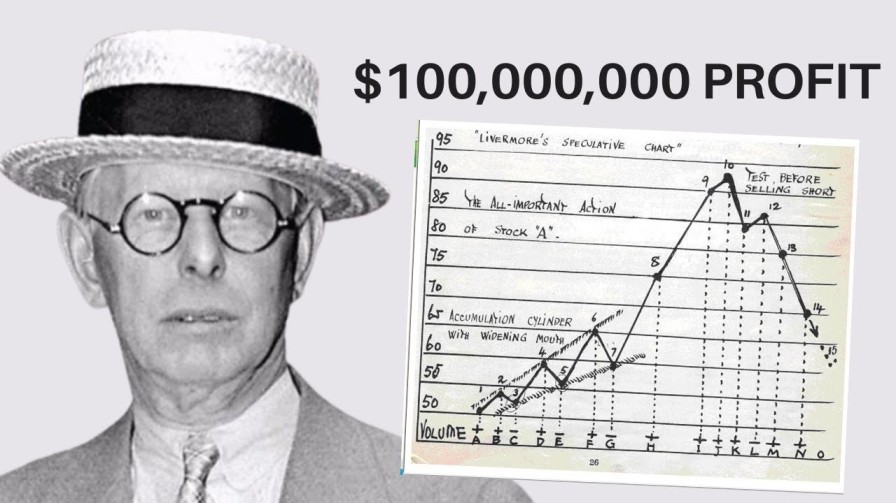
Jesse Livermore, the legendary speculator and author of “Reminiscences of a Stock Operator,” was a figure of intense self-reliance, deep market study, and strict emotional control (though he famously battled his own demons). How might he view these modern approaches?
- On Copy Trading: Livermore would likely be deeply skeptical. His entire philosophy was built on personal observation, understanding market behavior, and making his own decisions. He famously said, “The stock market is never obvious. It is designed to fool most of the people, most of the time.” Relying on another’s “fool-proof” system would likely go against his grain. He’d question:
- Does the copier truly understand why the master trader is making those trades?
- What happens when the master trader is wrong, or changes their system?
- Is the copier learning anything about the market itself? He might see it as an abdication of the intellectual work required to succeed.
- Does the copier truly understand why the master trader is making those trades?
- On Prop Firms: This is more nuanced.
- Access to Capital: The idea of trading larger capital without personal risk (beyond the fee) might have appealed to him, especially in his earlier, less capitalized days.
- Restrictive Rules: Livermore was known for his large, concentrated bets and often held positions through significant volatility. The tight drawdown limits and rules against holding during news or over weekends, common in many prop firms, would likely have frustrated him immensely. He played by his interpretation of the market’s rules, not an intermediary’s.
- Evaluation Process: He might have viewed the evaluation as a test, but he’d be wary if the rules seemed designed to make traders fail rather than identify genuine talent. He believed in paying for his “tuition” through market losses, not arbitrary fees if the game felt rigged.
- Profit Splits: He was driven by large wins. Sharing a significant percentage might have been acceptable if the capital provided was substantial enough, but only if he felt he had the freedom to trade his style effectively.
- Access to Capital: The idea of trading larger capital without personal risk (beyond the fee) might have appealed to him, especially in his earlier, less capitalized days.
Livermore would likely emphasize that no system or firm can replace independent thought, continuous market study, and rigorous self-assessment. He’d caution against seeking easy paths and stress the importance of understanding the “why” behind every market move and every trading decision.
The Mental Game: 10 Lessons from Jared Tendler for Prop Firm and Copy Traders
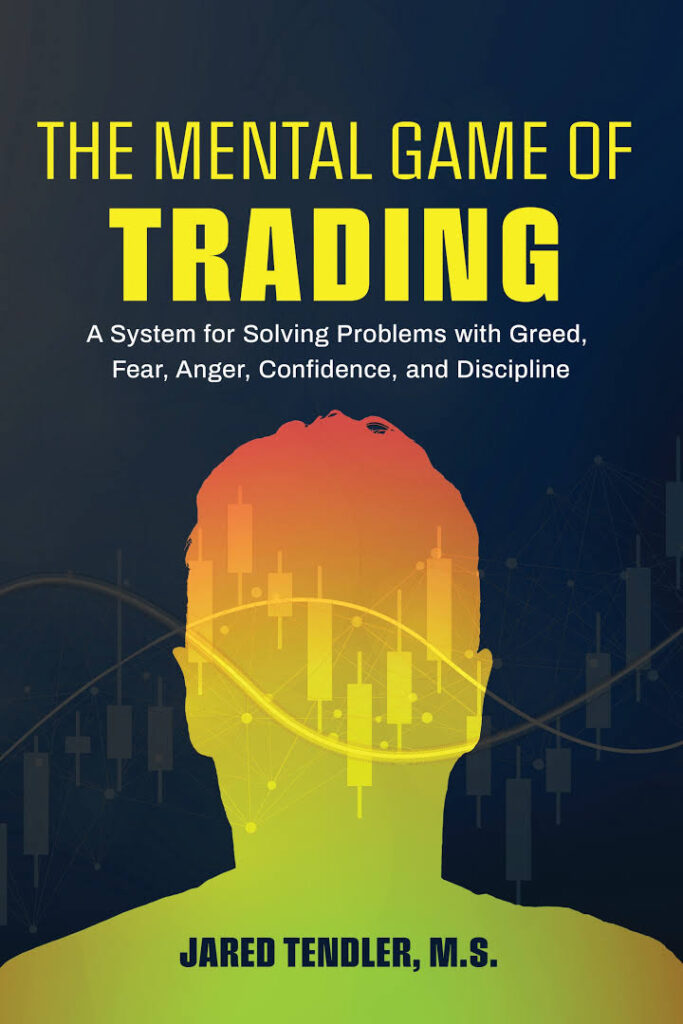
Jared Tendler’s “The Mental Game of Trading” offers invaluable insights into the psychological challenges traders face. Here are 10 lessons applicable to both prop firm and copy trading:
- Identify Your Emotional Patterns: Recognize your common triggers for fear, greed, anger, overconfidence, or FOMO. This is step one to managing them.
- Understand the Root Cause: Don’t just treat the symptom (e.g., revenge trading). Dig deeper to understand why you’re prone to that specific emotional leak.
- Develop a Strategy for Weaknesses: Once you know your patterns, create specific tactics to counter them (e.g., a checklist before entering a trade, taking a break after a loss).
- Build Mental Capital: Just like trading capital, your mental energy is finite. Protect it. Avoid burnout, especially in high-pressure prop firm environments.
- The “Inchworm” Concept (Continuous Small Improvements): Focus on making small, consistent improvements to your trading process and mental game rather than seeking massive breakthroughs.
- Distinguish Productive from Unproductive Tilt: Some anger/frustration can be a signal that something is wrong with your strategy or execution. Unproductive tilt is just emotional venting.
- Map Your Trading Process: Clearly define your strategy, risk management, and review process. This structure helps combat emotional decision-making.
- Recognize Incompetence (And Work On It): Be honest about what you don’t know or where your skills are lacking. This is crucial for selecting copy traders or developing strategies for prop firms.
- Correct Tactical Errors: Many “emotional” mistakes are actually flaws in your trading tactics or understanding. Refine your system.
- The A-Game, B-Game, C-Game Model: Know what your optimal performance (A-Game) looks like, and recognize when you’re slipping into less effective states (B or C-Game). Have plans to get back to your A-Game or stop trading if you’re in your C-Game.
For prop firm traders, these lessons are vital for navigating evaluations and managing funded accounts under pressure. For copy traders, they help in selecting master traders rationally, avoiding emotional decisions to switch traders frequently, and managing expectations.
So, Why Might You Choose Copy Trading Instead?
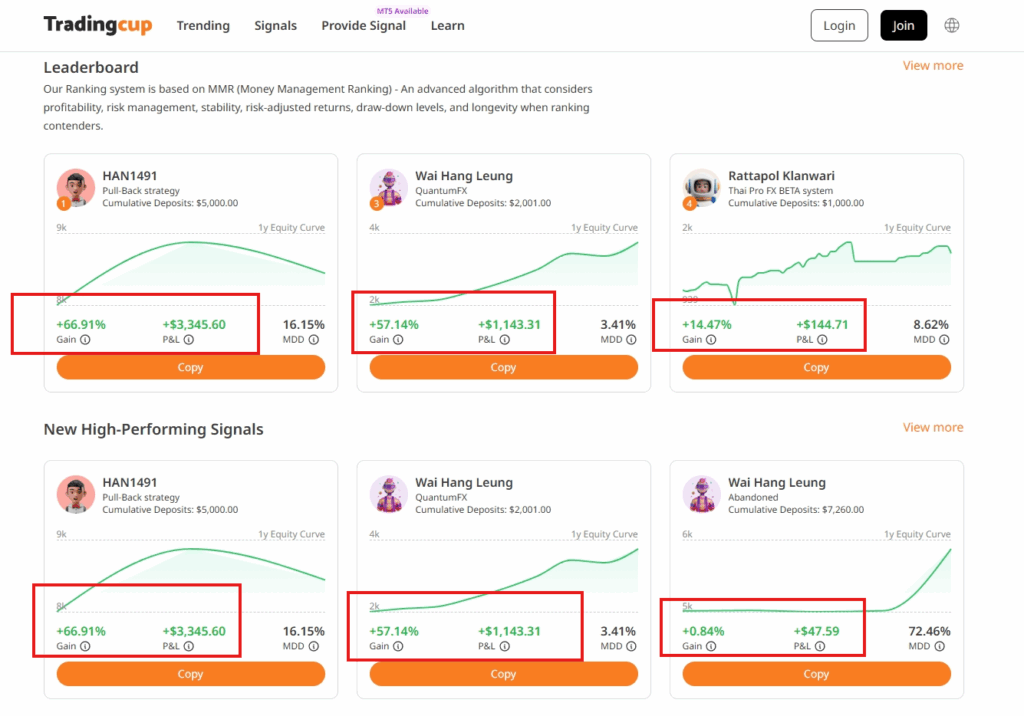
Given the complexities and potential pitfalls of prop firms, why might copy trading be a more appealing alternative, especially for beginners?
- Lower Barrier to Entry: Generally, less upfront capital is needed compared to prop firm evaluation fees. The learning curve to start is often gentler.
- Reduced Direct Trading Stress: You’re not making the second-by-second trading decisions, which can significantly reduce the psychological burden, especially if you’re new.
- Learning by Observation (Potentially): By following experienced traders, you can gain insights into their strategies and market approaches, provided you actively study their rationale (if available).
- Time Efficiency: It can be less time-consuming than actively trading yourself, making it suitable for those with other commitments.
- Diversification: Easily diversify across multiple master traders with different styles and market focuses.
- Transparency (Often): Reputable copy trading platforms usually provide clear performance metrics, risk scores, and fee structures for their signal providers.
However, copy trading is not a “set it and forget it” solution. It requires careful selection of traders, ongoing monitoring, and understanding that past performance isn’t a guarantee of future results. The risk of the chosen trader underperforming or making catastrophic errors is always present.
The Final Verdict: Prop Firms vs. Copy Trading – Protecting Your Capital
There’s no single “better” option; the optimal choice hinges on your individual circumstances, risk tolerance, learning style, and long-term financial goals.
- Choose Prop Firms if:
- You have a proven, profitable trading strategy.
- You can handle high-pressure evaluation conditions and complex rules.
- You’ve done extensive due diligence on the firm’s legitimacy and terms.
- You understand the low probability of success for many and are prepared for the financial risk of the evaluation fee.
- You seek the potential for high capital leverage and are willing to share profits.
- You have a proven, profitable trading strategy.
- Choose Copy Trading if:
- You’re a beginner looking for a simpler entry into the markets.
- You have limited time for active trading but want market exposure.
- You prefer a more hands-off approach initially.
- You are diligent in researching and selecting experienced traders to copy.
- You understand it’s a way to leverage others’ expertise but may not develop your own trading skills as rapidly.
- You’re a beginner looking for a simpler entry into the markets.
The ultimate goal is the smarter protection of your money. This means:
- Education First: Understand the risks and mechanics of any trading approach before committing capital.
- Start Small: Regardless of the path, don’t risk money you can’t afford to lose.
- Prioritize Reputable Platforms/Firms: Look for transparency, fair terms, and positive independent reviews.
- Master Your Psychology: Whether it’s the pressure of a prop firm challenge or the patience required for copy trading, your mental game is key.
The trading world offers immense opportunities, but it demands respect, diligence, and a commitment to continuous learning. Choose your path wisely.
Frequently Asked Questions (FAQs) – Prop Firms vs. Copy Trading
Q1: Is it easier to make money with prop firms or copy trading?
A: Neither is “easy money.” Prop firms offer the potential for higher returns due to larger capital but come with very strict rules and high failure rates for evaluations. Copy trading offers a simpler start by leveraging others’ expertise but your profits are dependent on their continued success and are subject to fees/commissions. Both require careful risk management and understanding.
Q2: What are the biggest risks with prop firms?
A: Key risks include losing your evaluation fee, facing unclear or suddenly changing rules that lead to failure, dealing with extremely tight drawdown limits designed to be hard to adhere to, and the psychological pressure of meeting targets under strict conditions. There’s also the risk of firms primarily profiting from fees rather than successful traders.
Q3: What are the biggest risks with copy trading?
A: The main risks include choosing an unprofitable or overly risky “master” trader, the master trader suddenly changing their strategy or blowing up their account, platform fees eroding profits, and the potential for slippage. Relying on others may also slow down your own trading skill development.
Q4: Can I use copy trading strategies to pass a prop firm challenge?
A: Technically, you could try to replicate trades from a master trader into your prop firm evaluation account. However, many prop firms have rules against using identical strategies as other traders or specific EAs/bots that might be used in some copy trading systems. Furthermore, the master trader’s strategy might not align with the prop firm’s specific rules (e.g., news trading restrictions, drawdown limits). It’s a risky approach that requires careful consideration of the prop firm’s terms.
Q5: Are prop firms regulated?
A: Most prop firms are not regulated in the same way as brokers. They often position themselves as service providers or educational companies offering evaluations. This lack of direct financial regulation means traders need to be extra diligent in researching a firm’s reputation and terms. However, regulatory bodies like the CFTC and FCA are increasing scrutiny on the industry.
Q6: How much capital do I need for copy trading vs. prop firm evaluation?
A: Copy trading can often be started with a few hundred dollars in a brokerage account, depending on the platform and the minimum investment per copied trader. Prop firm evaluation fees typically range from a few hundred to a couple of thousand dollars, depending on the target account size.
Q7: Which option is better for learning how to trade?
A: Actively trading, such as in a prop firm challenge (even if you fail), will likely force you to learn more about market mechanics, strategy development, and risk management directly. Copy trading can offer observational learning if you actively analyze the master trader’s decisions, but it can also lead to passive reliance, hindering independent skill development. For structured learning, consider dedicated educational resources alongside either path.
For more detailed insights on developing daily trading routines, risk management, and effective position sizing strategies, explore additional articles on Trading Cup. Our trading experts at ACY and FinLogix are also great resources to guide your journey towards trading excellence.

Discover Our Best Trading Signals
At Tradingcup, you can browse through a selection of signals and review past performance before you decide to copy.
Become A Signal Provider
Share your expertise and become a signal provider so other traders can copy your trades.
Stay tuned to our blog for more trader spotlights and leaderboard updates.
Trading involves risks.
Visit the Tradingcup blog through the link below for more updates: https://www.tradingcup.com/learn
Related Copy Trading blogs:
- Understanding Market Liquidations: Liquidity Sweeps and Runs Explained
- 7 Essential Daily Habits of Successful Traders to Outperform Their Peers
- 10 Strategies You Can Copy off Our Best Copy Traders
- 5 Strategies Every Trader Can Master To Trade Better In A Trading Contest
- 2025 Copy Trading Scams Exposed: How to Spot Fraud
- A Swing Trading Strategy with an 83 Percent Win Rate and Low Drawdowns
- Forex Martingale Strategies Explained, The Good, The Bad and The Ugly
- Pyramiding Trading Tutorial – Pros & Cons & How to Use It