
Last Updated: May 20, 2025
This article is reviewed annually to reflect the latest market regulations and trends.

TL;DR (Too Long; Didn’t Read)
- Transparency Builds Trust: Communicate your trade rationale, risks, and even your psychological state to foster unwavering follower loyalty and satisfaction.
- Platform-Specific Engagement is Key: Tailor your communication for email newsletters, live webinars, and social media (like Instagram Reels or LinkedIn) to maximize reach and retention.
- Psychology Matters: Share daily psychology updates to humanize yourself, build deeper connections, and help followers navigate the emotional rollercoaster of trading.
- Proactive Risk Disclosure is Non-Negotiable: Clearly articulate potential downsides, especially with volatile assets like cryptocurrencies or forex, to manage expectations and prevent disillusionment.
- Combat Scams with Clarity & Security: Implement clear guidelines, secure messaging, and educate followers on identifying and avoiding investment scams, referencing bodies like the CFTC and FTC for credibility.
Disclaimer: The information in this article is for educational purposes only and does not constitute financial, investment, or trading advice. Copy trading carries substantial risks, including the potential loss of your entire invested capital. Past performance of copied traders or strategies is not a reliable indicator of future results. You may be replicating high-risk trades, overleveraged positions, or strategies incompatible with your financial goals. Always conduct independent research into a trader’s historical performance, risk metrics, and strategy before copying them. Never invest funds you cannot afford to lose. Consult a licensed financial advisor to ensure copy trading aligns with your risk tolerance, financial objectives, and regulatory requirements in your jurisdiction. This article does not endorse specific traders, platforms, or strategies, and all trading decisions remain your sole responsibility.

“An investment in knowledge pays the best interest.” – Benjamin Franklin.
Forex Signals: The Definitive Guide to Communicating With Your Copy Trading Followers for Lasting Success and Smarter Investing

The world of Forex copy trading is buzzing. You’ve got the skills, the strategy, and perhaps a growing number of followers eager to mirror your trades. But what separates a fleetingly popular trader from a true leader who commands long-term loyalty and fosters a community of informed investors? The answer, unequivocally, is communication.
In an arena where financial trust is paramount, how you connect with your followers can make or break your reputation and their confidence. It’s not just about sending out Forex signals; it’s about building a transparent, engaging, and supportive environment. This guide will delve deep into the art and science of communicating with your copy trading followers, ensuring you not only retain them but also empower them to navigate the markets wisely. Think of it: isn’t the goal to create a win-win where your success amplifies theirs, and their trust fuels your growth?
Why Transparency in Forex Trade Rationale is Non-Negotiable
Imagine following a map where half the directions are missing. Frustrating, right? That’s what it feels like for followers when a lead trader doesn’t explain their moves. Transparency in your trade rationale is the bedrock of trust in copy trading.
- What is Transparent Trade Rationale? It’s the clear articulation of why you’re making specific trading decisions. This could involve insights into market trends, the influence of macroeconomic events (like an NFP report or an interest rate decision), or specific technical analysis indicators you’ve identified.
- Building Trust and Satisfaction: When followers understand your reasoning, their trust in your expertise deepens. This isn’t just a feeling; it translates into higher satisfaction, better retention, and a more successful trading network overall. Successful traders often use platforms like Twitter, Reddit, or LinkedIn to dissect their trade ideas, creating a stronger bond with their audience.
- Educating Your Audience: A lead trader who, for example, detailed shorting a cryptocurrency due to a sudden government regulatory announcement, not only justified their position but also educated followers on the link between such news and asset prices. This educational aspect empowers followers and reinforces your credibility.
- The Downside of Opacity: Conversely, a lack of clear communication breeds confusion, mistrust, and frustration. If a lead trader executes a high-risk options trade without outlining the potential dangers, unprepared followers could face significant losses, shattering trust and leading to their exit. This is especially critical in volatile markets like cryptocurrencies or forex.
Think about it: If you were entrusting your capital to someone else’s decisions, wouldn’t you demand clarity?
The Power of Daily Psychology Updates
Trading is as much a psychological game as it is an analytical one. Sharing your daily psychological state offers a profound way to connect with followers on a human level.
- Emotional Transparency: By discussing your mental state – stress, fatigue, confidence levels, or even how personal life factors might be influencing your trading perspective – you become more relatable and authentic. This aligns with self-disclosure theory, which suggests revealing personal information builds interpersonal trust.
- Humanizing the Trader: When traders like Mark Holstead openly discuss personal challenges such as hesitation or lack of confidence, they build stronger follower relationships. It shows vulnerability, which fosters empathy and strengthens the trader-follower bond.
- Avoiding Misinterpretation: If a trader is experiencing burnout but doesn’t disclose it, their potentially erratic trading might be misconstrued as poor judgment, eroding confidence. Openness can pre-empt such negative interpretations.
- Long-Term Loyalty: These insights into your decision-making process, colored by your psychological state, contribute significantly to long-term loyalty. Followers appreciate the honesty and feel more like partners in the trading journey.
Could sharing your own trading mindset not only build trust but also help your followers manage their own trading psychology more effectively?
What Your Followers Really Expect From You
Your followers aren’t just looking for signals; they’re looking for guidance, reassurance, and a sense of understanding. Based on insights from platforms like TradingCup and general market sentiment, here’s what your audience typically expects:
- Clear Trade Rationale: As discussed, they want to know the “why” behind your trades.
- Risk Management Transparency: How are you managing risk? What are the potential downsides? They need to know you’re protecting their capital as diligently as your own.
- Regular Updates: Consistent communication is vital, whether it’s daily market outlooks, pre-trade explanations, or post-trade analyses.
- Responsiveness: When they have questions or concerns, a timely and thoughtful response goes a long way.
- Educational Content: Many followers are eager to learn. Sharing insights about the market, your strategies, or even trading psychology can be invaluable.
- Honesty During Drawdowns: Losing streaks are inevitable. Followers expect honesty and a clear plan for navigating these periods, not radio silence or excuses.
- Professionalism: Maintain a professional demeanor in all communications.
- Realistic Expectations: Avoid hyping up potential profits. Instead, focus on sustainable, long-term growth and the inherent risks involved.
Meeting these expectations is crucial. Are you truly stepping into your followers’ shoes to understand their needs and anxieties?
The Jesse Livermore Angle: Communicating with Conviction (and Caution)

While Jesse Livermore, the legendary speculator, operated in a vastly different era without instant social media, we can extrapolate how he might have approached follower communication based on his known trading philosophies and actions:
- Conviction in Market Views: Livermore was known for his strong convictions when he took a position, based on his deep market analysis. He would likely communicate his broad market assessments and the fundamental reasons for his trades with authority, though perhaps not the minutiae of every entry and exit to a mass audience.
- Emphasis on Market Behavior: He famously said, “The market is never wrong; opinions often are.” His communication would likely focus on interpreting market signals and trends rather than personal hunches. He’d educate followers on reading the tape (or its modern equivalent).
- Warnings Against “Tips” and “Inside Information”: Livermore was wary of unsubstantiated tips. He would likely caution his followers against blind faith and encourage them to understand the rationale, aligning with modern transparency.
- The Psychological Game: He understood the emotional toll of trading. While perhaps not sharing daily “mood updates,” he would likely stress the importance of emotional control, patience, and discipline in any communication – lessons that are timeless.
- Selectivity and Timing: Livermore didn’t trade constantly. He waited for the “pivotal points.” His communication might have been less about constant updates and more about significant market shifts and the opportune moments he identified.
- Focus on Risk Management (Learned the Hard Way): Having experienced massive wins and devastating losses, a mature Livermore would undoubtedly emphasize capital preservation. He’d stress not overleveraging and cutting losses – crucial messages for any follower.
If Livermore were trading today, could his legendary focus and market acumen, translated through modern communication channels, create an incredibly powerful (and perhaps intimidating) presence? He’d likely share his overarching market philosophy and the conditions that led to his decisions, rather than spoon-feeding every single action.
Lessons from “Positive Trading Psychology” by Brett Steenbarger
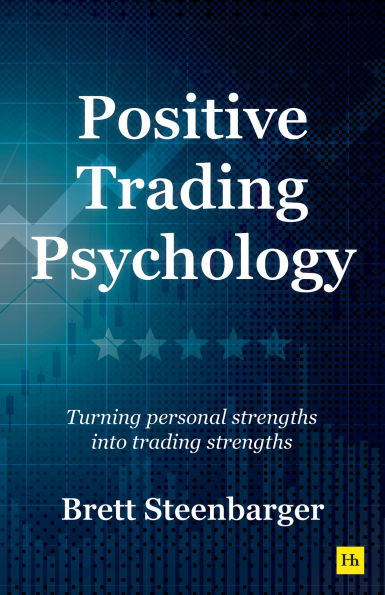
Dr. Brett Steenbarger’s work is a goldmine for traders. Applying lessons from “Positive Trading Psychology” can revolutionize how you communicate and connect with your followers, fostering a healthier trading environment for everyone:
- Focus on Strengths: Communicate how you leverage your specific trading strengths and encourage followers to identify theirs. This builds confidence.
- Emotional Regulation: Share insights into how you manage trading emotions (greed, fear, frustration). This normalizes these feelings for followers and offers coping strategies. Perhaps ask: “How do you handle the emotional swings when a trade goes against you?”
- Process Over Outcome: Emphasize the importance of a sound trading process rather than fixating on the outcome of any single trade. Communicate your process clearly and consistently.
- Mindfulness and Self-Awareness: Share how mindfulness or self-reflection helps your trading. This can encourage followers to adopt practices that improve their own decision-making.
- Goal Setting: Discuss your trading goals (beyond just profit) – perhaps skill development or strategy refinement – and encourage followers to set their own realistic goals.
- Resilience: Talk about how you bounce back from losses or challenging periods. This models resilience, a crucial trait for any trader.
- Continuous Learning: Frame your trading journey as one of continuous learning and adaptation. Share new insights or how you’re adjusting to changing market conditions.
- Finding Your Niche: Steenbarger talks about finding a trading style that fits your personality. Communicate your style and why it works for you, helping followers understand if it aligns with their own preferences.
- The Power of Journaling: If you use a trading journal to track psychological patterns as well as trades, consider sharing the types of insights you gain (without revealing private details). This encourages good habits.
- Mentorship and Community: By effectively communicating, you are, in a sense, mentoring your followers. Foster a sense of community where learning and mutual support are valued.
By integrating these psychological principles, are you not only improving your followers’ results but also their overall well-being as traders?
Choosing Your Communication Arsenal (Telegram, Discord, Webinars, Email)

The medium is often as important as the message. To keep your followers engaged and loyal, you need to use the right tools effectively.
Email Newsletters:
Still a powerhouse for consistent engagement. Use them for:
- Detailed trade rationale and risk disclosures (especially for volatile assets like crypto).
- Educational content to empower followers.
- Segmenting your audience (e.g., by experience level) for tailored messaging.
Pro Tip: Is your email newsletter a value-packed resource, or just another signal dump?
Live Webinars:
Excellent for direct interaction and building a strong community.
- Clarify strategies and provide market updates in real-time.
- Host Q&A sessions to address concerns directly.
- Record sessions for asynchronous viewing to cater to a global audience.
Think: Could quarterly showcases or strategy deep-dives transform follower engagement?
Social Media (The Nuanced Approach):
- LinkedIn: Favors thought leadership and meaningful discussions. Share industry insights and engage in comments.
- Instagram Reels/TikTok: Prioritize short-form, engaging video content. Explain complex concepts visually.
- Twitter/X: Great for quick updates, sharing charts, and engaging in real-time market commentary.
- Threads: Encourages conversations; ideal for explaining trade decisions and soliciting follower input.
Key Question: Are you adapting your message to the unique algorithmic preferences of each platform?
Community Platforms (Telegram, Discord):
- These are vital for real-time updates, quick Q&A, and fostering a community feel.
- Challenges include algorithmic distortions and managing large groups.
- Actively solicit structured feedback using polls and questions within these platforms.
Consider: How can you use these instant messaging tools to provide immediate value without overwhelming your followers?
AI-Powered Tools: Consider leveraging AI to help generate initial trade explanations, which you can then personalize. This balances efficiency with authenticity.
Transparency in Risks Prevents Follower Disillusionment
Optimism is great, but not when it blinds followers to potential risks. Transparent risk communication is an ethical imperative and a powerful retention tool.
- Managing Expectations: Clearly outline the inherent volatility and potential downsides of your trades, especially with high-risk products like CFDs, cryptocurrencies, and forex. This protects you legally and empowers followers to make informed decisions.
- The Cost of Miscommunication: The 2025 Federal Trade Commission Report showed consumer losses to fraud hit $12.5 billion in 2024, a significant portion from investment scams with inadequate risk disclosures. A finfluencer promoting a high-yield strategy without disclosing risks can lead to substantial follower losses and destroy trust.
- Regulatory Landscape: Regulations like the EU’s Digital Services Act (DSA) mandate transparency. Compliance isn’t optional; it’s crucial for reputation and legality. The Corporate Transparency Act (CTA) in the U.S. and the 6th Anti-Money Laundering Directive (6AMLD) in the EU add further reporting obligations.
- Balancing Optimism with Caution: As demonstrated by options trader Jacob Mintz, discuss risk/reward ratios, especially during volatile periods. This builds credibility.
- Educating on Advanced Tools: If you discuss strategies like tax-loss harvesting, explain both benefits and limitations (e.g., the wash-sale rule).
Are your followers truly aware of the tightrope walk that is active trading, or are they only seeing the potential rewards?
Limitations of Communication Channels and How to Fix Them
Relying on a single communication channel is like fishing with only one type of bait – you’ll miss a lot of fish!
- The Pitfalls of Singular Channels: Sole reliance on email or webinars can lead to reduced reach, misaligned content, and less interactivity.
- Algorithm-Driven Distortions: Social media algorithms prioritize certain content, which might not align with your message. Features like TikTok’s ‘Not Interested’ button can suppress visibility if your content isn’t resonating. Different platforms have different rules (e.g., Instagram Reels vs. LinkedIn).
- Mitigation Strategies:
- Cross-Promotion: Use Instagram Collabs or share your LinkedIn articles on Twitter. This expands reach and taps into shared audiences.
- Structured Feedback: Use YouTube analytics (click-through rates, audience retention) or Later’s Analytics to see what’s working and refine your strategy.
- Diversify Content Formats: Integrate videos, infographics, and interactive polls to enhance engagement. Platforms like Threads reward conversational content.
- Platform-Specific: Use strategic keywords and relevant hashtags to improve discoverability.
- Cross-Promotion: Use Instagram Collabs or share your LinkedIn articles on Twitter. This expands reach and taps into shared audiences.
Is your communication strategy a well-orchestrated symphony across multiple channels, or a solo instrument struggling to be heard?
Preventing Scams Through Clear Guidelines and Secure Messaging
The alarming rise in financial fraud, with consumer losses hitting $12.5 billion in 2024, makes scam prevention a top priority. Your communication strategy is your first line of defense.
- Proactive Education:
- The CFTC advises traders to be cautious about whom to trust online, learn about market risks from credible sources, and verify professionals’ registration.
- Share these guidelines. Equip your followers with the tools to identify red flags.
- The CFTC advises traders to be cautious about whom to trust online, learn about market risks from credible sources, and verify professionals’ registration.
- Highlighting Deceptive Techniques:
- Warn followers about manipulated data, fake testimonials, and imposter schemes prevalent on social media.
- Explain the dangers of profiles posing as successful traders making unrealistic promises.
- Warn followers about manipulated data, fake testimonials, and imposter schemes prevalent on social media.
- Leveraging Technology for Security:
- Encourage the use of platforms with strong security.
- Discuss the role of deepfake detection and behavioral biometrics in combating identity fraud. Real-time transaction tracking can flag irregularities.
- Encourage the use of platforms with strong security.
- Regulatory Compliance and AML:
- Be transparent about your adherence to AML frameworks like the 6AMLD and reporting requirements like the CTA. This builds trust and shows you operate ethically.
- Be transparent about your adherence to AML frameworks like the 6AMLD and reporting requirements like the CTA. This builds trust and shows you operate ethically.
- Cross-Industry Collaboration:
- Share information about fraud trends (perhaps learned from moderated Telegram/Discord groups) to foster collective vigilance.
- Direct followers to official channels for reporting scams, like cftc.gov/complaint or ic3.gov.
- Share information about fraud trends (perhaps learned from moderated Telegram/Discord groups) to foster collective vigilance.
By championing secure and transparent communication, are you not only protecting your followers but also elevating the integrity of the entire copy trading ecosystem?
Communicating During Tough Trading Times

No trader wins all the time. Drawdowns and losing streaks are part of the journey. How you communicate during these periods is a true test of your leadership.
- Honesty is Paramount: Don’t hide losses or try to spin them. Acknowledge the drawdown directly.
- Reiterate Your Strategy: Explain if the losses are within the expected parameters of your strategy or if adjustments are being made.
- Reinforce Risk Management: Remind followers of the risk management protocols in place.
- Maintain Consistency: Don’t disappear. Continue your regular updates, even if the news isn’t positive. This shows resilience and accountability.
- Focus on the Long Term: Help followers see beyond the immediate losses and focus on the long-term viability of your approach.
- Be Open to Feedback (but filter noise): Allow followers to express concerns, but don’t let panic dictate your strategy.
When the seas get rough, will your communication be the lighthouse guiding your followers, or will they feel adrift?
Usual Questions You Must Be Prepared to Answer

Your followers will have questions. Being prepared not only saves you time but also reinforces your expertise. Here are common queries:
- “What’s your general market outlook for [Currency Pair/Asset Class e.g., XAU/USD] this week?”
- “Are there any major economic events (e.g., CPI, FOMC minutes) you’re watching closely, and how might they impact your strategy?”
- “How are you adjusting risk in light of the recent [Market Event, e.g., geopolitical tension, surprising data release]?”
- “Could you briefly explain the rationale behind the current [Strategy/Position, e.g., long EUR/JPY, short Tesla shares]?”
- “What are the key support/resistance levels you’re monitoring for [Currency Pair/Asset]?”
- “How does your strategy perform in different market conditions (e.g., trending vs. ranging)?”
- “What’s your maximum drawdown expectation for this strategy?”
- “How do you decide on position sizing?”
Pro Tip: Consider creating a static FAQ document or section on your chosen platform to proactively address these. Could this free up your time for more dynamic interactions?
Referencing ACY Analysts and Market Sentiment Tools
To further bolster your authority and provide richer insights, consider incorporating external analysis and tools:

ACY Securities Analysts: Referencing market commentary or technical analysis from reputable sources like ACY Securities analysts can add weight to your own views. For instance, if an ACY analyst highlights a particular pattern in AUD/USD that aligns with your trade idea, sharing this (with proper attribution) can enhance follower confidence. Always ensure you are abiding by any terms of use if referencing proprietary analysis.
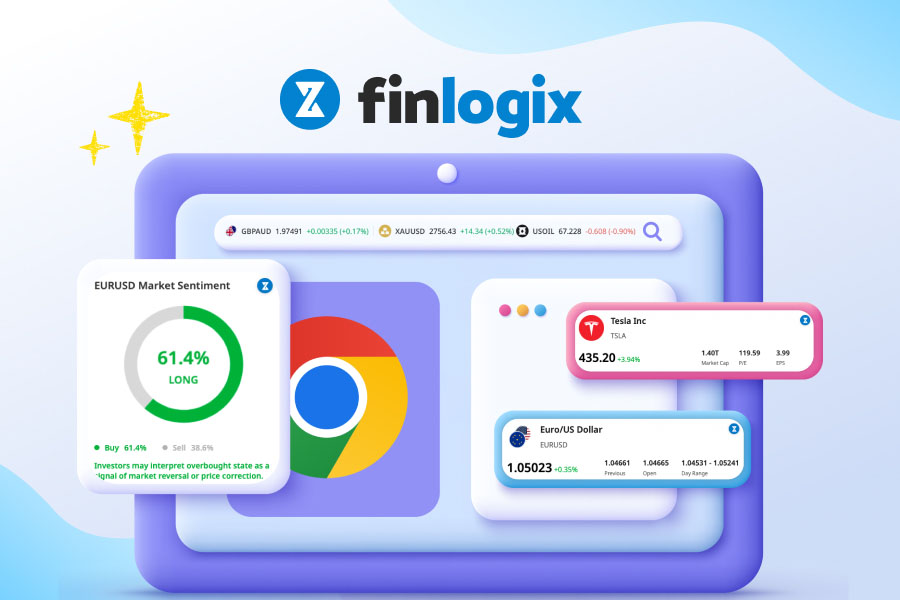
Finlogix Market Sentiment Tool (or similar): Tools like Finlogix offer insights into overall market sentiment (e.g., bullish/bearish ratios for currency pairs). You could communicate: “My technical analysis suggests a long on EUR/USD, and this is supported by the current sentiment shown on Finlogix, where 65% of retail traders are also holding long positions. However, remember that sentiment can be a contrarian indicator at extremes, so we manage risk accordingly.” This shows a multi-faceted approach.
How can you weave in respected third-party insights to validate your perspective without diluting your unique trading voice?
The Art of Connection for Smarter Investing

Effective communication in Forex signal provision and copy trading is far more than a soft skill; it’s a strategic imperative for smarter protection of your followers’ investments and the sustainable growth of your trading network.
By embracing transparent trade rationale, understanding the psychology of your followers (and your own), mastering platform-specific techniques, clearly articulating risks, and vigilantly working to prevent scams, you transform from a mere signal provider into a trusted leader. This holistic approach, which includes preparing for tough questions and weathering market storms with open dialogue, fosters an environment of informed decision-making and resilience.
As the financial landscape evolves, especially with the increasing sophistication of AI and the ever-present threat of fraud, your ability to communicate with clarity, empathy, and integrity will be your greatest asset. Ultimately, it’s about equipping your followers with the knowledge and confidence to navigate complex markets, promoting not just profits, but enduring financial well-being.
Isn’t that the most rewarding trade of all?
FAQs
Q: How often should I communicate with my copy trading followers?
A: Consistency is key. Aim for daily updates on market outlook or psychology, pre-trade rationale, and post-trade analysis. Weekly summaries via email and regular live Q&A sessions can also be very effective. The goal is to keep them informed without overwhelming them.
Q: What’s the best platform to communicate with Forex followers?
A: There’s no single “best” platform; a multi-channel approach is often optimal. Use email for detailed reports and risk disclosures, Telegram/Discord for instant updates and community chat, LinkedIn for thought leadership, and Instagram/TikTok for engaging video content. Tailor your message to the platform.
Q: How do I explain losses to my copy trading followers without losing their trust?
A: Be transparent and timely. Acknowledge the loss, explain what happened (market conditions, strategy deviation if any), reiterate your long-term strategy and risk management. Avoid making excuses. Honesty during tough times can actually strengthen trust.
Q: Why is explaining trade rationale so important in copy trading?
A: Explaining your trade rationale builds trust, educates your followers, and helps them understand your strategy. It transforms opaque actions into comprehensible decisions, increasing follower satisfaction and retention.
Q: How can I protect my followers from Forex scams?
A: Educate them on common scam tactics. Use secure communication channels. Be transparent about risks. Encourage verification of any financial advice. Report suspicious activity. Clearly state you will never ask for direct deposits to personal accounts for trading via DMs.
Q: Should I share my personal trading psychology with followers?
A: Yes, sharing insights into your psychological state (e.g., managing stress or confidence) can humanize you, build deeper connections, and foster loyalty. It provides context to your trading decisions.
Q: What are the key risk factors I must communicate for Forex signals?
A: Clearly explain the inherent volatility of Forex, the risks of leverage, potential impacts of economic news, and the specific risks associated with your strategy (e.g., maximum drawdown). Full transparency about potential downsides is crucial.
For more detailed insights on developing daily trading routines, risk management, and effective position sizing strategies, explore additional articles on Trading Cup. Our trading experts at ACY and FinLogix are also great resources to guide your journey towards trading excellence.

Discover Our Best Trading Signals
At Tradingcup, you can browse through a selection of signals and review past performance before you decide to copy.
Become A Signal Provider
Share your expertise and become a signal provider so other traders can copy your trades.
Stay tuned to our blog for more trader spotlights and leaderboard updates.
Trading involves risks.
Visit the Tradingcup blog through the link below for more updates: https://www.tradingcup.com/learn
Related Copy Trading blogs:
- Understanding Market Liquidations: Liquidity Sweeps and Runs Explained
- 7 Essential Daily Habits of Successful Traders to Outperform Their Peers
- 10 Strategies You Can Copy off Our Best Copy Traders
- 5 Strategies Every Trader Can Master To Trade Better In A Trading Contest
- 2025 Copy Trading Scams Exposed: How to Spot Fraud
- A Swing Trading Strategy with an 83 Percent Win Rate and Low Drawdowns
- Forex Martingale Strategies Explained, The Good, The Bad and The Ugly
- Pyramiding Trading Tutorial – Pros & Cons & How to Use It