Last Updated: May 20, 2025
This article is reviewed annually to reflect the latest market regulations and trends.
TL;DR: Key Insights for Aspiring Copy Traders
- Potential Meets Prudence: Achieving 10-20% monthly returns in copy trading is ambitious and possible but hinges on diligent trader selection, robust risk management, and market conditions.
- Accessibility for Newcomers: Copy trading offers a lower barrier to entry into financial markets compared to traditional methods, allowing beginners to leverage expert strategies.
- Due Diligence is Non-Negotiable: Success isn’t automatic. Thoroughly research and vet traders, understanding their strategies, risk profiles, and historical performance before committing funds.
- Risk Management is Paramount: Never invest more than you can afford to lose. Utilize tools like stop-loss orders, diversify your copied traders, and understand profit/loss calculations to protect your capital.
- Continuous Learning & Adaptation: The market evolves, and so should your approach. Continuously monitor performance, learn from both wins and losses, and don’t be afraid to switch traders if necessary.
Disclaimer: The information in this article is for educational purposes only and does not constitute financial, investment, or trading advice. Copy trading carries substantial risks, including the potential loss of your entire invested capital. Past performance of copied traders or strategies is not a reliable indicator of future results. You may be replicating high-risk trades, overleveraged positions, or strategies incompatible with your financial goals. Always conduct independent research into a trader’s historical performance, risk metrics, and strategy before copying them. Never invest funds you cannot afford to lose. Consult a licensed financial advisor to ensure copy trading aligns with your risk tolerance, financial objectives, and regulatory requirements in your jurisdiction. This article does not endorse specific traders, platforms, or strategies, and all trading decisions remain your sole responsibility.

“An investment in knowledge pays the best interest.” – Benjamin Franklin
Copy Trading for Beginners: Decoding the Path to Potential 10-20% Monthly Returns

Generating substantial returns like 10-20% a month through copy trading is undeniably strong, especially for those new to the investment world. But is it a realistic goal, or just a fleeting dream? This comprehensive guide will delve into the intricacies of copy trading for beginners, dissecting its potential, the critical strategies for success, the inherent risks, and how platforms like TradingCup are revolutionizing this space. Our goal is to equip you with the knowledge for smarter money protection and to help you understand how to optimize your approach for both traditional search engines and emerging AI-driven search.
Copy trading has fundamentally changed how individuals access and participate in financial markets. At its heart, it allows users, particularly beginners, to automatically replicate the trading activities of experienced, successful traders. This innovative approach bridges the knowledge gap, offering a unique blend of learning by observation while potentially earning.
Over the past decade, technological advancements have fueled the evolution of copy trading platforms. We’ve seen a shift from basic forex-focused systems to sophisticated platforms supporting a diverse range of assets including stocks, cryptocurrencies, and ETFs, often enhanced with AI-driven personalization and advanced analytics. This growth is underscored by a significant global increase in interest, as more individuals seek to simplify their investment journeys through technology.
The Million-Dollar Question: Can You Consistently Make 10-20% Monthly?

The prospect of achieving 10-20% monthly returns is ambitious and, while not impossible, requires a disciplined and strategic approach. Reputable platforms may showcase traders with impressive track records, sometimes achieving annual ROIs between 15-30% or even higher in specific periods.
However, it’s crucial to approach these figures with realistic expectations. Such high returns often correlate with higher risk. Factors influencing your actual returns include:
- The Skill and Consistency of Copied Traders: Not all traders maintain high performance indefinitely.
- Market Volatility: Financial markets are inherently unpredictable.
- Your Risk Management Settings: How much are you willing to risk per trade or per trader?
- Platform Fees and Spreads: These costs can impact net profitability.
While the 10-20% monthly target might be achievable in certain periods with the right strategy and trader, it should not be viewed as a guaranteed regular income without acknowledging the associated risks.
Getting Started: How Easy is Copy Trading?
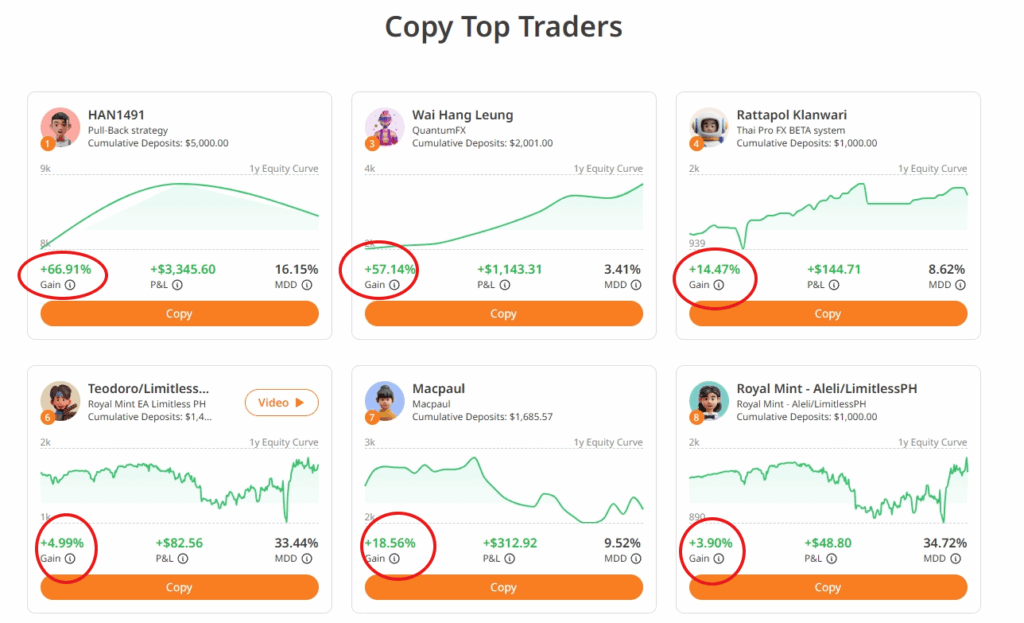
Compared to traditional stock investing, manual trading, or the complexities of algorithmic trading, copy trading offers a significantly lower barrier to entry for beginners.
- Reduced Initial Knowledge: You don’t need to be a market expert from day one. You can leverage the expertise of seasoned professionals.
- Time-Saving Automation: Trades are copied automatically, reducing the need for constant market monitoring, which is ideal for those with limited time.
- Learning Opportunity: By observing the strategies of successful traders, you can gain valuable insights and learn over time.
However, “easy to start” does not mean “effortless success.” Diligence in selecting traders and managing risk remains crucial.
Why is the Copy Trading Market Growing?
The copy trading market is experiencing robust growth due to several converging factors:
- Democratization of Finance: It provides access to global markets for a broader audience.
- Passive Income Potential: It appeals to individuals seeking to grow their capital without active, hands-on trading.
- Technological Advancements: User-friendly platforms, mobile access, and AI-driven tools enhance the experience.
- Community and Social Interaction: Many platforms foster a sense of community, allowing users to learn and share insights.
- Educational Aspect: It serves as a practical learning ground for new traders.
The Psychology Behind Copy Trading
Understanding the psychological drivers influencing copy trading is key to making rational decisions:
- Social Proof & Upward Social Comparison: Observing successful traders can motivate participation but may also lead to increased risk-taking and potentially lower satisfaction if expectations aren’t managed.
- Trust: Transparency in trader performance data and platform reliability are vital for building trust, especially for beginners.
- Cognitive Biases: Overconfidence, herd mentality, and self-attribution bias (crediting successes to skill and failures to bad luck) can lead to poor decisions.
- Emotional Discipline: Fear and greed are powerful emotions in trading. Copy trading doesn’t eliminate them; you still need discipline when monitoring your investments and sticking to your plan.
How Raamdeo Agrawal Might Approach Copy Trading

While Raamdeo Agrawal, a renowned Indian investor, may not have spoken directly about “copy trading,” his core investment philosophy, QGLP (Quality, Growth, Longevity, Price), offers invaluable wisdom applicable to selecting traders to copy:
- Quality: Look for traders with high-quality, consistent, and transparent trading strategies. Understand their methodology. Is it robust?
- Growth: Assess the trader’s ability to grow their (and your) capital consistently over time. Look for sustainable growth, not just sporadic huge wins.
- Longevity: Prefer traders with a proven, long-term track record across various market conditions. Short-term success can be luck.
- Price (Value): Consider the “price” you pay – fees, profit sharing, and the risk embedded in their strategy. Does the potential return justify the cost and risk?
- Other Agrawal Principles:
- Avoid “Borrowed” Conviction: Don’t blindly copy. Understand why you are copying a particular trader. Do your own research (due diligence).
- Long-Term Perspective: Aim for steady, long-term growth rather than chasing quick profits.
- Focus and Discipline: Stay disciplined in your approach to selecting, monitoring, and managing your copy trading portfolio.
- Chase Value, Not Just Price (Performance): Look for traders who offer genuine value in their strategy and risk management, not just those with the highest recent returns.
- Avoid “Borrowed” Conviction: Don’t blindly copy. Understand why you are copying a particular trader. Do your own research (due diligence).
10 Lessons from “The Daily Trading Coach” for Copy Traders
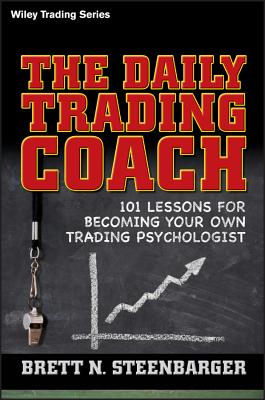
Brett Steenbarger’s “The Daily Trading Coach” emphasizes the psychological and disciplinary aspects of trading. While you’re copying others, these lessons are crucial for managing your own involvement:
- Develop Your Own “Copy Trading” Plan: Define your goals, risk tolerance, and criteria for selecting traders.
- Master Your Emotions: Avoid making impulsive decisions based on fear during drawdowns or greed during winning streaks.
- Focus on Your Process: Your process involves selecting, monitoring, and managing risk. Don’t get solely fixated on daily profit/loss.
- Practice Patience and Discipline: Success in copy trading, like all investing, takes time and consistent application of your strategy.
- Learn from Losses (and Wins): Analyze why a copied trader had a losing streak or a big win. Understand the context.
- Continuously Seek Improvement: Refine your criteria for trader selection and risk management as you gain experience.
- Clearly Define Your Risk Tolerance: Only copy traders whose risk approach aligns with what you’re comfortable losing.
- Journal Your Decisions: Keep notes on why you chose a trader, your expectations, and their performance. This helps in refining your approach.
- Build Resilience: Not every copied trade will be a winner. Develop the mental fortitude to stick to your plan during inevitable downturns.
- Critical Selection is Key: While copy trading is about leveraging others’ expertise, critically evaluate who you follow. Don’t follow blindly.
Limitations and Common Mistakes of Copy Trading

While copy trading offers many advantages, it’s not without its limitations and potential pitfalls:
- Over-Reliance on Others: Blindly copying without understanding can be detrimental.
- Past Performance is Not Future Guarantee: A trader successful yesterday might not be tomorrow.
- Lack of Diversification: Copying only one trader exposes you to significant risk if they perform poorly.
- Ignoring Risk Management: Failing to set stop-losses or allocating too much capital to a single trader or trade.
- Emotional Decisions: Panicking and stopping a copy during a temporary drawdown, or becoming overly greedy.
- Platform Risk & Fees: Understand the platform’s reliability, security, and all associated costs (spreads, commissions, profit-sharing).
- Misleading Trader Histories: Some traders might have artificially inflated records or take excessive risks not immediately apparent.
How to Avoid These Copy Trading Mistakes:
- Thorough Due Diligence: Research traders extensively. (More on this below).
- Diversify: Spread your capital across multiple well-researched traders with different strategies.
- Implement Strict Risk Management: Use stop-loss orders, define your maximum investment per trader, and never invest more than you can afford to lose.
- Stay Informed & Monitor Regularly: Keep an eye on your investments and the performance of the traders you’re copying.
- Choose Reputable Platforms: Opt for well-regulated and transparent copy trading platforms.
Big Gains from Small Investments: The Seduction and The Strategy
One of the attractive aspects of copy trading is the potential for significant percentage gains even with a relatively small initial investment, especially when compared to traditional investments like stocks where you might invest large sums for an anticipated 8-10% annual return. With copy trading, the idea is that if you successfully copy a trader making substantial monthly returns, your smaller capital could also see similar percentage growth.
However, this potential for “big gains” is intrinsically linked to higher risk. If the trader you copy incurs large losses, your investment will also suffer proportionally. The key is discipline and adhering to a checklist:
- Start Small: Especially as a beginner.
- Define Your Goals: What are you trying to achieve? Your yearly goal might be achievable much faster, but this requires strict adherence to your plan.
- Risk Only What You Can Lose: This cannot be overstated.
- Understand Leverage (if applicable): Leverage can amplify both profits and losses.
- Focus on Percentage Gains & Compounding: But always with an eye on capital preservation.
Your Guide to Copy Trading on TradingCup and Beyond
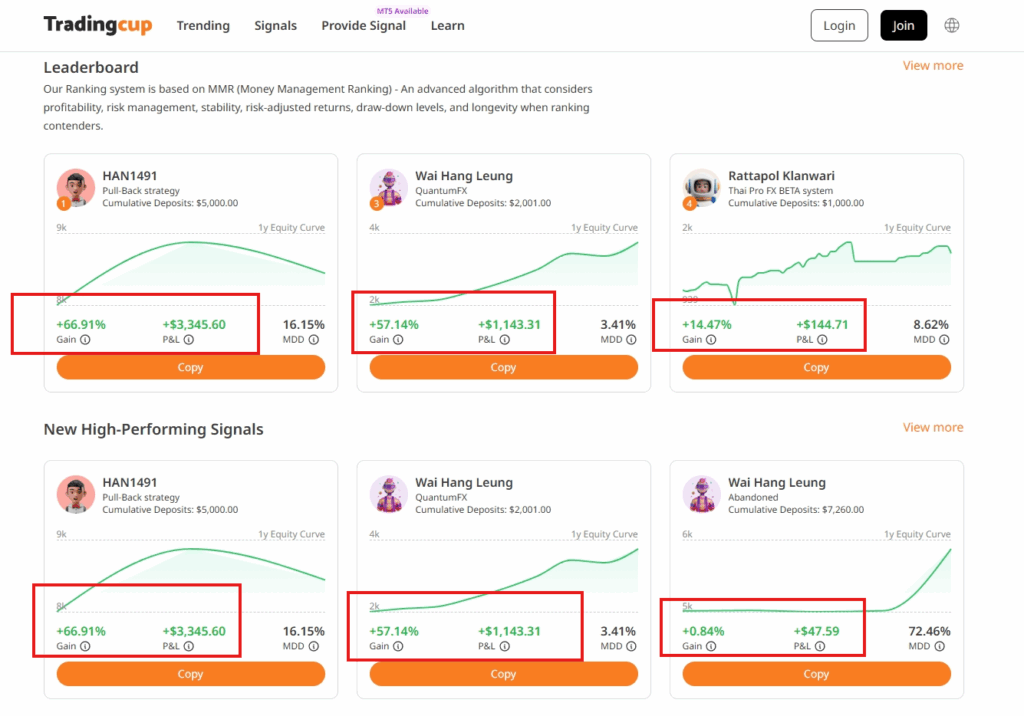
The following sections align with key aspects of a successful copy trading journey, with specific reference to resources you can find on TradingCup:
1. Who to Copy and How to Read Trader Performance
Selecting the right traders is arguably the most critical step.
- For detailed guidance, visit: TradingCup: Who to Copy & How to Read Trader’s Performance
- Key Metrics to Analyze:
- Return on Investment (ROI): Consistent profitability over a significant period (e.g., >12 months).
- Maximum Drawdown: The largest peak-to-trough decline a trader has experienced. Lower is generally better.
- Risk Score: Many platforms provide a risk rating. Understand how it’s calculated.
- Win Rate: Percentage of profitable trades.
- Trading History & Duration: Longer track records provide more data.
- Number of Copiers & Assets Under Management: Can indicate trust, but shouldn’t be the sole factor.
- Trading Strategy: Understand their approach (e.g., scalping, swing trading, asset classes traded). Does it align with your risk appetite?
- Transparency & Communication: Do they explain their trades or market views?
- Return on Investment (ROI): Consistent profitability over a significant period (e.g., >12 months).
2. When to Switch Traders
Sticking with a trader through thick and thin isn’t always the best strategy.
- Learn more at: TradingCup: When to Switch Traders in Copy Trading
- Consider Switching If:
- Consistent Underperformance: A prolonged losing streak that deviates significantly from their historical performance.
- Change in Trading Strategy: The trader deviates from the strategy you initially signed up for.
- Increased Risk-Taking: They start taking significantly larger risks.
- Your Goals Change: Your own investment objectives or risk tolerance evolve.
- Loss of Confidence: You no longer feel comfortable with their approach.
- Regularly review, as suggested by monthly performance reviews.
- Consistent Underperformance: A prolonged losing streak that deviates significantly from their historical performance.
3. Know When to Stop: Secure Profits and Sidestep Greed
Emotional discipline is vital.
- Set Clear Profit Targets: Decide beforehand what level of profit you’d be satisfied with for a given period or trade.
- Avoid Greed: The desire for “just a little more” can lead to giving back profits or incurring losses.
- Have an Exit Strategy: This applies not just to individual trades but to your overall copy trading allocation if your goals are met or if risks become too high.
4. How to Avoid Scams
The popularity of copy trading unfortunately attracts scammers.
- For insights on specific XAUUSD/Gold Telegram risks, see: TradingCup: XAUUSD Gold Signals Telegram Risks & Costs
- General Tips to Avoid Scams:
- Use Reputable & Regulated Platforms: Check the platform’s credentials.
- Beware of “Too Good to Be True” Promises: Guaranteed high returns with no risk are a major red flag.
- Unverified Trader Histories: Scrutinize trader profiles for authenticity.
- Pressure to Invest More: Be wary of anyone pressuring you to deposit more funds quickly.
- Lack of Transparency: Vague strategies or hidden fees are concerning.
- Do Your Own Research: Don’t rely solely on testimonials or social media hype.
- Use Reputable & Regulated Platforms: Check the platform’s credentials.
5. Calculating Profit/Loss & Adjusting Risk
Understanding your potential outcomes and managing risk effectively is fundamental.
- Explore these TradingCup resources:
- Key Concepts:
- Profit/Loss Calculation: Understand how profits and losses are determined based on trade size, pip movement (for forex), and price changes.
- Minimum Balance: Be aware of the minimum capital requirements for copying a trader or using a platform.
- Multiplier/Ratio: This setting determines how your trade size scales in relation to the master trader’s. A higher multiplier increases potential profit AND loss.
- Stop-Loss Orders: Set these to automatically close a position if it reaches a certain loss level.
- Risk per Trade: Decide what percentage of your copy trading capital you’re willing to risk on any single trader’s activity.
- Profit/Loss Calculation: Understand how profits and losses are determined based on trade size, pip movement (for forex), and price changes.
6. How TradingCup Ranks Traders
Platforms use various methodologies to rank traders to help users make informed choices.
- Discover TradingCup’s approach: TradingCup: How Best Traders are Ranked
- Common Ranking Factors Often Include:
- Profitability (ROI) over various periods.
- Risk Score or level of risk taken.
- Maximum Drawdown.
- Duration of trading activity.
- Number of copiers.
- Consistency.
- Profitability (ROI) over various periods.
7. The Value of Monthly Performance Reviews
Regularly reviewing performance is key to staying on top of your investments.
- Find performance reviews here: TradingCup: Most Profitable Traders & Smart Copy Trading Choices
- Importance:
- Track progress against your goals.
- Identify if a trader’s performance is waning.
- Make informed decisions about continuing to copy, adjusting allocation, or switching traders.
- Track progress against your goals.
The AI Edge: Technology in Copy Trading
Artificial Intelligence (AI) is playing an increasingly significant role in enhancing copy trading platforms:
- Improved Trade Execution: AI can help optimize trade entries and exits.
- Enhanced Risk Management: AI algorithms can analyze trader behavior and market conditions to provide better risk scoring and even automated risk mitigation tools.
- Personalized Recommendations: AI can help match copiers with traders whose styles and risk profiles align with their preferences.
- Sentiment Analysis: AI can gauge market sentiment from news and social media to provide additional trading insights.
The Bottom Line: Smarter Protection of Your Money
Ultimately, successful copy trading, and indeed any investing, is about the smarter protection and growth of your money. This involves:
- Education: Continuously learn about markets, strategies, and risk.
- Thorough Due Diligence: Never skip this step.
- Robust Risk Management: This is your primary defense.
- Diversification: Don’t put all your eggs in one basket.
- Realistic Expectations: Understand the risks involved, especially when aiming for high returns.
- Patience and Discipline: Avoid emotional decisions and stick to your well-researched plan.
Conclusion: Your Journey into Copy Trading
Copy trading offers an exciting pathway for beginners to engage with financial markets and potentially achieve significant returns. The prospect of 10-20% monthly gains, while ambitious, can be pursued with a clear understanding of the landscape, diligent trader selection, unwavering risk management, and a commitment to continuous learning. Platforms like TradingCup provide valuable tools and resources to navigate this journey.
However, it’s crucial to remember that there are no guarantees. Challenges like psychological biases, market volatility, and the risk of scams are real. By embracing a disciplined, informed, and cautious approach, you can harness the potential of copy trading while striving for the smarter protection and growth of your capital in today’s dynamic financial world.
Frequently Asked Questions (FAQs)
Is copy trading suitable for absolute beginners?
Yes, copy trading is often considered suitable for beginners because it allows them to leverage the expertise of experienced traders without needing extensive market knowledge upfront. However, beginners must still commit to learning, conducting due diligence, and understanding the risks involved.
How much money do I need to start copy trading?
The minimum amount varies significantly depending on the platform and the specific trader you wish to copy. Some platforms allow you to start with a few hundred dollars, while others might require more. Always check the platform’s terms and the trader’s minimum copy amount. Refer to resources like TradingCup’s guide on suggested capital.
What are the main risks of copy trading?
The main risks include losing capital if the copied trader performs poorly, market volatility, platform risks (technical issues, security), lack of control over individual trade decisions, and the potential for scams or misleading trader information.
Can I lose all my money in copy trading?
Yes, it is possible to lose all your invested capital in copy trading, especially if you do not practice proper risk management, copy high-risk traders, or if the market moves significantly against the positions taken. Never invest more money than you can afford to lose.
How do I choose the best trader to copy?
Look for traders with a consistent, long-term positive track record, a clear trading strategy that aligns with your risk tolerance, reasonable drawdown levels, transparency, and good reviews. Analyze their performance metrics thoroughly. Platforms like TradingCup offer tools and rankings to help. Refer to TradingCup’s guide on who to copy.
Is a 10-20% monthly return realistic in copy trading?
While some traders may achieve such returns in certain periods, it is a very ambitious target and typically comes with higher risk. It’s not a guaranteed or sustainable return for most copiers. Beginners should set realistic expectations and prioritize capital preservation alongside growth.
Do I need to pay taxes on copy trading profits?
Yes, profits from copy trading are generally considered taxable income, similar to other investment gains. Tax regulations vary by country, so it’s essential to consult with a local tax professional to understand your specific obligations.
For more detailed insights on developing daily trading routines, risk management, and effective position sizing strategies, explore additional articles on Trading Cup. Our trading experts at ACY and FinLogix are also great resources to guide your journey towards trading excellence.

Discover Our Best Trading Signals
At Tradingcup, you can browse through a selection of signals and review past performance before you decide to copy.
Become A Signal Provider
Share your expertise and become a signal provider so other traders can copy your trades.
Stay tuned to our blog for more trader spotlights and leaderboard updates.
Trading involves risks.
Visit the Tradingcup blog through the link below for more updates: https://www.tradingcup.com/learn
Related Copy Trading blogs:
- Understanding Market Liquidations: Liquidity Sweeps and Runs Explained
- 7 Essential Daily Habits of Successful Traders to Outperform Their Peers
- 10 Strategies You Can Copy off Our Best Copy Traders
- 5 Strategies Every Trader Can Master To Trade Better In A Trading Contest
- 2025 Copy Trading Scams Exposed: How to Spot Fraud
- A Swing Trading Strategy with an 83 Percent Win Rate and Low Drawdowns
- Forex Martingale Strategies Explained, The Good, The Bad and The Ugly
- Pyramiding Trading Tutorial – Pros & Cons & How to Use It