Last Updated: February 25, 2026
This article is reviewed annually to reflect the latest market regulations and trends.
TL; DR:
- Cost-Effective Start: Access professional Forex strategies via free signals, ideal for beginners testing the waters without upfront costs.
- Risk Management: Use signals for free to test strategies in live markets with minimal capital exposure, aiding risk-averse learning.
- Educational Insights: Following vetted signal providers for free offers real-time learning about market dynamics and expert analysis.
- Vetting is Crucial: Prioritize regulated platforms like ACY’s TradingCup, which vet battle-tested traders and use fair High-Water Mark performance fees.
- Beyond Signals: Combine free Forex signals with fundamental analysis (news, economic calendars like Finlogix) and expert insights (ACY analysts) for educated decisions.
Disclaimer: The information in this article is for educational purposes only and does not constitute financial, investment, or trading advice. Copy trading carries substantial risks, including the potential loss of your entire invested capital. Past performance of copied traders or strategies is not a reliable indicator of future results. You may be replicating high-risk trades, overleveraged positions, or strategies incompatible with your financial goals. Always conduct independent research into a trader’s historical performance, risk metrics, and strategy before copying them. Never invest funds you cannot afford to lose. Consult a licensed financial advisor to ensure copy trading aligns with your risk tolerance, financial objectives, and regulatory requirements in your jurisdiction. This article does not endorse specific traders, platforms, or strategies, and all trading decisions remain your sole responsibility.
“The key to trading success is emotional discipline. If intelligence were the key, there would be a lot more people making money trading.” – Victor Sperandeo
Lessons from Warren Buffet: Applying Wisdom to Signal Trading
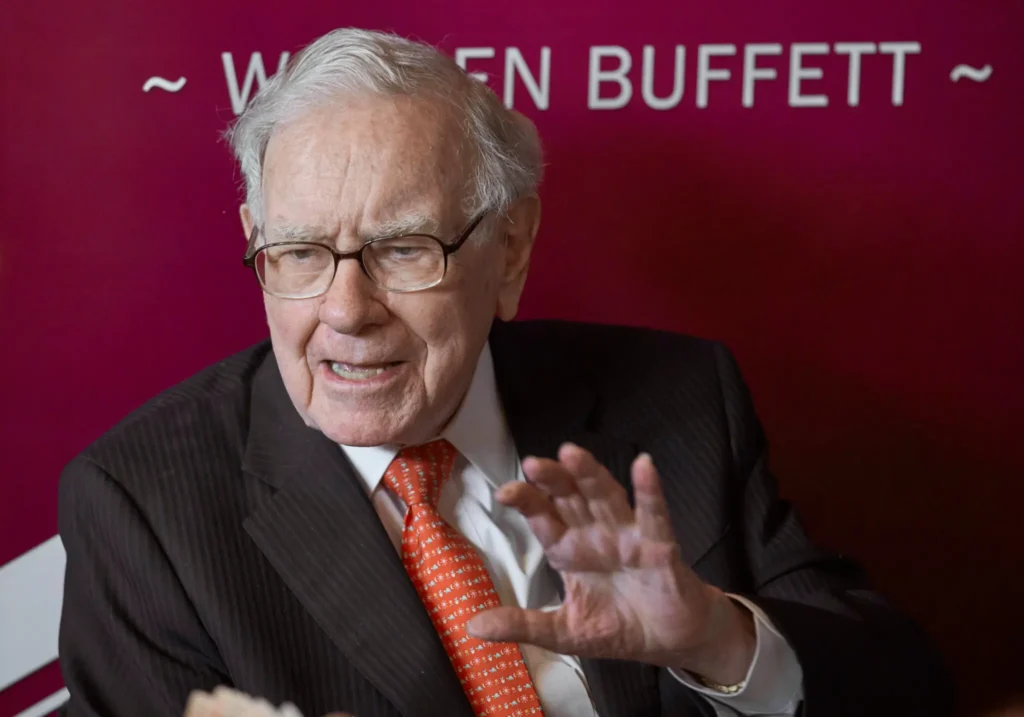
Successful trading isn’t just about signals; it’s about mindset and principles.
The Warren Buffett Approach:
While Buffett invests in stocks long-term, his core principles offer invaluable lessons for Forex traders using signals:
- Invest in What You Understand: Don’t just copy a signal blindly. Understand the basics of the currency pair, the provider’s general strategy (e.g., trend-following, scalping), and the fundamental drivers.
- Focus on Long-Term Value (or Trend): Avoid chasing short-term noise. Look for signal providers with strategies aligned with sustainable trends or proven edge, not just random lucky streaks.
- Margin of Safety (Risk Management): Buffett avoids overpaying. In Forex, this translates to rigorous risk management. Never risk too much on one signal, use stop losses diligently, and ensure the provider has a sensible drawdown history.
- Patience: Don’t jump between signal providers constantly. Give a vetted provider time to perform, understanding there will be losing trades and periods. Avoid emotional reactions to short-term dips.
- Avoid Excessive Debt (Leverage): While leverage is inherent in Forex, use it judiciously. High leverage amplifies both gains and losses. Choose signal providers whose strategies don’t rely on dangerously high leverage.
10 Timeless Lessons from “Market Wizards”

Jack Schwager’s interviews with elite traders reveal universal truths applicable to signal trading:
Risk Management is Paramount: Every single wizard emphasized protecting capital. Cut losses quickly; don’t hope.
There’s No Holy Grail: Different styles work. Find signal providers whose methods resonate with you and have a verifiable edge.
Discipline is Key: Stick to your plan (which includes how you use signals and manage risk). Emotional decisions destroy accounts.
Flexibility and Adaptability: Markets change. While sticking to a core strategy is vital, be aware if market conditions drastically shift against your provider’s style.
Cut Losses, Let Profits Run: Good signals should incorporate this. Avoid providers with tiny profits and huge stop losses.
Patience: Wait for high-probability setups (or signals). Don’t force trades out of boredom.
Independence: Use signals as input, but develop your own market understanding. Don’t follow blindly.
Learn from Mistakes: Analyze losing trades (yours or the signal’s) to understand what went wrong.
Find Your Edge: Identify what works for you, whether it’s a specific provider type, timeframe, or integrating signals with your analysis.
Hard Work and Continuous Learning: Success isn’t passive. Even with signals, stay engaged, learn, and refine your approach.
The Ultimate Guide to Finding the Best Free Forex Signals in 2026

The Forex market, with its staggering daily volume, represents a universe of opportunity. For many, the dream is to tap into this potential without spending years mastering complex charts and economic theories. Enter Forex signals – alerts suggesting potential trades. And what’s more appealing than “free”? The promise of best free Forex signals whispers the possibility of effortless profits, a siren song for both novice traders dipping their toes and seasoned veterans looking for an edge.
But like any siren song, danger lurks beneath the surface. While free signals can be valuable, navigating this space requires more than just blind faith. It demands diligence, a keen understanding of risk, and the ability to separate genuine opportunities from costly traps. This updated guide dives deep into the world of free Forex signals, exploring their benefits, inherent risks, and crucially, how to find reliable providers on regulated platforms like ACY Securities’ TradingCup. We’ll equip you with the knowledge to use these tools smartly, protect your capital, and make educated trading decisions, drawing parallels from investment legends and timeless trading wisdom.
What Exactly Are Forex Signals?
In simple terms, a Forex signal is a recommendation or suggestion for entering a specific trade on a currency pair (or other assets like Gold, often traded via Forex brokers). These signals are typically generated by human analysts or automated trading algorithms (bots). A typical signal includes:
- Asset: The currency pair (e.g., EUR/USD) or instrument (e.g., XAU/USD – Gold).
- Action: Buy or Sell.
- Entry Price: The suggested price to open the trade.
- Stop Loss (SL): A price level to automatically close the trade if it moves unfavorably, limiting potential losses.
- Take Profit (TP): A price level to automatically close the trade when it reaches a certain profit target.
These signals are often distributed via platforms like Telegram, email, dedicated apps, or directly within a broker’s copy trading platform.
Why Free Forex Signals Are So Popular
The appeal of free Forex signals is undeniable, particularly for those new to the market. Let’s break down the core benefits:
- Cost-Effective Entry: This is the most obvious draw. Free signals provide access to potentially professional trading strategies without any subscription fees. For beginners on a budget, this removes a significant barrier to entry, allowing them to participate in the market and follow expert insights from day one. It’s like getting a free peek into a professional trader’s playbook.
- Risk Management Practice: Trading involves risk, period. Signals for free offer a practical way to test different trading strategies and signal providers in a live market environment using minimal capital or even a demo account. This hands-on experience helps traders understand leverage, position sizing, and the emotional pressures of trading without significant financial exposure, making it ideal for risk-averse individuals.
- Educational Value: Watching paint dry is boring, but watching trades unfold based on signals is learning in action. Following a signal provider for free provides real-time insights into how experts analyze market dynamics, identify opportunities, and manage trades. Good providers often include brief analyses or rationale with their signals, offering invaluable lessons in technical or fundamental analysis that passive learning can’t replicate.
Navigating the Murky Waters: The Hidden Risks of “Free”

If something sounds too good to be true, it often is. The “free” in Forex signals can come at a hidden cost if you’re not careful. Here’s what to watch out for:
- Unreliability and Inconsistency: Many free signal providers lack a verifiable track record. Their performance might be cherry-picked, inconsistent, or outright fabricated. Remember, anyone can start a Telegram channel and claim success.
- Scams and Fraudulent Providers: The Forex market unfortunately attracts scammers. Some “free” signal groups exist solely to lure traders into signing up with specific unregulated brokers (who pay them commissions) or eventually upsell expensive, ineffective VIP services. Reddit forums and trading communities are filled with cautionary tales.
- Delayed Signals: Free signals might be delayed compared to paid versions from the same provider, rendering them useless in fast-moving markets.
- Lack of Support and Transparency: Free services rarely offer robust customer support or detailed explanations behind their trade logic. You’re often left guessing why a trade was suggested.
- Over-Reliance: Relying solely on signals, especially free ones, prevents you from developing your own trading skills and critical thinking. It fosters dependency rather than independence.
- Conflict of Interest: Some free signals might be designed to generate trading volume for a partner broker, rather than prioritize your profitability.
Finding Treasure: Identifying Reliable Free (or Fairly Priced) Signal Providers
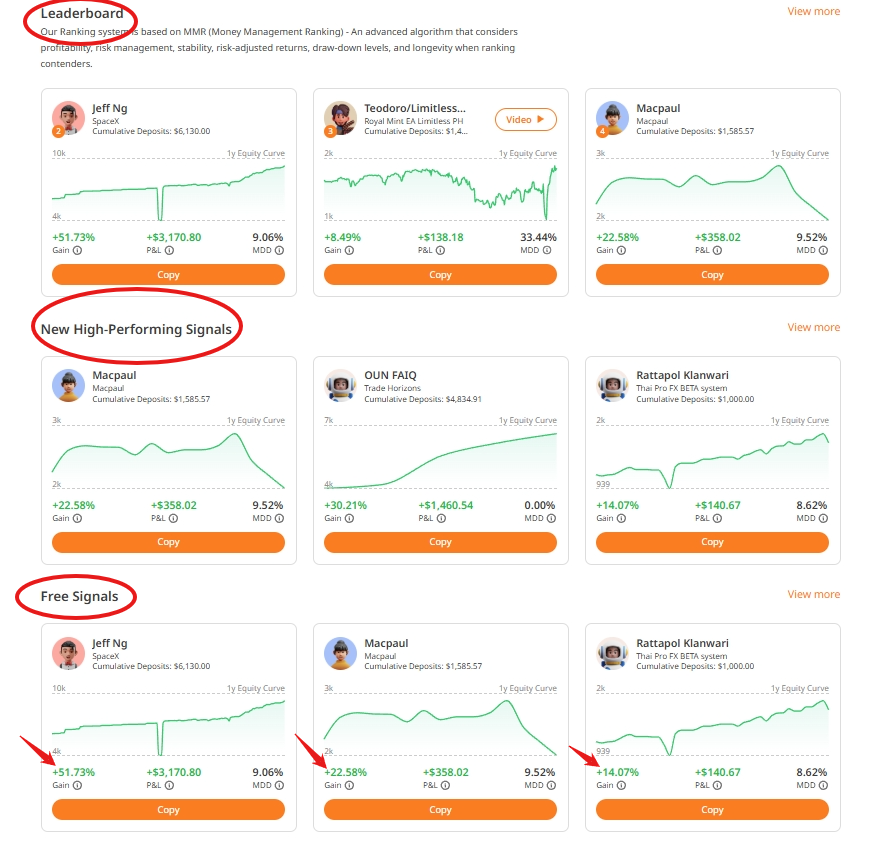
So, are all free signals bad? Not necessarily. The challenge lies in finding the gems among the gravel. This requires shifting focus from “free” to “value” and “trustworthiness.” Here’s how:
- Prioritize Regulated Platforms: This is paramount. Using signals within a copy trading ecosystem provided by a regulated broker like ACY Securities offers a layer of security. ACY powers TradingCup, a platform designed for copy trading. Regulation ensures oversight and certain standards are met.
- Look for Vetted, Battle-Tested Traders: Platforms like TradingCup often host trading competitions. Traders who perform well in these high-pressure, real-money environments have proven their skills. Following signal providers discovered through such contests means they’ve been battle-tested. These providers aren’t anonymous Telegram accounts; they have public, verifiable track records on the platform.
- Understand the Fee Structure: The High-Water Mark: Many reliable signal providers on platforms like TradingCup operate on a performance-fee basis, often with zero subscription cost. This means they still earn only if you earn. Crucially, this is typically calculated using the High-Water Mark (HWM) principle. The HWM ensures the provider only earns a percentage of new profits above the previous peak value of your investment. If they lose money, they must recover those losses before earning any performance fee again. This aligns their interests with yours – a stark contrast to subscription models where they get paid regardless of your results.
- Seek Transparency and Community: Look for providers who share their strategy’s logic (even broadly), historical performance (verified by the platform), and engage with their followers. ACY analysts, for example, often run free Telegram groups and webinars.
- Verify Track Records: Don’t trust screenshots. Look for performance data verified by the platform (like TradingCup or Myfxbook). Assess metrics like gain percentage, maximum drawdown (MDD), win rate, and trade frequency over a reasonable period (months, not just weeks).
Building a Robust and Educated Trading Strategy
Signals are tools, not magic wands. Integrating them into a broader, well-informed strategy is key to long-term success and smarter money protection.
- Fundamentals Matter: Never blindly follow a signal. It’s also important to understand the fundamentals behind any currency trade. Was there a major news release (like interest rate decisions, inflation data, employment numbers) influencing the trade? Understanding the why helps you assess the signal’s validity and potential longevity. Communicating with the signal provider (if possible on the platform) about the news context can also be insightful.
- Leverage Free Tools for Fundamental Analysis: You don’t need expensive subscriptions. If you have time, you can track these news events on free tools like the Finlogix Economic Calendar. Finlogix (an ACY sister company) provides real-time data on crucial economic releases, often faster than many other free calendars. Knowing when high-impact news is due helps you anticipate volatility and potentially avoid entering trades right before major market shifts.
- Tap into Expert Analysis: Don’t just rely on the signal provider. Wait for ACY analysts to break down significant news events or market trends. You can also join Telegrams of Analysts from ACY for free and join their weekly webinars to ask questions. This provides a second layer of professional insight to complement the signals you might be following.
- Compare and Grow: Then, if you want to become a signal provider then you can compare your own analysis to ACY analysts. This comparison helps refine your own strategies and understanding of the market before potentially offering signals yourself on platforms like TradingCup.
Case Study: Analyzing a Free Subscription Signal Provider on TradingCup
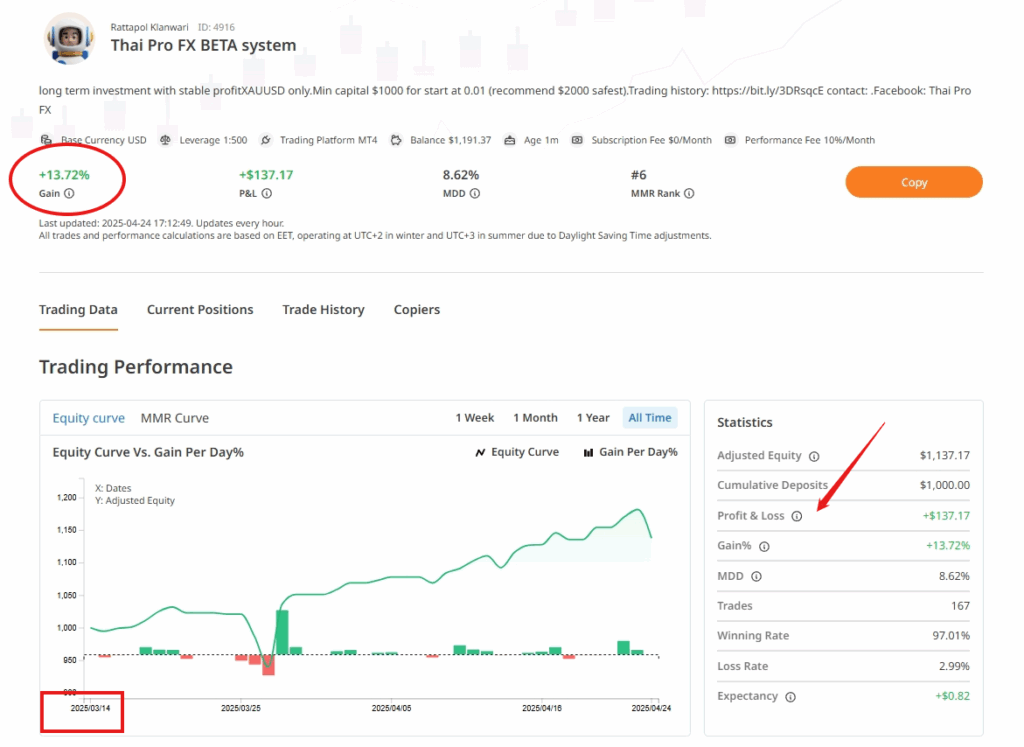
Let’s analyze the “Thai Pro FX BETA system” based on the provided screenshot, assuming it’s operating on a platform like TradingCup.
Provider & Strategy: Thai Pro FX BETA system aims for “long term investment with stable profit,” focusing exclusively on XAUUSD (Gold).
Platform: MT4 (Commonly used on ACY/TradingCup).
Costs & Incentives:
Subscription Fee: $0/Month (Truly free to follow).
Performance Fee: 10%/Month (Based on High-Water Mark principle). This aligns provider income with follower profit – they earn 10% of new profits each month.
Capital Requirements: Minimum $1000 (for 0.01 lot size), Recommended $2000 for safety. This suggests the strategy might involve some drawdown or multiple open positions.
Performance Metrics (Based on 1 Month History):
Gain: +15.05% (+$150.53 on a $1000 deposit). A strong return for one month.
Maximum Drawdown (MDD): 8.62%. This is the largest peak-to-trough decline in equity. An MDD below 10% is generally considered good, especially relative to the gain.
Trades: 167 trades in one month. This indicates a very high-frequency trading style (scalping or frequent intraday trades).
Win Rate: 97.01%. Extraordinarily high. While appealing, win rates this high can sometimes indicate risky strategies like martingale (doubling down on losses) or strategies that haven’t faced adverse conditions yet. Needs careful scrutiny over a longer period.
Expectancy: +$0.90 per trade. This means, on average, each trade is expected to yield $0.90. Positive expectancy is crucial.
Trading Style Analysis: The high frequency, very high win rate, focus on XAUUSD (a volatile asset), and small average profit per trade ($0.90 expectancy from $150 profit over 167 trades) strongly suggest a scalping strategy. Scalping aims for small, frequent profits.
Analysis & Projection:
Pros: Impressive short-term profitability, low drawdown (so far), free subscription with performance-based fees (good alignment). Operates within a potentially regulated environment (TradingCup/ACY).
Cons: Only 1 month of history is far too short to judge long-term stability. Extremely high win rates need longer verification to ensure they aren’t masking hidden risks. High-frequency scalping can be sensitive to slippage and spread changes. Focus on only Gold increases concentration risk.
Verdict: The Thai Pro FX BETA system shows promising initial results, particularly the low MDD relative to the gain and the fair performance fee structure. However, the 1-month track record is insufficient for definitive judgment. This is a provider worth monitoring closely on TradingCup or testing with strictly controlled risk capital (perhaps the minimum $1000 or even less if the platform allows). Do not assume past performance guarantees future results, especially with such a short history.
Conclusion:

The journey into free Forex signals begins with allure but should quickly transition to diligent evaluation and smart application. Free signals can be powerful tools for learning, testing, and even profitable trading, but only when sourced reliably and used intelligently.
Platforms like ACY’s TradingCup provide a regulated environment where battle-tested traders offer signals, often with free subscriptions and fair High-Water Mark performance fees, aligning their success with yours. By combining these vetted signals with your own understanding of fundamentals (aided by tools like Finlogix) and expert insights (from ACY analysts), you move beyond blind copying towards educated investing.
Remember the wisdom of trading legends: prioritize risk management, maintain discipline, and never stop learning. Treat free Forex signals not as a guaranteed path to riches, but as a potential component of a well-managed, diversified, and informed trading strategy. Protect your capital, make educated decisions, and trade smart.
Frequently Asked Questions (FAQ) about Free Forex Signals
Q1: Are free Forex signals reliable?
A: Reliability varies greatly. Many free signals found randomly online (especially on unregulated Telegram channels) are unreliable or scams. However, reliable free signals can be found on regulated copy trading platforms like ACY’s TradingCup, where providers are often vetted and have verifiable track records. Always do your due diligence.
Q2: Can I be profitable with Forex signals?
A: Yes, it’s possible to be profitable using Forex signals, both free and paid. Success depends on choosing a consistently profitable and reliable provider, proper risk management (position sizing, stop losses), understanding the strategy, and platform reliability. Profitability is not guaranteed.
Q3: Why do traders give free signals?
A: Reasons vary:
Performance Fees: On platforms like TradingCup, providers offer free subscriptions but earn a percentage of profits (via High-Water Mark) from their followers. Their goal is to attract capital they can manage profitably.
Upselling: Some offer basic free signals hoping to convert users to paid VIP services.
Broker Partnerships: Some get commissions from brokers for referring clients.
Building Reputation: New providers might offer free signals initially to build a track record and community.
Genuine Help: Some successful traders enjoy helping others succeed alongside them and use platforms like TradingCup to facilitate this.
Q4: Which Forex signal is most accurate?
A: No single signal provider is “most accurate” all the time. Accuracy (win rate) isn’t the only metric; risk management (drawdown) and profitability (gain%) are equally important. Look for providers with a consistently profitable track record verified over several months on a reputable platform, rather than just chasing the highest advertised win rate. High win rates can sometimes mask risky strategies (see Thai Pro FX case study).
Q5: What are free signals in Forex?
A: They are trade recommendations (buy/sell, entry, SL, TP) for Forex pairs or related instruments, provided at no upfront subscription cost. They can be generated by humans or algorithms and distributed via various channels.
Q6: Do professional traders use signals?
A: Some professional traders provide signals as a service or way to manage larger capital pools (via performance fees). Others might use signals from trusted sources as part of their analysis or idea generation, but rarely follow them blindly without their own confirmation. Many rely entirely on their own analysis.
Q7: How do I get accurate Forex signals?
A: Focus on finding reliable providers rather than just “accurate” ones. Use regulated copy trading platforms (e.g., ACY TradingCup), analyze long-term verified performance data (gain, MDD, win rate), understand the strategy, read reviews, and start small (demo or low capital) to test them yourself.
Q8: Is selling Forex signals legal?
A: Generally, yes, but regulations vary by country. Providers operating on regulated platforms usually comply with local requirements. However, making unrealistic promises (“guaranteed profits”) is often illegal and a red flag for scams. Always check the provider’s and platform’s regulatory status.
For more detailed insights on developing daily trading routines, risk management, and effective position sizing strategies, explore additional articles on Trading Cup. Our trading experts at ACY and FinLogix are also great resources to guide your journey towards trading excellence.

Discover Our Best Trading Signals
At Tradingcup, you can browse through a selection of signals and review past performance before you decide to copy.
Become A Signal Provider
Share your expertise and become a signal provider so other traders can copy your trades.
Stay tuned to our blog for more trader spotlights and leaderboard updates.
Trading involves risks.
Visit the Tradingcup blog through the link below for more updates: https://www.tradingcup.com/learnBest blogs top 8 code to use if needed.
Related Copy Trading blogs:
- Understanding Market Liquidations: Liquidity Sweeps and Runs Explained
- 7 Essential Daily Habits of Successful Traders to Outperform Their Peers
- 10 Strategies You Can Copy off Our Best Copy Traders
- 5 Strategies Every Trader Can Master To Trade Better In A Trading Contest
- 2025 Copy Trading Scams Exposed: How to Spot Fraud
- A Swing Trading Strategy with an 83 Percent Win Rate and Low Drawdowns
- Forex Martingale Strategies Explained, The Good, The Bad and The Ugly
- Pyramiding Trading Tutorial – Pros & Cons & How to Use It