Last Updated: April 11, 2025
This article is reviewed annually to reflect the latest market regulations and trends.
TL;DR – Takeaways for Aspiring Copy Traders
- Understand Performance Metrics: Before copying a trader, analyze their ROI, drawdown, and win rate to assess their trading performance.
- Simulate Before You Commit: Use demo accounts to test a trader’s strategy over a simulated 3-month period, factoring in potential profits and fees.
- Diversify Your Portfolio: Test at least three different traders to understand various trading styles and risk levels.
- Assess Risk Tolerance: Choose traders whose risk profiles align with your own, whether conservative or high-risk.
- Be Cautious with Cryptocurrencies: While potentially lucrative, crypto trading, especially with altcoins, carries higher risks and is more susceptible to scams.
Disclaimer: The information in this article is for educational purposes only and does not constitute financial, investment, or trading advice. Copy trading carries substantial risks, including the potential loss of your entire invested capital. Past performance of copied traders or strategies is not a reliable indicator of future results. You may be replicating high-risk trades, overleveraged positions, or strategies incompatible with your financial goals. Always conduct independent research into a trader’s historical performance, risk metrics, and strategy before copying them. Never invest funds you cannot afford to lose. Consult a licensed financial advisor to ensure copy trading aligns with your risk tolerance, financial objectives, and regulatory requirements in your jurisdiction. This article does not endorse specific traders, platforms, or strategies, and all trading decisions remain your sole responsibility.

“The goal of the investor should be to purchase a business, not rent a stock.” – Warren Buffett
When to Copy a Trader: A Strategic Guide to Smarter Social Investing
Copy trading has revolutionized the way individuals participate in financial markets. By allowing investors to replicate the trades of seasoned professionals, it offers a pathway to potential profits without the need for extensive market knowledge. However, knowing when and whom to copy is crucial for success. This guide aims to equip beginners with the knowledge to make informed decisions in the world of copy trading.
Evaluating Trader Performance Metrics
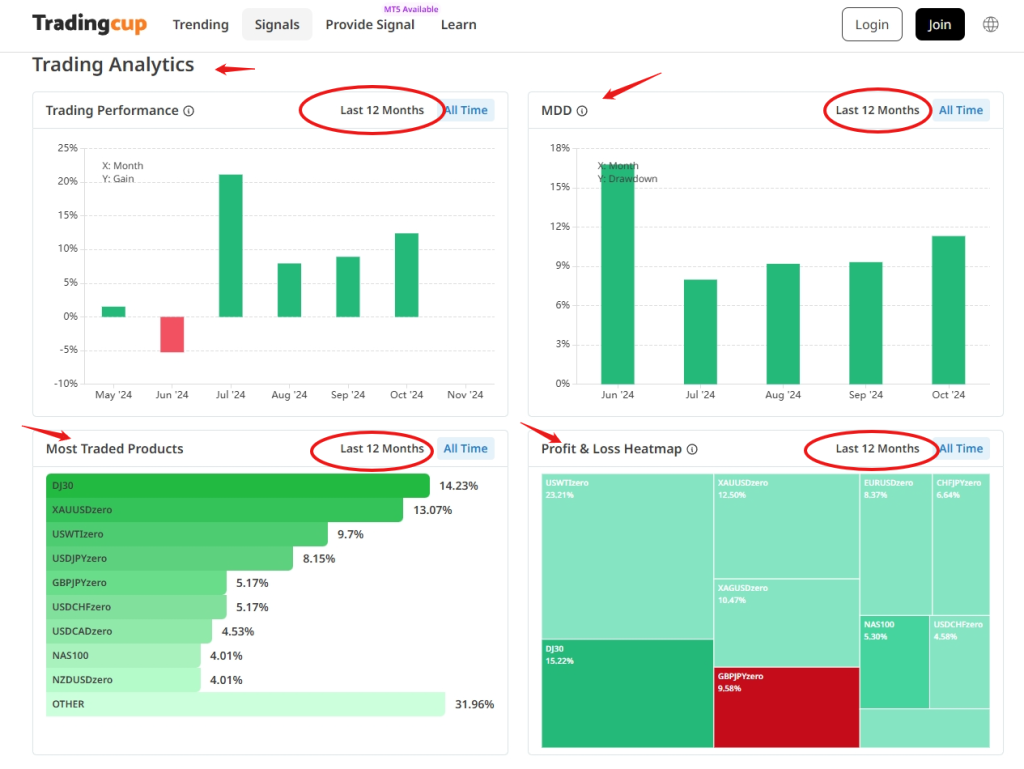
Before copying a trader, it’s essential to analyze their performance metrics:
- Return on Investment (ROI): Indicates the trader’s profitability over a specific period. A consistent ROI suggests a reliable trading strategy.
- Drawdown: Measures the decline from a peak in the trader’s account balance. Lower drawdowns indicate better risk management.
- Win Rate: Represents the percentage of profitable trades. A higher win rate can indicate a more successful trading strategy.
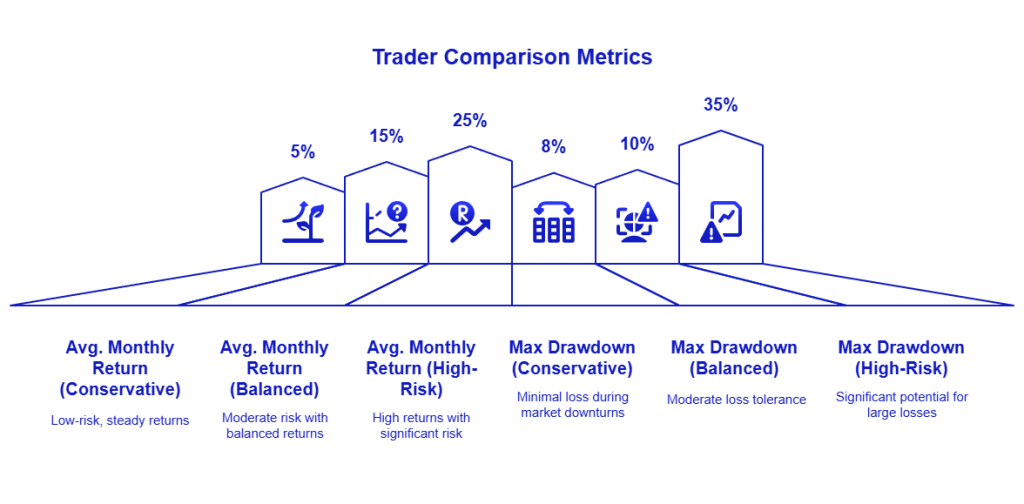
- Trading Style: Understanding whether a trader is conservative, aggressive, or balanced helps align their strategy with your risk tolerance.
Platforms like TradingCup provide detailed profiles of traders, showcasing these metrics to aid in your decision-making process.
Hypothetical Trader Comparison
Fees: The Silent Profit Killer
Hidden costs can erode returns. Always factor in:
- Performance Fees: 10–50% of your profits.
- Subscription Fees: $0–30–100/month for “premium” traders.
- Spread Markups: Brokers may widen spreads on copied trades.
Simulated 3-Month P&L (with Fees):
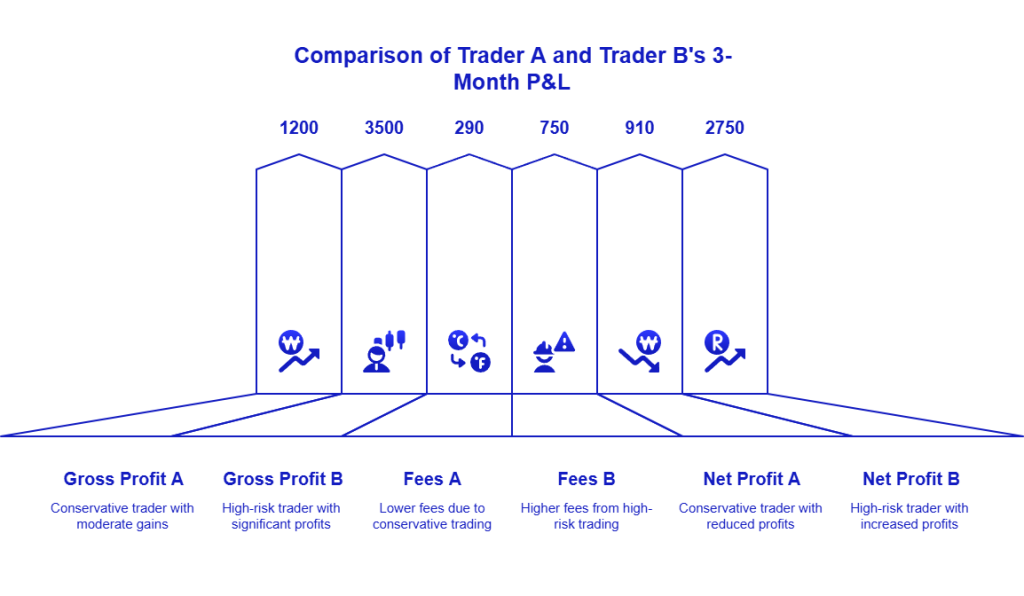
Takeaway: High returns often come with higher fees and volatility.
Demo Testing: Validate Strategies Risk-Free
Before investing real money:
- Test 3–5 Traders: Mix conservative, balanced, and aggressive styles.
- Simulate for 8–12 Weeks: Track performance during market shifts (e.g., Fed rate decisions, crypto crashes).
- Reddit Wisdom: A 2024 r/solana thread revealed 60% of “top crypto traders” collapsed in bear markets. Demo accounts help filter hype.
Risk Management: Align Strategies with Your Goals
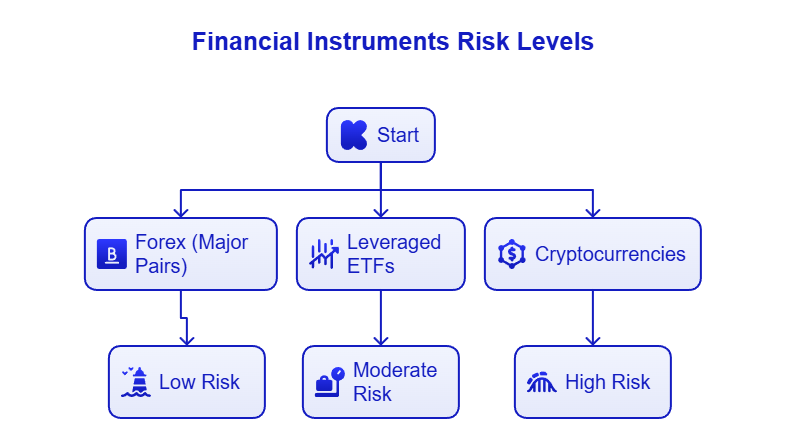
Different traders and instruments carry varying risk levels:
- High-Risk, High-Reward: Traders focusing on volatile markets like cryptocurrencies can offer significant returns but come with increased risk.
- Moderate Risk: Traders dealing with forex or commodities often present balanced risk-reward profiles.
- Low-Risk: Traders investing in stable markets or employing conservative strategies prioritize capital preservation.

Match Your Trading Style
Tradingcup now offers 3 specialized filters to help users find traders aligned with their goals:
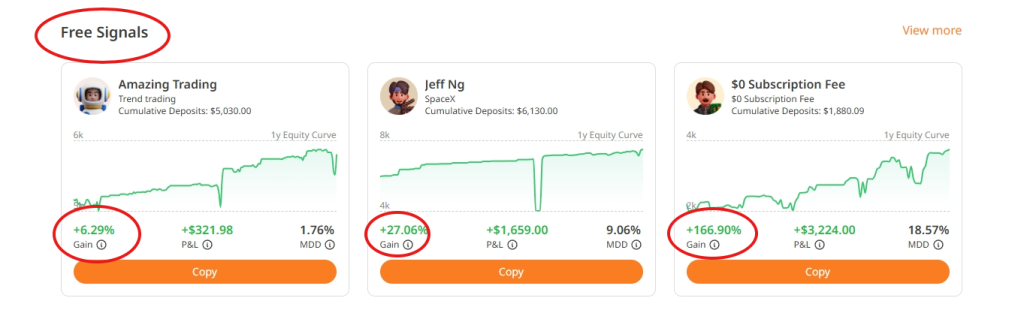
🔓 Free Signals: Copy Experts Without Subscription Fees
- What It Offers: Access top traders who share strategies at zero subscription fees.
- Why Choose This: Ideal for beginners testing copy trading or budget-conscious investors.
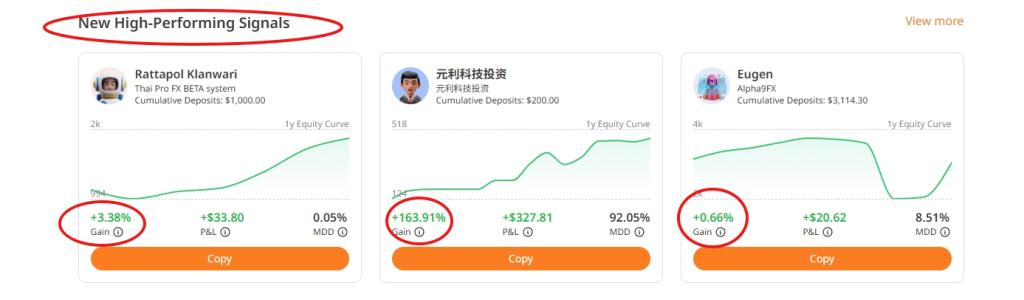
🚀 New High-Performing Signals: Ride Rising Stars
- What It Offers: Discover fast-rising traders with explosive growth potential.
- Why Choose This: For risk-tolerant traders seeking high-growth opportunities.
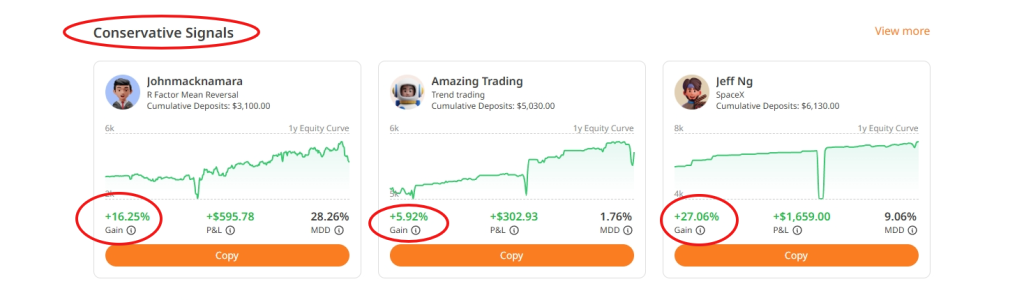
🛡️ Conservative Signals: Stability First
- What It Offers: Low-risk traders with minimal drawdowns and steady returns.
- Example: “Amazing Trading” employs a mean-reversion strategy, achieving +5.92% gains with a 1.76% max drawdown.
- Why Choose This: Ideal for long-term portfolios or risk-averse traders.

Avoiding Scams: The Crypto Caveat
Cryptocurrency copy trading is rife with fraud. Protect yourself:
- Verify Track Records: Cross-check claims on MyFXBook or TradingCup.
- Avoid “Guaranteed” Returns: Legitimate traders never promise fixed profits.
- Use Regulated Platforms: Stick to TradingCup, eToro, Axi, or LiteFinance for transparency.
Case Study: A Reddit user lost 80% in 2024 copying a “Bitcoin Trader” with falsified metrics.
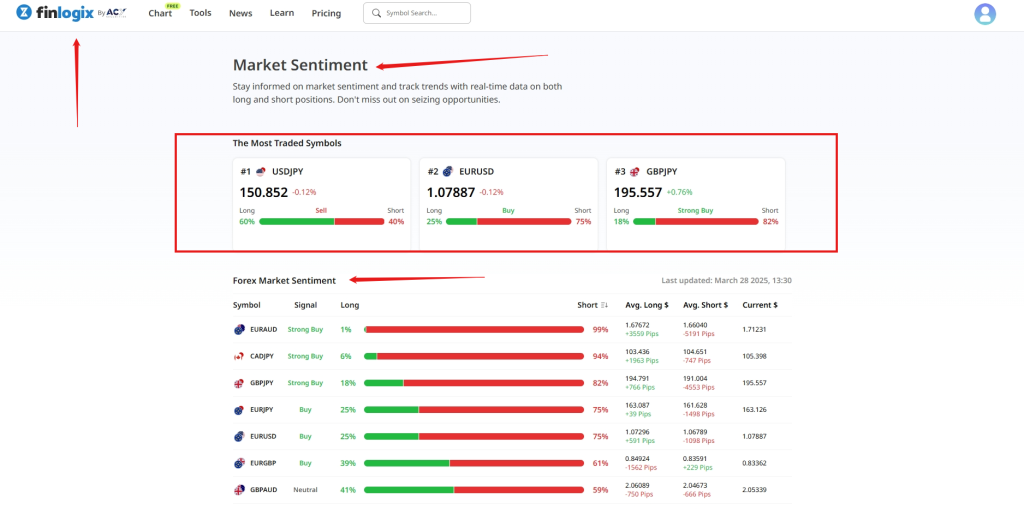
Market Sentiment: Time Your Moves
Adjust your strategy to broader trends:
- Bull Markets: Follow momentum traders capitalizing on rallies.
- Bear Markets: Switch to contrarians buying undervalued assets.
- Tools: Fear & Greed Index or Finlogix’s sentiment analysis for timing entries.
Final Checklist Before Copying
✅ Verified 12+ month track record.
✅ Fees calculated against net profits.
✅ 2–3 months of demo testing.
✅ Portfolio diversified across assets/strategies.
✅ Alignment with current market conditions.
✅ Never invest more than you can afford to lose.
Conclusion
Copy trading can be a powerful tool for passive investors, but it demands discipline. By focusing on risk-aware strategies, rigorous testing, and diversification, you can turn social investing into a sustainable wealth-building strategy. Stay skeptical, stay informed, and let data—not hype—guide your decisions.
FAQ:
Q1: Is copy trading a good strategy?
Yes, copy trading is a proven strategy for both beginners and experienced investors. Platforms like TradingCup simplify the process by connecting you with vetted traders, allowing you to leverage their expertise while learning market dynamics. It’s ideal for passive income, portfolio diversification, and minimizing emotional decision-making.
Q2: What happens when you copy a trader?
When you copy a trader, every trade they execute is automatically replicated in your account in real-time. TradingCup ensures transparency by providing performance metrics like ROI, drawdown, and win rates, so you can track results and adjust your strategy seamlessly.
Q3: How do I choose a trader to copy?
Focus on traders with:
- Consistent 12+ month track records (avoid short-term “hot streaks”).
- Low drawdowns (<20%) and balanced risk-reward ratios.
- Diversified portfolios (forex, ETFs, commodities).
TradingCup ranks traders using these criteria, making selection effortless.
Q4: Is copy trading profitable?
Yes, when done strategically. TradingCup’s top-performing traders average 10–25% annual returns, outperforming traditional investments like index funds. Demo-test strategies first to align with your risk tolerance.
Q5: Which trading strategy is most successful?
Conservative strategies with 5–10% monthly returns and tight risk management often outperform high-risk approaches long-term. TradingCup highlights traders who prioritize capital preservation, such as those trading forex or ETFs.
Q6: What is the downside of copy trading?
Risks include fees, market volatility, and reliance on trader performance. However, TradingCup mitigates these by:
- Offering fee-transparent profiles.
- Providing verified track records.
- Enabling demo testing to gauge compatibility.
Q7: How to copy trade like a pro?
- Diversify: Copy 3–5 traders across asset classes.
- Demo-test: Use TradingCup’s risk-free simulation for 8+ weeks.
- Monitor: Adjust allocations based on market trends (e.g., shift to conservative traders during bear markets).
Q8: How do you detect copy trading?
Platforms like TradingCup flag suspicious activity, such as unrealistic returns or inconsistent trade histories.
Q9: Is copy trading a risk?
All investing carries risk, but TradingCup reduces exposure by:
- Banning unverified traders.
- Offering low-risk portfolios (5–8% drawdowns).
- Providing real-time alerts for sudden strategy changes.
Q10: Who should I copy/trade?
Prioritize TradingCup’s “Leaderboard”—those with:
- 12+ months of stable returns.
- MMR evaluated.
- High community ratings and transparency.
Q11: How much money do I need to start copy trading?
You can start with as little as $250 on TradingCup.
Q12: What is the formula for copy trading?
Success = (Verified Trader + Demo Testing) – Emotional Bias.
Use TradingCup’s trading performance metrics to calculate profit potential after fees and align strategies with your goals.
Q13: Why Choose TradingCup?
- Regulated & Secure: Prioritizes user safety and compliance.
- Data-Driven Rankings: Objective metrics over hype.
For more detailed insights on developing daily trading routines, risk management, and effective position sizing strategies, explore additional articles on Trading Cup. Our trading experts at ACY and FinLogix are also great resources to guide your journey towards trading excellence.

Discover Our Best Trading Signals
At Tradingcup, you can browse through a selection of signals and review past performance before you decide to copy.
Become A Signal Provider
Share your expertise and become a signal provider so other traders can copy your trades.
Stay tuned to our blog for more trader spotlights and leaderboard updates.
Trading involves risks.
Visit the Tradingcup blog through the link below for more updates: https://www.tradingcup.com/learnBest blogs top 8 code to use if needed.
Related Copy Trading blogs:
- Understanding Market Liquidations: Liquidity Sweeps and Runs Explained
- 7 Essential Daily Habits of Successful Traders to Outperform Their Peers
- 10 Strategies You Can Copy off Our Best Copy Traders
- 5 Strategies Every Trader Can Master To Trade Better In A Trading Contest
- 2025 Copy Trading Scams Exposed: How to Spot Fraud
- A Swing Trading Strategy with an 83 Percent Win Rate and Low Drawdowns
- Forex Martingale Strategies Explained, The Good, The Bad and The Ugly
- Pyramiding Trading Tutorial – Pros & Cons & How to Use It