
Last Updated: March 28, 2025
This article is reviewed annually to reflect the latest market regulations and trends.

📌 TL;DR:
- Tradingcup’s Money Management Ranking (MMR) uses 7 metrics to rank best traders, prioritizing risk-adjusted returns over raw profits.
- AI tools like ChatGPT enhance Top Traders by optimizing risk management and strategic backtesting.
- User insights stress diversification and transparency focus on traders with balanced metrics, not hype.
“The most important rule of trading isn’t chasing gains, it’s playing great defense. AI and systems like MMR turn defense into a science.”
— Inspired by Paul Tudor Jones’ emphasis on risk management.
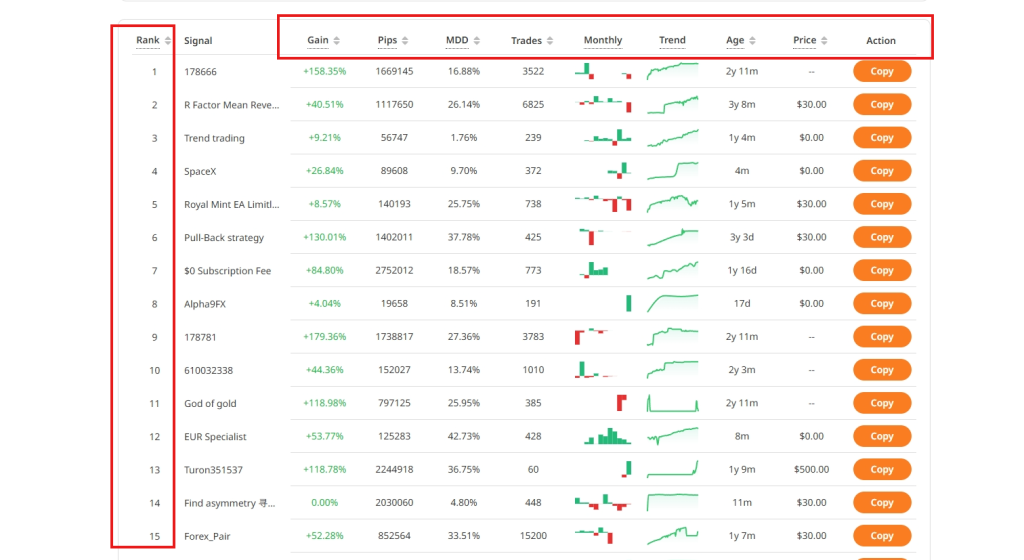
How the MMR System Works: Breaking Down the 7 Metrics
Tradingcup’s MMR evaluates traders holistically, ensuring only those with consistent, risk-aware strategies rise to the top. Here’s how each metric works:
1. Winning Percentage
- What It Measures: % of profitable trades.
- MMR Weighting: Moderate (avoids overvaluing luck-driven streaks).
- Pro Tip: Aim for traders with >60% win rates and low volatility (standard deviation <15%).
2. Profit vs. Loss Ratio
- What It Measures: Risk efficiency (e.g., gaining 2 for every 1 risked).
- MMR Weighting: High. Prioritize traders with ratios >1.5.
3. Total Return
- What It Measures: Overall profitability over a period.
- MMR Benchmark: Compared against the platform average to filter outliers.
4. Maximum Drawdown
- What It Measures: Worst historical loss (peak-to-trough).
- MMR Red Flag: Traders exceeding 20% drawdown are penalized.
5. Sharpe Ratio
- What It Measures: Risk-adjusted returns (reward per unit of volatility).
- MMR Sweet Spot: Top traders maintain ratios >1.5.
6. Calmar Ratio
- What It Measures: Returns relative to max drawdown (favors crash-resistant strategies).
- Why It Matters: A ratio >3 signals strong recovery from losses.
7. Standard Deviation
- What It Measures: Performance stability.
- MMR Priority: Low volatility = higher rankings (e.g., deviation <10%).
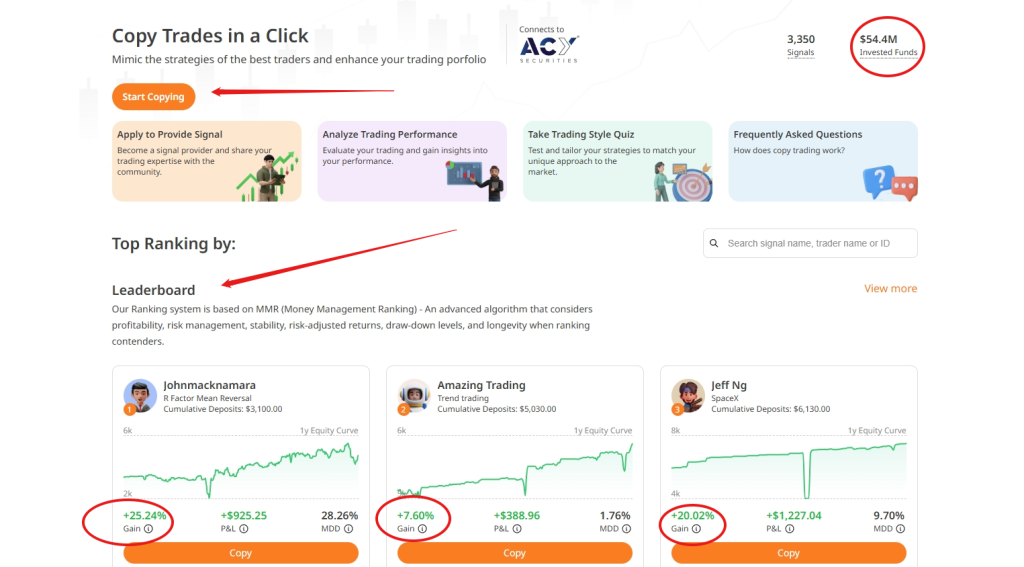
How to Find Top MMR-Ranked Traders on Tradingcup
- Filter by “Leaderboard”: These traders use tools like ChatGPT to enhance Sharpe and Calmar Ratios.
- Avoid Red Flags: Exclude traders with >20% drawdown or Profit vs. Loss <1.
- Prioritize Balance: Look for win rate >60% + Sharpe >1.5 + drawdown <15%.
Common Question: “How do I choose who to copy trade?”
Follow traders who excel in at least 5/7 MMR metrics, not just total returns, or follow and observe the top 10 on our leaderboard.
“Why gamble on unverified traders? Copy MMR-verified experts with proven risk management.”

Match Your Trading Style
Tradingcup now offers 3 specialized filters to help users find traders aligned with their goals:
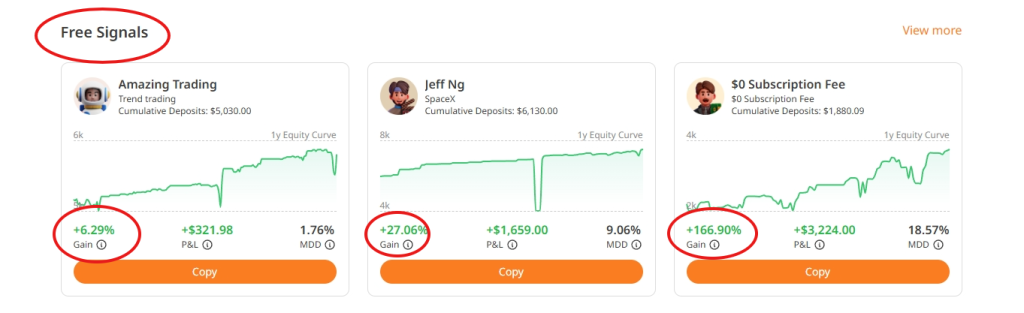
🔓 Free Signals: Copy Experts Without Subscription Fees
- What It Offers: Access top traders who share strategies at zero subscription fees.
- Why Choose This: Ideal for beginners testing copy trading or budget-conscious investors.
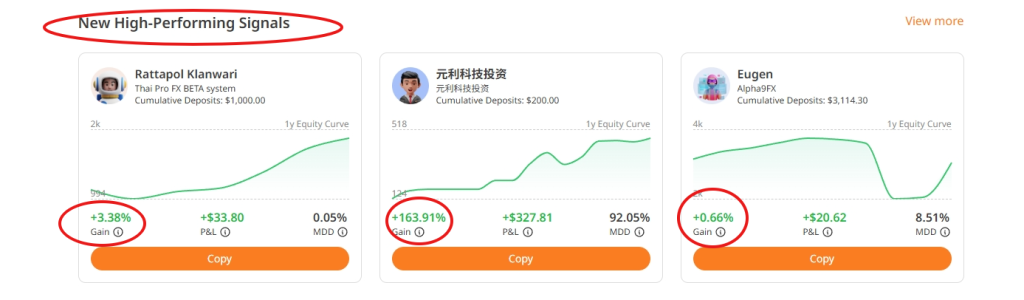
🚀 New High-Performing Signals: Ride Rising Stars
- What It Offers: Discover fast-rising traders with explosive growth potential.
- Why Choose This: For risk-tolerant traders seeking high-growth opportunities.
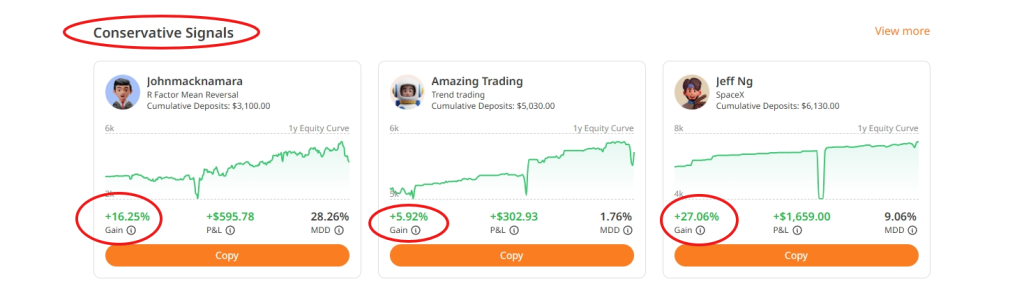
🛡️ Conservative Signals: Stability First
- What It Offers: Low-risk traders with minimal drawdowns and steady returns.
- Example: “Amazing Trading” employs a mean-reversion strategy, achieving +5.92% gains with a 1.76% max drawdown.
- Why Choose This: Perfect for long-term portfolios or risk-averse investors.
How AI is Empowering Traders
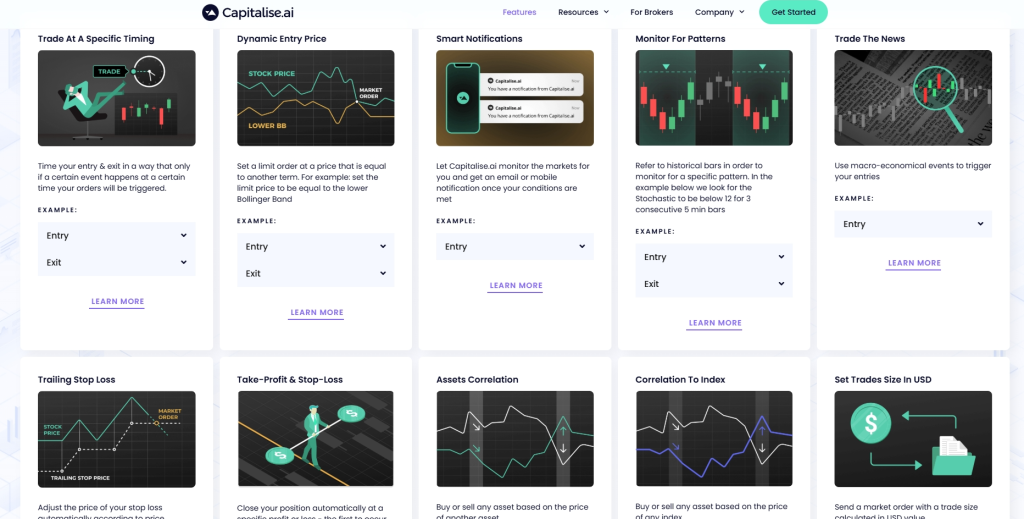
In 2025, AI tools like Capitalise are no longer optional; they’re essential for traders aiming to rank highly on MMR.
Here’s how pros use them:
- Risk Mitigation: AI predicts drawdown risks using historical crises.
- Strategy Optimization: Backtest strategies against 20+ years of data to improve Profit vs. Loss Ratios.
- Sentiment Analysis: Scans news for events that could spike volatility, adjusting trades to protect Sharpe Ratios.
Disclaimer: The information in this article is for educational purposes only and does not constitute financial, investment, or trading advice. Copy trading carries substantial risks, including the potential loss of your entire invested capital. Past performance of copied traders or strategies is not a reliable indicator of future results. You may be replicating high-risk trades, overleveraged positions, or strategies incompatible with your financial goals. Always conduct independent research into a trader’s historical performance, risk metrics, and strategy before copying them. Never invest funds you cannot afford to lose. Consult a licensed financial advisor to ensure copy trading aligns with your risk tolerance, financial objectives, and regulatory requirements in your jurisdiction. This article does not endorse specific traders, platforms, or strategies, and all trading decisions remain your sole responsibility.
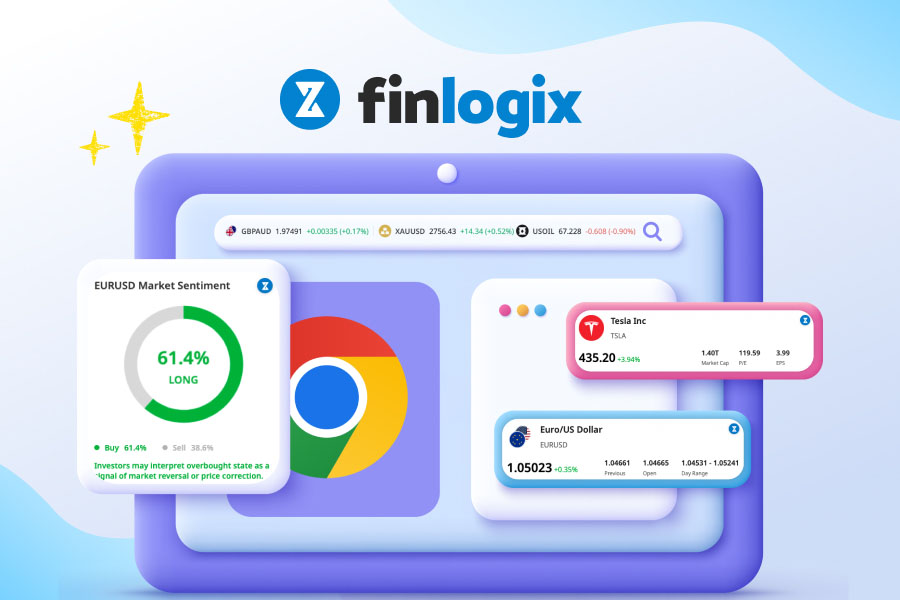
Free Real-Time Market Sentiment Tool
Scrutinize Performance Histories and Strategies
Certainly! I’ve explored copy trading and started following Signal Providers when I was quite new to forex. Initially, it felt like an easy way to make profits, but I quickly learned that not all signals are reliable. One frustrating experience was copying a provider who seemed consistent but ended up losing significantly during volatile market periods. This setback taught me to scrutinize performance histories and understand their trading strategies before committing.
Over time, I shifted my approach, focusing on diversifying between multiple reliable providers and setting stop-loss limits for added safety. I also began investing time in learning the basics of forex trading to better analyze market trends myself. This combination has significantly improved my results and reduced dependency on single providers. Remember, copy trading can work well, but only with careful planning and risk management.
Ace Zhuo, CEO | Sales and Marketing, Tech & Finance Expert, TradingFXVPS
Blend Personal Analysis with Curated Signals
I have experimented with copying from signal providers, and while there have been some promising results, I have also encountered challenges. For example, I once followed a provider whose historical returns looked impressive, but their strategy did not hold up during sudden market shifts–resulting in unexpected losses. This experience underscored the risks of relying solely on third-party signals without a solid personal understanding of market dynamics.
Since then, I have changed my approach by blending my own analysis with curated signals, ensuring robust risk management measures are in place. I now diversify across several providers, monitor their performance closely, and adjust my exposure based on ongoing market conditions. This hybrid strategy not only helps mitigate risk but also builds a deeper understanding of the trading environment, leading to more informed and resilient trading decisions.
Shehar Yar, CEO, Software House

FAQ Section
How Do I Choose Who to Copy Trade?
A: Use Tradingcup’s filters:
- Free Signals: Test strategies risk-free
- Conservative Signals: Prioritize low drawdowns
- New High-Performers: For growth seekers
Pro Tip: Cross-check traders’ Sharpe Ratio (>1.5) and Calmar Ratio (>2) for stability.
What is the Best Copy Trading Strategy?
A: Blend strategies based on risk tolerance:
- Aggressive: Follow high-performing traders.
- Balanced: Mix Conservative and Free Signals.
- Safe: Stick to low-volatility traders.
How Much Money Do I Need to Start?
A: Start with $250 on Tradingcup. For example:
- Copy Free Signals to test your strategies at first.
- Scale gradually using low-risk filters like Conservative Signals.
Is Copy Trading Good for Beginners?
A: Yes! Start with Free Signals or Conservative traders (e.g., Johnmacknamara) to learn without high risk. Avoid high drawdowns (>20%) and prioritize transparency.
What is the Copycat Strategy?
A: It’s mirroring expert trades without active management.
On Tradingcup:
- Use New High-Performers for short-term gains.
- Combine with Conservative Signals for long-term stability.
Is Copy Trading Taxable?
A: Yes. Profits are taxable income.
Which Platform is Best for Trading?
A: Tradingcup leads in 2025 due to:
- MMR rankings (metrics like Sharpe Ratio).
- Diverse filters (Free, Conservative, High-Performers).
- Proven traders (e.g., past competition winners).
What is the Problem with Copy Trading?
A: Overreliance on underperforming traders.
Fix this by:
- Diversifying across 3-5 traders (e.g., mix Free and Conservative Signals).
- Monitoring MDD (avoid >20%) and Profit vs. Loss Ratios (<1.5).
Do Copy Traders Get Paid?
A: Yes. Traders earn via profit-sharing and subscription fees.
How to Begin Copy Trading?
A: Follow this roadmap:
- Start with Free Signals.
- Graduate to Conservative Signals.
- Allocate 10-20% to New High-Performers.
For more detailed insights on developing daily trading routines, risk management, and effective position sizing strategies, explore additional articles on Trading Cup. Our trading experts at ACY and FinLogix are also great resources to guide your journey towards trading excellence.

Discover Our Best Trading Signals
At Tradingcup, you can browse through a selection of signals and review past performance before you decide to copy.
Become A Signal Provider
Share your expertise and become a signal provider so other traders can copy your trades.
Stay tuned to our blog for more trader spotlights and leaderboard updates.
Trading involves risks.
Visit the Tradingcup blog through the link below for more updates: https://www.tradingcup.com/learn
For further reading, visit acy.com