Stop chasing high returns. Learn how to choose a winning copy trading strategy on Tradingcup by focusing on risk management and drawdown for 2026.
Last Updated: March 03, 2026
This article is reviewed annually to reflect the latest market regulations and trends
TL;DR:
Many people fail at copy trading because they only look at high profits. To protect your forex trading budget, you must focus on risk management and picking a strategy that fits your style, all of these are visible on Tradingcup. Historical data shows that staying safe and controlling losses is the only way to win in the long run.
Disclaimer: The information in this article is for educational purposes only and does not constitute financial, investment, or trading advice. Copy trading carries substantial risks, including the potential loss of your entire invested capital. Past performance of copied traders or strategies is not a reliable indicator of future results. You may be replicating high-risk trades, overleveraged positions, or strategies incompatible with your financial goals. Always conduct independent research into a trader’s historical performance, risk metrics, and strategy before copying them. Never invest funds you cannot afford to lose. Consult a licensed financial advisor to ensure copy trading aligns with your risk tolerance, financial objectives, and regulatory requirements in your jurisdiction. This article does not endorse specific traders, platforms, or strategies, and all trading decisions remain your sole responsibility.
Can You Really Win at Copy Trading by Picking High Returns On Tradingcup?
Do You Understand Your Own Trading Style First?

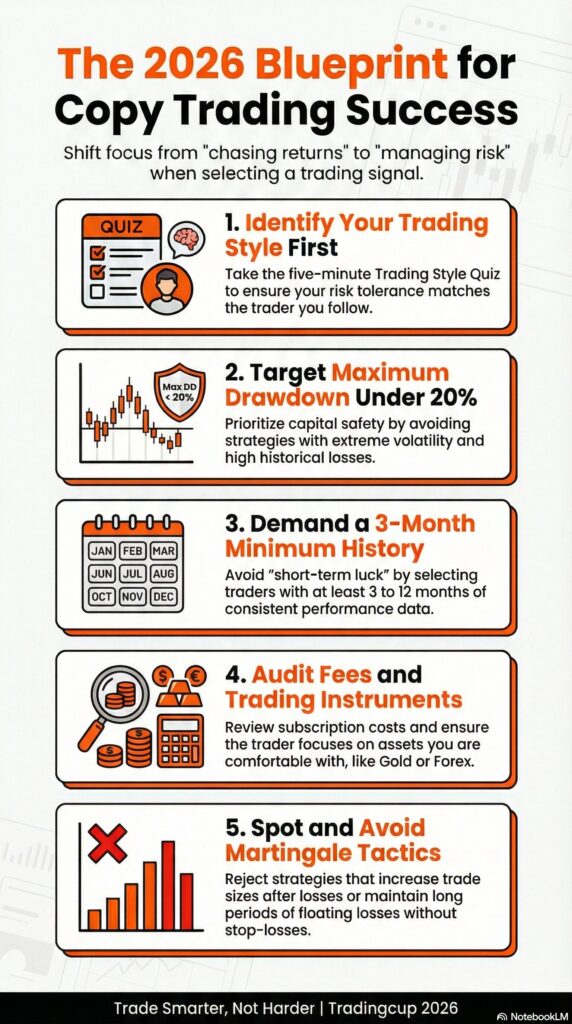
Before you follow a trader, you must start by understanding yourself. Tradingcup has a Trading Style Quiz that takes only five minutes to finish. Many investors skip this step, but it is critical to your success. If you have low risk tolerance but follow an aggressive trader, you might not survive the price moves along the way. You must define how much risk you can realistically handle before you select a strategy.
Why Is Maximum Drawdown the Most Important Rule?
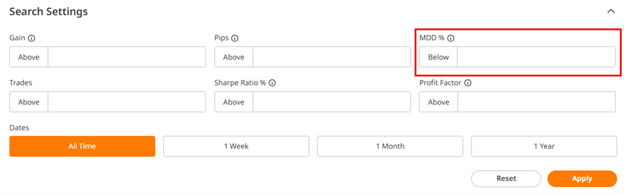
No matter how you trade, always check Maximum Drawdown (MDD) first. This measures the biggest drop in account value from a peak to a trough over a certain time. It is more important than total profit because it affects your psychological stability and capital safety.
A Practical Filter:
- Maximum Drawdown < 20%: This means the strategy’s capital declined by no more than 20% during its worst time.
- Avoid High MDD: If a strategy makes 200% but loses 60% at once, it likely has extreme volatility that most investors cannot endure. Remember that survival comes first and profits come later.
Does the Strategy Have a Long Trading History?
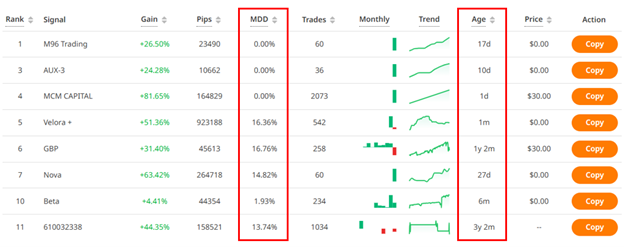
Even if the drawdown is below 20%, do not follow the trader right away. You must also see how long the strategy has been trading. If a strategy has only been active for two weeks or one month, the good results might just reflect short-term luck.
Suggested Standards:
- At least 3 months of trading history.
- Ideally 6 months to 1 year.
- A long track record lets you see how a trader handles different market environments, like trending markets or unexpected events. Consistency matters more than short-term explosive returns.
How Do You Review Detailed Strategy Data?
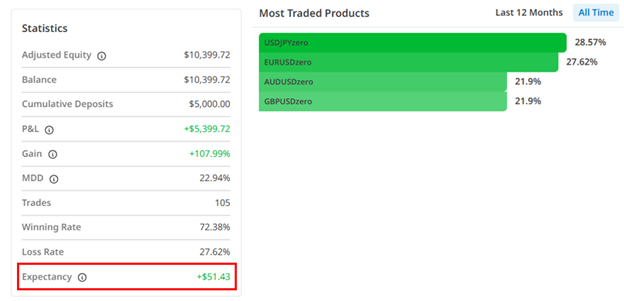
Once a strategy passes your first filters, you should click into the detailed strategy page. Do not focus solely on total returns. Instead, you should check:
- Expectancy: Review the mathematical expectation of the strategy.
- Main Instruments: See if the trader focuses on Gold, Forex, or Indices. If you do not like the volatility of Gold, you should not follow a trader who trades XAUUSD.
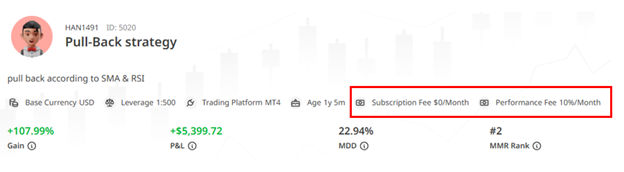
- Fee Structure: Check for subscription fees and performance fees. Even an excellent strategy can see its long-term returns reduced if costs are too high.
Are You Checking for High-Risk Martingale Tactics?
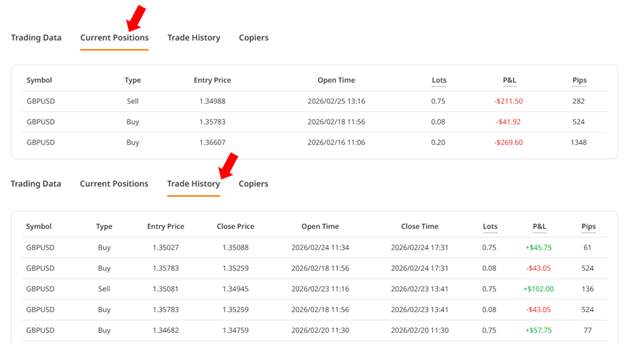
The final advanced step is to check the current positions and historical trade records. You want to see if the strategy uses high-risk moves like a Martingale strategy. These systems often show high win rates but can cause massive losses during bad market times.
Warning Signs to Watch For:
- Trade sizes that get much larger after consecutive losses.
- Long periods of floating losses without using a stop-loss.
- Individual trades that take a risk much higher than the average trade. If you see these patterns, you should proceed with caution.
Conclusion: Is Choosing the Right Strategy Better Than Chasing Returns?
The 2026 market has a lot of changes from AI and global policy. When you pick signals on Tradingcup, the goal is not to follow the one with the most money. Instead, you should understand your style, control your drawdown, and review the history carefully.
Copy trading is not about just handing over your money. It is about choosing a trading logic that you can stick with over the long term. When you put risk management first, returns naturally become the outcome.
Bonus Guide
What Makes an Effective Trading Portfolio?
- Diversification: Spread funds across various asset types (e.g., stocks, bonds, real estate, cash, precious metals) and industries/regions to reduce exposure to single-market volatility.
- Asset Allocation: Tailor allocations based on your risk tolerance, goals, and time horizon. Conservative portfolios emphasize fixed income, while aggressive ones lean into equities.
- Risk-Reward Balance: Each asset has different risk/return profiles. Ensure your portfolio avoids excessive exposure to high-risk or low-return assets.
- Low Correlation: Combine assets with correlations below 0.3 to enhance stability and provide a cushioning effect during market swings.
- Dynamic Rebalancing: Review and adjust your portfolio regularly as markets or personal goals change to stay aligned with your risk-return expectations.
- Clear Objectives: Define your financial goals (retirement, housing, education) before designing your strategy and time horizon.
- Discipline & Logic: Stick to your trading plan without emotional decision-making. Regularly reassess assumptions and market conditions.
(Disclaimer: This article is for informational and educational purposes only. It should not be considered financial advice. Always conduct your own research and consult with a qualified financial advisor before making any trading decisions.
For more detailed insights on developing daily trading routines, risk management, and effective position sizing strategies, explore additional articles on Trading Cup. Our trading experts at ACY and FinLogix are also great resources to guide your journey towards trading excellence.

Discover Our Best Trading Signals
At Tradingcup, you can browse through a selection of signals and review past performance before you decide to copy.
Become A Signal Provider
Share your expertise and become a signal provider so other traders can copy your trades.
Stay tuned to our blog for more trader spotlights and leaderboard updates.
Trading involves risks.
Visit the Tradingcup blog through the link below for more updates: https://www.tradingcup.com/learn
Related Copy Trading blogs:
- Understanding Market Liquidations: Liquidity Sweeps and Runs Explained
- 7 Essential Daily Habits of Successful Traders to Outperform Their Peers
- 10 Strategies You Can Copy off Our Best Copy Traders
- 5 Strategies Every Trader Can Master To Trade Better In A Trading Contest
- 2025 Copy Trading Scams Exposed: How to Spot Fraud
- A Swing Trading Strategy with an 83 Percent Win Rate and Low Drawdowns
- Forex Martingale Strategies Explained, The Good, The Bad and The Ugly
- Pyramiding Trading Tutorial – Pros & Cons & How to Use It
