
Last Updated: July 03, 2025
This article is reviewed annually to reflect the latest market regulations and trends.

Disclaimer: The information in this article is for educational purposes only and does not constitute financial, investment, or trading advice. Copy trading carries substantial risks, including the potential loss of your entire invested capital. Past performance of copied traders or strategies is not a reliable indicator of future results. You may be replicating high-risk trades, overleveraged positions, or strategies incompatible with your financial goals. Always conduct independent research into a trader’s historical performance, risk metrics, and strategy before copying them. Never invest funds you cannot afford to lose. Consult a licensed financial advisor to ensure copy trading aligns with your risk tolerance, financial objectives, and regulatory requirements in your jurisdiction. This article does not endorse specific traders, platforms, or strategies, and all trading decisions remain your sole responsibility.
TL;DR: (Too Long, Didn’t Read)
- If you want your trading gains to fly, you must learn to diversify.
- Don’t be fooled by a short-term rise; a trader’s full stats you must analyze.
- Control your feelings, trade with a plan, to be a smart and successful fan.
- Check the fees and the spread you pay, so hidden costs don’t ruin your day.
- Stick to the rules and trust the process, to build your wealth and avoid losses.
“Wealth is the slave of a wise man. The master of a fool.” – Seneca
7 Golden Rules to Master Your Forex Journey with Copy Trading
You’re juggling a busy life, work, family, and a thousand other commitments. You’re ambitious and want to grow your wealth, so you’ve started looking into investing. You discovered the world of Forex trading, a market brimming with opportunity. But you quickly realized it’s a universe of complex charts, technical jargon, and steep learning curves.
Then, you found a beacon of hope: copy trading.
The concept is simple and brilliant: automatically copy the trades of experienced, successful traders. It sounds like the perfect solution, a way to participate in the market without dedicating years to learning its intricacies. But before you dive in, you have to ask the most important question: What are the rules you absolutely must follow to protect your capital and succeed?
This is where so many aspiring traders stumble. They jump in, driven by excitement, only to make predictable mistakes. But that won’t be you. This guide provides the 7 Golden Rules of Copy Trading, a comprehensive framework built on research, psychological insights, and proven strategies. Follow these rules, and you’ll trade not with hope, but with a plan.
First, What Exactly Are Forex Signals and Copy Trading?
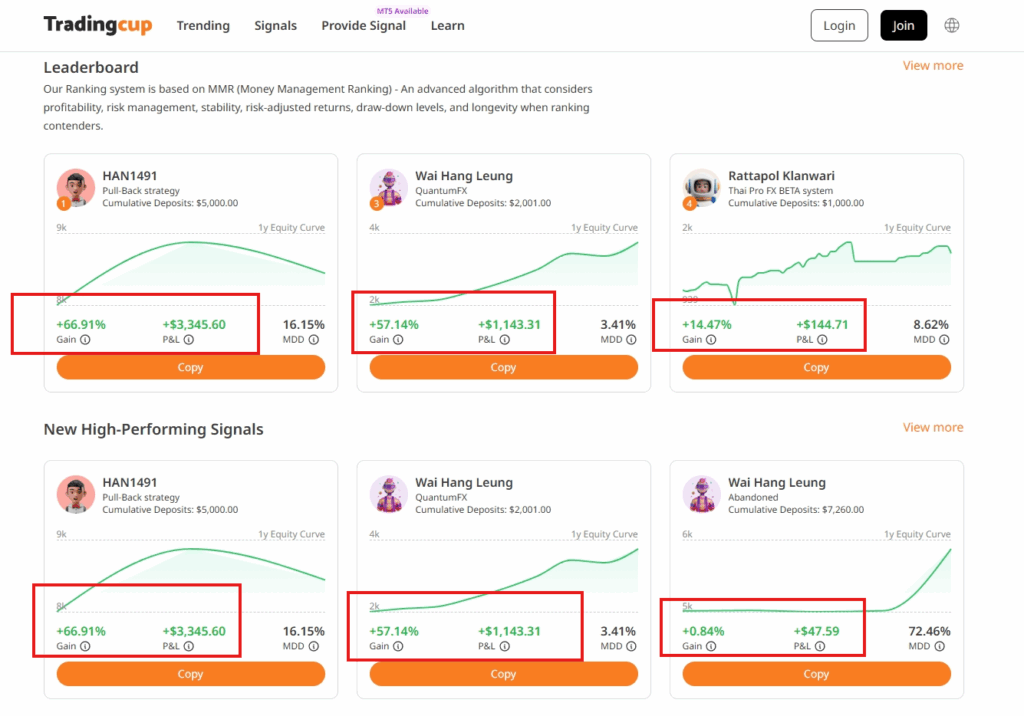
Before we lay down the rules, let’s clarify two terms you’ll see often. While they sound similar, they operate very differently.
- Forex Signals: Think of these as trading tips or suggestions. A provider, either a human analyst or an algorithm, sends you alerts with details for a potential trade (e.g., “Buy EUR/USD at 1.0850, Stop-Loss at 1.0820, Take-Profit at 1.0900″). It’s up to you to manually enter and manage that trade. You are still in full control, but you’re acting on external advice.
- Copy Trading: This is a fully automated process. You choose an experienced trader on a platform, and a portion of your capital is linked to their account. When they execute a trade, the exact same trade is automatically executed in your account in real-time, proportional to the funds you’ve allocated. It’s a “hands-off” way to mirror an expert’s strategy.
So, Is Copy Trading Really Perfect for Beginners?
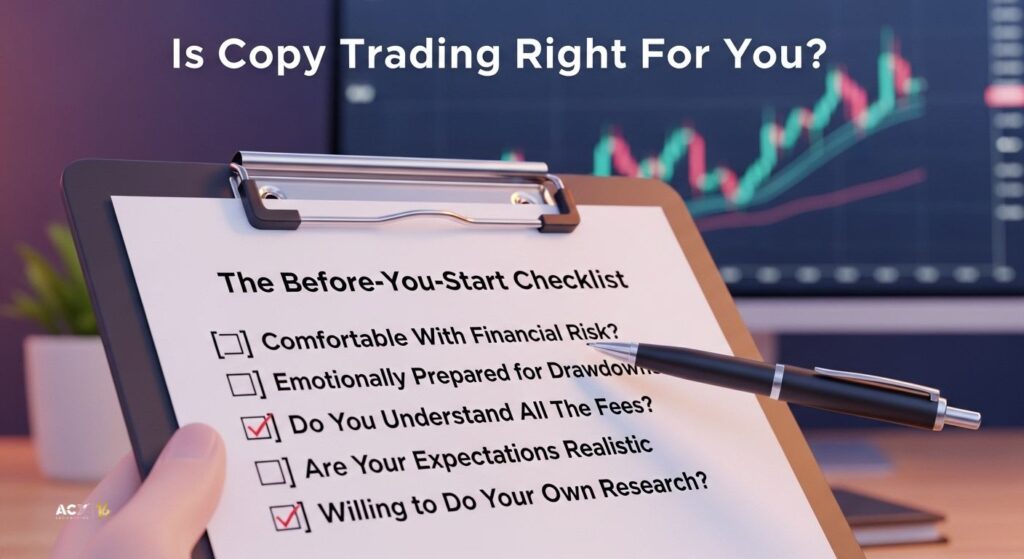
Copy trading isn’t for everyone. Before you jump in, consider this checklist:
- Are you comfortable with risk? All trading involves risk, and past performance is not indicative of future results. Even the best traders have losing streaks.
- Do you have capital you can afford to lose? Never invest money you can’t afford to part with.
- Are you looking for a passive investment? While copy trading is less hands-on, it still requires initial research and ongoing monitoring.
- Do you understand the fee structures? Subscription fees and performance fees can eat into profits.
- Are you patient? Quick riches are rare. Successful trading, even copying, often requires a long-term perspective.
- Are you willing to do your due diligence? Selecting a trader requires careful analysis of their history, strategy, and risk management.
- Do you have realistic expectations? Don’t expect to double your money overnight.
- Are you emotionally prepared for drawdowns? Seeing your account balance dip, even temporarily, can be stressful. Maximum Drawdown (MDD) is a key metric to understand.
If you’ve nodded along to these points with a clear understanding, then copy trading might be a suitable avenue for you to explore.
Rule 1: Why Is Diversifying Your Ultimate Safety Net?
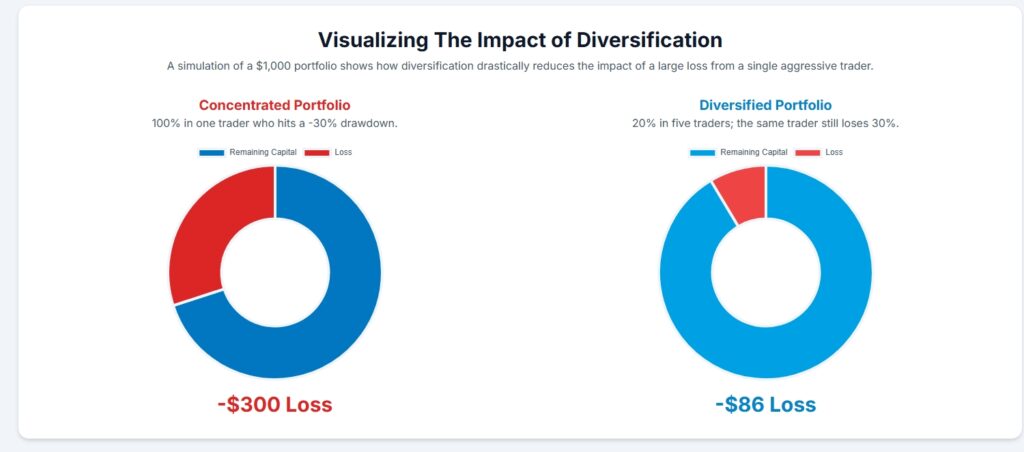
The single most prevalent mistake in copy trading is blindly following a popular trader without conducting thorough due diligence. You see a trader at the top of a leaderboard with a 300% ROI, and you think, “This is it!” This emotional impulse is driven by social proof and the Fear of Missing Out (FOMO).
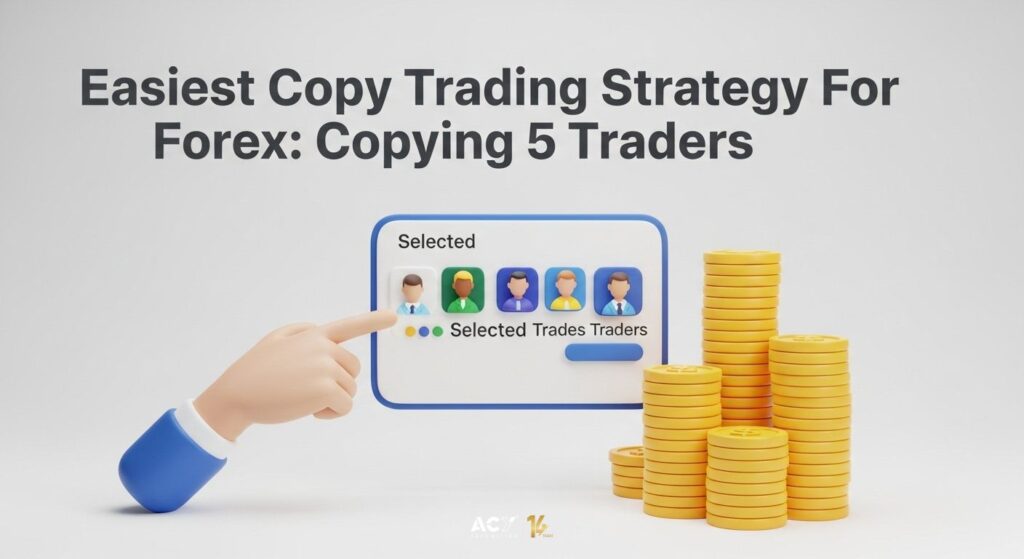
But platform leaderboards can be misleading. They often incentivize high-volume trading rather than safe, consistent returns and can sometimes be manipulated. A trader might be using an incredibly high-risk strategy that produced a spectacular short-term gain but is doomed to fail.
The Golden Rule: Never put all your capital behind a single trader. Diversify across multiple traders to reduce your risk.
How to Apply It:
- The 5-Trader Strategy: A great starting point is to diversify by copying at least 5 different traders.
- Vary Your Strategies: Don’t just pick five traders who all trade Gold. Choose traders with different styles (e.g., scalping, swing trading) and who trade different asset classes. This protects you if one particular market or strategy experiences a downturn.
Rule 2: Are You Misreading ROI and Ignoring What Truly Matters?
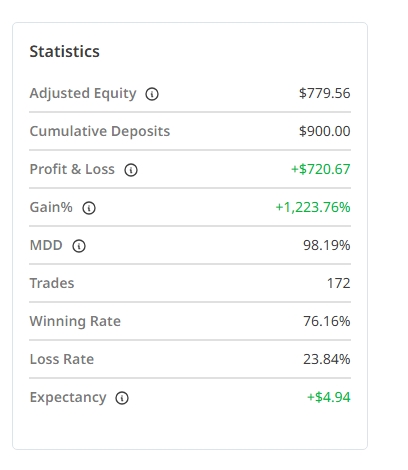
Return on Investment (ROI) is the headline metric that grabs everyone’s attention. But focusing on it alone is a trap. A high ROI means nothing without understanding the risk taken to achieve it. Some platforms allow traders to use ranking algorithms to their advantage, creating portfolios that artificially inflate ROI percentages to lure followers.
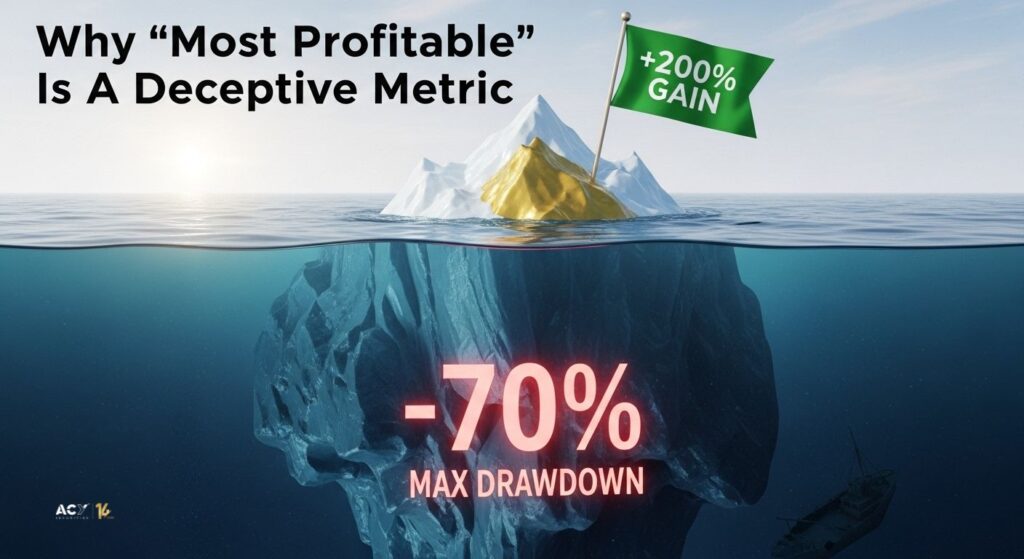
The Golden Rule: Look beyond ROI. Analyze a trader’s full performance metrics to understand their risk-adjusted returns.
How to Apply It:
- Master the Metrics: Before you copy anyone, learn to master the meaning of key ROI metrics in copy trading.
- Key Performance Indicators (KPIs) to Analyze:
- Max Drawdown (MDD): The most critical metric. This shows the biggest peak-to-trough drop a trader’s account has experienced. A high MDD is a massive red flag, indicating a high-risk strategy.
- Win Rate: The percentage of trades that are closed with a profit.
- Profit & Loss (PnL): The actual profit generated over a period.
- Average Trade Duration: Are they a short-term or long-term trader? This should align with your own patience level.
- Max Drawdown (MDD): The most critical metric. This shows the biggest peak-to-trough drop a trader’s account has experienced. A high MDD is a massive red flag, indicating a high-risk strategy.
Rule 3: Do You Have Enough Capital and the Right Leverage?
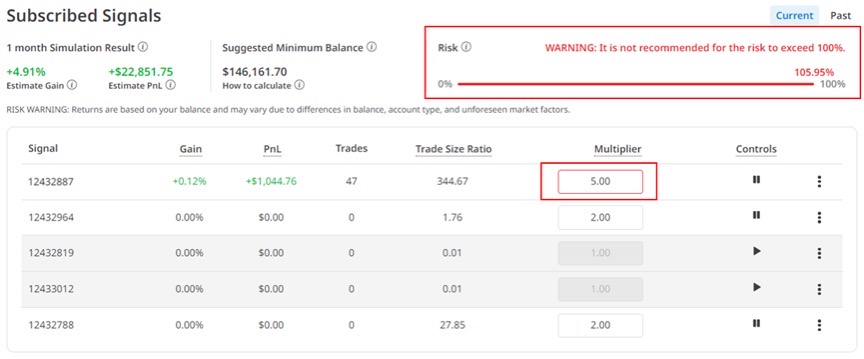
You’re excited to start, but you might be wondering, “How much do I actually need?” Underfunding your account is a common mistake that can lead to premature margin calls and an inability to properly diversify. Equally dangerous is misusing the “multiplier” or leverage feature offered by many platforms.
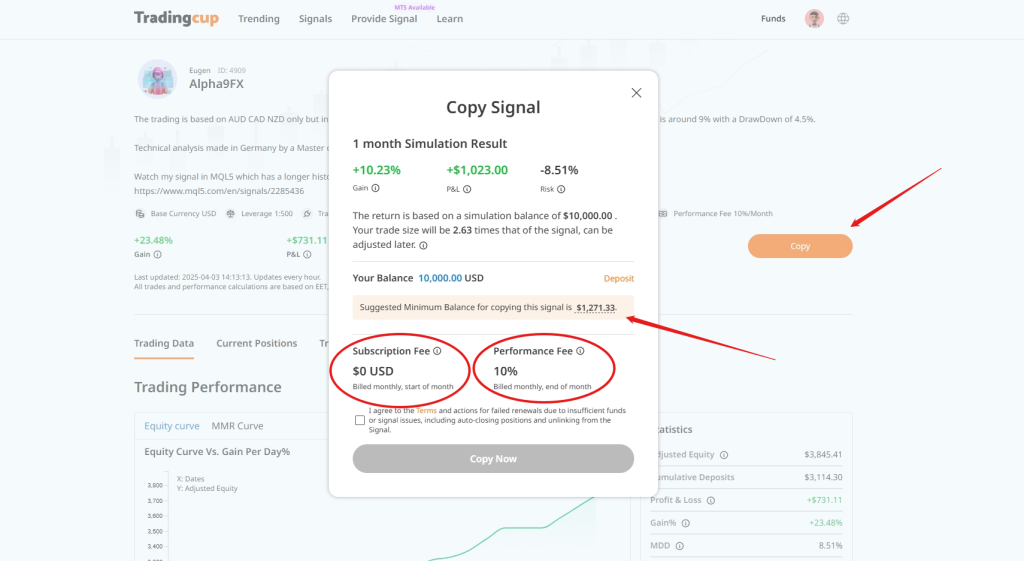
The Golden Rule: Start with the right amount of capital for your goals and use leverage with extreme caution.
How to Apply It:
- Understand Suggested Balances: Research the suggested capital or minimum balance for copy trading on your chosen platform. This ensures you have enough buffer to withstand normal market swings and copy multiple traders effectively.
- Use Multipliers Wisely: The multiplier function allows you to amplify your copied trades (e.g., a 2x multiplier means you open a trade twice the proportional size of the trader’s). While this can amplify profits, it also turbocharges losses. As a beginner, it’s best to understand how the copy trading multiplier works and start with a 1x multiplier until you are highly confident in the trader and your risk management.
Rule 4: Are Your Emotions Secretly Sabotaging Your Trades?
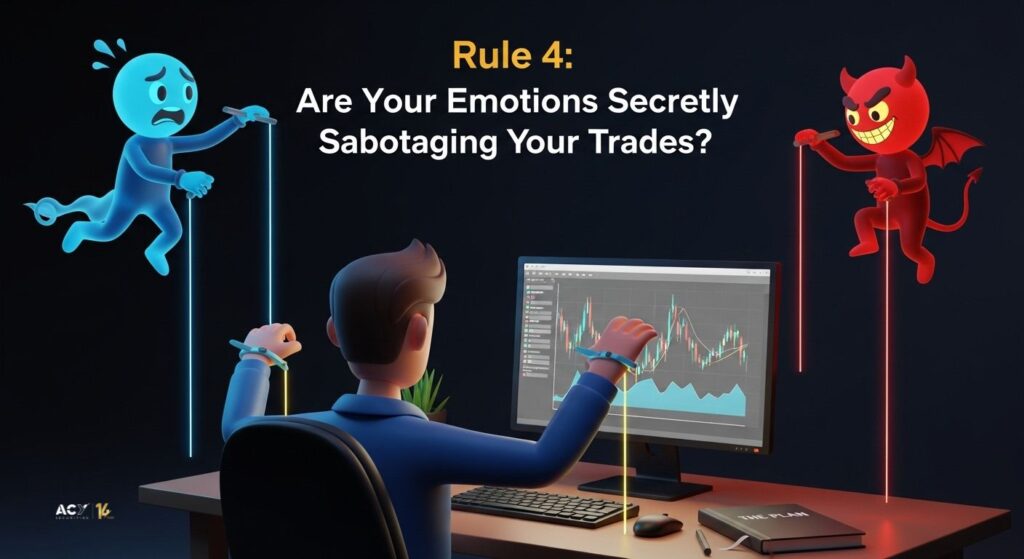
Fear and greed are the twin demons of every trader. In copy trading, they manifest in unique ways. Fear might cause you to panic and stop copying a great long-term trader after a few small losses. Greed and impatience might lead you to constantly switch to whoever is “hot” this week, a behavior known as “churning.”
These emotional decisions are a primary driver of suboptimal outcomes.
The Golden Rule: You must manage your own psychology. Trust your initial research and stick to your plan.
How to Apply It:
- Trust the Process, Not the Moment: Once you’ve done your due diligence and selected your traders, let them work. Don’t check your PnL every five minutes.
- Keep a Journal: Document why you chose each trader. When you feel the urge to make an emotional decision, read your journal to remind yourself of your data-driven logic.
- Learn to prevent emotions from taking over your copy trading journey by setting clear goals and focusing on the long-term process rather than short-term noise.
Rule 5: What Hidden Fees Are Eating Into Your Profits?
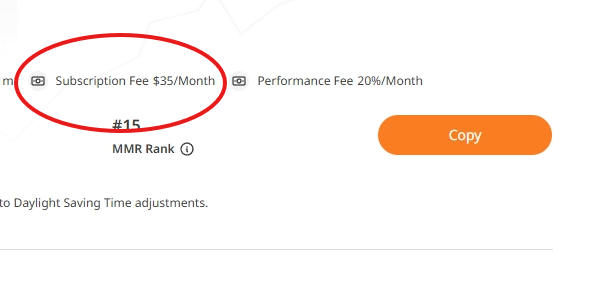
Nothing is truly free. Copy trading platforms and the traders themselves (often called “signal providers”) need to be compensated. These costs can come in various forms, and if you’re not aware of them, they can significantly erode your net returns.
The Golden Rule: Investigate and understand every single cost associated with your copy trading activity before you begin.
How to Apply It:
- Read the Fine Print: Understand all the potential copy trading fees and costs.
- Common Costs to Look For:
- Platform Fees: Some platforms charge a subscription or a per-trade commission.
- Profit Sharing: The most common model, where the signal provider takes a percentage (e.g., 10-30%) of the profits they generate for you.
- Spreads: The difference between the buy and sell price of an asset. Wider spreads mean higher trading costs.
- Slippage: The difference between the expected price of a trade and the price at which the trade is actually executed.
- Platform Fees: Some platforms charge a subscription or a per-trade commission.
Rule 6: How Often Should You Check On Your Traders?
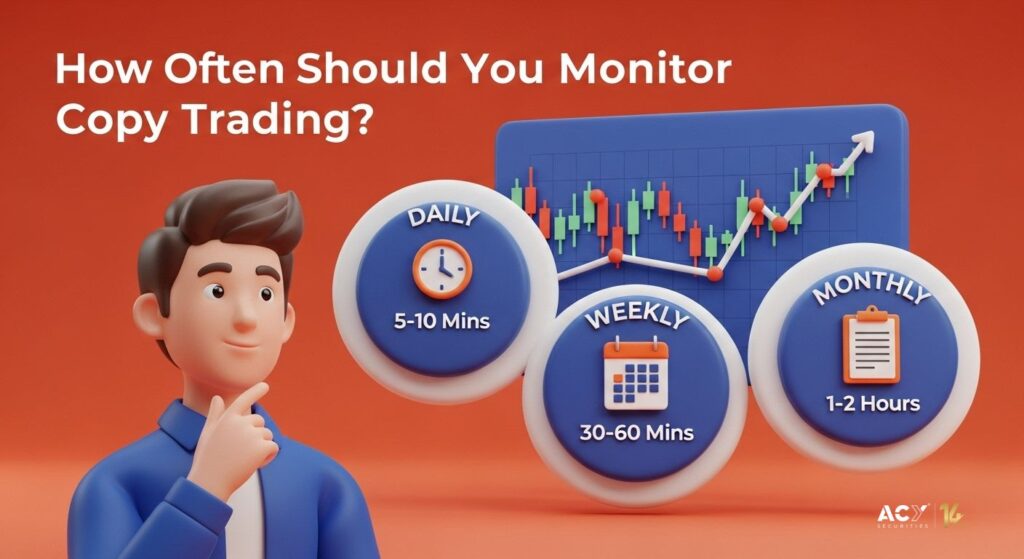
While you need to avoid emotional, minute-by-minute checking, you also can’t completely “set it and forget it.” A trader’s performance can change. They might alter their strategy, become overconfident after a winning streak, or simply lose their edge.
The Golden Rule: Implement a structured monitoring schedule to review your copied traders’ performance objectively.
How to Apply It:
- Establish a Routine: Decide how often you should monitor your copy trades. A weekly review is a good starting point.
- Your Weekly Checklist: During your review, ask:
- Has the trader’s Max Drawdown increased significantly?
- Has their risk-to-reward ratio changed for the worse?
- Are they suddenly taking much larger or smaller positions than usual?
- Are their recent results consistent with their long-term history?
- Has the trader’s Max Drawdown increased significantly?
Rule 7: When Is It Time to Switch Trader?
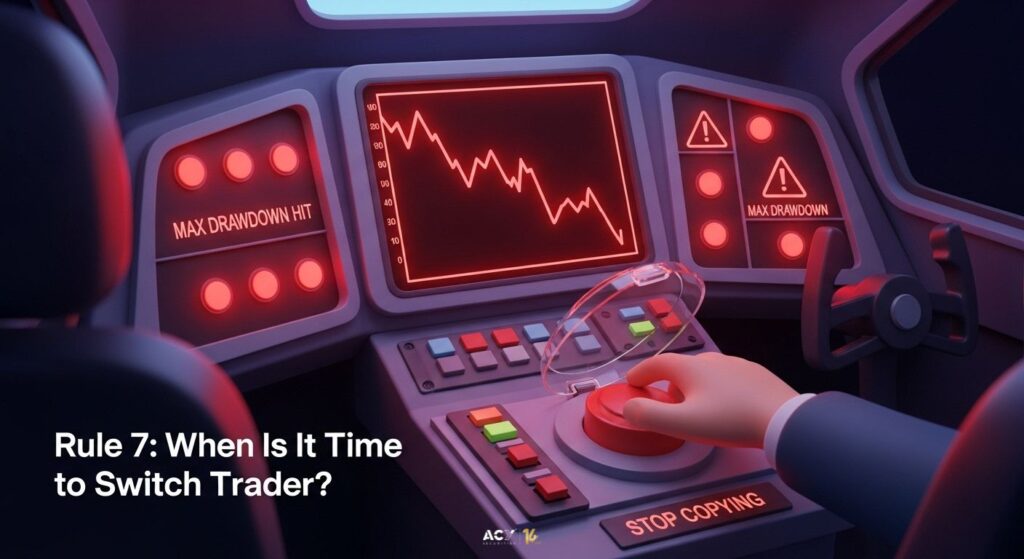
Sticking with a trader through a small drawdown is disciplined. Sticking with them as they blow up their account is foolish. Knowing the difference is crucial.
The Golden Rule: Define your “break-up” conditions in advance and execute them without emotion when they are met.
How to Apply It:
- Set Your Stop-Loss on the Trader: Before you copy, decide on your hard limits. For example: “If this trader exceeds a 30% drawdown or has three consecutive losing months, I will stop copying them.”
- Recognize the Red Flags: Learn the key signals that tell you when it’s time to switch traders in copy trading. This includes drastic changes in strategy, violating their own stated risk parameters, or a long period of underperformance compared to their historical baseline.
- Execute Systematically: When a red flag is raised, go back to your checklist from Rule 6. If the data confirms a negative trend, execute your plan and find a replacement using the same diligent process you used initially.
How Would David Goggins Dominate Copy Trading?

David Goggins, the retired Navy SEAL and ultramarathon runner, is a master of mental toughness. His philosophy isn’t about motivation; it’s about discipline. How would he apply his iron will to the 7 Golden Rules?
- The Accountability Mirror (Rules 1, 6, 7): Goggins would never blame a trader for his losses. He’d “own it.” He would say, “I’m the one who chose him. I’m the one who didn’t do my due diligence. I’m responsible.” He would meticulously research every trader (Rule 1), review them relentlessly (Rule 6), and cut them without hesitation when they failed to meet his standards (Rule 7).
- Callousing the Mind (Rule 4): The fear and greed that derail other traders? Goggins would see them as weaknesses to be “calloused.” He’d embrace the discomfort of a drawdown, viewing it not as a failure, but as a test of his discipline. He would stick to his data-driven plan precisely because it was emotionally difficult.
- The Cookie Jar (Rule 2): Goggins uses a “cookie jar” of past achievements to fuel him through tough times. In trading, he’d analyze every past win and loss, not for the PnL, but for the lesson. A successful adherence to his risk parameters would be a “cookie.” A big ROI would be irrelevant if it was achieved through undisciplined luck.
- Embrace the Suck (Rules 4, 7): Markets go down. Traders have losing streaks. Most people panic. Goggins would “embrace the suck.” He would expect and plan for downturns. This mental framing would allow him to follow Rule 4 (control emotions) and Rule 7 (act logically, not emotionally, when switching traders) with perfect clarity.
Building a Winning System: 10 Copy Trading Lessons from “Atomic Habits”
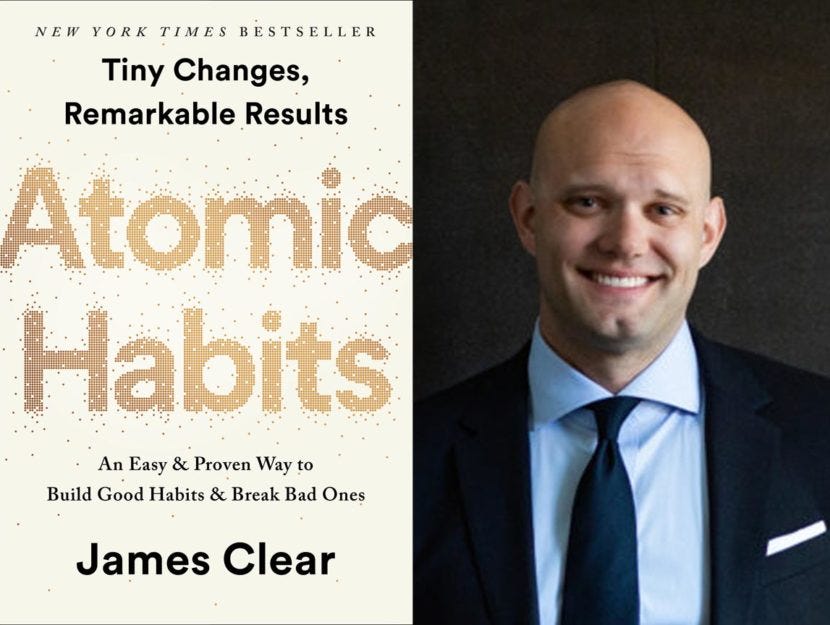
James Clear’s masterpiece, “Atomic Habits,” is about how small, consistent actions lead to remarkable results. It’s the perfect antidote to the get-rich-quick mindset that plagues trading. Here’s how to apply its lessons.
- 1% Better Every Day: Don’t try to become a trading expert overnight. Focus on getting 1% better at your research and analysis process each week.
- Focus on Systems, Not Goals: Your goal isn’t “make $10,000.” Your system is the 7 Golden Rules. A successful day is when you follow your system perfectly, regardless of the profit or loss.
- Make it Obvious: Print out your 7 Rules and your trader-selection checklist. Put it on your desk. Make your disciplined process impossible to ignore.
- Make it Attractive: Reframe your thinking. The thrill isn’t a winning trade; the thrill is executing your plan flawlessly.
- Make it Easy: This is the most powerful lesson for risk management. Use tools that make discipline easy. Set your stop-loss limits and use proportional copying so your risk is managed automatically. This removes in-the-moment emotion.
- Make it Satisfying: Reward yourself for good behavior, not good outcomes. Did you stick to your monitoring schedule for a whole month? That’s the real win.
- Habit Stacking: Link your new trading habits to existing ones. “After my morning coffee, I will spend 5 minutes reviewing my portfolio’s overall drawdown.”
- Design Your Environment: Choose a platform that is transparent and provides deep analytics. Avoid platforms that feel like a gamified casino, designed to encourage impulsive behavior.
- The Two-Minute Rule: Feeling overwhelmed by research? Start small. “I will analyze just one of a trader’s KPIs for two minutes.” This builds the habit of due diligence.
- Never Miss Twice: You will make an emotional mistake eventually. Forgive yourself. But never let it happen twice in a row. One mistake is a lesson. Two is the start of a catastrophic habit.
Final Checklist and Concluding Remarks
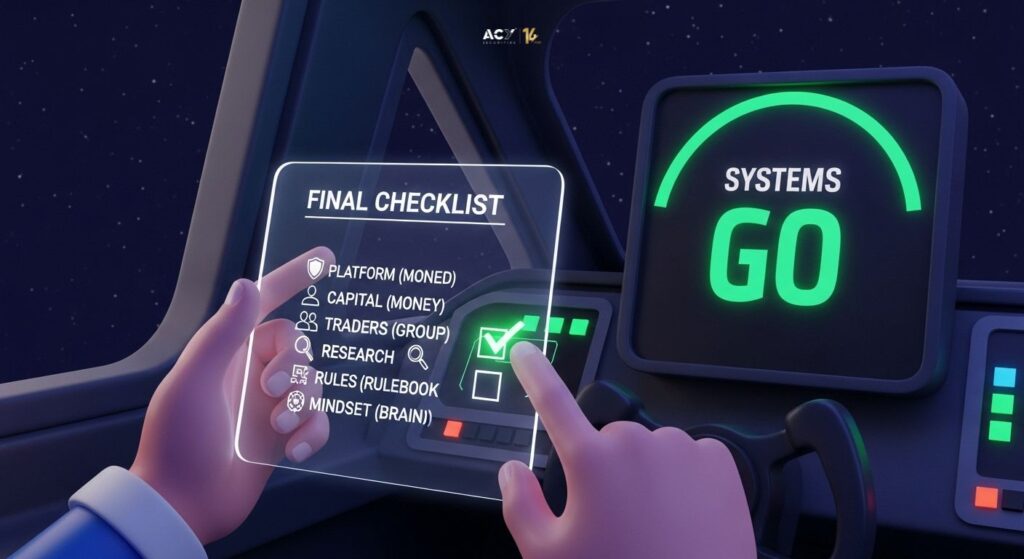
Your journey into copy trading can be incredibly rewarding, but it demands respect for the process. It’s not a lottery ticket; it’s a business. Before you copy your first trade, run through this final checklist.
- My Platform: Have I chosen a transparent, regulated platform with fair fees?
- My Capital: Is my starting balance sufficient and aligned with my risk tolerance?
- My Traders: Have I diversified across at least 3-5 traders with different strategies?
- My Research: Have I analyzed the Max Drawdown, risk history, and consistency of every trader I plan to copy?
- My Rules: Do I have pre-defined stop-loss limits for my account and clear conditions for when I will stop copying a trader?
- My Mindset: Am I committed to following my system and controlling my emotions?
By embracing these seven golden rules and internalizing the mindsets of discipline and systematic habit-building, you shift the odds dramatically in your favor. You move from being a hopeful gambler to a strategic investor. You stop chasing fleeting signals and start building sustainable wealth.
Additional Reading & Trader Analysis:
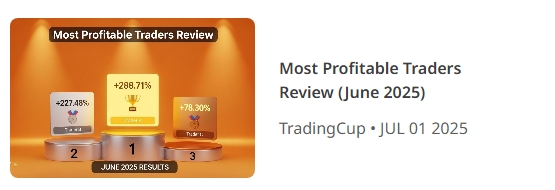
- To see who is performing well right now, you can review analyses of the most profitable traders of the month.
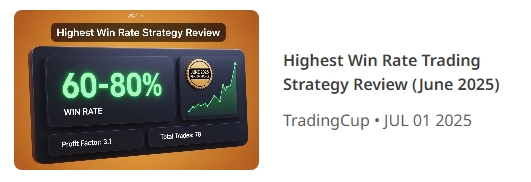
- To find consistent performers, check out reviews on traders with the highest win-rate strategies.
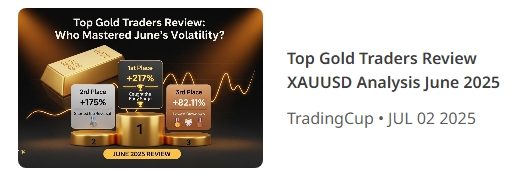
- If you’re interested in a specific asset, look for breakdowns of top Gold (XAUUSD) traders.
Frequently Asked Questions (FAQ)
1. What is the most common mistake beginners make in copy trading?
The most prevalent error is blindly following popular traders, especially those on leaderboards, without conducting their own thorough analysis of performance metrics like max drawdown and risk consistency. This is often driven by psychological biases like social proof and FOMO (Fear of Missing Out).
2. How do my emotions impact my copy trading results?
Emotional influences, primarily fear and greed, are major drivers of poor decisions. Fear can cause you to exit profitable strategies prematurely during a normal drawdown, while greed can lead you to hold onto losing traders for too long or over-allocate capital to a high-risk strategy. Maintaining discipline through a clear plan is essential.
3. Can I trust the leaderboards on copy trading platforms?
You should be very cautious. Platform leaderboards can be misleading as they often prioritize high returns and trading volume, which can be manipulated by traders using high-risk strategies. These rankings can encourage herding behavior and may not reflect a trader’s long-term viability or risk management skills.
4. What is the best way to manage risk when copy trading?
Effective risk management involves a multi-layered approach. Key solutions include:
- Diversifying: Spread your investment across multiple traders to mitigate the risk of any single strategy failing.
- Using Stop-Loss Orders: Set automatic limits to close positions and cap potential losses.
- Proper Position Sizing: Avoid over-allocating a large portion of your portfolio to a single trader or asset.
5. Why is focusing only on high profits a bad strategy?
Focusing solely on immediate, high returns is a trap rooted in an outcome-focused mindset and greed. Many records of exceptional gains in copy trading are based on randomness and luck rather than skill. This approach ignores crucial factors like risk and sustainability, exposing you to potentially catastrophic losses when a high-risk strategy inevitably fails.
(Disclaimer: This article is for informational and educational purposes only. It should not be considered financial advice. Always conduct your own research and consult with a qualified financial advisor before making any investment decisions.
For more detailed insights on developing daily trading routines, risk management, and effective position sizing strategies, explore additional articles on Trading Cup. Our trading experts at ACY and FinLogix are also great resources to guide your journey towards trading excellence.

Discover Our Best Trading Signals
At Tradingcup, you can browse through a selection of signals and review past performance before you decide to copy.
Become A Signal Provider
Share your expertise and become a signal provider so other traders can copy your trades.
Stay tuned to our blog for more trader spotlights and leaderboard updates.
Trading involves risks.
Visit the Tradingcup blog through the link below for more updates: https://www.tradingcup.com/learn
Related Copy Trading blogs:
- Understanding Market Liquidations: Liquidity Sweeps and Runs Explained
- 7 Essential Daily Habits of Successful Traders to Outperform Their Peers
- 10 Strategies You Can Copy off Our Best Copy Traders
- 5 Strategies Every Trader Can Master To Trade Better In A Trading Contest
- 2025 Copy Trading Scams Exposed: How to Spot Fraud
- A Swing Trading Strategy with an 83 Percent Win Rate and Low Drawdowns
- Forex Martingale Strategies Explained, The Good, The Bad and The Ugly
- Pyramiding Trading Tutorial – Pros & Cons & How to Use It